Why Some Anarkalis Look Like Nighties: And What To Buy Instead
Anarkalis can look regal or resemble nightwear, depending on fabric, fit and finish. Discover why some miss the mark and what to choose instead for effortless elegance.
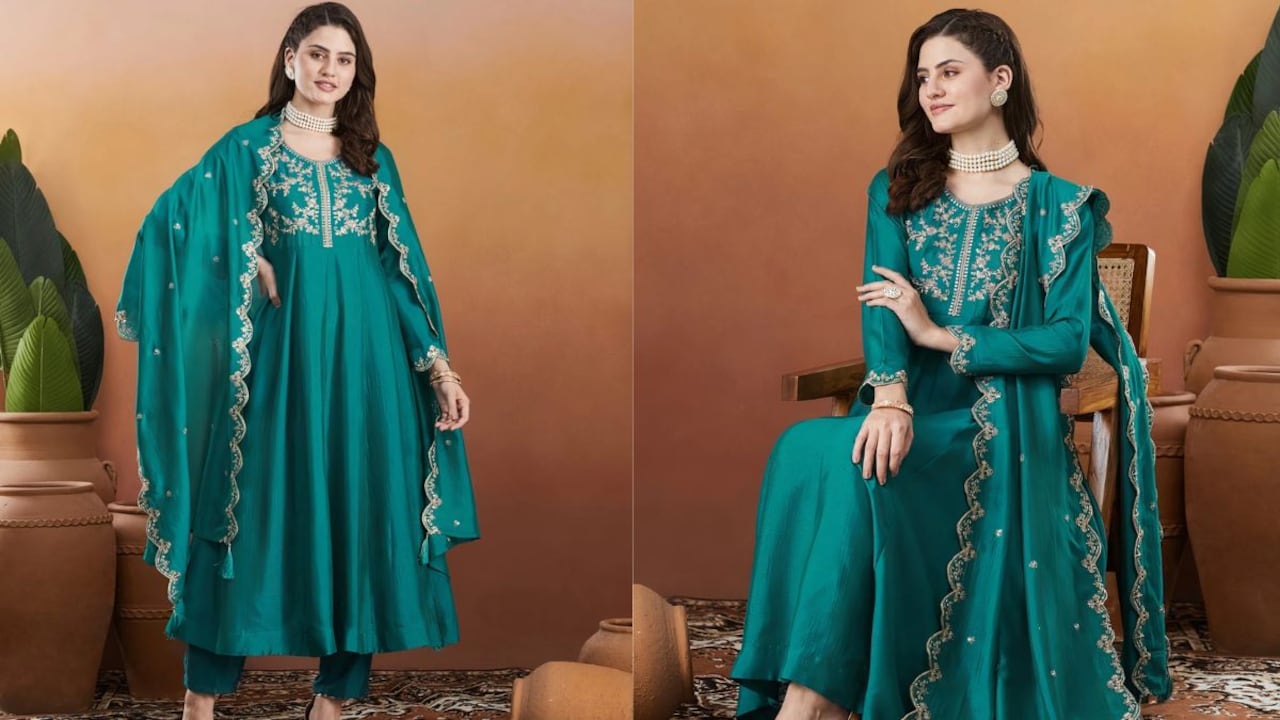
Things to avoid when buying Anarkali suits to make them look stylish and not like nightwear.
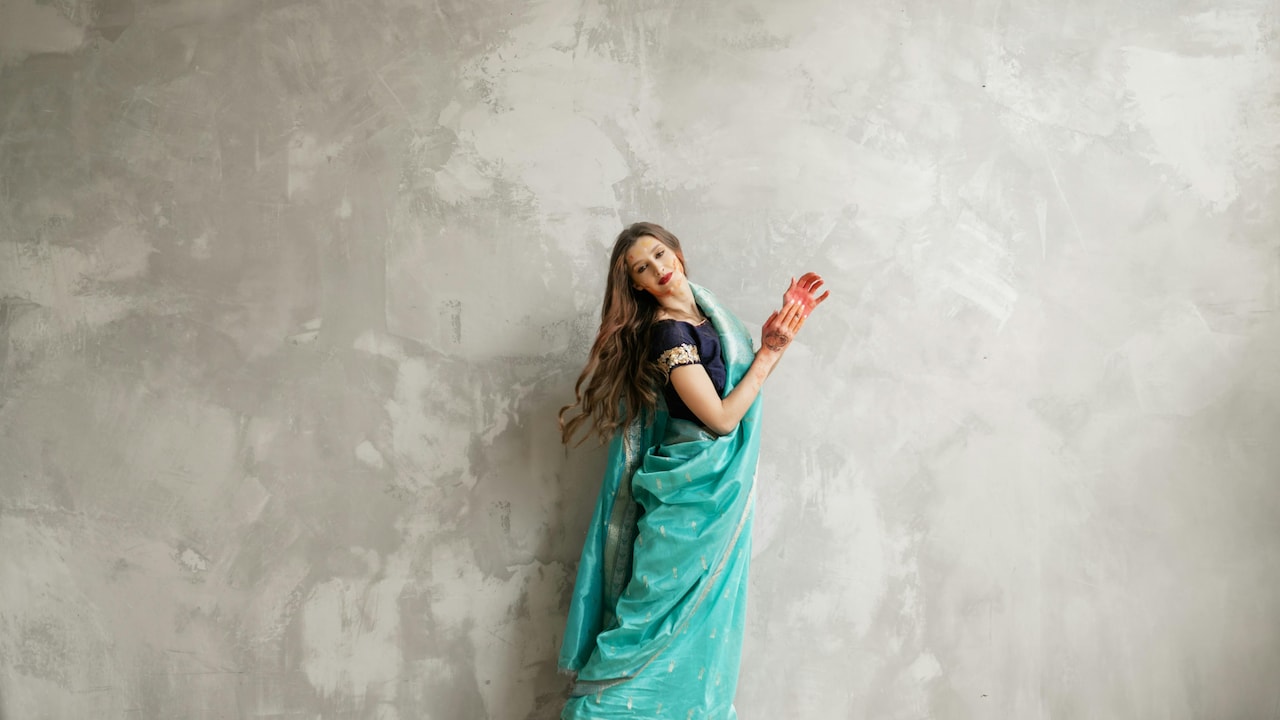
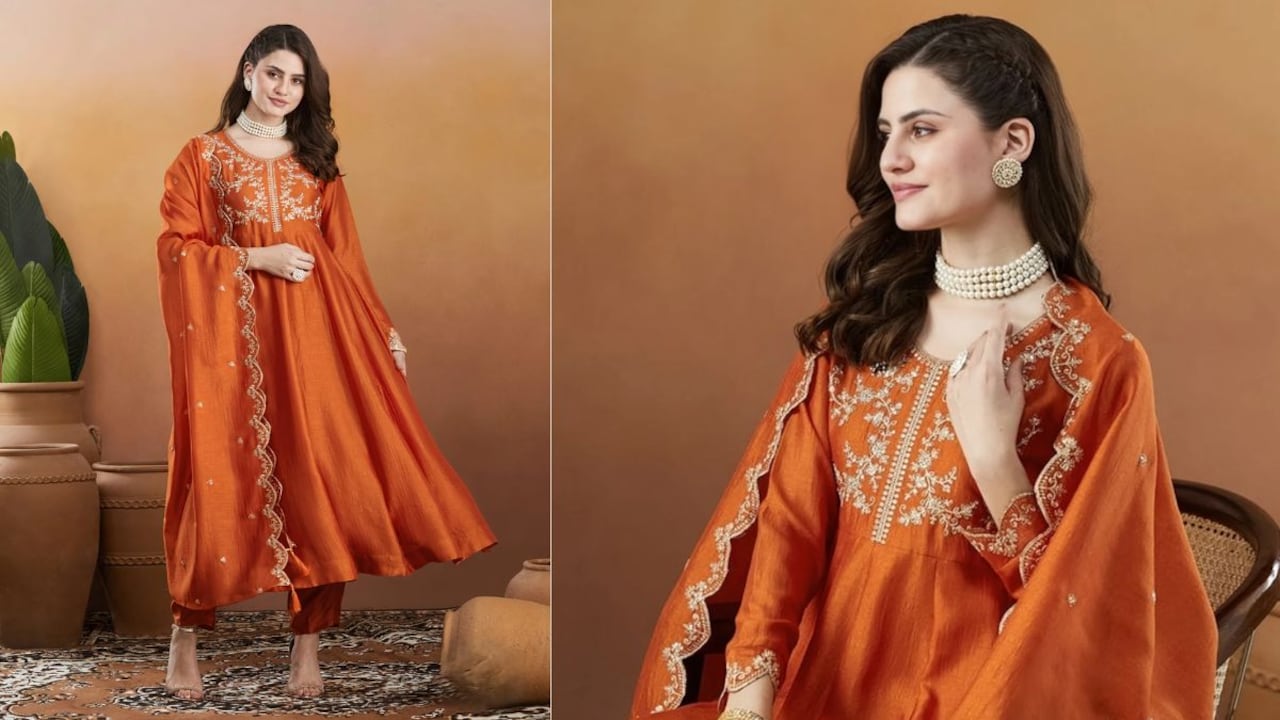
Few garments capture romance and nostalgia quite like the Anarkali. The flare, the swirl, the promise of effortless elegance – everything about it suggests celebration. From wedding receptions to Diwali parties, the silhouette appears everywhere. Yet not every Anarkali earns admiration. Some look structured and majestic. Others, unfortunately, drift into nightwear territory.
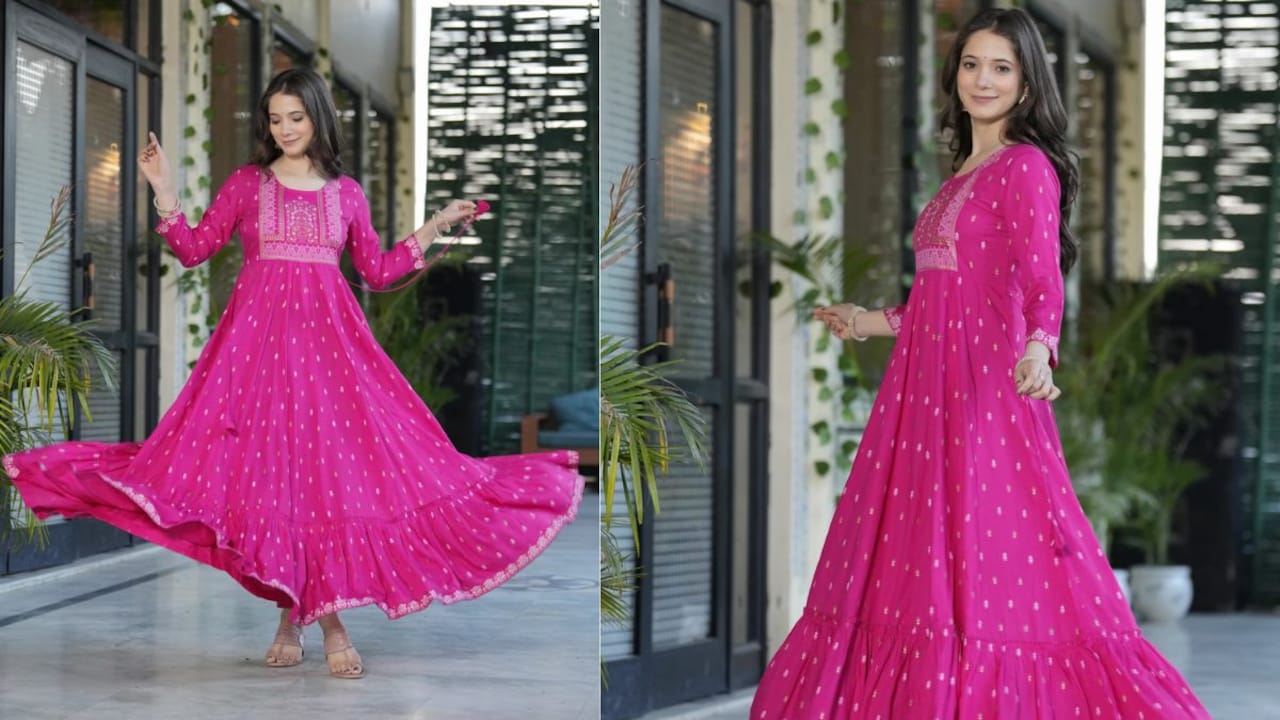
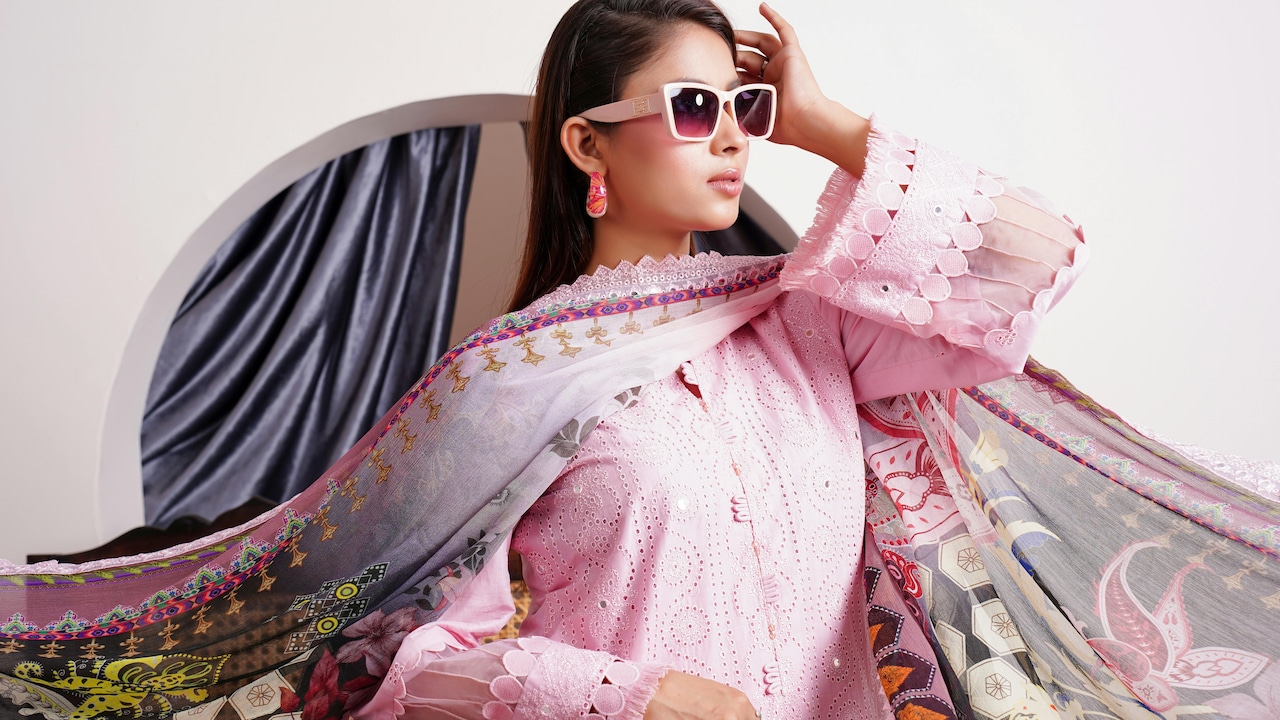
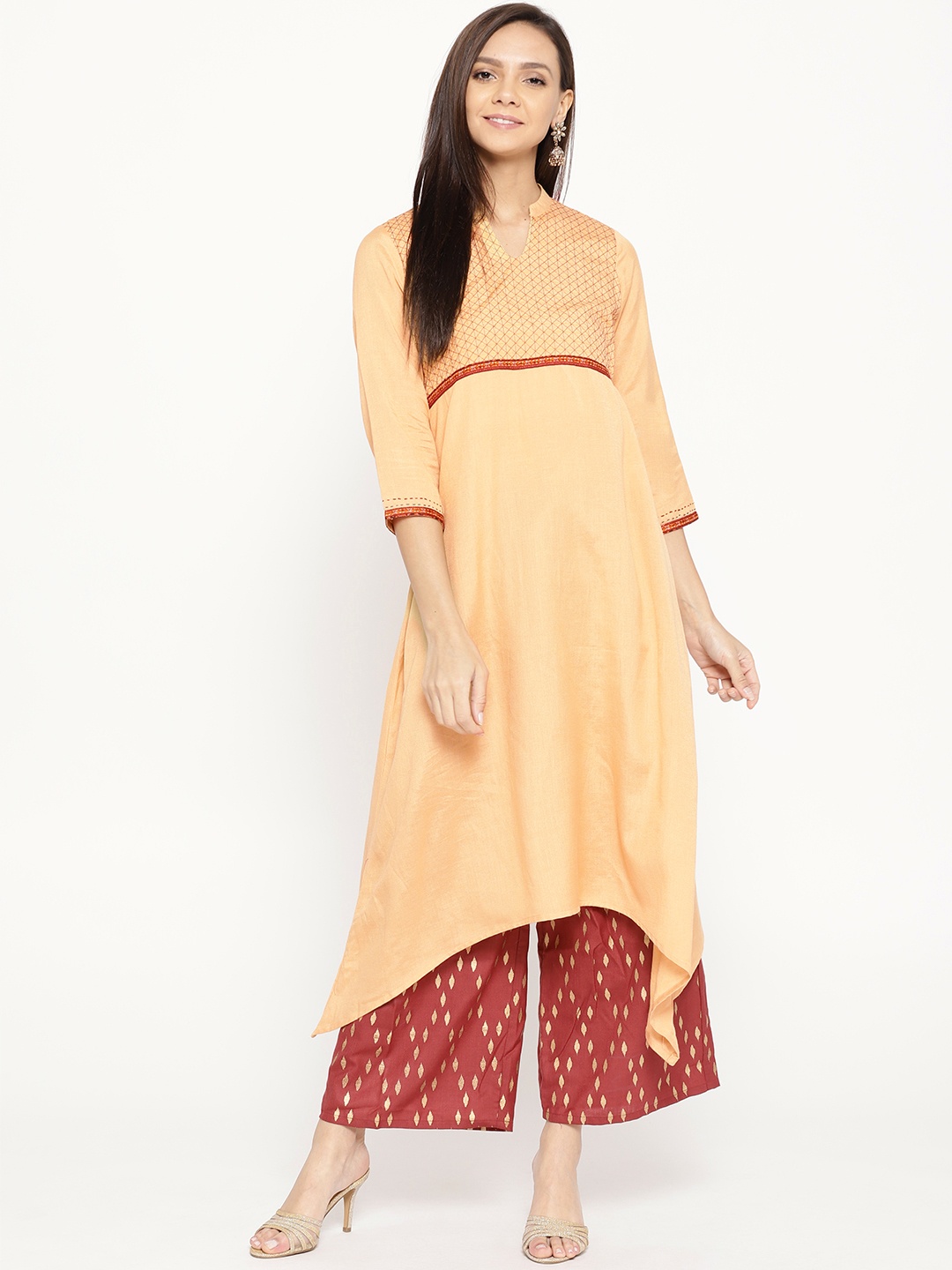
Read what makes some Anarkali suits look dull and like nightwear; Photo Credit: Flipkart
The difference often lies in the details most shoppers overlook. Fabric choice, tailoring, prints, length, finishing and styling decisions can transform the same silhouette into something either striking or shapeless. In a market flooded with fast fashion and tempting discounts at ₹1,999 or ₹2,499, it becomes easy to mistake volume for grandeur.
Understanding why certain designs miss the mark can save both money and wardrobe regret. It also opens the door to smarter choices that maintain comfort while delivering elegance. Because no one invests in festive wear hoping to look like they accidentally stepped out in sleepwear.
The following sections unpack the reasons behind this fashion confusion and offer thoughtful alternatives worth considering.
Also Read: Swirl In Style: Top 5 Red Anarkali Suits Under ₹1,000
The Fabric Makes Or Breaks Everything
Fabric dictates the entire mood of an Anarkali. Soft, limp materials like thin rayon or overly stretchy jersey collapse under their own flare. They cling in odd places, crease easily and lose structure within hours. The result often mirrors a nightgown rather than a celebration outfit.
Many budget-friendly pieces rely on such fabrics to reduce cost. At ₹1,500 to ₹2,000, the price may seem attractive. Yet the garment rarely holds shape. When fabric lacks body, even the most intricate embroidery cannot rescue it.
On the other hand, fabrics like cotton, silk, chanderi, organza, georgette with lining, or well-structured crepe create volume without looking bulky. They move gracefully rather than droop. They allow the flare to open beautifully while maintaining form.
Before buying, touch the fabric. Does it spring back slightly when scrunched? Does it fall in clean folds? Does it hold structure around the neckline and sleeves? These small checks reveal whether the Anarkali will look regal or resemble loungewear by evening.
Too Much Flare Without Structure
Flare excites shoppers. More ghera feels dramatic. Twirls look fabulous in trial rooms. Yet excessive flare without proper panel construction turns an outfit into a tent.
Nighties often share that loose, circular cut. When an Anarkali copies that silhouette without adding defined seams, panels or shape at the waist, it loses elegance. Instead of flowing, it balloons.
Good design balances volume with control. Panels stitched carefully from waist to hem create movement without chaos. A fitted bodice that transitions into a flare maintains proportion. Without that structure, the garment hangs from the shoulders like sleepwear.
Many mass-produced designs skip careful panel work to save time. They cut wide circles and stitch quickly. The price might hover around ₹2,200, but tailoring shortcuts show instantly.
When shopping, examine the waist area. Does the flare begin too high? Does the bodice fit snugly? Structured flare flatters most body types. Excess fabric with no shaping rarely does.
The Neckline That Screams Nightwear
Necklines play a surprisingly powerful role. Deep scoops, overly wide round necks and basic piping resemble nightdress patterns. When designers avoid thoughtful detailing, the upper half of the Anarkali loses definition.
Festive wear thrives on structure around the neckline. Even a simple boat neck, sweetheart cut or modest V-neck with subtle embroidery adds intention. Without that intention, the garment feels unfinished.
Many cheaper pieces rely on printed fabric alone, skipping embellishment or thoughtful cuts. That simplicity can work beautifully in certain styles, but in an Anarkali, it often reads casual to the point of sleepy.
A well-designed neckline frames the face. It draws attention upward. It balances the heavy flare below. If the top half looks plain and droopy, the entire outfit suffers.
Shoppers often focus on colour and flare while ignoring this detail. Yet a strong neckline transforms the same silhouette from “nightie” to “occasion-ready” instantly.
Sleeves That Add To The Problem
Sleeves deserve more respect than they receive. Loose, shapeless three-quarter sleeves with no cuff or border echo common nightwear designs. When sleeves hang without structure, the whole outfit follows suit.
Thoughtful sleeve detailing changes everything. Fitted sleeves with subtle embroidery, sheer organza panels, cuffed ends or even elegant elbow-length cuts add refinement. They create a finished look.
Some Anarkalis combine limp fabric with wide sleeves and minimal tailoring. The outcome resembles something designed purely for comfort rather than celebration. Comfort matters, of course, but festive wear needs a hint of polish.
Tailoring also matters here. Sleeves that pull or twist look awkward. Those that balloon without reason look careless.
Before purchasing, move your arms freely in the trial room. Do the sleeves hold shape? Do they complement the bodice? Well-constructed sleeves can elevate even a modestly priced piece at ₹3,000 into something impressive.
Prints That Look Like Bedroom Florals
Print selection often determines whether an outfit looks elegant or domestic. Tiny scattered florals on soft pastel backgrounds can easily mimic nightdress aesthetics, especially when paired with limp fabric.
Bedroom florals usually feature repetitive, soft patterns meant to feel calming. Festive wear demands richer depth. Larger motifs, block prints with contrast borders, traditional patterns or contemporary geometric designs add sophistication.
Colour combinations also matter. Faded pink with mint green may feel soothing, but lacks drama. Jewel tones like emerald, wine, deep mustard or royal blue instantly shift perception.
Designers sometimes mass-produce safe, pastel prints because they sell quickly. Yet not every trend suits every silhouette. An Anarkali already carries volume. It needs prints that hold their own.
When browsing options priced between ₹2,000 and ₹4,000, compare prints closely. Does the pattern command attention? Or does it fade into softness? Bold, well-placed prints prevent that nightwear confusion.
Anarkali suits in floral patterns can mimic a nightwear-like vibe; Photo Credit: Flipkart
The Importance Of Proper Lining
Lining remains an unsung hero. Many disappointing Anarkalis skip proper lining or use thin synthetic layers that cling awkwardly. Without structure beneath, the outer fabric collapses.
Nighties rarely include heavy lining. They prioritise lightness. When an Anarkali mimics that construction, it inherits the same relaxed silhouette.
A good lining adds body. It supports embroidery. It ensures the garment falls smoothly rather than sticking to leggings underneath. It also prevents transparency issues under bright lights.
Well-lined pieces feel slightly weightier. They move with dignity. They cost a bit more, perhaps ₹3,500 instead of ₹2,200, but the difference shows immediately.
During trials, hold the fabric against the light. Check the lining quality. Does it match the outer layer? Does it feel breathable yet structured? Proper lining quietly upgrades the entire look.
Length That Confuses Proportion
Length can make or break the silhouette. An Anarkali that hits mid-calf awkwardly often resembles a nightdress more than occasion wear. The flare looks incomplete.
Traditional designs usually skim the ankles or nearly touch the floor. That length elongates the frame and adds drama. Shorter versions require sharper tailoring and slimmer flare to avoid confusion.
Many ready-made pieces settle at a convenient standard length to suit most heights. Without alteration, they may sit at unflattering points. The result looks accidental rather than intentional.
Altering length costs little, often around ₹300 to ₹500 at a local tailor. Yet many skip that step. A small adjustment transforms the proportion dramatically.
When trying on, notice where the hem falls. Does it create flow? Or does it chop the silhouette? Thoughtful length instantly distinguishes festive elegance from nightwear resemblance.
Over-Simplicity In Design
Minimalism works beautifully in certain silhouettes. However, an Anarkali demands at least one focal element. Without embroidery, border detailing, textured fabric or a statement dupatta, it risks looking plain.
Nightwear typically embraces simplicity for comfort. When festive wear copies that simplicity without compensating through structure or fabric richness, confusion arises.
This does not mean heavy zari or mirror work suits everyone. Even subtle thread embroidery along the yoke, delicate gota edging, or contrast piping at the hem adds intention.
Designers who rush production often skip finishing touches. The garment may cost ₹1,800 and look decent on a hanger. Under event lighting, though, it fades.
When evaluating options, search for one defining detail. Something that catches light. Something that signals celebration. That single element prevents the outfit from blending into bedtime territory.
Poor Tailoring And Fit
Fit changes everything. An Anarkali that pulls at the bust or gapes at the back instantly looks careless. One that hangs loosely around the shoulders resembles oversized sleepwear.
Proper tailoring shapes the bodice while allowing comfort below. Darts, princess seams and defined waistlines create subtle curves. Without them, the garment looks flat and shapeless.
Ready-made sizing often fails to match individual proportions. Investing ₹400 to ₹600 in minor alterations elevates even mid-range purchases dramatically.
Observe shoulder seams carefully. They should sit exactly at the shoulder edge. Check underarm fit. Ensure the bodice supports rather than sags.
When fit aligns perfectly, even a simple cotton silk Anarkali priced at ₹3,200 can look far more luxurious than an ill-fitted designer label. Tailoring remains the most underrated styling tool.
What To Buy Instead For Effortless Elegance
Not every event calls for an Anarkali. When repeated disappointments occur, exploring alternatives makes sense.
A-line kurtas with defined structure offer elegance without overwhelming flare. Floor-length kalidar suits with controlled panels maintain drama while avoiding tent-like volume. Sharara sets add movement with sharper tailoring. Even well-cut straight suits paired with statement dupattas create impact.
For those who adore flare, choose versions with fitted bodices and structured fabrics. Opt for jewel tones or rich neutrals. Prioritise lining and finishing.
Investing ₹4,000 to ₹6,000 in one thoughtfully designed piece often proves wiser than buying three cheaper versions that never leave the wardrobe.
Fashion should feel joyful, not confusing. The right alternative delivers grace, confidence and comfort in equal measure.
Products Related To This Article
1. Yash Gallery Women Leheriya Anarkali Kurta
2. Om Creation Anarkali Gown
3. Aadat Women Printed Anarkali Kurta
4. Navkriti Jaipr Women Block Print Anarkali Kurta
5. Vidhani Women Printed Anarkali Kurta
Anarkalis hold timeless charm. They evoke heritage, celebration and femininity with a single twirl. Yet poor fabric, careless tailoring and uninspired design can strip away that charm quickly.
When an Anarkali begins to resemble a nightie, the issue rarely lies with the silhouette itself. It stems from overlooked details: limp material, excessive flare, weak neckline design, poor lining or unflattering length.
Smart shopping requires attention beyond colour and price tag. Touch the fabric. Examine the seams. Assess the neckline. Consider alterations. Seek structure.
Festive wardrobes deserve thoughtful choices. Comfort and elegance can coexist beautifully when design supports both. With careful selection, the Anarkali returns to its rightful place as a showstopper rather than sleepwear confusion, because celebration attire should turn heads for all the right reasons.
(Disclaimer: This article may include references to or features of products and services made available through affiliate marketing campaigns. NDTV Convergence Limited (“NDTV”) strives to maintain editorial independence while participating in such campaigns. NDTV does not assume responsibility for the performance or claims of any featured products or services.)