How To Wear Ear Cuffs Comfortably Without Slipping Or Constant Adjustments
Struggling with ear cuffs that slip or pinch? Discover simple, practical tips to keep them secure, comfortable, and stylish all day, without constant adjusting or discomfort.
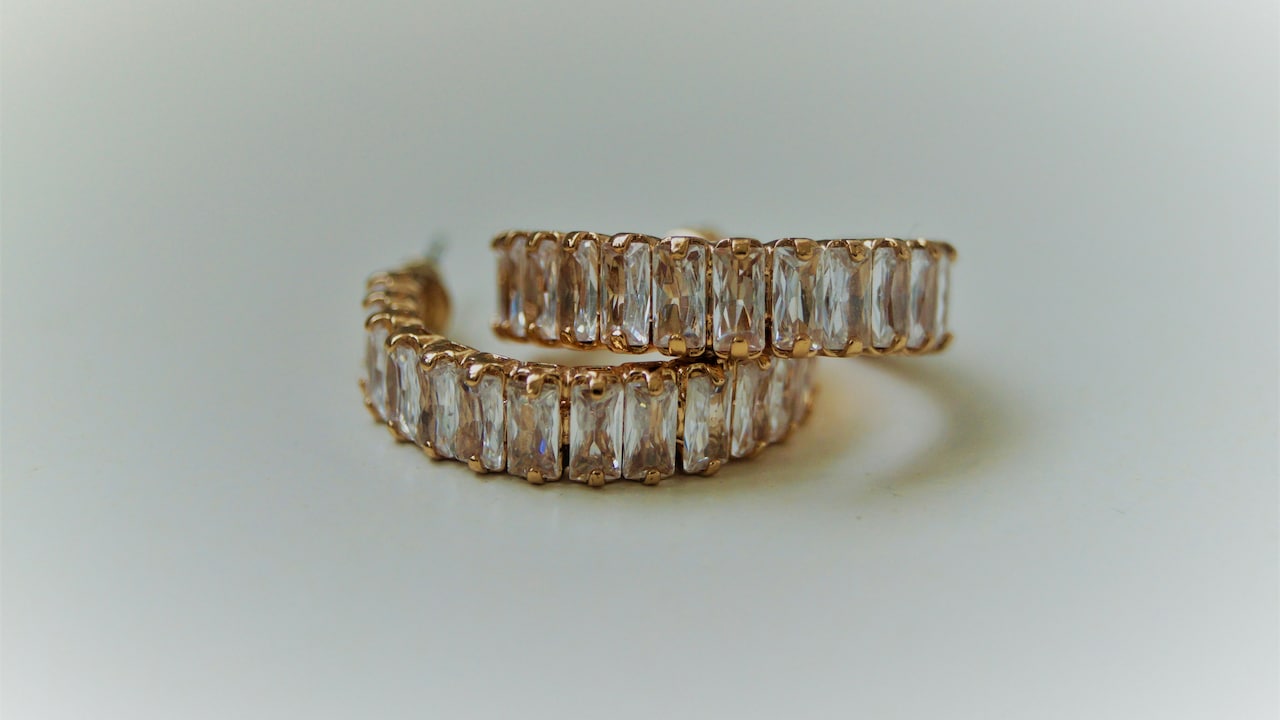
How To Wear Ear Cuffs Comfortably While Preventing Slippage And Constant Adjustments.
Ear cuffs have quietly claimed their space in jewellery boxes across the country. They slip on without piercings, add drama without heaviness, and instantly elevate even the simplest kurta or blazer. From college campuses to cocktail receptions, these versatile pieces bring flair without the commitment of a needle.
Yet many give up too soon. The cuff pinches. It slides. It demands attention every ten minutes. The result? A gorgeous accessory that feels more like a responsibility than a delight.
Wearing ear cuffs comfortably does not require expert skill or a jewellery budget of ₹20,000. It simply calls for understanding the ear's shape, selecting the right design, and applying a few practical adjustments. With thoughtful styling and mindful wear, ear cuffs can feel so natural that they almost disappear, except for the compliments, of course.

10 Easy Ways To Keep Ear Cuffs Secure And Comfortable All Day
Photo Credit: Pexels
Practical Tips To Keep Your Ear Cuffs Secure All Day
Choose The Right Fit For Your Ear Shape
Not all ears share the same curves, and not all ear cuffs suit every contour. Some ears have a pronounced ridge, while others appear softer and flatter. The key lies in finding a cuff that complements that natural structure rather than fighting it.
A cuff that feels too tight at first touch will only grow more uncomfortable through the day. On the other hand, one that slides on effortlessly may continue its journey downward at the slightest head tilt. The ideal cuff should require gentle pressure to secure but never cause throbbing or redness.
Adjustable cuffs offer a sensible starting point, especially for beginners. They allow slight squeezing or widening to create a personalised grip. However, adjustments should remain subtle. Over-bending weakens the metal and alters the design. When shopping, try wearing the cuff for a few minutes instead of simply testing it for a second. Walk around. Turn your head. A good fit feels steady without announcing its presence.
Position It At The Sweet Spot
Placement transforms everything. Most discomfort arises not from the cuff itself but from incorrect positioning. The ear's cartilage features natural dips and curves that act like anchors. Sliding the cuff into one of these grooves helps it sit securely without force.
The ideal approach involves sliding the cuff from the thinnest part of the upper ear downward until it rests snugly at the desired spot. Avoid forcing it sideways into thicker cartilage. That creates pressure and invites slippage.
Different placements create different moods. Higher placements feel edgy and contemporary. Mid-ear positioning appears elegant and balanced. Lower cartilage placements offer subtle charm. The trick lies in experimentation at home rather than hurried adjustments in an auto-rickshaw mirror.
Once positioned correctly, the cuff should stay put even while brushing hair aside or answering a call. If it shifts frequently, try adjusting the grip slightly rather than relocating it entirely.
Invest In Quality Materials
A ₹300 street find may look delightful under bright lights, but comfort often reflects material quality. Cheap alloys bend unpredictably, irritate skin, and lose grip quickly. Quality metals such as sterling silver, gold vermeil, or stainless steel maintain shape and feel smoother against the skin.
Sensitive skin demands particular care. Nickel-heavy pieces often cause itching or mild swelling, which increases movement as the skin reacts. Hypoallergenic materials prevent that cycle.
Weight also matters. Heavy cuffs tend to slide due to gravity, especially during long events. Lightweight yet sturdy designs strike the right balance. When selecting statement pieces, ensure the structure distributes weight evenly rather than concentrating it at one point.
Good craftsmanship does not always require luxury pricing. Many local artisans create excellent pieces within the ₹800 to ₹2,000 range. A well-made cuff not only stays secure but also ages gracefully, maintaining its grip and shine over time.
Prepare Your Ear Before Wearing
Clean skin provides a better grip. Moisturiser, sunscreen, and natural oils reduce friction, making the cuff more likely to slip. Before wearing, gently wipe the ear with a dry cloth or tissue. This simple step increases stability.
Hair products also play a role. Serum and spray often coat the ear unknowingly. During festive seasons, when styling involves generous product use, the cuff may slide more than usual. A quick clean before placing it solves half the problem.
Dry ears create natural resistance. Some even apply a tiny dab of translucent setting powder on the contact area. This trick absorbs oil and improves hold without harming the metal.
Preparation may sound excessive for such a small accessory, but the difference feels noticeable. The cuff stays firm without requiring mid-function adjustments or awkward glances at reflective surfaces.
Adjust Gently And Secure Properly
Adjustment demands patience. Many squeeze too hard in pursuit of security, only to create discomfort that builds through the day. Gentle pressure works best. The cuff should hug the cartilage, not clamp it.
When adjusting, remove the cuff first rather than squeezing it while on the ear. This prevents accidental pinching. Slightly narrow the opening, then slide it back into place from the top. Test stability by moving the jaw and tilting the head.
Frequent bending weakens the structure. Once adjusted properly, avoid reshaping repeatedly. If the cuff still slips, it may not suit the ear's anatomy. Switching to a different style often proves more effective than constant tweaking.
A secure cuff feels stable even during animated conversations or spontaneous dance moves at a sangeet. Confidence grows when jewellery stays obedient.
Pair With Hairstyles That Support Stability
Hairstyles influence comfort more than expected. Loose hair brushing against the ear can nudge a cuff out of position. Tightly pulled hair may tug at the cartilage and create friction.
Soft waves or a half-up style often offer balance. They frame the cuff without disturbing it constantly. For formal occasions, a sleek bun highlights the jewellery beautifully while eliminating interference.
Those who prefer short hair may benefit from slightly firmer placement since nothing shields the cuff from movement. A quick check before leaving home prevents repeated adjustments later.
During humid months, when hair tends to frizz and cling, stability becomes even more important. Choosing a slightly tighter fit or lighter design ensures the cuff remains secure throughout the day.
Layer Smartly Without Overloading
Stacking multiple cuffs creates a bold aesthetic, yet comfort should lead styling decisions. Overloading one ear increases weight and shifts balance. The top cuff may slip as lower ones push downward.
Instead, distribute pieces thoughtfully. Pair one statement cuff with a subtle stud or small hoop if piercings exist. Keep spacing comfortable rather than crowded.
Mixing textures adds visual interest without increasing bulk. A slim band combined with a delicate chain-style cuff feels lighter than two chunky pieces competing for space.
Layering should enhance personality, not become a juggling act. If constant adjustments begin, simplify. Sometimes, less truly delivers more impact. A single well-placed cuff can draw more admiration than a cluster fighting gravity.
Consider Anti-Slip Accessories
Invisible helpers can make a significant difference. Silicone ear cuff pads, available at affordable prices online, create extra grip between metal and skin. These tiny additions remain hidden yet increase stability noticeably.
Some jewellery stores offer transparent comfort backs designed specifically for cuffs. They cushion contact points and reduce movement.
A discreet strip of medical tape, trimmed carefull,y can also provide temporary support during long events. While not glamorous, it works remarkably well for weddings or lengthy celebrations.
Such solutions may feel slightly technical, yet they prevent constant fiddling. The goal remains simple: wear the cuff, forget about it, enjoy the moment.
Take Breaks During Long Wear
Even the most comfortable cuff benefits from occasional rest. Cartilage lacks the same blood supply as softer tissue, so prolonged pressure can create tenderness. Removing the cuff for a few minutes during extended events refreshes comfort.
During office hours, slipping it off during lunch offers relief without sacrificing style for the entire day. At celebrations, a quick break between ceremonies helps avoid soreness.
Ignoring discomfort rarely leads to improvement. Mild redness signals the need for adjustment or rest. Listening to the body ensures that ear cuffs remain enjoyable rather than burdensome.
Jewellery should complement energy, not drain it. A short pause keeps the experience pleasant.

10 Easy Ways To Keep Ear Cuffs Secure And Comfortable All Day
Photo Credit: Pexels
Store And Maintain Properly
Maintenance influences performance. Bent or weakened cuffs lose grip easily. Storing them carelessly in crowded boxes can distort their shape.
Keep cuffs in separate compartments or small pouches. Avoid stacking heavy pieces on top. Clean them gently with a soft cloth to remove oils that may reduce friction over time.
If the metal feels loose after months of use, a professional jeweller can restore its shape safely. Spending ₹200 on minor reshaping extends the life of a beloved piece.
Consistent care ensures reliable wear. A well-maintained cuff feels dependable every time it adorns the ear.
Products Related To This Article
1. Itrana Mini Earcuffs Pearl Brass Alloy Cuff Earring
2. Avr Jewels Korean Exclusive Launch Wings Shape Earcuff Women Girls Pearl Alloy Stud Earring
3. Sukkhi Shostopper Attractive Gold Plated Austrian Diamond Earcuff Alloy Cuff Earring
4. Gargish Silver Plated Full Earcuff Kaan Ad Cz Stone Earrings Girls Women Brass Earring Set
5. Sorellaz Womens Golden Paack 5 Metal Cuff Earring
Ear cuffs offer charm without commitment. They invite experimentation, celebrate individuality, and adapt effortlessly to both everyday errands and grand festivities. Yet their beauty shines brightest when comfort accompanies style.
The secret lies in understanding fit, respecting ear anatomy, and making thoughtful adjustments. Quality materials, proper placement, subtle preparation, and smart styling transform a potentially fussy accessory into a seamless addition.
No one wants to spend an evening adjusting jewellery while missing conversations or dance beats. With the right approach, ear cuffs stay exactly where they belong, adding sparkle, confidence, and a hint of daring flair.
Wear them boldly. Let them shine quietly. And allow comfort to take centre stage alongside style.
(Disclaimer: This article may include references to or features of products and services made available through affiliate marketing campaigns. NDTV Convergence Limited (“NDTV”) strives to maintain editorial independence while participating in such campaigns. NDTV does not assume responsibility for the performance or claims of any featured products or services.)