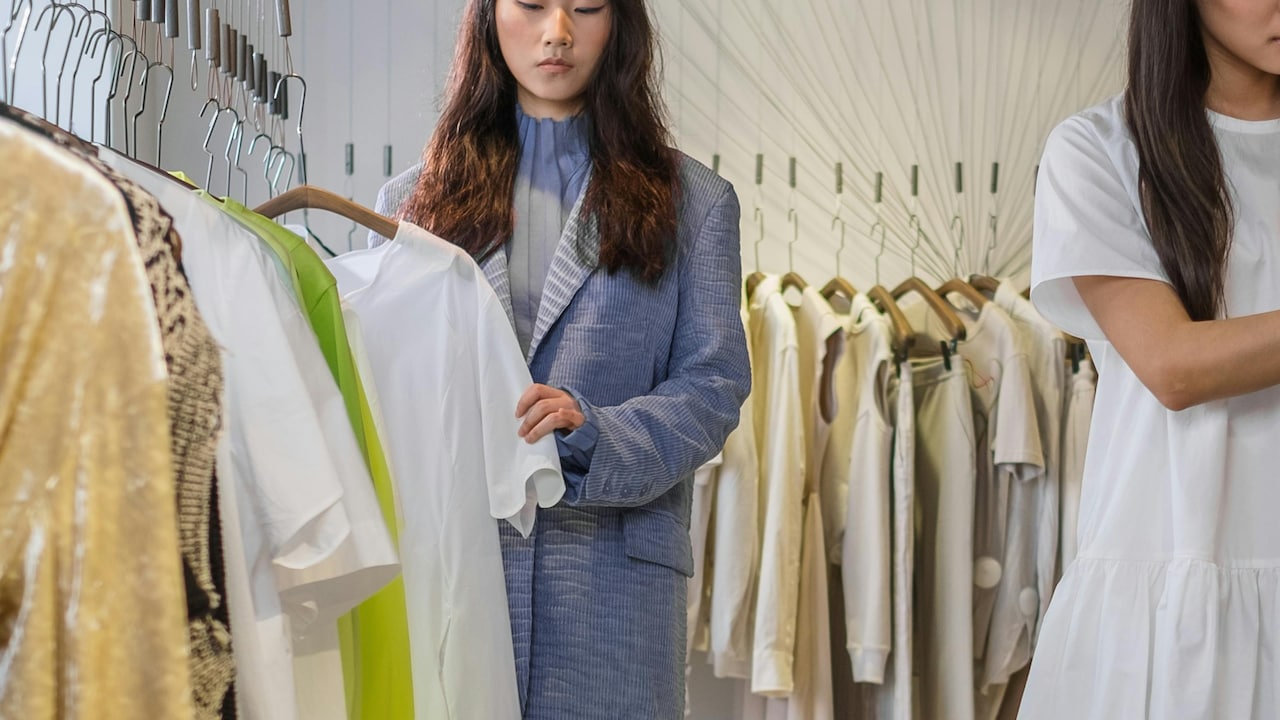
How To Choose A Saree That Doesn't Feel Heavy After 2 Hours
A saree can look stunning at 7 pm and feel exhausting by 9 pm. The secret isn’t endurance but smart choices. Here’s how to pick a saree that stays light, elegant and comfortable long after the first compliments.
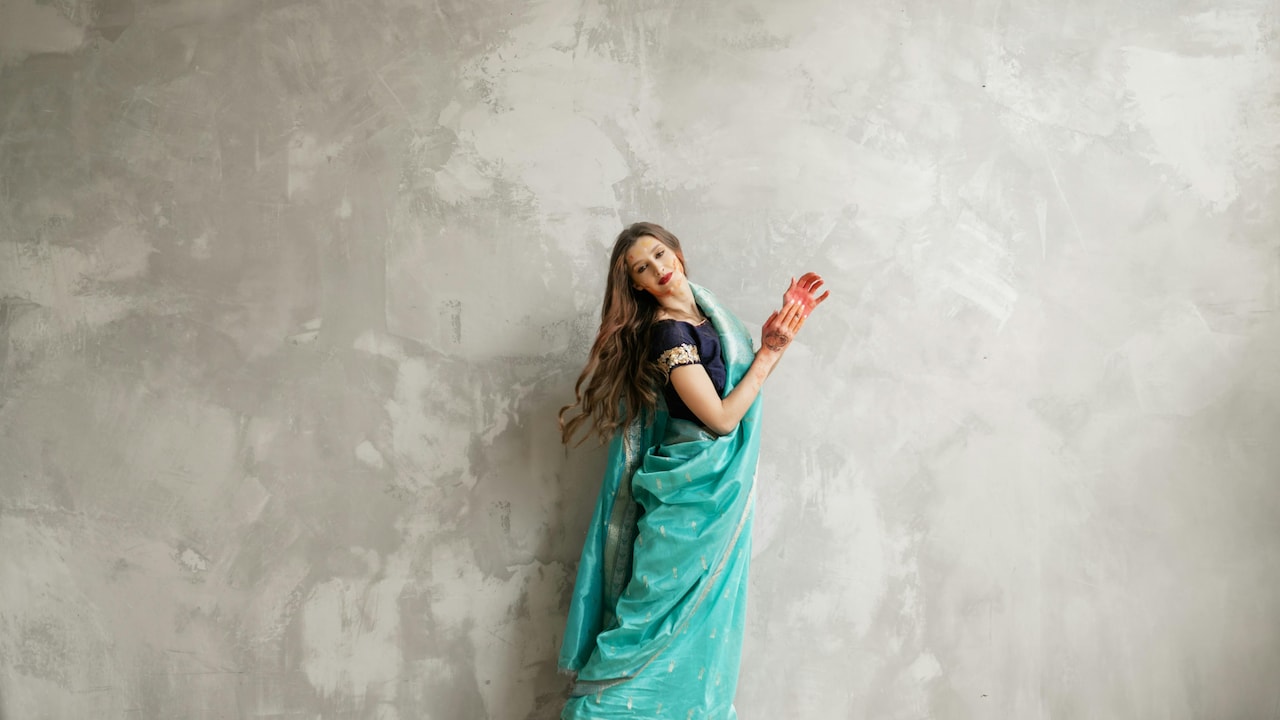
Run, dance, or play in lightweight sarees just pay heed to these buying tips for beginners.
Every festive season brings the same quiet dilemma. The saree looks stunning in the mirror. The zari glints under warm lights. The border feels rich and regal. Yet, two hours into a wedding reception, shoulders ache, pleats loosen, and the graceful drape turns into a constant adjustment exercise.
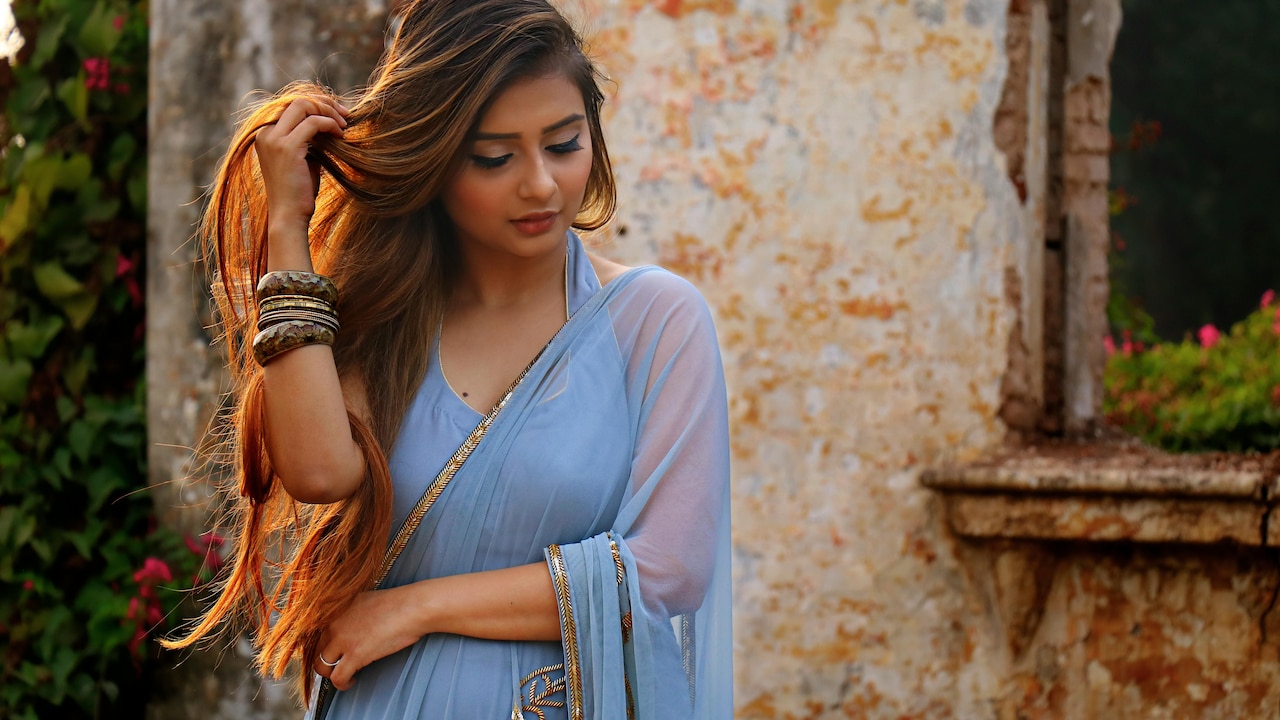
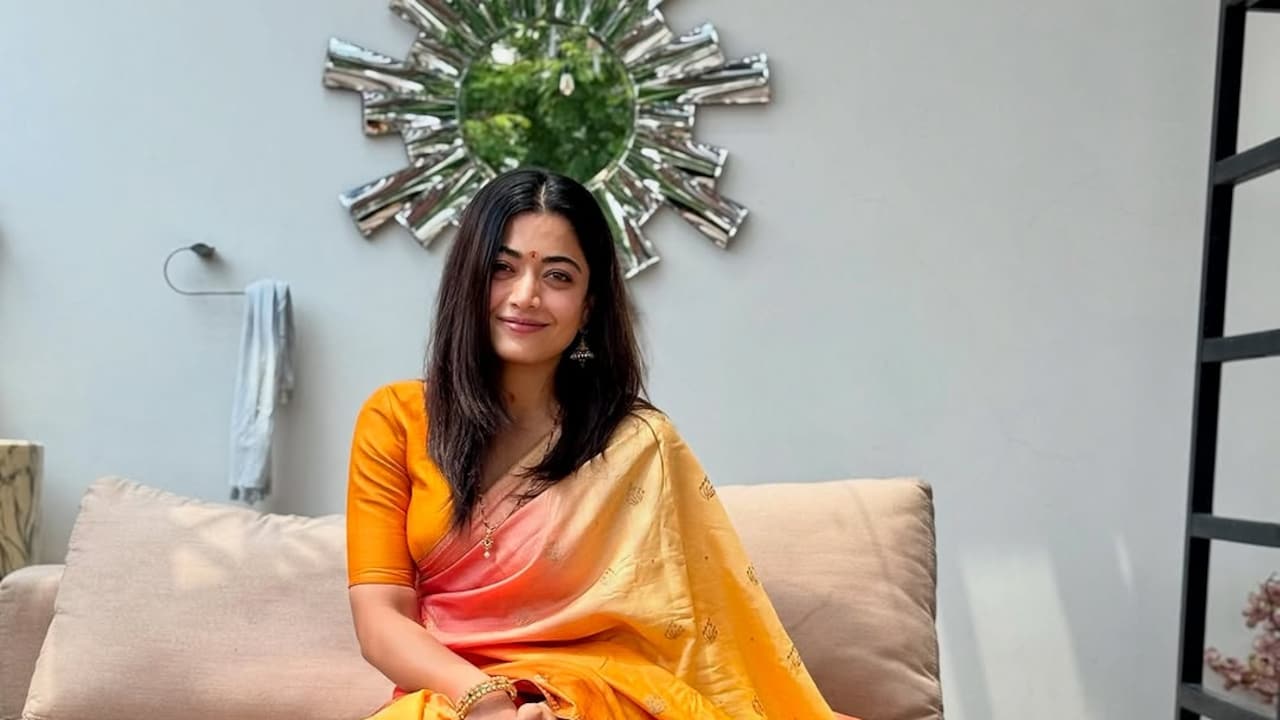
Try these expert tips to find a saree that feels lightweight and not just heaps of fabric; Photo Credit: Pexels
Many assume that discomfort equals grandeur. Heavier must mean grander. Thicker sarees must mean more premium. That belief has led to countless evenings spent counting minutes instead of enjoying music, food and conversations.
A saree should move with the body. It should not feel like a weighted blanket wrapped around the torso. Comfort and elegance can co-exist. The trick lies in knowing what to look for before handing over ₹5,000 or ₹50,000 at the counter.
The following guide breaks down the real factors that determine how a saree feels after two hours on the dance floor. Because no celebration deserves a sore shoulder.
Also Read: Best Lightweight And Breathable Sarees For A Summer Wedding
Choose Fabrics That Breathe, Not Just Shine
Fabric decides almost everything. The wrong fabric can turn even a simple gathering into an endurance test. Heavy brocades and thick silks may look majestic, but they trap heat and add weight. After a couple of hours, the body feels wrapped in insulation.
Lighter options like chiffon, georgette, crepe, organza and soft cotton-silk blends offer movement. They allow air to circulate. They respond to body temperature instead of fighting it. A lightweight silk, such as soft Banarasi, feels far easier than a densely woven bridal version.
Touch the fabric before buying. Scrunch a portion in your palm and release it. If it falls back softly and does not feel stiff, it will likely drape comfortably. Hold it over your forearm for a minute. If warmth builds quickly, imagine wearing it through an evening ceremony.
Shimmer catches attention, but breathability keeps energy alive. A saree that allows ease in movement always wins over one that demands constant awareness.
Pay Attention To The Weave And Density
Two sarees may look identical in colour and design, yet feel entirely different in weight. The difference often lies in the weave. A tight, dense weave packs more threads into every inch. That adds strength but also weight.
Heavily woven zari borders increase pressure on the shoulder. Thick pallu work pulls backwards. When examining a saree, hold it up fully extended. If the border drops sharply or feels stiff, that weight will sit on the collarbone for hours.
Ask the shopkeeper about thread count and weaving style. Handwoven pieces feel airy when done with finesse, while machine-dense patterns can feel rigid. Lighter jacquard designs often provide the visual effect of richness without the extra bulk.
A saree should fold smoothly. If pleats feel bulky even in hand, imagine layering them around the waist. Comfort lies in fluidity. When the weave allows gentle movement, the saree becomes an extension of posture rather than a burden.
Mind The Border And Embellishments
The border often creates the first impression. Wide, ornate borders signal grandeur. Yet, that same grandeur can become heavy around the waist and shoulder. Thick embroidery, stones and mirror work add measurable weight.
Run fingers along the border. If embellishments feel sharp or raised, they may rub against skin. That irritation grows with time. Lightweight thread embroidery offers elegance without discomfort. Subtle sequins stitched sparsely look festive yet stay manageable.
Consider balance. A saree with heavy work on both the border and pallu concentrates the weight at two ends. A simpler border with a statement pallu distributes the load better.
During weddings and festivals, long hours of standing and walking become inevitable. A saree with minimal embellishment feels liberating. The eyes still catch the shimmer, but the body remains relaxed. Sometimes less truly becomes more, especially after dessert and dancing.
Check The Length And Width Before Buying
Standard sarees measure around 5.5 to 6 metres, but variations exist. Extra length may sound luxurious, yet it increases pleat bulk and pallu weight. If height does not require additional fabric, excess material simply adds load.
Unroll the saree fully at the store. Visualise the number of pleats needed. More pleats mean more layers at the waist. That thickness can feel restrictive when sitting.
Width also matters. A wider saree creates a dramatic drape, but it demands stronger tucks. If the fabric feels heavy already, extra width compounds the issue.
Choosing proportions wisely prevents discomfort later. Petite frames often feel overwhelmed by oversized designs. Taller builds can handle more fabric without strain.
The goal lies in harmony. A saree that matches the body proportion naturally distributes weight. That thoughtful selection makes a noticeable difference two hours into the evening.
Blouse Structure Makes Or Breaks Comfort
The blouse carries significant responsibility. A heavy saree paired with a flimsy blouse creates an imbalance. Conversely, a well-structured blouse supports the drape and reduces shoulder strain.
Opt for breathable lining fabrics. Avoid thick padding unless absolutely required. Excess padding traps heat and increases stiffness. Sleeves that fit comfortably allow free arm movement during greetings and rituals.
The neckline affects weight distribution, too. A well-fitted blouse anchors the saree at the shoulder. If the blouse slips or gapes, constant readjustment follows.
Consider adding discreet hooks or inner support loops. These hold the saree in place and reduce pull. Many tailors now offer lightweight inner shoulder supports that prevent fabric from cutting into skin.
Comfort rarely depends on the saree alone. The blouse acts as a foundation. When it fits perfectly, even a moderately heavy saree feels manageable.
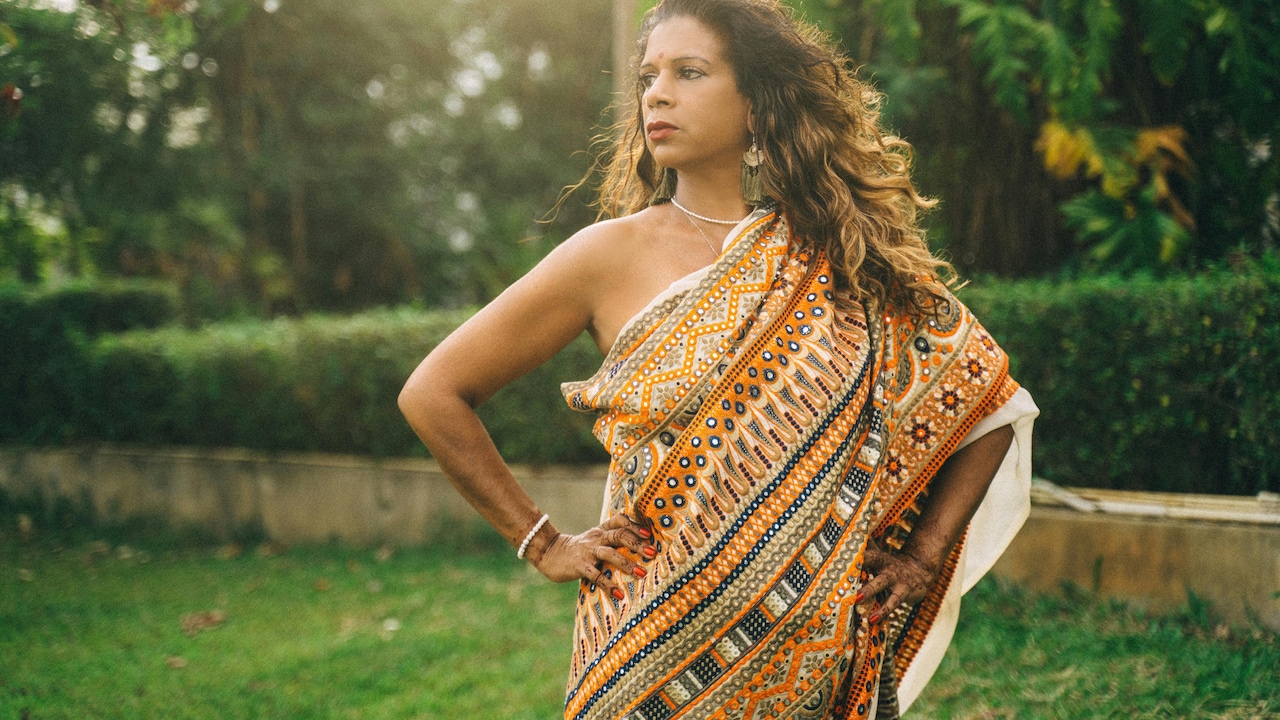
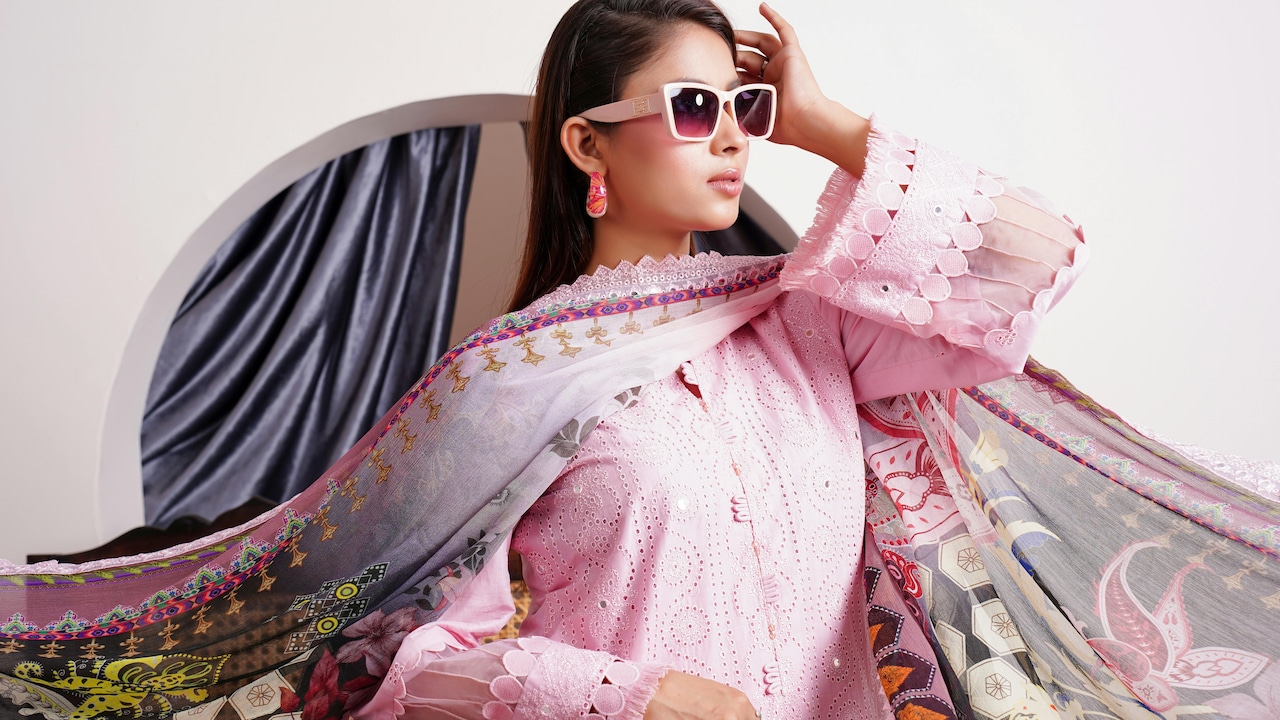
Opt for breathable lining fabrics and avoid thick padding in blouses to feel comfortable; Photo Credit: Pexels
Drape Style Changes Everything
Draping style influences how weight spreads across the body. The classic Nivi style works well for most fabrics, but experimentation helps when weight becomes an issue.
A narrower pleat arrangement reduces waist bulk. Securing pleats firmly prevents them from expanding and feeling heavier. A pinned pallu distributes weight more evenly rather than letting it drag.
For lighter sarees, a free-flowing pallu feels graceful. For heavier fabrics, a neatly pleated pallu secured at the shoulder reduces downward pull.
Practise draping before the event day. Adjust pleat count and pallu length. Sometimes, reducing the pallu length by a few inches transforms comfort levels.
A thoughtfully draped saree feels secure. It moves confidently without constant checking. That freedom enhances posture and presence far more than elaborate styling alone.
Consider The Occasion And Duration
A saree for a two-hour pooja differs from one worn at a day-long wedding. Many choose elaborate designs for short appearances and regret them when events stretch longer than planned.
Day functions demand breathable fabrics and lighter hues. Evening receptions allow slightly heavier textures but still require mobility. If dancing forms part of the celebration, prioritise flexibility.
Think about seating arrangements. Floor seating requires ease at the waist. Buffet dinners involve movement through crowds. Climate also plays a role. Humid weather magnifies discomfort.
Matching the saree weight to the occasion duration prevents regret. A lightweight georgette for a summer wedding at ₹3,000 may deliver more satisfaction than a ₹25,000 brocade worn uncomfortably.
Practical thinking never reduces elegance. Instead, it ensures genuine enjoyment of the celebration rather than silent endurance.
Test Movement Before Finalising
Many try on a saree, admire the mirror view, and decide instantly. Rarely does anyone walk around the shop or sit down to test comfort.
Move around when draped. Sit, stand and take a few steps. Lift arms slightly as if greeting someone. Notice whether the saree pulls or shifts excessively.
Observe shoulder sensation. Even five minutes reveal whether the border presses uncomfortably. If weight feels noticeable in a short trial, imagine two hours.
Some boutiques allow trial draping with proper pinning. Take advantage of that service. It provides clarity beyond appearance alone.
Comfort becomes evident through movement. A saree should feel secure without constant awareness. When movement feels natural, confidence follows effortlessly.
Choose Colours And Finishes Wisely
Dark colours often hide heavy textures. Deep maroons, emerald greens and royal blues sometimes come with dense weaving and heavier dyeing processes. Lighter shades often accompany lighter fabrics.
Matte finishes feel softer and lighter compared to glossy, heavily polished surfaces. Excessive metallic sheen usually indicates additional coating or dense zari.
Subtle prints and minimalistic patterns provide visual depth without added weight. Digital prints on chiffon or crepe feel almost weightless while maintaining festive charm.
Colour also influences mood. Lighter tones create a breezy presence, especially during daytime functions. When the saree feels light visually, it often feels light physically too.
A harmonious balance between aesthetics and practicality ensures satisfaction beyond the first photograph.
Invest In Quality Over Sheer Grandeur
Price does not always reflect comfort. A ₹8,000 saree made from premium lightweight silk can feel better than a ₹40,000 heavily embellished piece.
Examine stitching, edging and finishing. Poor finishing adds stiffness. High-quality craftsmanship focuses on form and fluidity.
Trusted weavers and boutique designers often specialise in comfort-driven designs. Their sarees prioritise wearability without compromising elegance.
Avoid buying solely for the trend. Social media often highlights dramatic drapes and heavy embellishments. Real-life events demand stamina and ease.
A carefully chosen saree becomes a repeat favourite. It emerges from the wardrobe year after year. That longevity provides true value.
When comfort meets craftsmanship, confidence radiates naturally.
Products Related To This Article
1. Divastri Printed Daily Wear Tussar Silk Saree
2. Yashika Printed Assam Silk Art Saree
3. Anuttara Printed Bhagalpuri Cotton Silk Saree
4. Signagraph Woven Banarasi Pure Silk Satin Saree
5. Prisha Floral Print Bollywood Organza Saree
A saree holds emotion, heritage and celebration within its folds. It frames milestones, rituals and joyful gatherings. Yet, beauty should never demand silent discomfort.
Choosing breathable fabrics, balanced borders, thoughtful draping and supportive blouses transforms the entire experience. Movement becomes effortless. Smiles remain genuine. Conversations flow without distraction.
Two hours into the event, the difference shows. Instead of adjusting pleats or massaging shoulders, attention stays on laughter, music and shared memories.
Elegance does not lie in heaviness. It lies in ease. A saree that feels light allows presence to shine brighter than any zari ever could.
The next time a dazzling design tempts from across the store, pause and imagine the second hour, not just the first glance. Comfort always makes the most lasting impression.
(Disclaimer: This article may include references to or features of products and services made available through affiliate marketing campaigns. NDTV Convergence Limited (“NDTV”) strives to maintain editorial independence while participating in such campaigns. NDTV does not assume responsibility for the performance or claims of any featured products or services.)