Why Stretch Jeans Start Sagging And Simple Ways To Keep Them Fitting Perfectly
Stretch jeans sag because elastic fibres weaken with heat, overwashing, and daily wear. Learn simple washing, drying, and fit tips to keep your jeans snug, sharp, and comfortable for longer.
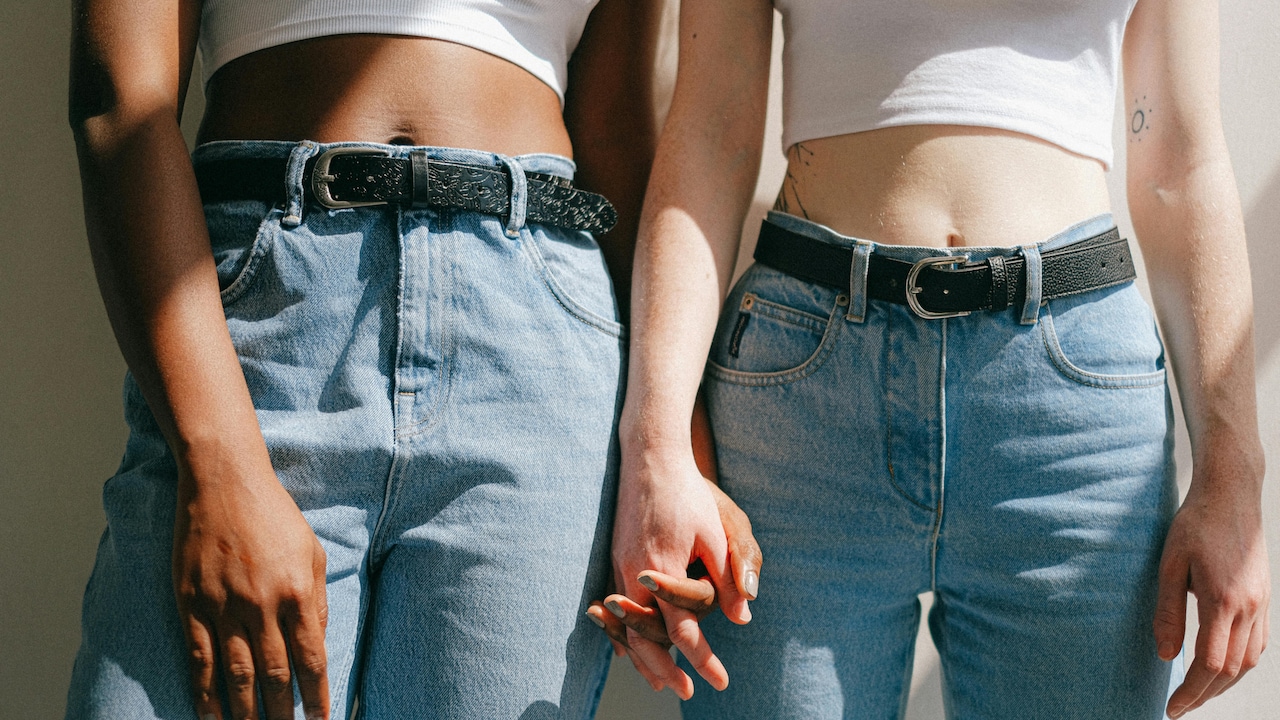
Here's how you can fix stretch jeans from looking saggy.
Stretch jeans have become the unofficial uniform for modern life. They work for office days, long commutes, café meet-ups, family functions, and that quick dash to the supermarket where one always runs into someone from school. They feel forgiving, move easily, and look neat with minimal effort. Basically, stretch jeans are the “sorted” option. Then comes the betrayal.
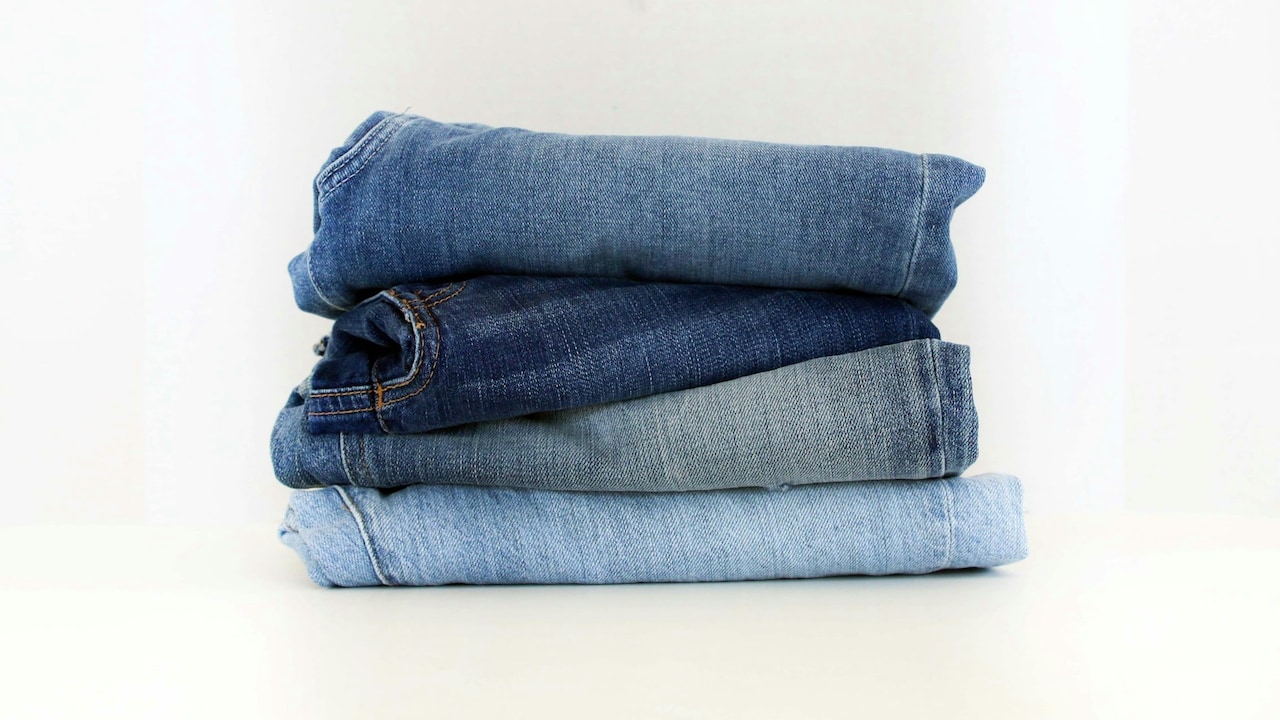
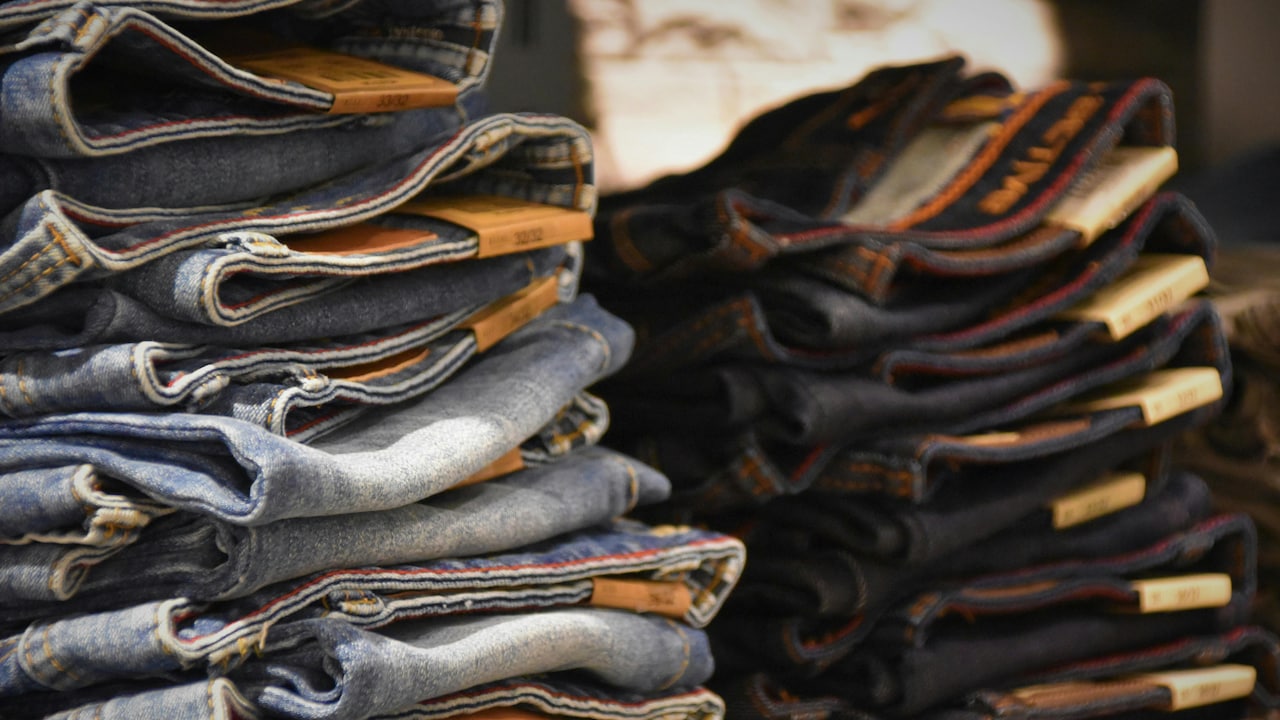
Learn quick and easy ways to fix stretch denims that keep sagging; Photo Credit: Unsplash
A pair of jeans that fits perfectly in the morning can start sliding down by evening. The knees begin to look like they've been through a wrestling match. The seat sags. The waistband loosens. And suddenly, there's a constant urge to pull them up every few steps like a person starring in a low-budget dance video.
This isn't just annoying. It's also confusing. After all, stretch jeans are supposed to stretch, so why do they stop bouncing back?
The answer sits inside the fabric itself. Stretch denim is a clever blend of cotton with elastic fibres like elastane. It gives comfort and shape, but it also has limits. Over time, those elastic fibres lose their spring. The jeans begin to behave like a tired rubber band: still present, but not doing much.
The good news is that sagging can be slowed down a lot. A few simple changes, washing less, drying smarter, storing properly, and choosing better blends, can keep stretch jeans fitting like they should.
Also Read: The Comeback Classic Of High-Rise Jeans For Women That Never Go Out of Style
Why Do Stretch Jeans Get Baggy? Causes + Simple Fixes That Work
1) The Fabric Has Elastic, But Elastic Gets Tired
Stretch jeans sag for the same reason an old hair tie stops holding a ponytail. The elastic fibres inside the denim are designed to stretch and return to shape, but they can only do that so many times before they lose strength. Every time the jeans bend at the knee, sit through a long commute, or twist during daily movement, the fibres work hard. That's fine at first, but over weeks and months, the elastic begins to weaken.
This is why a brand-new pair feels firm and supportive, while an older pair feels softer, looser, and slightly “lazy”. It's not always poor quality. It's often normal wear and tear.
The problem gets worse when the jeans are very tight. A pair that feels like it was stitched directly onto the body might look great for an hour, but the fabric stays under constant tension. That tension speeds up fatigue in the stretch fibres. The result is a pair that looks brilliant for a short time and then starts sagging quickly.
The best way to slow this down is to avoid ultra-tight fits and give the fabric breathing room. Stretch works best when it isn't fighting for survival.
2) Overwashing Breaks Down Stretch Faster Than People Realise
Jeans don't need frequent washing, but stretch jeans often get washed like everyday T-shirts. That's where the trouble starts. Every wash cycle creates friction. The fabric rubs against itself, the drum, and other clothes. This friction slowly weakens the elastane threads. Add detergent, spinning, and water movement, and the jeans get a full workout, without signing up for it.
Washing also strips the fabric of its natural structure. Stretch denim relies on a balance: cotton for body, elastane for flexibility. When washed too often, the cotton softens more than intended and the stretch loses its snap. That “freshly washed softness” can feel nice, but it often comes with a looser fit by the end of the day.
A simple fix is washing less often and airing more. If the jeans aren't stained, they usually don't need a full wash. Hanging them in a breezy spot for a few hours can remove odours surprisingly well. Another helpful habit is spot-cleaning small marks instead of throwing the whole pair into the machine.
Less washing means less fibre damage. And that means jeans that keep their shape longer.
3) Heat Is The Silent Villain Behind The Sag
Heat is one of the fastest ways to damage elastic fibres. It doesn't always show up immediately, which makes it sneaky. The jeans might look fine after a hot wash or a few rounds in a dryer, but the elastane inside is slowly losing its ability to bounce back.
Hot water relaxes fibres too much. High heat in drying can weaken elastane permanently. Even ironing stretch jeans at a high setting can flatten the fabric's structure and reduce recovery. In short, heat makes stretch denim behave like it has given up.
This becomes especially relevant in daily life because many people use quick wash cycles, warm water, and strong drying methods when they are busy. It feels efficient, but the jeans pay the price.
Cool water washing is one of the easiest ways to protect stretch denim. Gentle cycles help too. Drying in shade instead of direct sun also makes a difference, because harsh sunlight adds heat stress and can stiffen the fabric unevenly. Stretch denim thrives in a low-drama environment. Cool, calm, and gentle is the winning formula.
4) Sitting For Hours Stretches The Knees And Seat
Stretch jeans don't sag only because of washing. They also sag because of how they are worn. Sitting for long hours stretches the fabric at the knees, hips, and seat. Over time, those areas begin to hold the stretched shape. That's why the knees start puffing out and the seat begins to look droopy.
This is especially common with long commutes, desk jobs, and long stretches of sitting at home. The fabric stays bent and stretched for hours at a time. The elastane tries to recover, but it can't fully bounce back once fatigue sets in.
A small but effective trick is rotating jeans instead of wearing the same pair on consecutive days. Stretch fibres recover better when they get time to rest. Wearing the same pair daily is like asking one person to do all the work in a group project. Eventually, that person burns out, and the project collapses.
Another helpful habit is changing out of jeans once home, especially after a long day. Giving the jeans a break helps the fabric reset and keeps them looking sharper.
5) Too Much Elastane Can Actually Make Things Worse
This sounds backwards, but it's true. Many people assume more stretch means better jeans. In reality, a very high elastane percentage can make jeans more prone to sagging. A pair with excessive stretch often feels extremely comfortable at first, but it can lose structure quickly. It starts behaving more like leggings than denim.
Denim needs a backbone. Cotton provides that, and a small amount of elastane adds flexibility. When elastane dominates, the jeans may not have enough structure to hold shape throughout the day. The fabric stretches easily, but it doesn't recover well.
For everyday wear, a moderate stretch blend usually performs better. A pair that feels supportive and slightly firm at first often ages more gracefully than one that feels buttery-soft from day one. Softness is tempting, but structure is what keeps jeans looking neat.
When shopping, checking the fabric blend helps. Jeans with a sensible balance tend to sag less, last longer, and look more polished even after months of use.
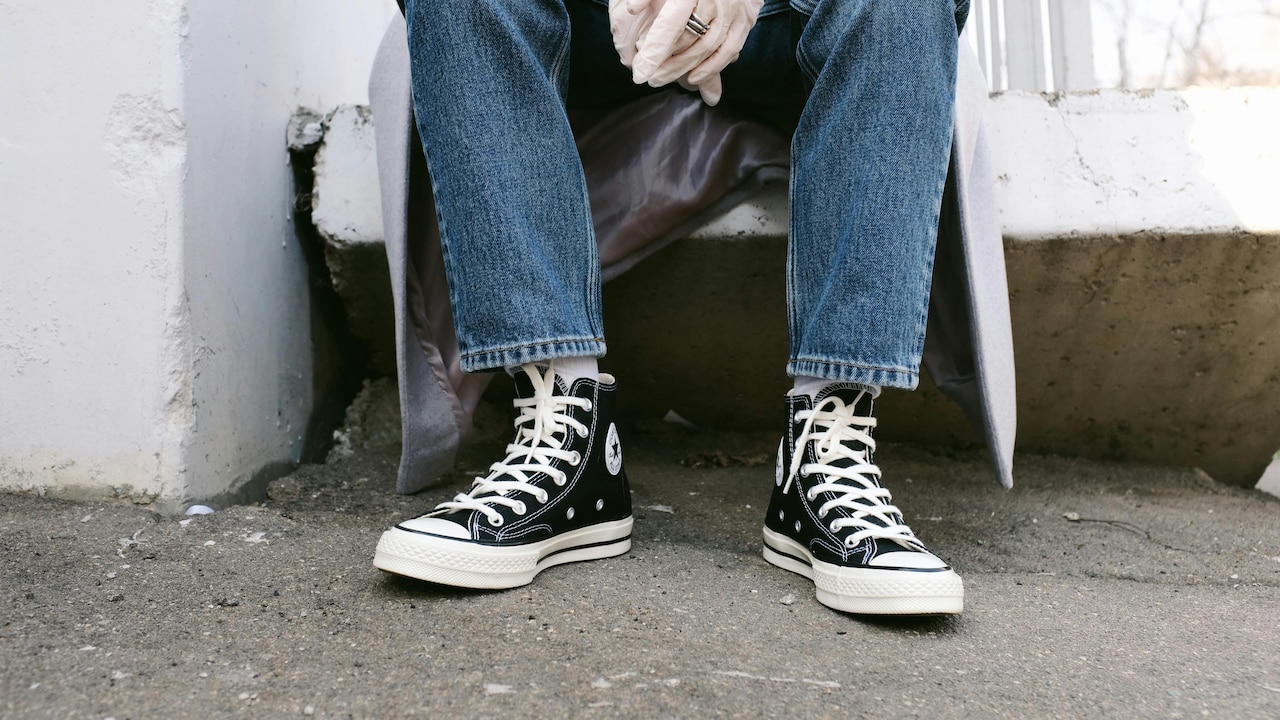
Avoid jeans with a high elastane percentage as it can make jeans more prone to sagging; Photo Credit: Pexels
6) Fabric Quality And Weave Make A Bigger Difference Than Branding
Sagging is often blamed on “bad jeans”, but the truth is more specific. The weave and fabric quality matter more than the label. Some stretch denims are made with better yarns, tighter weaving, and stronger recovery. Others are made to feel comfortable immediately, but they sacrifice long-term shape.
A looser weave tends to stretch out faster. Softer, thinner denim often sags sooner, especially at stress points like the knees and waistband. On the other hand, a slightly heavier denim with a tighter weave holds shape better, even with stretch.
This is why two pairs with the same elastane percentage can behave completely differently. One stays sharp for years, while the other turns into a baggy disappointment after a few months.
A practical way to judge quality in-store is the “pinch test”. Pinch the fabric and stretch it gently. Then release it. If it snaps back quickly and feels firm, recovery is likely decent. If it stays loose and feels overly soft, sagging may show up sooner.
Good denim doesn't have to be expensive, but it does need structure.
7) Wrong Size Choices Cause Faster Stretching
Many people buy stretch jeans slightly tight, expecting them to “settle”. This sometimes works, but it often backfires. Jeans that are too tight put constant pressure on seams and fibres. That pressure forces the fabric to stretch more than it should, and it stretches unevenly. The waistband becomes loose, the knees bulge, and the fit becomes awkward.
On the flip side, buying jeans too loose is also a recipe for sagging. A loose waistband slides down, the fabric folds, and those folds stretch and distort the shape. The jeans end up looking sloppy even if they are technically comfortable.
The sweet spot is a fit that feels snug but not restrictive. The waistband should sit firmly without digging in. The thighs should allow movement without strain. A good pair should feel supportive when standing and still comfortable when sitting.
Trying jeans on later in the day can help too. Bodies naturally change slightly over the day, and denim relaxes with warmth. A pair that fits perfectly in the morning might feel too tight by evening, which often leads to poor sizing decisions.
8) Drying And Hanging Habits Can Stretch Them Out
How jeans are dried matters more than most people think. Hanging wet stretch jeans by the waistband can pull them out of shape. Water makes fabric heavier, and gravity does the rest. Over time, the waistband can loosen and the length can stretch slightly too.
Drying in direct sunlight can also stiffen the cotton while weakening elastane through heat exposure. It's a strange combination: the jeans feel rougher, yet the fit becomes looser.
A better method is to dry jeans flat on a towel or hang them by the thighs using clips. This reduces stress on the waistband and helps the fabric dry evenly. Shade drying is also kinder to stretch fibres and helps the colour last longer.
Another important point: dryers are harsh on stretch denim. The tumbling and heat accelerate fibre fatigue. If a dryer must be used, the lowest heat setting is the safest option, but air drying remains the best choice.
Drying isn't just about removing water. It's about protecting the jeans' structure while doing it.
9) Washing Inside Out And Using Gentle Detergent Helps More Than Expected
Small washing habits can significantly slow sagging. Turning jeans inside out reduces surface friction and protects the outer weave. It also helps preserve colour, which is a nice bonus. Washing with a mild detergent matters too. Harsh detergents break down fibres and can strip the fabric faster than needed.
Another common mistake is using too much detergent. Extra detergent doesn't mean extra cleaning. It often means more residue, more fibre stress, and more stiffness. Stretch denim doesn't need aggressive treatment unless there is a real stain.
Using fabric softener is also a tricky one. It can make jeans feel softer, but it often coats fibres and affects recovery. Over time, softeners can contribute to that “limp” feel where jeans lose their supportive structure.
A gentle cycle, cold water, mild detergent, and no softener is a simple combination that keeps stretch jeans in better condition. It sounds boring, but boring is exactly what stretch denim needs. Drama belongs in TV serials, not laundry routines.
10) Simple Rescue Tricks Can Bring Back Shape Temporarily
Once stretch jeans start sagging, they rarely return to their original fit permanently. That's the honest truth. Elastane fatigue is real, and it doesn't fully reverse. However, there are a few simple tricks that can improve the fit for a while.
A cold rinse and air dry can help the cotton tighten slightly, making the jeans feel firmer. Some people use a short tumble on low heat to “reset” shape, but this is risky and should be occasional. Another trick is steaming the jeans lightly, which can help fibres settle without harsh washing.
Tailoring is another practical option. If the waistband has become loose but the legs still fit well, a small alteration can make the jeans wearable again. It often costs far less than buying a new pair. Many local tailors can adjust the waist neatly, and it can extend the life of the jeans by months.
The most effective long-term rescue, though, is prevention. Rotating pairs, washing less, avoiding heat, and drying properly will keep the fit closer to perfect for much longer.
Products Related To This Article
1. Basics By Tokyo Talkies Women Flared Clean Look Stretchable Jeans
2. Glitchez Women Faded Baggy Jeans
3. Chemistry Women Pure Cotton Wide Leg Light Fade Jeans
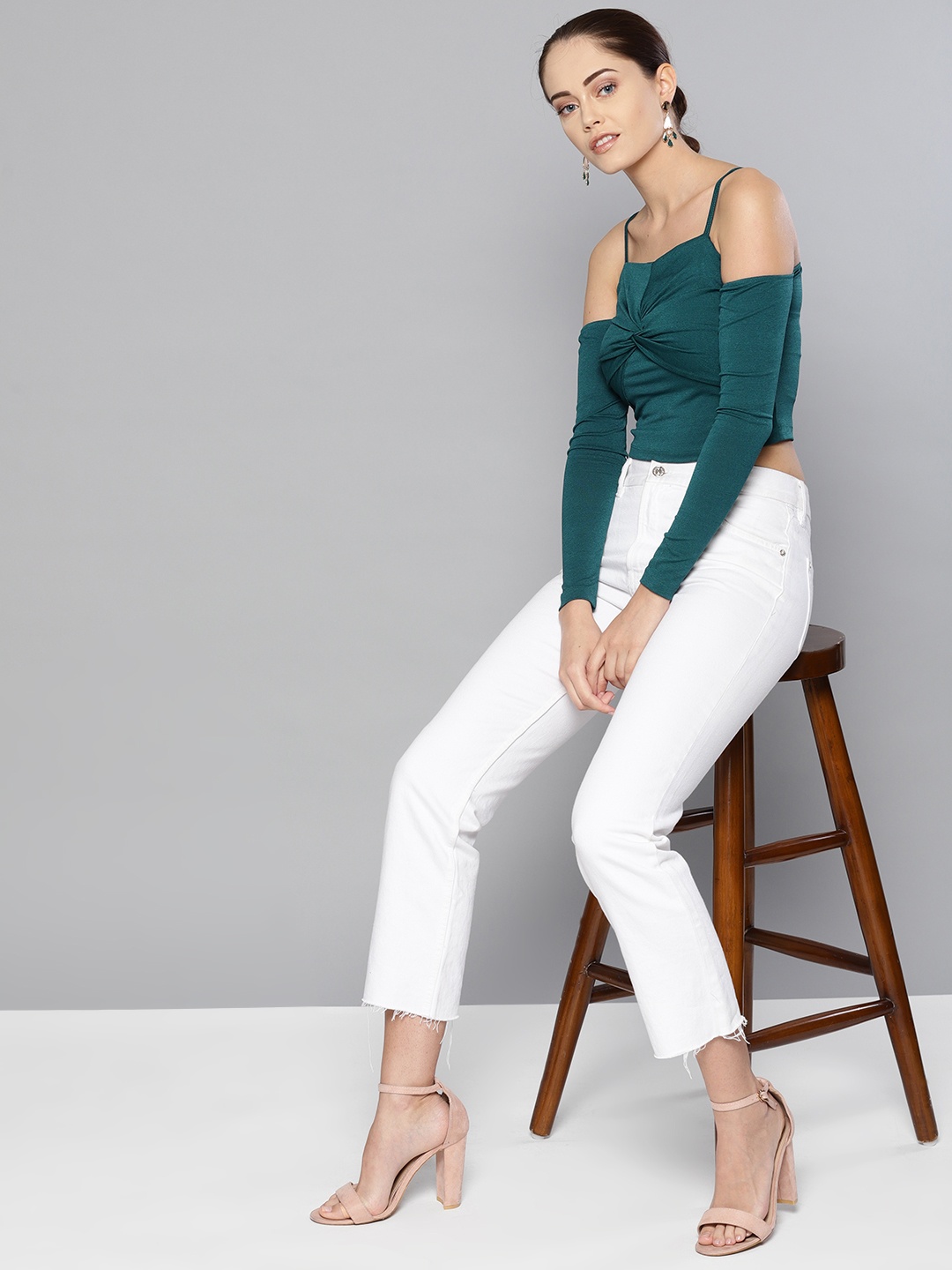
4. Stylecast X Kotty Women Jean Straight Fit High-Rise Stretchable Jeans
5. H&M Women Flared High Jeans
Stretch jeans are one of life's great comforts, but they come with a quiet rule: treat them gently, and they'll stay loyal. Sagging isn't a mystery or a curse. It's usually the result of tired elastic fibres, too much heat, overwashing, and everyday wear that slowly pulls the fabric out of shape.
The fix doesn't require fancy products or expensive hacks. It comes down to smarter washing, cooler temperatures, kinder drying, and choosing a fit that supports the body instead of fighting it. A little rotation and care goes a long way too.
Because the goal isn't just to own stretch jeans. It's to own stretch jeans that still look sharp at 8 pm, not ones that make people spend the evening tugging at their waistband like they're trying to start a lawnmower.
With a few simple habits, stretch denim can stay snug, flattering, and comfortable, just the way it was meant to be.
(Disclaimer: This article may include references to or features of products and services made available through affiliate marketing campaigns. NDTV Convergence Limited (“NDTV”) strives to maintain editorial independence while participating in such campaigns. NDTV does not assume responsibility for the performance or claims of any featured products or services.)