Why Structured Leather Belts Outlast Fast Fashion Accessories
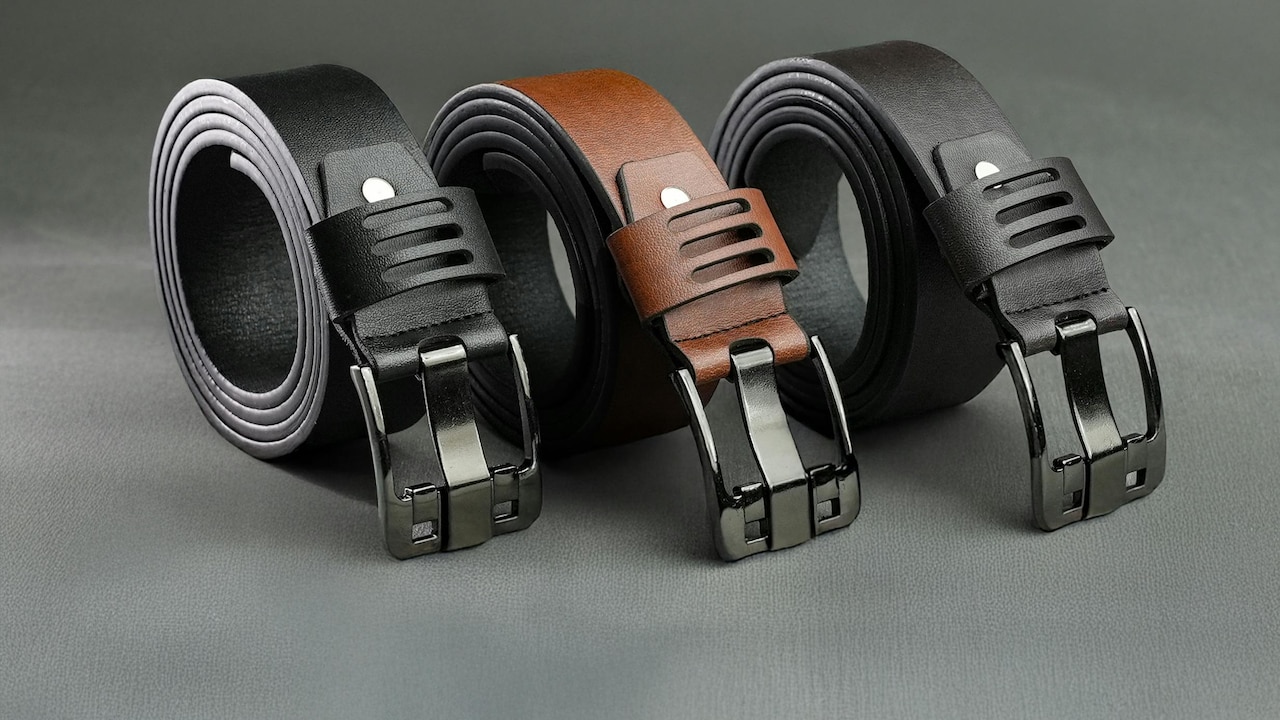
Structured leather belts offer durability, timeless style, and long-term value. Unlike fast fashion accessories that wear out quickly, a well-crafted leather belt ages gracefully and remains a reliable wardrobe staple for years.
Why Structured Leather Belts Outlast Fast Fashion Accessories
Walk through any market lane or shopping mall, and rows of accessories appear almost identical. Belts made of synthetic material, flashy buckles, and bold designs crowd the shelves. Many cost less than a plate of street-side chaat. At first glance, they seem like a bargain.
Yet after a few months, the shine fades. The buckle loosens. The material cracks. Suddenly, the bargain looks less impressive.
Structured leather belts tell a different story. They do not scream for attention, yet they quietly earn respect. A good belt holds baggy trousers neatly, completes an outfit, and lasts through years of daily use. Many wardrobes still contain belts bought during college days that continue to serve faithfully today.
Fashion evolves, but durability never loses relevance. Structured leather belts offer something rare in modern retail: longevity. While fast fashion accessories chase trends, leather belts remain rooted in craftsmanship, reliability, and understated style.
Understanding why these belts endure reveals much about quality, consumer habits, and the quiet power of investing in well-made essentials.
Why Structured Leather Belts Outlast Fast Fashion Accessories; Photo Credit: Pexels
The Real Reasons Structured Leather Belts Outlast Fast Fashion Accessories
Craftsmanship That Stands The Test Of Time
A structured leather belt begins its life long before it reaches a shop counter. Skilled hands select sturdy hides, cut them with precision, and shape them carefully. Each step demands patience.
Fast fashion accessories rarely follow such a process. Factories mass-produce them at high speed. Synthetic materials replace natural ones, and adhesive replaces stitching. The result looks acceptable for a short time, but rarely survives long use.
Leather belts rely on structure. Thick layers maintain shape even after years of bending and pulling. Solid stitching keeps the belt intact even when worn daily with heavy trousers or denim.
Craftsmanship adds another layer of reliability. A well-crafted belt distributes tension evenly across the strap. That design prevents stretching and cracking.
Anyone who has watched a local cobbler repair leather goods understands the difference immediately. Leather responds well to care and repair, while synthetic belts often crumble beyond saving.
Quality craftsmanship may increase the price slightly, yet the long-term value often proves greater. A ₹1,200 structured leather belt that lasts eight years easily beats four ₹400 synthetic belts that fail every season.
Materials That Age Gracefully
Time treats materials differently. Synthetic belts usually grow tired quickly. The surface peels, colours fade, and the buckle coating chips away.
Leather behaves in another way entirely.
Instead of deteriorating rapidly, leather develops character. The surface forms a soft sheen known as patina. Slight marks appear, yet they add charm rather than damage. Many people appreciate the lived-in look.
This graceful ageing explains why leather goods often remain treasured items. Wallets, shoes, and belts often accompany their owners for years. They adapt to everyday life.
Climate conditions also favour leather. Heat, humidity, and dust test accessories every day. Synthetic belts react poorly to such environments. Leather, however, breathes naturally and adjusts better.
A structured leather belt worn during daily commutes, office hours, and occasional celebrations gradually becomes more comfortable. It moulds gently to the wearer's shape.
That quiet transformation turns an accessory into something familiar. Rather than discarding it each year, the belt grows more reliable with time.
Also Read: 7 Best Minimal Belts Under ₹600: Affordable Picks That Look Expensive
Design That Balances Style And Function
Fast fashion thrives on attention. Bright colours, oversized buckles, and unusual patterns attract shoppers instantly. Yet such designs rarely survive changing trends.
Structured leather belts follow a different philosophy.
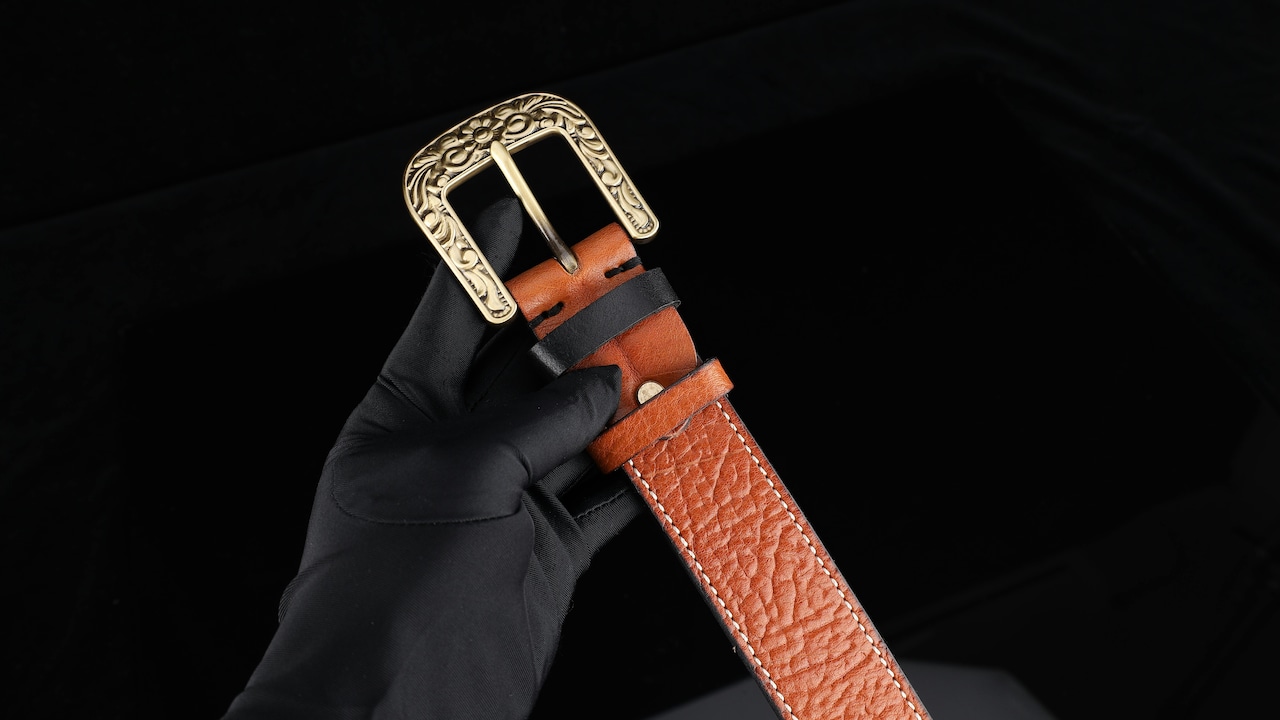
Their design focuses on balance. Clean lines, subtle textures, and classic buckles complement almost any outfit. That simplicity ensures versatility.
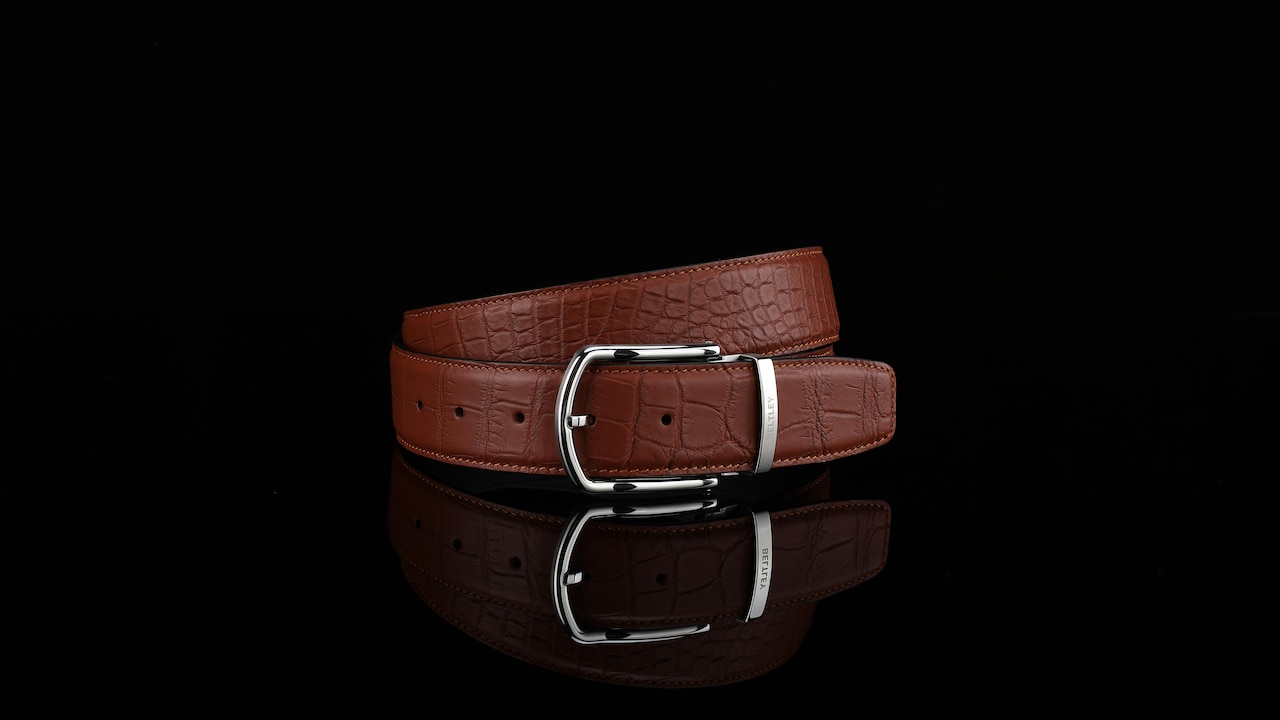
A dark brown leather belt works equally well with office trousers, wedding attire, or weekend denim. Instead of demanding attention, it quietly enhances the overall look.
Designers understand this principle well. The best belts combine durability with understated elegance. The structure maintains shape, while neutral colours support a wide range of clothing styles.
This adaptability reduces the need for constant replacement. One reliable belt serves multiple purposes.
Fast fashion accessories often lose appeal once trends shift. A structured leather belt rarely suffers that fate. Its design sits comfortably outside temporary fashion cycles.
As a result, the belt remains relevant across seasons and occasions.
Why Structured Leather Belts Outlast Fast Fashion Accessories; Photo Credit: Pexels
Durability That Reduces Long-Term Spending
Price tags often mislead shoppers. A cheap accessory appears attractive at first glance. Yet frequent replacement slowly increases the total cost.
Structured leather belts challenge that cycle.
A durable belt purchased for ₹1,500 might last several years with minimal care. Compare that with buying a ₹300 synthetic belt every six months. Over time, the difference becomes obvious.
Durability creates economic sense. Reliable materials resist tearing, stretching, and cracking. Solid buckles stay firmly attached.
Household budgets often benefit from such choices. Instead of repeating small purchases, a single well-made item delivers long service.
This approach also encourages thoughtful shopping habits. Consumers begin to evaluate quality rather than chasing constant novelty.
Accessories that last longer shift focus from quantity to value.
A structured leather belt, therefore, represents more than fashion. It reflects sensible spending and long-term thinking.
Sustainability Beyond Seasonal Trends
The conversation around sustainability grows louder every year. Fast fashion contributes significantly to waste. Accessories often enter landfills within months of purchase.
Structured leather belts create less waste simply because they last longer.
Longevity reduces consumption. Fewer replacements mean fewer discarded items. That principle plays a quiet but important role in reducing environmental pressure.
Leather products also allow repair. Local cobblers frequently restore belts with new buckles or reinforced stitching. Such small repairs extend life significantly.
Fast fashion accessories rarely permit such fixes. Once damaged, they often end their journey in rubbish bins.
Choosing durable items, therefore, supports more responsible consumption.
Even small wardrobe decisions matter. A single long-lasting belt prevents multiple replacements over time.
Sustainability does not always require dramatic lifestyle changes. Sometimes it begins with choosing accessories designed to endure.
Emotional Attachment To Reliable Wardrobe Pieces
Clothing often carries memories. A jacket worn during college days or shoes bought for the first job often hold sentimental value.
Belts may appear ordinary, yet they share that emotional connection.
A dependable leather belt accompanies countless everyday moments. Morning commutes, family celebrations, office meetings, and weekend outings all leave subtle impressions.
Over time, the belt becomes familiar. The slight crease near the buckle and the soft curve along the strap remind the wearer of years gone by.
Fast fashion accessories rarely survive long enough to build such connections.
Durability, therefore, creates emotional depth. A belt that lasts several years quietly becomes part of daily life.
That emotional layer explains why many people hesitate to replace an old leather belt even when shopping for new clothes.
Reliability fosters attachment. And attachment transforms an accessory into something meaningful.
Versatility Across Generations
Fashion often divides generations. Younger shoppers chase trends while older shoppers favour practicality.
Structured leather belts bridge that gap beautifully.
Their design suits formal attire as well as casual clothing. A belt worn by a college student pairs comfortably with jeans and a crisp shirt. The same belt works equally well with tailored trousers.
Families often pass leather accessories between generations. Older belts sometimes reappear in younger wardrobes, bringing vintage charm along the way.
This cross-generational appeal strengthens their longevity.
Fast fashion accessories rarely travel such distances. Their designs age quickly, and materials fail sooner.
Leather belts, however, remain adaptable. Their simplicity allows them to move easily between styles and age groups.
Versatility, therefore, extends their life not only in physical terms but also in cultural relevance.
Why Structured Leather Belts Outlast Fast Fashion Accessories; Photo Credit: Pexels
The Quiet Authority Of Classic Style
Some accessories shout loudly for attention. Others command respect quietly.
Structured leather belts belong firmly in the second category.
Their presence rarely dominates an outfit, yet their absence often becomes noticeable. A well-fitted belt sharpens the overall appearance instantly.
Classic style carries a certain authority. It communicates reliability and confidence without exaggeration.
This subtle power explains why leather belts appear consistently in professional wardrobes. They add polish without distracting from the clothing itself.
Trends may introduce unusual belt shapes or bright colours, yet classic designs continue to dominate formal settings.
The structured leather belt, therefore, functions as a quiet style anchor. It keeps outfits grounded even when other elements experiment with fashion.
Such reliability keeps the accessory relevant decade after decade.
Comfort That Improves With Wear
Comfort often decides whether an accessory stays or disappears from a wardrobe.
Synthetic belts usually feel stiff initially and weaken later. Their structure deteriorates quickly, which leads to awkward creasing.
Leather behaves differently.
A structured leather belt gradually adapts to movement. It softens slightly while maintaining strength. The strap curves naturally around the waist.
This balance between flexibility and firmness improves comfort during long hours of wear.
Office workers who spend entire days seated notice the difference clearly. A leather belt remains supportive without digging into the waist.
Even during travel or long commutes, the belt maintains its shape while staying comfortable.
That evolving comfort encourages continued use. Instead of replacing it, people grow accustomed to it.
The belt becomes dependable in both appearance and feel.
A Symbol Of Thoughtful Buying
Modern shopping often celebrates impulse. Discounts, flash sales, and new trends tempt buyers constantly.
Structured leather belts represent a different mindset.
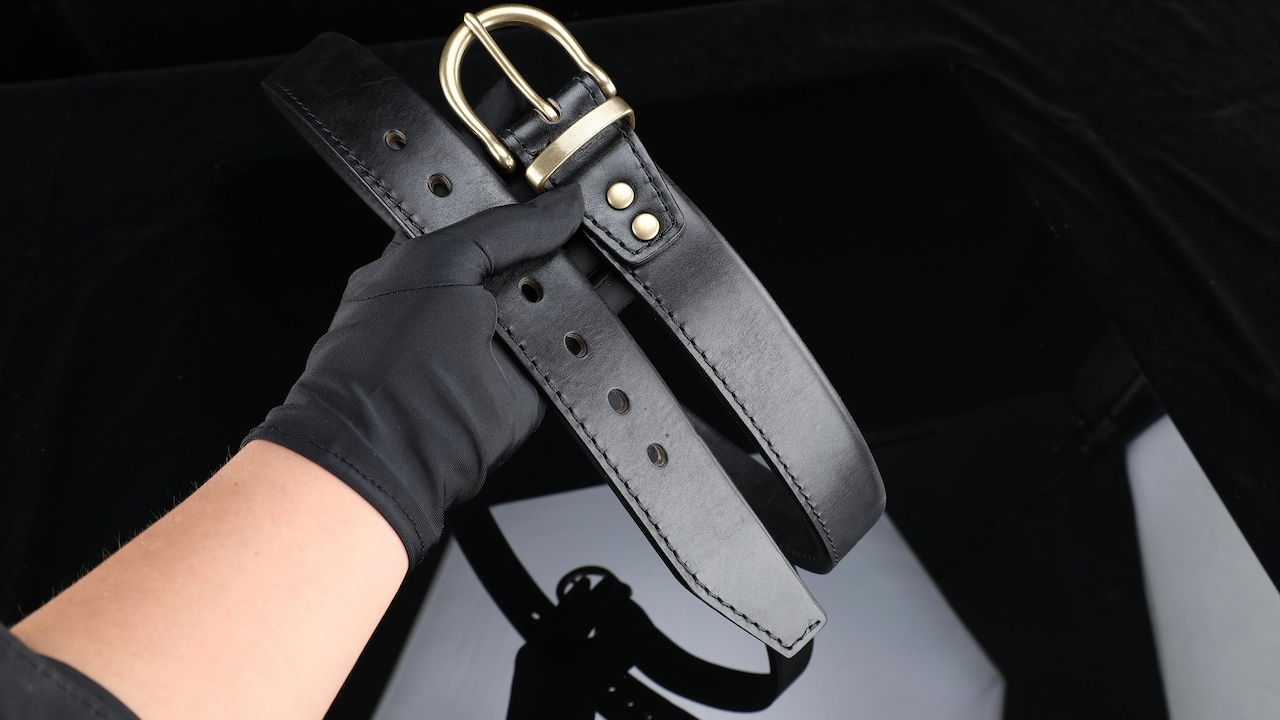
Purchasing one usually involves careful consideration. Shoppers examine stitching, thickness, and buckle quality. They think about longevity rather than immediate novelty.
This deliberate approach reflects thoughtful consumption.
A wardrobe built around dependable pieces often feels calmer and more organised. Instead of overflowing with short-lived accessories, it contains fewer but better items.
Leather belts fit perfectly within that philosophy.
Their durability encourages slower, more mindful shopping habits. Each purchase carries intention rather than impulse.
In a retail world dominated by rapid trends, such decisions quietly stand apart.
Products Related To This Article
1. Tommy Hilfiger Men Black & Brown Solid Reversible Leather Belt
2. Van Heusen Men Textured Leather Belt
3. Allen Solly Men Striped Leather Belt
4. Peter England Men Textured Leather Belt
5. Allen Solly Men Textured Leather Belt
Fashion constantly reinvents itself, yet certain essentials resist that endless cycle. Structured leather belts belong firmly in that category.
Their endurance comes from craftsmanship, strong materials, timeless design, and dependable comfort. They survive changing trends because they never rely on trends in the first place.
While fast fashion accessories promise variety at low prices, their short lifespan often tells a different story. Frequent replacement leads to greater expense and unnecessary waste.
A structured leather belt offers a refreshing alternative. It lasts longer, ages gracefully, and adapts effortlessly to different styles and occasions.
More importantly, it encourages a thoughtful approach to dressing. Instead of chasing every passing trend, wardrobes built around reliable pieces develop character and stability. In the end, a structured leather belt proves that durability never goes out of style.
(Disclaimer: This article may include references to or features of products and services made available through affiliate marketing campaigns. NDTV Convergence Limited (“NDTV”) strives to maintain editorial independence while participating in such campaigns. NDTV does not assume responsibility for the performance or claims of any featured products or services.)