Why Dhoti Pants Are Returning as a Comfortable Alternative to Churidars
Dhoti pants are making a stylish comeback, offering a relaxed and breathable alternative to tight churidars. Blending tradition with modern fashion, they bring comfort and versatility back into festive and everyday wardrobes.
Why Dhoti Pants Are Returning as a Comfortable Alternative to Churidars
Walk through any festive market before Diwali or wedding season, and one detail stands out. Clothing stalls display a growing number of dhoti pants. Not long ago, churidars dominated ethnic wear racks. Tailors stitched them for kurtas, designers paired them with anarkalis, and wardrobes across the country held several versions in different colours.
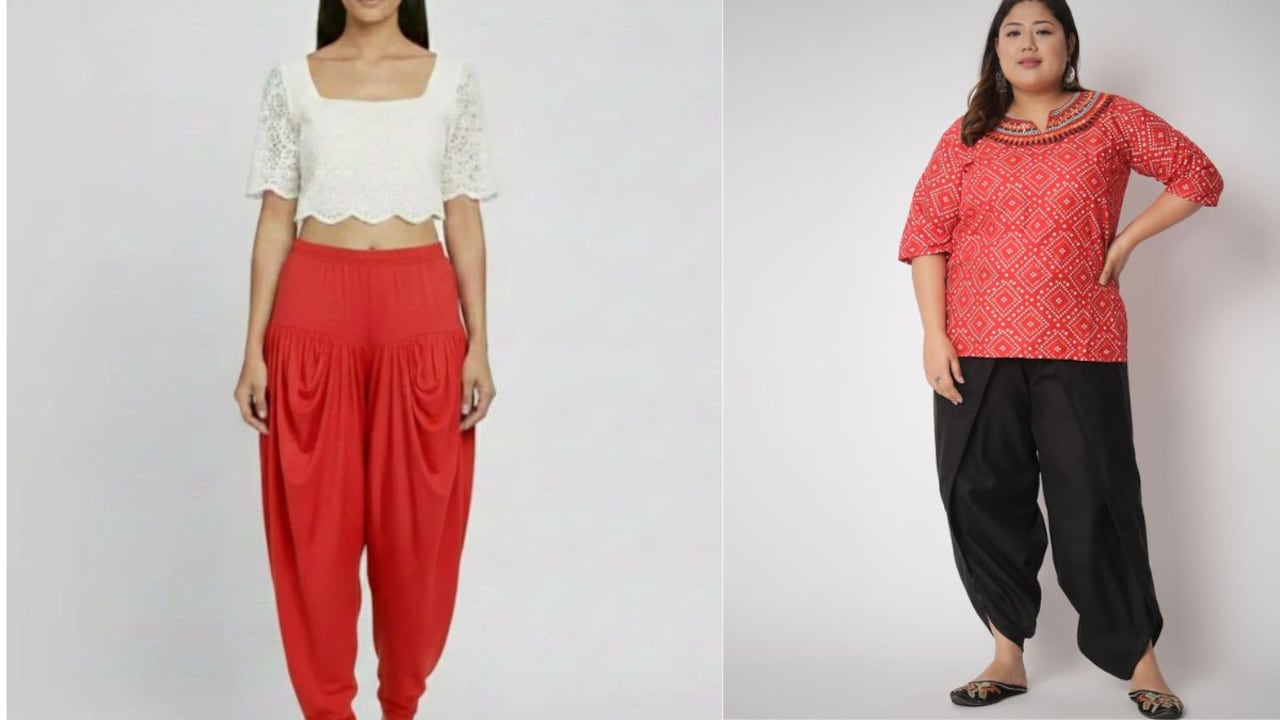
Yet fashion always evolves with comfort and lifestyle. Over the past few years, dhoti pants quietly reappeared. First, they surfaced on fashion runways and wedding outfits. Soon afterwards, boutiques and online stores began offering everyday versions. The loose pleats, breathable shape, and elegant drape appealed to people tired of adjusting tight churidars through long days.
Dhoti pants carry a sense of nostalgia while feeling surprisingly modern. They move easily, suit different body types, and blend beautifully with contemporary kurtas, crop tops, or jackets. Their revival also reflects a wider shift towards clothing that feels relaxed yet stylish.
This return of dhoti pants does not merely follow trends. It reflects a deeper desire for comfort, cultural connection, and versatility. The following sections explore why this traditional garment has stepped back into the spotlight and why many wardrobes now prefer it over the familiar churidar.
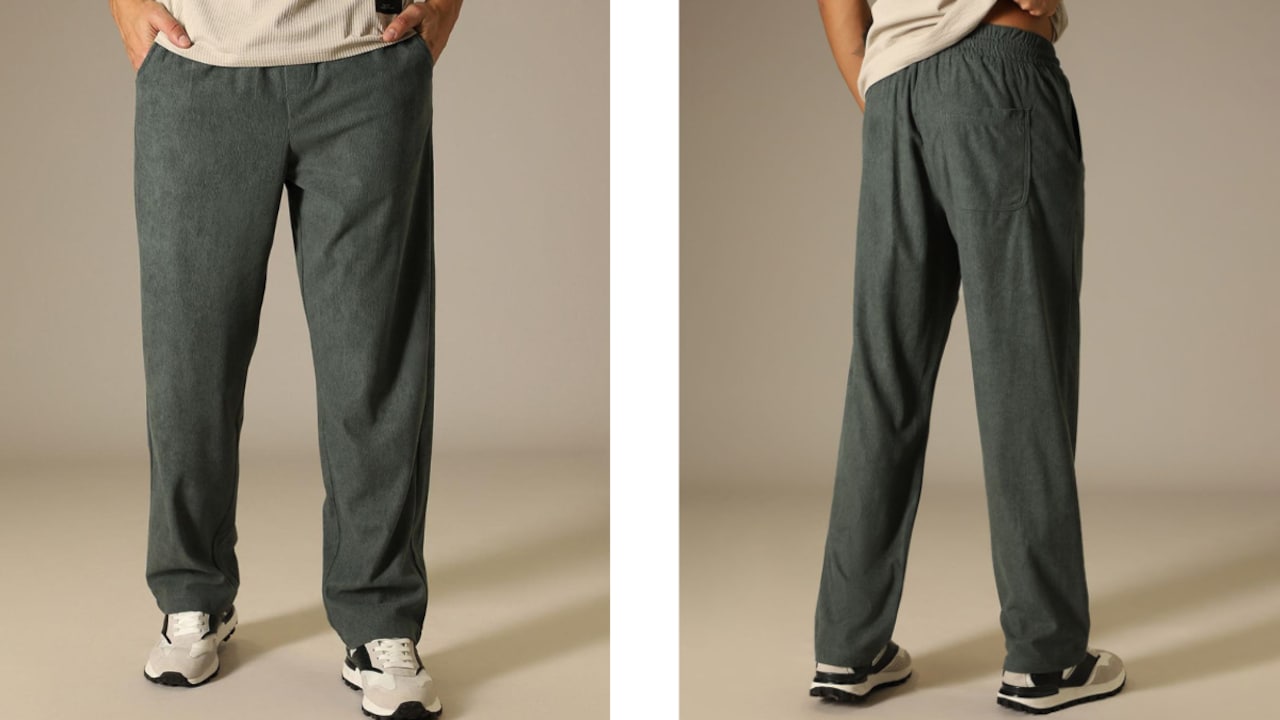
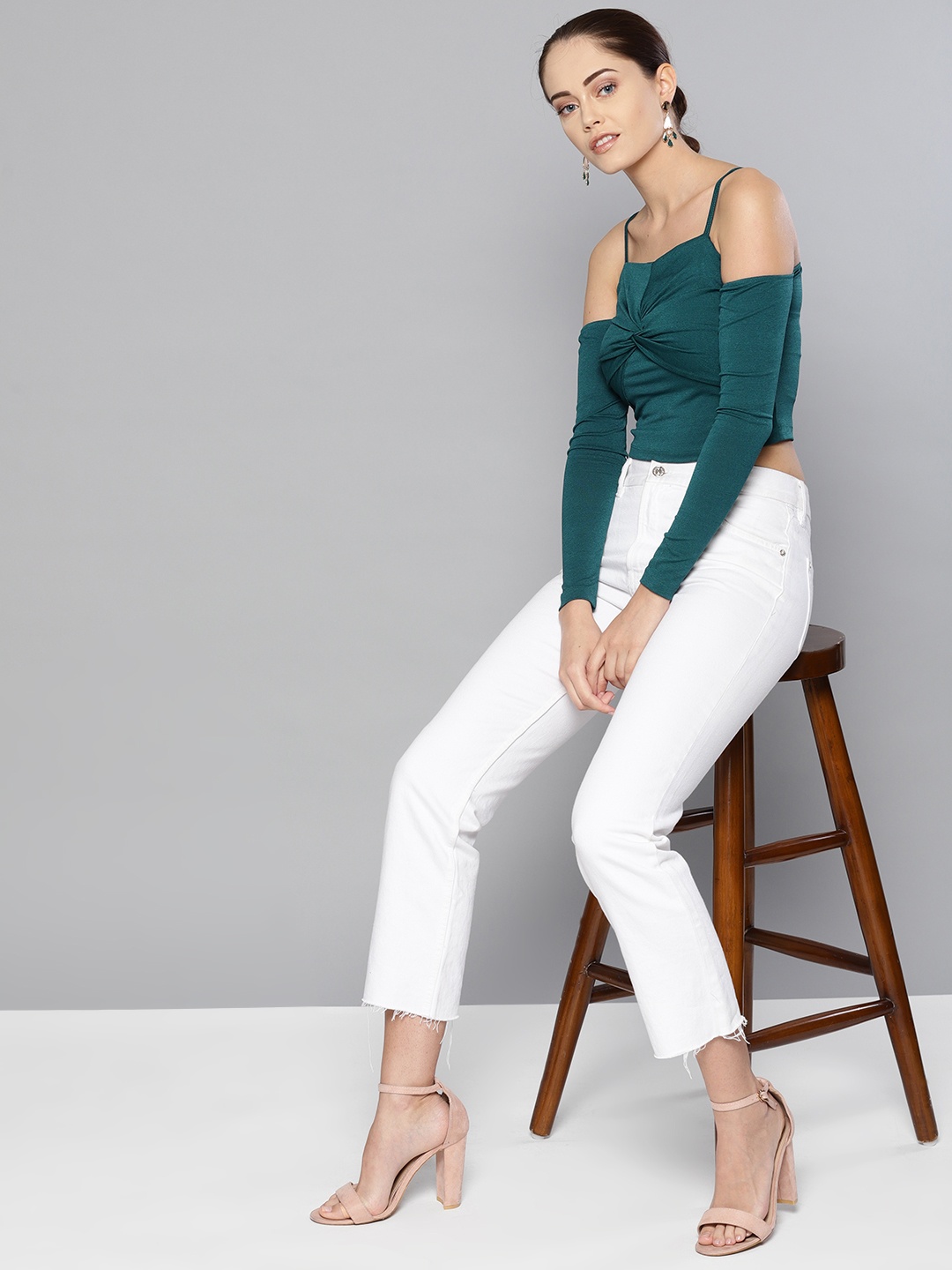
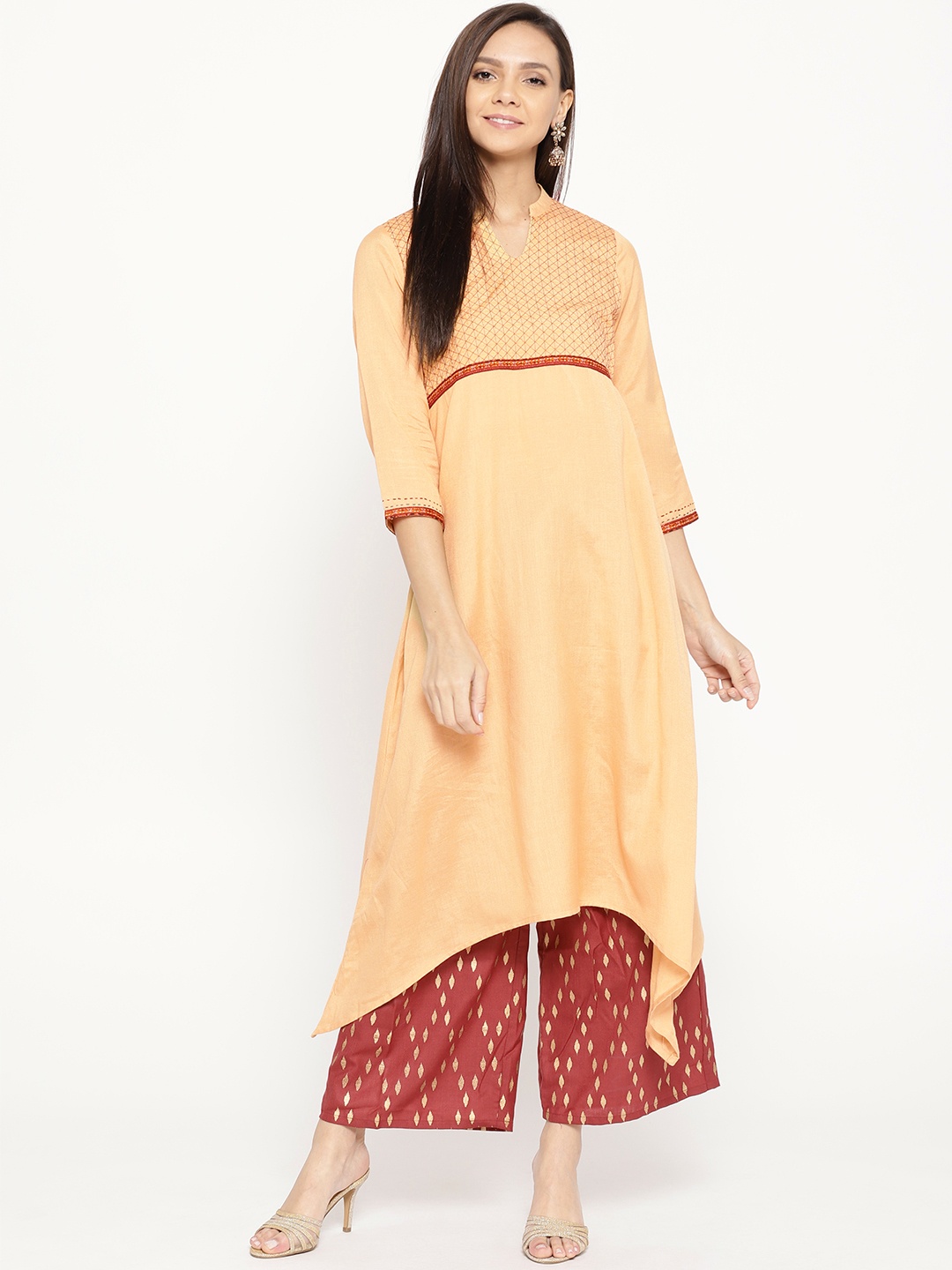
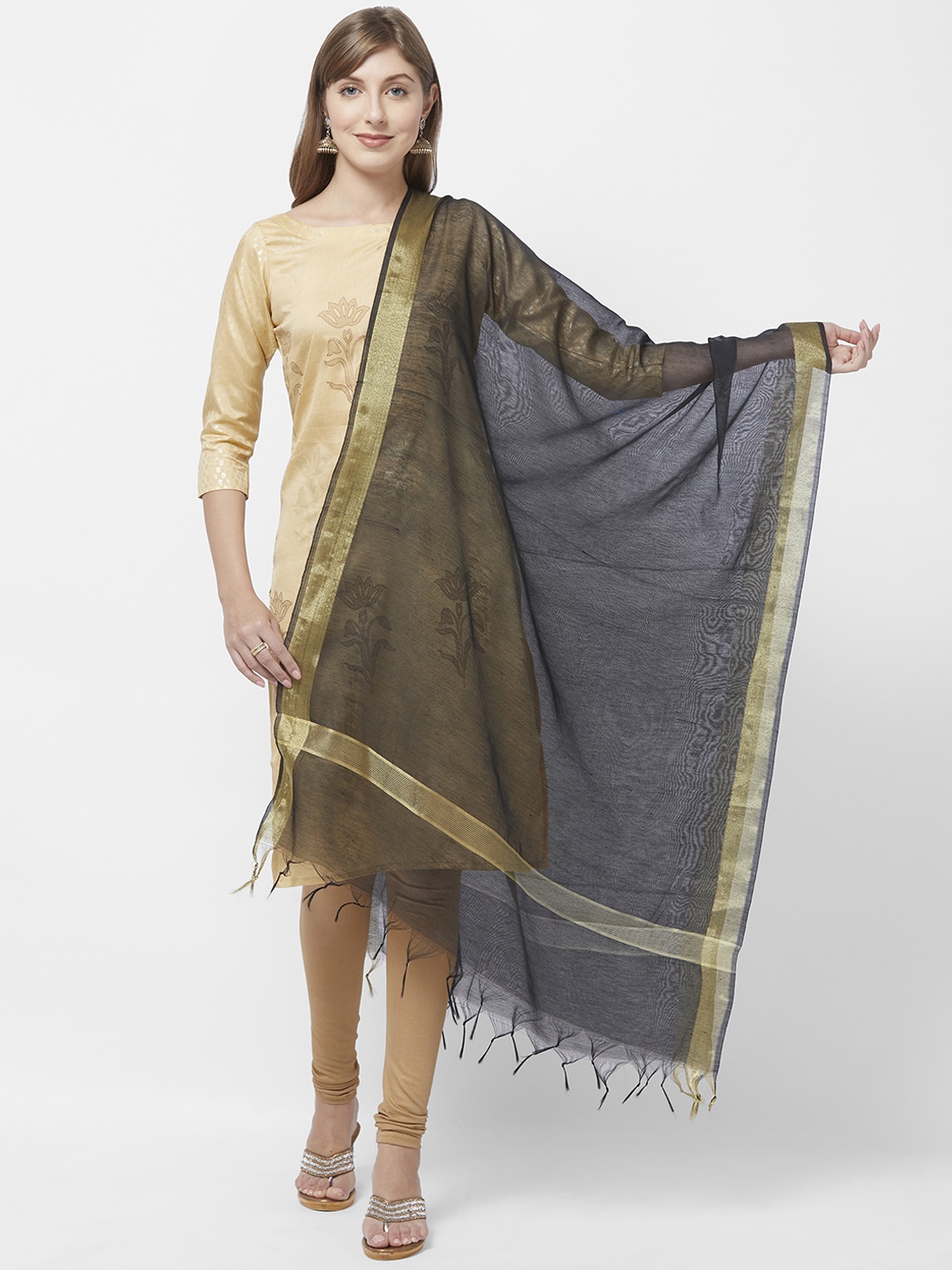
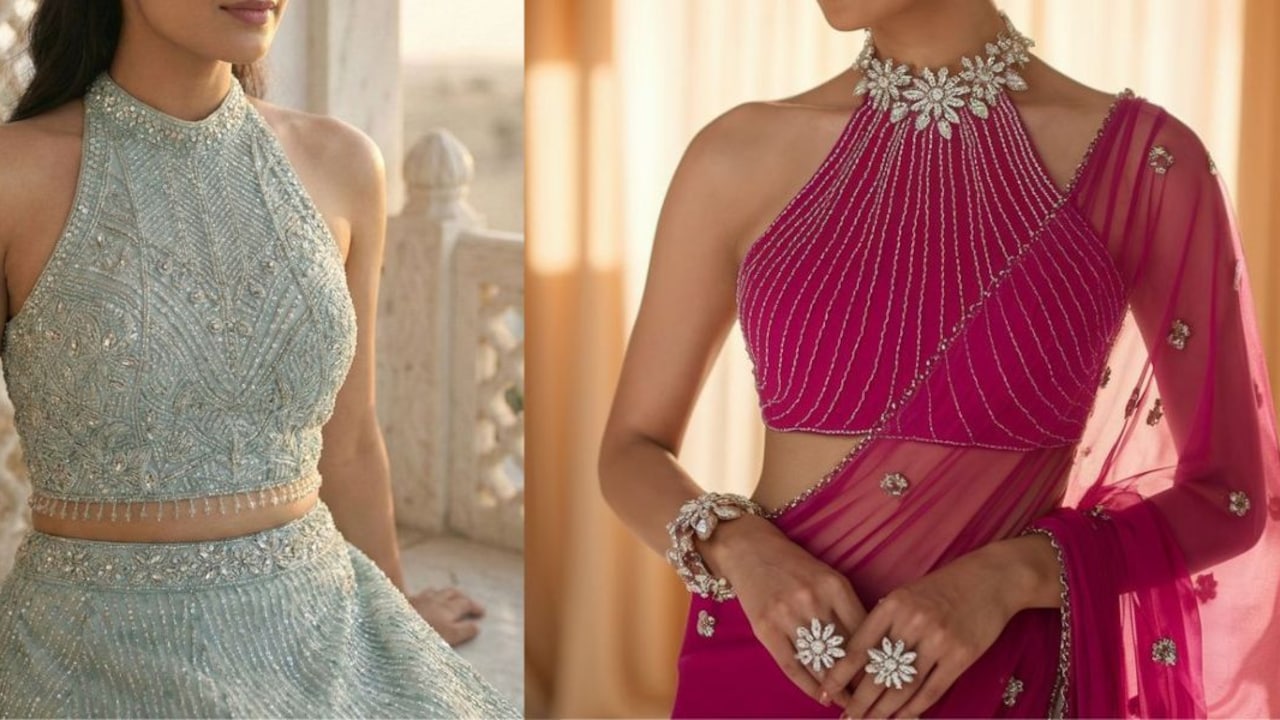
Why Dhoti Pants Are Returning as a Comfortable Alternative to Churidars; Photo Credit: Myntra
The Comfort Factor People Have Been Missing
Clothing choices often revolve around comfort, especially during long days filled with commuting, meetings, family events, and celebrations. Churidars, although elegant, rarely deliver the ease people secretly crave. The snug fit around the legs looks polished but often restricts movement.
Dhoti pants bring a refreshing sense of freedom. Their draped design creates natural folds that allow the legs to move without resistance. Walking through crowded streets, climbing stairs at metro stations, or sitting cross-legged during festive gatherings feels far easier in dhoti pants than in tight churidars.
The breathable shape also proves helpful during warm weather. Summer heat in cities such as Delhi, Mumbai, and Chennai rarely spares anyone. Clothing that traps heat quickly becomes uncomfortable. Dhoti pants allow air to circulate, keeping the wearer cooler and more relaxed throughout the day.
Comfort also affects confidence. When clothing sits comfortably, attention shifts from adjusting fabric to enjoying the moment. Whether attending a mehendi ceremony or spending ₹800 on street food during a festival evening, dhoti pants allow people to move naturally. That small freedom explains why many wardrobes now welcome this traditional silhouette once again.
A Perfect Blend Of Tradition And Modern Style
Fashion thrives on balance. Too traditional and it may feel dated; too modern and it risks losing cultural charm. Dhoti pants strike a rare middle ground that satisfies both worlds.
The garment draws inspiration from the classic dhoti worn for centuries across the subcontinent. Designers adapted the traditional drape into stitched versions that resemble trousers. This clever transformation keeps the cultural essence intact while making the garment practical for everyday wear.
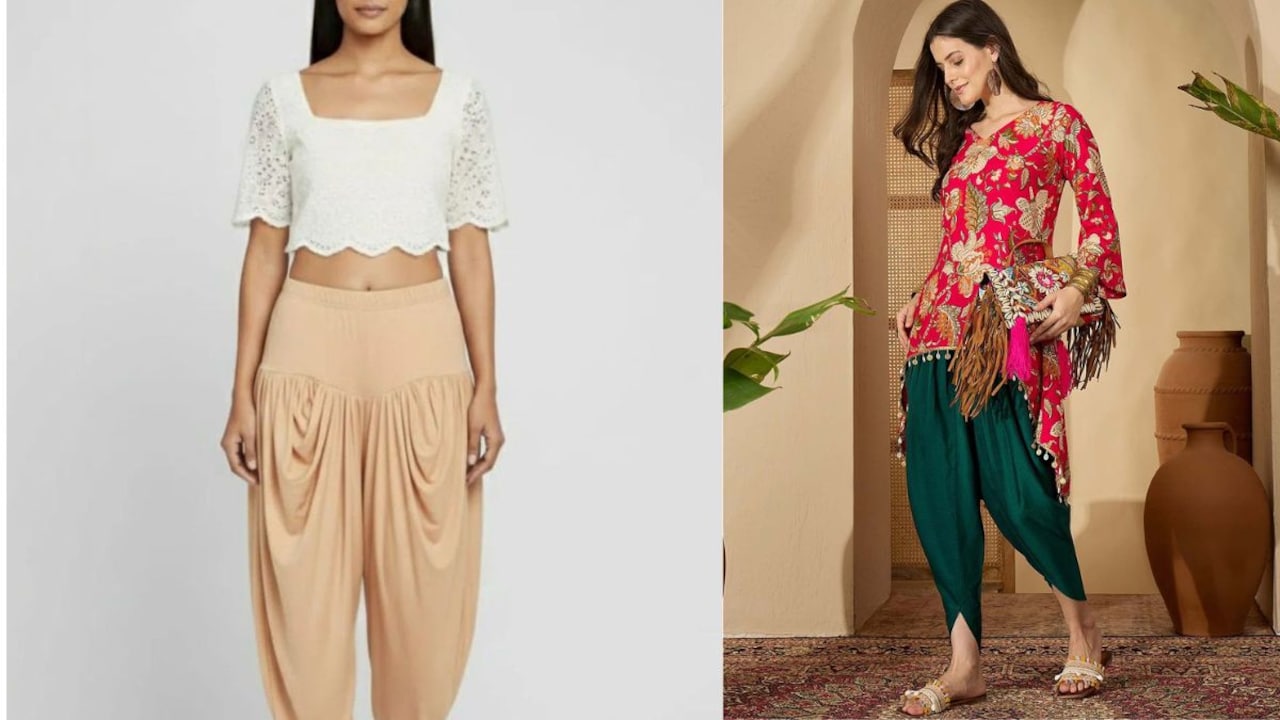
Pairing possibilities also contribute to the renewed appeal. A silk dhoti pant combined with a short kurta creates a festive look perfect for weddings or family celebrations. Swap the kurta for a structured jacket or crop top and the outfit instantly shifts into contemporary territory.
Young shoppers often enjoy experimenting with fashion that feels rooted yet expressive. Dhoti pants provide exactly that opportunity. They allow wearers to honour heritage without appearing overly formal or ceremonial.
Fashion boutiques across major cities now showcase dhoti pants in pastel shades, metallic fabrics, and even subtle prints. These variations prove how effortlessly the garment adapts to changing trends while retaining its traditional soul.
Also Read: 10 Reasons Mulmul Cotton Kurtas Feel Softer And More Comfortable Than Regular Cotton
Breathable Fabrics For A Warm Climate
Climate plays a quiet yet powerful role in shaping clothing preferences. Long summers demand fabrics that remain comfortable despite rising temperatures. Churidars, especially those made with synthetic blends, can feel restrictive and warm after several hours.
Dhoti pants often come stitched from cotton, linen, or soft silk blends. These materials breathe easily and absorb moisture, which makes them ideal for humid afternoons or crowded wedding halls. The loose draping allows air to circulate, preventing the heavy feeling that tight clothing sometimes creates.
Many designers now experiment with lightweight fabrics that feel almost weightless against the skin. Cotton dhoti pants paired with block-printed kurtas have become a popular daytime outfit for festivals or casual gatherings. The look feels relaxed yet polished.
Another advantage appears during long travel days. Anyone who has spent hours sitting on trains or flights knows how uncomfortable tight clothing becomes. Dhoti pants maintain their shape while allowing freedom of movement, which makes them a practical option for journeys between cities.
In a climate where comfort matters as much as style, breathable garments naturally gain popularity. Dhoti pants answer that need beautifully.
A Flattering Silhouette For Many Body Types
Fashion sometimes focuses too heavily on one body shape. Churidars often emphasise slim legs and fitted silhouettes, which may not suit everyone equally. Dhoti pants offer a more inclusive alternative.
The pleated structure creates gentle folds that drape around the hips and thighs. This design balances proportions and flatters different body types without clinging too tightly. People who feel conscious about fitted clothing often find dhoti pants far more comfortable and confident to wear.
The tapered ankle maintains structure, ensuring the outfit still appears neat rather than overly loose. This balance between volume and shape creates a graceful silhouette that complements various heights and builds.
Tailors also appreciate the flexibility of dhoti pants. Minor adjustments around the waist or pleats can personalise the fit easily. A well-stitched pair may cost around ₹1,200 at a neighbourhood boutique yet deliver both style and comfort.
This inclusive appeal explains why dhoti pants attract a wide audience. When clothing adapts to people instead of forcing people to adapt to clothing, it naturally finds lasting popularity.
Celebrity Influence And Runway Revivals
Fashion trends often begin quietly before a visible moment pushes them into mainstream attention. Dhoti pants experienced such a moment when designers reintroduced them on fashion runways and celebrity wardrobes.
Several stylists began pairing dhoti pants with embellished jackets or embroidered kurtas for award functions and wedding appearances. Photographs from these events travelled quickly through fashion magazines and social media. Soon, boutique owners noticed increasing enquiries about the same style.
Runway collections also contributed to the revival. Designers experimented with metallic fabrics, structured pleats, and modern cuts that elevated the garment beyond traditional expectations. These creative interpretations captured the imagination of younger shoppers who enjoy distinctive fashion choices.
Celebrity weddings also played a role. Guests often prefer outfits that stand out without sacrificing comfort during long ceremonies. Dhoti pants offered the perfect solution. They looked elegant in photographs while allowing wearers to dance through sangeet nights without discomfort.
When public figures adopt a style, curiosity follows. Dhoti pants benefited from that visibility, which gradually transformed curiosity into widespread acceptance.
Easy Styling With Modern Wardrobes
Versatility stands at the heart of successful clothing. Garments that pair easily with existing wardrobes naturally gain popularity. Dhoti pants excel in this area.
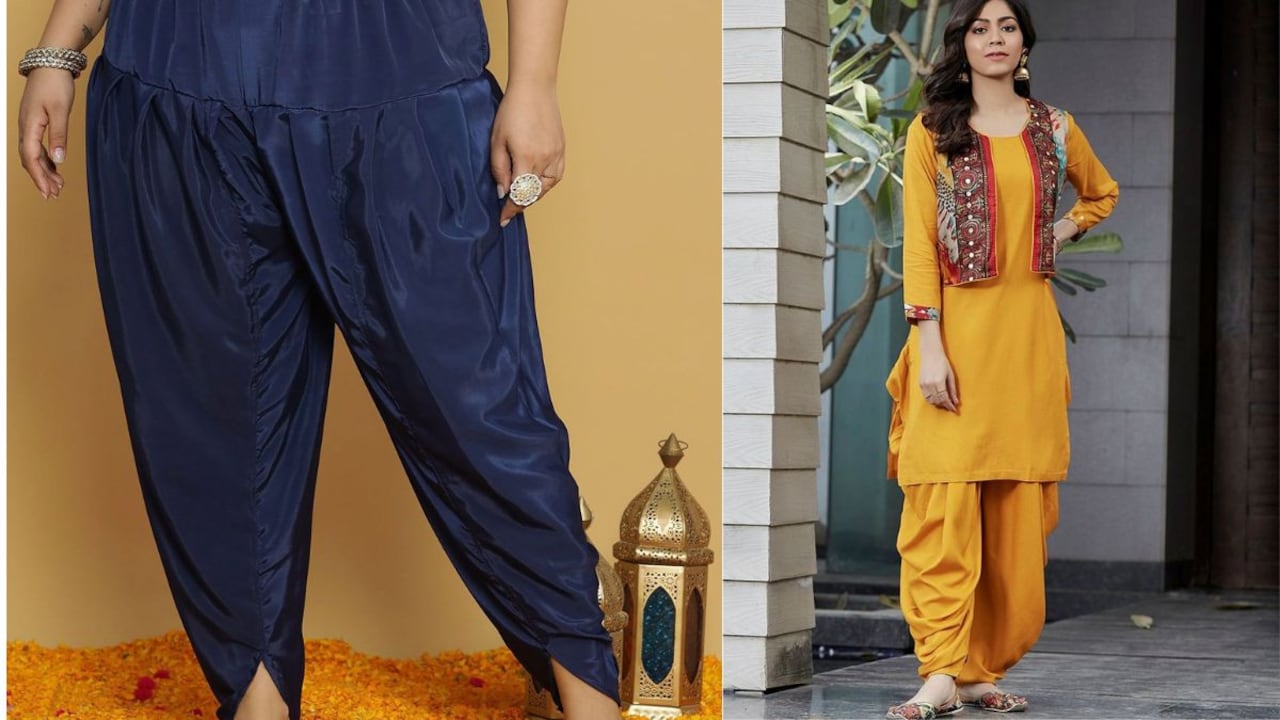
A simple cotton dhoti pant works beautifully with a short kurta for everyday wear. Add embroidered juttis, and the outfit becomes perfect for festive gatherings. Replace the kurta with a structured blazer, and the look instantly turns contemporary.
College students often experiment with fusion styling. Dhoti pants paired with crop tops or long shrugs create an outfit that feels relaxed yet fashionable. This flexibility allows individuals to express personality without buying an entirely new wardrobe.
Even colour combinations offer room for creativity. Neutral shades such as ivory, beige, or black allow the upper garment to shine. Meanwhile, bright dhoti pants in turmeric yellow or deep maroon become statement pieces themselves.
The garment adapts effortlessly across occasions. One pair may accompany a casual brunch, a festive dinner, or even a cultural event. Such adaptability explains why shoppers increasingly view dhoti pants as practical wardrobe investments.
Cultural Nostalgia With A Fresh Perspective
Clothing often carries memories. Traditional garments remind people of festivals, weddings, and childhood celebrations. Dhoti pants capture that nostalgia while presenting it through a fresh lens.
Many households remember elders wearing dhotis during ceremonies or religious occasions. The garment symbolised dignity and cultural identity. Modern dhoti pants reinterpret that heritage without requiring the complex draping of the original attire.
Younger generations appreciate fashion that connects them with familiar traditions while remaining practical for contemporary lifestyles. Dhoti pants achieve that delicate balance beautifully.
Festivals illustrate this connection clearly. During occasions such as Navratri or Durga Puja, many people prefer outfits that reflect cultural roots. Dhoti pants paired with embroidered kurtas feel festive without appearing overly formal.
This sense of continuity adds emotional value to the garment. Wearing dhoti pants does not simply follow a trend; it celebrates heritage through modern design.
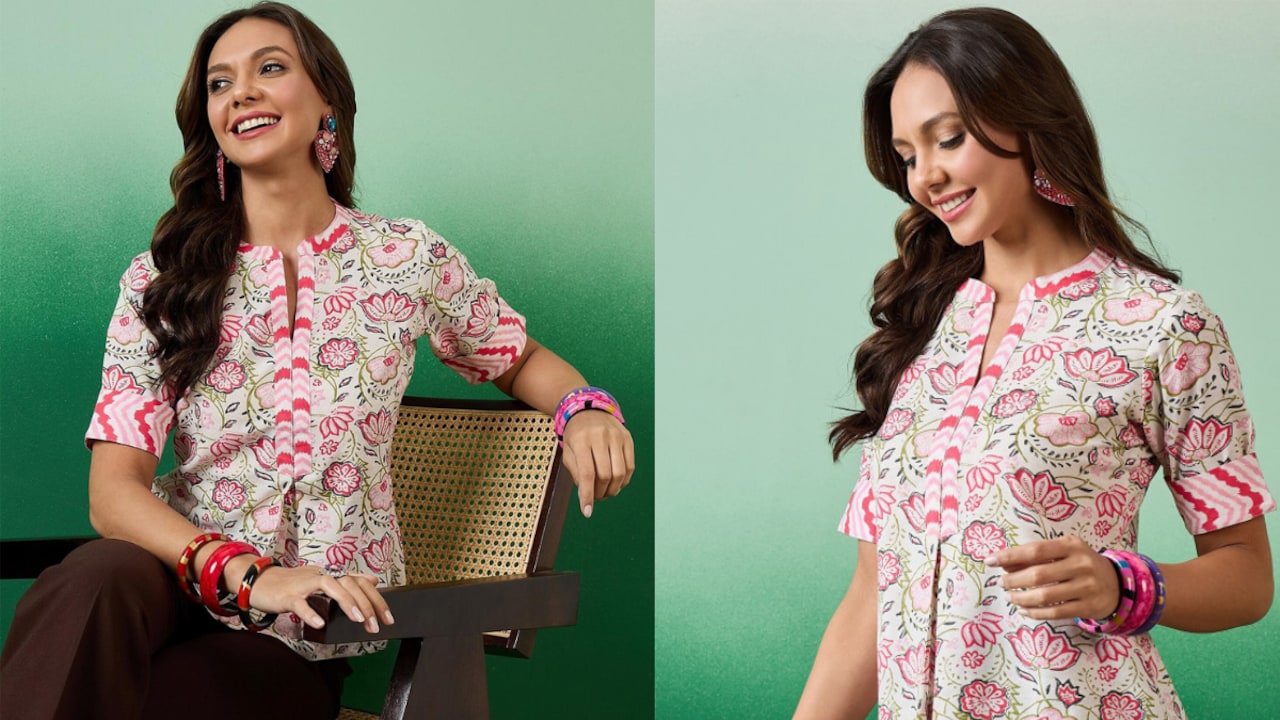
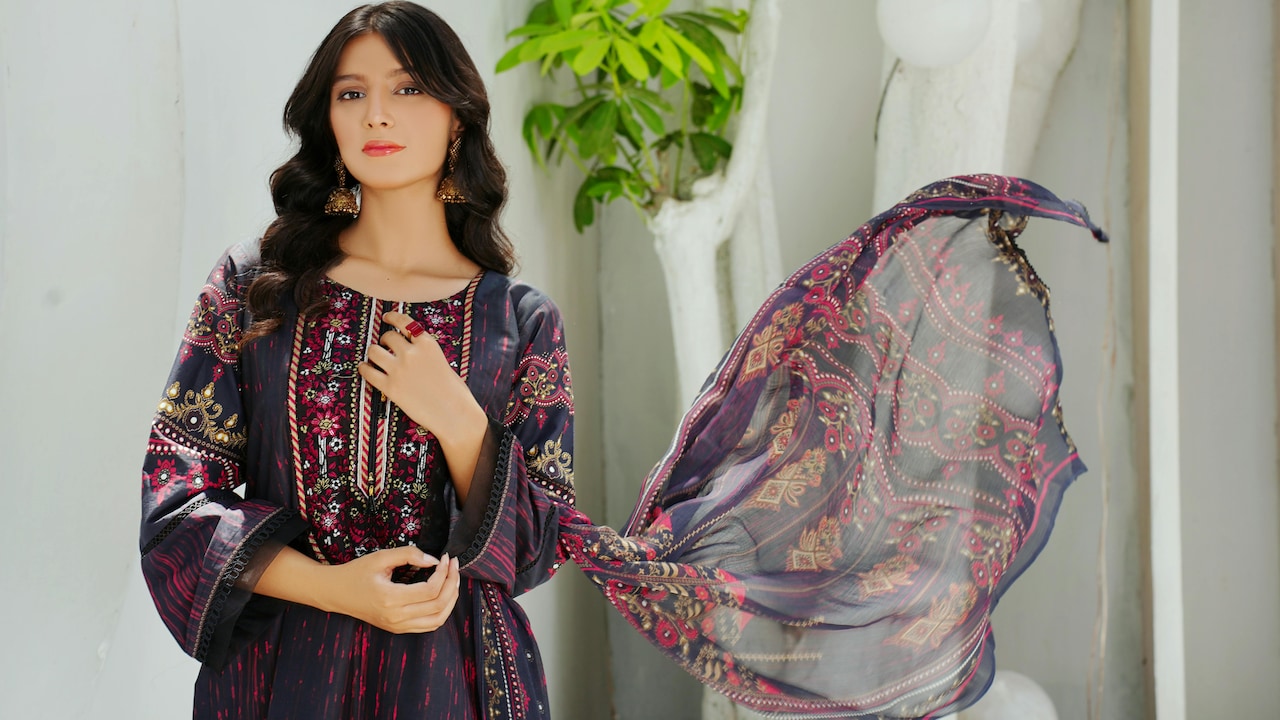
Why Dhoti Pants Are Returning as a Comfortable Alternative to Churidars
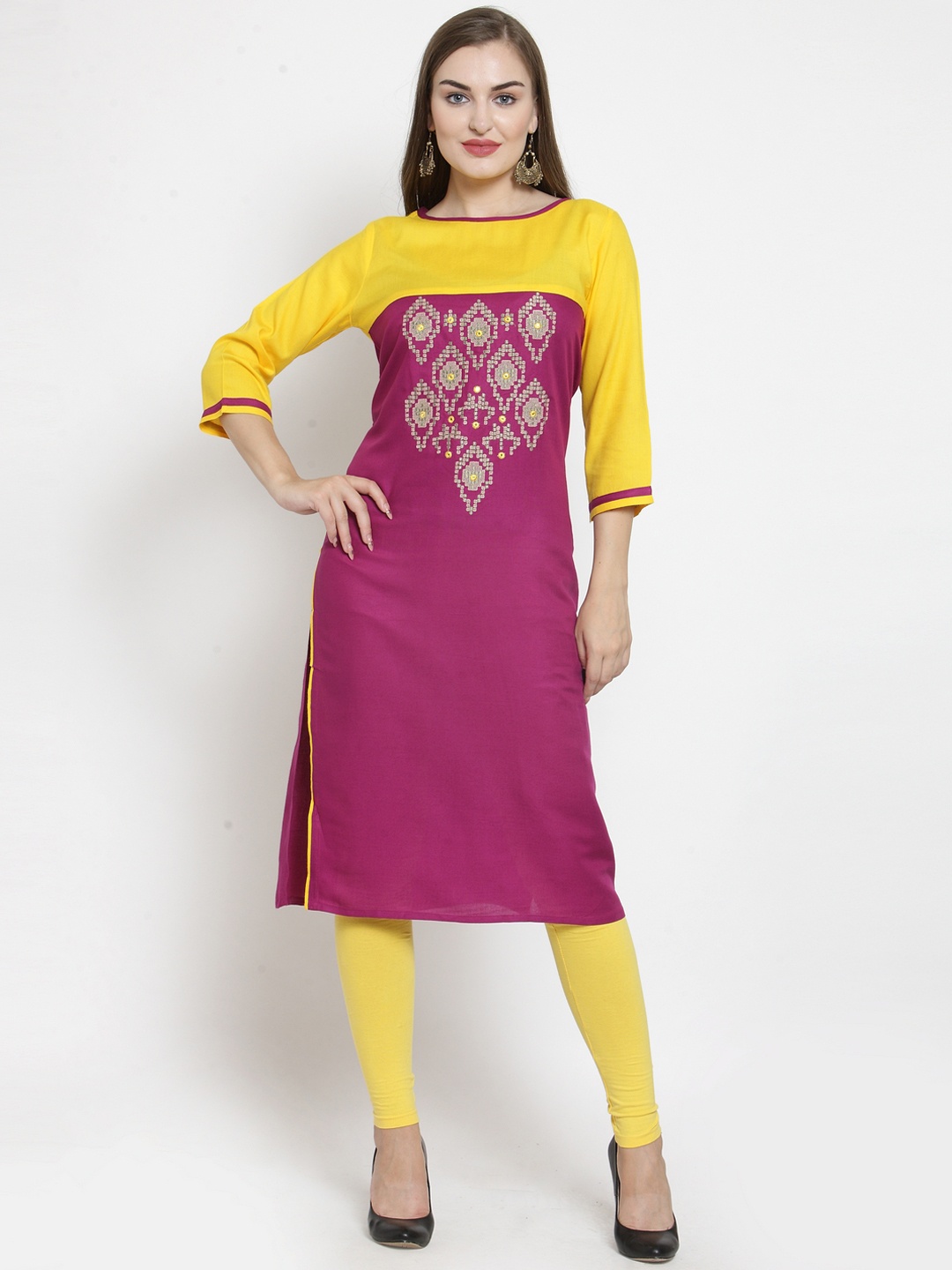
Photo Credit: Myntra
Practical For Long Celebrations And Weddings
Weddings often stretch across several hours and multiple events. Comfort becomes essential when celebrations include dancing, long conversations, and elaborate ceremonies.
Churidars may appear elegant at first, but the tight fit sometimes becomes uncomfortable as the evening progresses. Dhoti pants offer a far more practical solution. Their loose pleats allow movement while maintaining a graceful appearance.
Many wedding guests now choose dhoti pants for pre-wedding events such as mehendi or sangeet nights. The garment looks festive yet allows wearers to dance without constant adjustment. Pairing them with embroidered jackets or silk kurtas creates an outfit that photographs beautifully.
Bridesmaids also appreciate the convenience. Standing for hours during ceremonies becomes easier when clothing allows natural movement. A well-tailored pair of dhoti pants paired with statement jewellery can rival far more elaborate outfits.
Even budget considerations play a role. Instead of purchasing multiple expensive outfits worth ₹10,000 or more, many shoppers choose versatile dhoti pants that match several tops. This practicality strengthens their appeal during busy wedding seasons.
Sustainable Fashion And Thoughtful Consumption
Fashion conversations increasingly include sustainability. Consumers now pay greater attention to how clothing is produced and how long it remains useful.
Dhoti pants align well with this mindful approach. Their timeless design avoids rapid trend cycles. A well-made pair remains stylish for years, reducing the need for frequent replacements.
Many artisans also produce dhoti pants using handloom fabrics or natural dyes. Supporting such craftsmanship helps sustain traditional textile practices while offering distinctive clothing options.
Versatility further enhances sustainability. One pair may appear in multiple outfits simply by changing the accompanying top or accessories. This flexibility reduces unnecessary purchases and encourages thoughtful wardrobe choices.
Consumers who prefer quality over quantity often gravitate towards garments like dhoti pants. They combine cultural authenticity with long-term practicality, making them valuable additions to modern wardrobes.
A Fresh Alternative To Predictable Ethnic Wear
Fashion occasionally suffers from repetition. After years of wearing similar silhouettes, wardrobes begin to feel predictable. Churidars paired with kurtas dominated ethnic wear for so long that many people now seek refreshing alternatives.
Dhoti pants introduce variety without abandoning familiar aesthetics. The draped structure creates visual interest that instantly elevates a simple outfit. Even a plain kurta appears more distinctive when paired with dhoti pants instead of a standard churidar.
This subtle shift allows individuals to experiment with style while remaining comfortable with traditional elements. The garment stands out in photographs, festive gatherings, and social events without appearing overly dramatic.
Boutiques increasingly recognise this demand for fresh silhouettes. Many now showcase dhoti pants alongside classic churidars, giving shoppers the freedom to choose based on mood and occasion.
Fashion thrives on evolution, and dhoti pants represent a graceful step forward. They respect tradition while introducing a welcome change to familiar wardrobes.
Products Related To This Article
1. THE PAJAMA FACTORY Women Dhoti Pants Dhotis
2. MIXFIT Women Embroidered Dhoti Pant
3. 9rasa Women Plus size Sollid Dhoti Pant
4. Clora Creation Women Pleated Dhoti Pant
5. BCZ Style Women Loose Fit Dhoti Pant
Dhoti pants have travelled a fascinating path from traditional attire to a modern wardrobe staple. Their return reflects changing priorities in fashion. Comfort now matters as much as elegance, and versatility often outweighs rigid style rules.
The garment offers breathable fabrics, flattering silhouettes, and remarkable adaptability. It pairs effortlessly with contemporary clothing while preserving cultural charm. From festive gatherings to wedding celebrations, dhoti pants prove that tradition can evolve without losing its essence.
As wardrobes continue to embrace clothing that balances comfort with style, dhoti pants appear poised to remain far beyond a temporary trend. Their revival reminds fashion lovers that sometimes the most modern choices grow from timeless roots.
(Disclaimer: This article may include references to or features of products and services made available through affiliate marketing campaigns. NDTV Convergence Limited (“NDTV”) strives to maintain editorial independence while participating in such campaigns. NDTV does not assume responsibility for the performance or claims of any featured products or services.)