Do Leg Creases Always Mean Trousers Are Too Tight? 10 Fit Myths Explained
Creases across trouser legs don’t automatically signal a sizing problem. Fabric, posture, rise, cut and even pocket contents can change how trousers sit. Here are 10 common fit myths that can make perfectly wearable trousers seem wrong.
Do Trouser Creases Mean They Are Too Tight? 10 Fit Myths Explained
A pair of trousers can fit wonderfully in the changing room and suddenly look suspicious five minutes later. Sit down, stand up, check the mirror again, and there they are: horizontal lines across the thighs, folds behind the knees or strange ripples near the hips. The immediate verdict often sounds familiar, the trousers must be too tight. Except trouser fit rarely works that neatly. Fabric bends when we move. Different cuts distribute extra cloth differently. A pair of linen bottoms behaves nothing like stretch chinos, while high-rise formal trousers react differently from low-rise jeans. Even posture, pocket contents and the way a waistband sits can create creases that look like sizing problems. Some wrinkles certainly do reveal poor fit. The trick lies in reading where they appear, which direction they travel and whether they disappear when you change position.
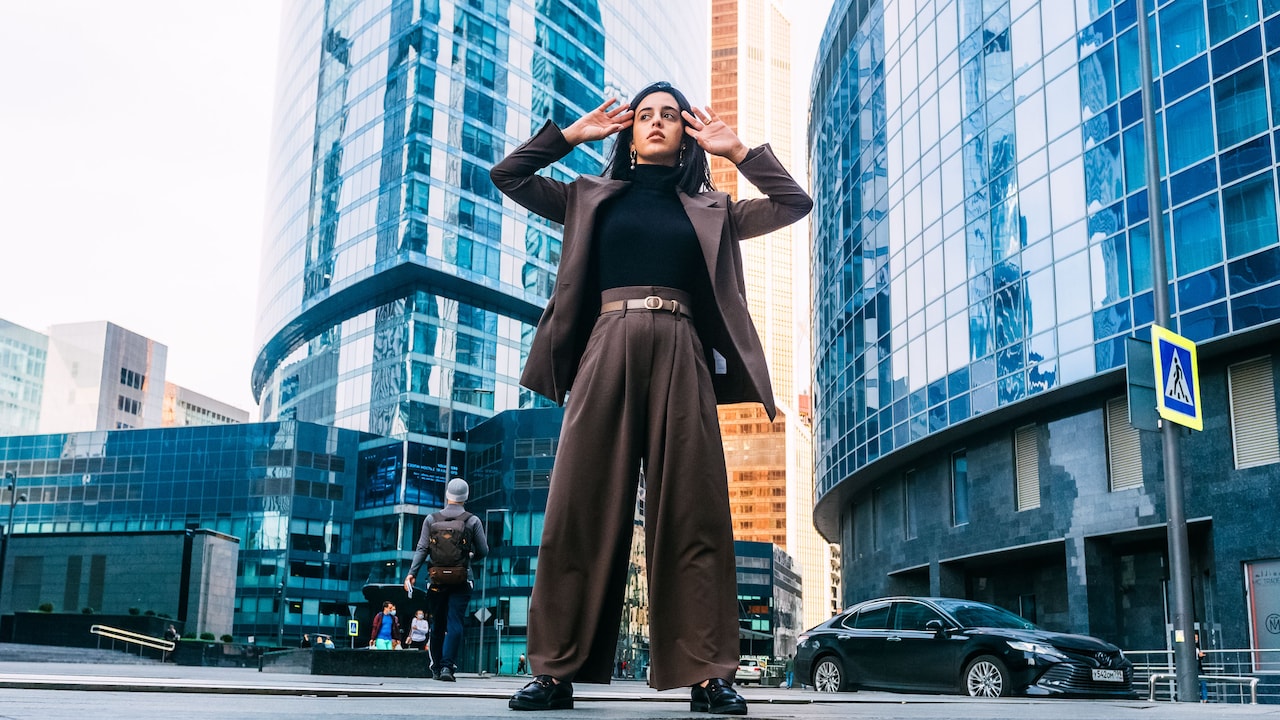
Do Trouser Creases Mean They Are Too Tight? 10 Fit Myths Explained; Photo Credit: Pexels
What Trouser Creases Can Actually Tell You About Fit
1. Myth: Horizontal Creases Across The Thighs Always Mean The Trousers Are Too Tight
Horizontal lines across the upper thighs often trigger an immediate urge to size up. Sometimes that instinct proves correct, but the direction of the creases only tells part of the story.
Tight trousers usually create strong horizontal tension lines that seem to pull towards a specific point, often around the crotch, hips or outer thighs. You may also feel resistance while walking, sitting or climbing stairs. The fabric isn't merely wrinkling; it feels as though it has reached its limit.
Soft creases that appear only when you sit or bend your legs are another matter. Your thighs change shape when your knees bend, so the fabric needs somewhere to go. Even generously cut trousers will fold.
Fabric also matters. Cotton, linen and viscose blends tend to show movement more readily than structured wool or synthetic fabrics.
Instead of judging the trousers from a single mirror pose, walk around and sit down. If the creases relax when you stand naturally and movement feels comfortable, they may simply reflect normal fabric behaviour rather than poor sizing.
Also Read: Smart Trousers For Long Commutes: Top 5 Styles For Everyday Professionals
2. Myth: Wrinkles Behind The Knees Prove You Bought The Wrong Size
The backs of our knees might be one of the worst places to judge trouser fit. Every time you sit, squat or simply bend a leg, fabric collects there. After an hour at a desk, even beautifully tailored trousers can develop what looks like a miniature accordion behind each knee.
The amount of wrinkling depends heavily on fabric composition. Linen tends to remember practically every movement. Cotton can hold sharp-looking folds. Fabrics containing elastane often recover more quickly once you stand.
Trouser length can exaggerate the effect too. Extra fabric travelling down the leg has to settle somewhere, particularly with tapered styles. A slightly longer inseam may therefore create more bunching behind the knee than a cropped pair in the same waist size.
Look for persistent pulling rather than ordinary wrinkling. If the fabric strains across the calves or knees even while you stand straight, the lower leg may genuinely feel too narrow.
But creases that appear after sitting? Those usually mean your knees have done exactly what knees are supposed to do.
3. Myth: If The Pockets Flare Out, You Automatically Need A Bigger Waist
Pocket flare deserves attention, but buying a larger waist size isn't always the solution.
Side pockets can gape when trousers feel tight across the hips or upper thighs because tension pulls the pocket opening away from the body. Yet the waistband itself may fit perfectly. Sizing up could solve the pocket problem while leaving an annoying gap around the waist.
The cut often causes the mismatch. Someone with a comparatively smaller waist and fuller hips may find straight-cut trousers sitting differently from curvier or pleated styles. A little more room through the seat can make a bigger difference than several extra centimetres around the waistband.
Pocket construction matters as well. Thick pocket bags, stiff fabric or poorly positioned openings can stick out even when the trousers fit correctly.
Then there's the obvious culprit we tend to forget: whatever lives inside the pockets. A phone, keys and bulky wallet can completely change their shape.
Empty the pockets before assessing fit. If they still pull open while you stand naturally, check hip and thigh room rather than assuming the waist size carries all the blame.
Do Trouser Creases Mean They Are Too Tight? 10 Fit Myths Explained; Photo Credit: Pexels
4. Myth: A Perfect Waistband Means The Whole Pair Fits Correctly
A waistband that closes neatly can create false confidence. Trouser sizing may begin at the waist, but it certainly doesn't end there.
Two people with the same waist measurement can have very different proportions through their hips, seat, thighs and legs. That's why a pair can feel comfortable around the middle yet pull aggressively below it.
Watch what happens around the crotch and upper thigh. Diagonal drag lines running from the crotch towards the hips often suggest that the trousers need more room somewhere through this area. A seat that looks stretched or feels restrictive when you sit gives another clue.
The opposite problem occurs too. Some trousers fit the waist but leave excessive fabric below the hips, creating sagging and folds rather than tension.
Rise plays an important role. If trousers sit higher or lower than the cut intended, the entire garment shifts. Suddenly the waistband seems fine while everything underneath behaves strangely.
Treat waist fit as one checkpoint rather than the final verdict. Good trousers should allow the waistband, hips, seat and thighs to work together without requiring constant pulling, adjusting or strategic breathing.
5. Myth: Diagonal Creases Mean The Fabric Is Poor Quality
Diagonal creases can look messy enough to make shoppers question the material, especially when the trousers looked beautifully smooth on a hanger. More often, though, those lines reveal where the fabric is travelling rather than whether the fabric is good.
Think of creases as tiny arrows. When diagonal lines repeatedly point towards the crotch, hip or inner thigh, fabric may be getting pulled towards an area that needs additional room.
The shape of the trousers matters just as much as their labelled size. A slim cut with enough waist room can still feel restrictive through the thighs. Likewise, someone may choose a larger size and still see drag lines because the garment's proportions don't suit their body shape.
Posture can produce temporary diagonal folds too. Standing with one hip pushed out, crossing the legs or leaning onto one foot changes the direction of the cloth.
Check the trousers while standing evenly with both feet relaxed. Then walk several steps.
If strong diagonal lines remain and you feel pulling at the same location, investigate fit. If the wrinkles change whenever your posture changes, the fabric may simply be following your body.
6. Myth: Going One Size Up Fixes Every Trouser-Fit Problem
Sizing up feels like the universal answer to trouser trouble. Tight thighs? Go bigger. Pulling pockets? Bigger. Strange crotch folds? Bigger again.
Unfortunately, clothing sizes aren't repair buttons.
Imagine trousers that fit comfortably around the waist but squeeze the thighs. Moving up a size may provide additional thigh room, but it can also create a loose waistband, lower the crotch and change the intended line of the garment. One problem disappears while three new ones arrive.
Choosing a different cut often works better. Straight-leg, relaxed, wide-leg and pleated trousers distribute fabric differently from slim or tapered designs. Curvy-fit trousers can offer more hip room without dramatically increasing the waist.
Alterations can also solve proportion problems. Buying trousers that fit the fullest area comfortably and having the waist adjusted may produce a cleaner result than trying to force every measurement into a standard size.
Size labels deserve less authority than they receive. They vary between brands and sometimes even between two styles from the same label.
Focus on how the trousers move with your body, not whether the tag shows the number you expected.
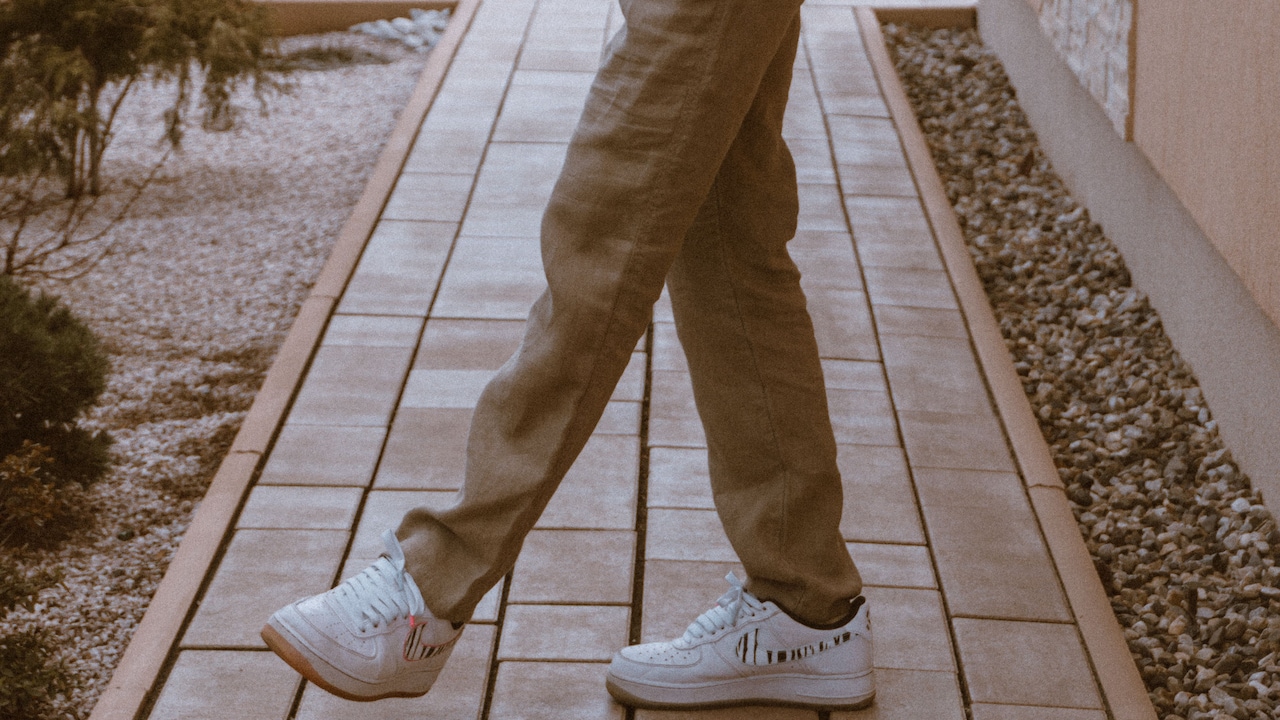
Do Trouser Creases Mean They Are Too Tight? 10 Fit Myths Explained; Photo Credit: Pexels
7. Myth: Creases Around The Crotch Always Mean You Need More Room
Few trouser wrinkles cause more confusion than the ones around the crotch. When folds suddenly radiate from this area, tightness seems like the obvious explanation. Yet both too little and too much fabric can create trouble.
If the rise feels short, trousers may pull upwards and create tension lines. Sitting can feel restrictive, and the waistband may shift whenever you move.
A rise that's too long creates a different problem. Excess fabric can collapse into folds below the crotch, producing a saggy appearance despite plenty of room.
This explains why simply increasing the size sometimes makes things worse. The larger pair may also have a longer rise, adding even more fabric where you didn't need it.
High-rise, mid-rise and low-rise trousers also sit at different points on the torso. Wearing them somewhere other than their intended position changes how the crotch seam falls.
Try gently adjusting the waistband upwards or downwards. If the strange folds suddenly improve, rise and positioning may matter more than overall size.
The smoothest trouser fit usually comes from finding the right relationship between your torso length, hip shape and the garment's rise.
8. Myth: Formal Trousers Should Stay Completely Smooth All Day
There is something slightly unrealistic about expecting trousers to look at 6 pm exactly as they did at 9 am.
Fabric responds to life. We sit through meetings, climb stairs, bend to pick something up and spend hours with our knees at roughly a right angle. Some creasing is inevitable.
Formal trousers made from wool-rich or wrinkle-resistant fabrics usually recover better than linen or pure cotton styles, but even they aren't immune to movement. Sharp folds around the lap after sitting don't necessarily reveal bad fit.
The better test comes after you stand. Give the fabric a moment to settle. If most of the creases soften naturally and the trousers hang cleanly again, little needs fixing.
Persistent tension lines deserve closer inspection. If horizontal lines remain stretched across the hips or thighs while you're standing still, the garment may lack room. Deep folds caused by excess fabric can indicate the opposite.
So don't judge trousers against an untouched shop mannequin. Judge whether the garment maintains its intended shape while allowing you to move comfortably through an ordinary day.
9. Myth: Stretch Trousers Cannot Be Too Tight
Stretch fabric performs a clever trick: it allows us to wear trousers that technically move with the body even when the fit isn't especially good.
A pair containing elastane may let you sit, bend and walk despite significant tension. That extra flexibility can hide sizing issues that would feel immediately obvious in rigid cotton or wool trousers.
Visual clues become important. If pockets remain stretched open, seams twist or pronounced horizontal lines run across the thighs while you stand still, the fabric may be working harder than it should.
Stretch recovery matters too. Trousers that repeatedly expand under heavy tension can eventually develop baggy knees or lose their original shape faster.
Comfort also means more than being physically able to button the waistband. You shouldn't spend the day waiting for the moment you can undo it after dinner.
Stretch works best when it adds ease to an already suitable fit. It shouldn't act as structural emergency support.
If a non-stretch version of the same cut would clearly feel restrictive, consider trying another size or silhouette rather than relying entirely on elasticity.
10. Myth: If Trousers Crease, Something Must Be Wrong With The Fit
This may be the biggest misconception of all.
Trousers are pieces of fabric wrapped around a body that bends at the hips, knees and ankles. Expecting them to remain perfectly flat during movement is a little like expecting a bedsheet to stay smooth while someone sleeps on it.
The location and behaviour of creases matter more than their existence.
Temporary folds behind the knees after sitting make sense. Gentle lines across the lap while seated make sense too. Linen developing wrinkles before lunchtime practically comes with the territory.
Problems become more likely when creases combine with other symptoms. Strong pulling, restricted movement, twisting seams, constantly gaping pockets, a waistband that digs in or fabric that strains while you're standing naturally all deserve attention.
Take a short walk when trying trousers. Sit down. Bend your knees. Check the front, side and back instead of judging one carefully arranged mirror pose.
Good fit doesn't mean perfectly wrinkle-free fabric. It means trousers that sit where they should, follow your proportions comfortably and return reasonably close to their intended shape after movement.
Products Related To This Article
1. Roadster The Lifestyle Co Men Relaxed Fit Linen Trousers
2. Marks & Spencer Regular Fit Smart Stretch Trousers
3. FABRIPPLE Men Classic Loose Fit Cargos Trousers
4. OKLAR Men High-Rise Easy Wash Trousers
5. Aeropostale Men Straight Fit Pleated Chinos Casual Trouser
6. Van Heusen IQ Men 4-Way Stretch Wrinkle And Water Resisitant Ultralight Trousers
7. Nautica Men Cotton Flex Smart Regular Fit Cargo Trousers
Leg creases aren't a secret code announcing that your trousers for men are too small. Some reveal tension, others point to rise or cut issues, and plenty simply come from sitting, walking and having knees. Instead of chasing perfectly smooth fabric, pay attention to comfort, crease direction, movement and how the trousers hang when you stand naturally. A good fit should work with your body rather than requiring your body to behave like a mannequin.
(Disclaimer: This article may include references to or features of products and services made available through affiliate marketing campaigns. NDTV Convergence Limited (“NDTV”) strives to maintain editorial independence while participating in such campaigns. NDTV does not assume responsibility for the performance or claims of any featured products or services.)