Why Watches Refuse To Die In The Age Of Smartphones And Screens
Smartphones tell the time, but watches tell stories. This feature explores why wrist watches endure through craft, style, and emotion in a digital age filled with screens. Everywhere. Quietly. Still.!!
Why Watches Remain Relevant In The Smartphone Age
Wrist watches should have vanished the moment smartphones slipped into every pocket, yet they remain stubbornly present on millions of wrists worldwide. From luxury boutiques to street markets, timepieces still command desire, money, and attention. This persistence is not nostalgia alone. Watches occupy a curious middle ground between technology and personal style, offering something phones cannot. They ask less of us, reveal more about us, and quietly resist the frantic, always connected rhythm of modern digital life that continues shaped by constant alerts and endless scrolling habits today worldwide now.
More Than Time: Watches Survive And Thrive In The Digital Age
Photo Credit: Pexels
To understand their survival, we must look beyond specifications and price tags. Watches endure because they satisfy emotional and cultural needs that screens cannot replace. They signal taste, patience, and intention in a distracted age. They also remind wearers of craftsmanship, ritual, and slower time. Wrist watches evolved and consumers still buy them, and their future might look like as technology grows louder while personal moments grow more precious for everyday life, style, identity, and meaning across changing global habits today, thoughtfully, quietly, persistently, admired.
Also Read: Discover The Allure Of Maserati Watches That Redefine Jewellery For Men
The Return Of Watches As Identity Objects
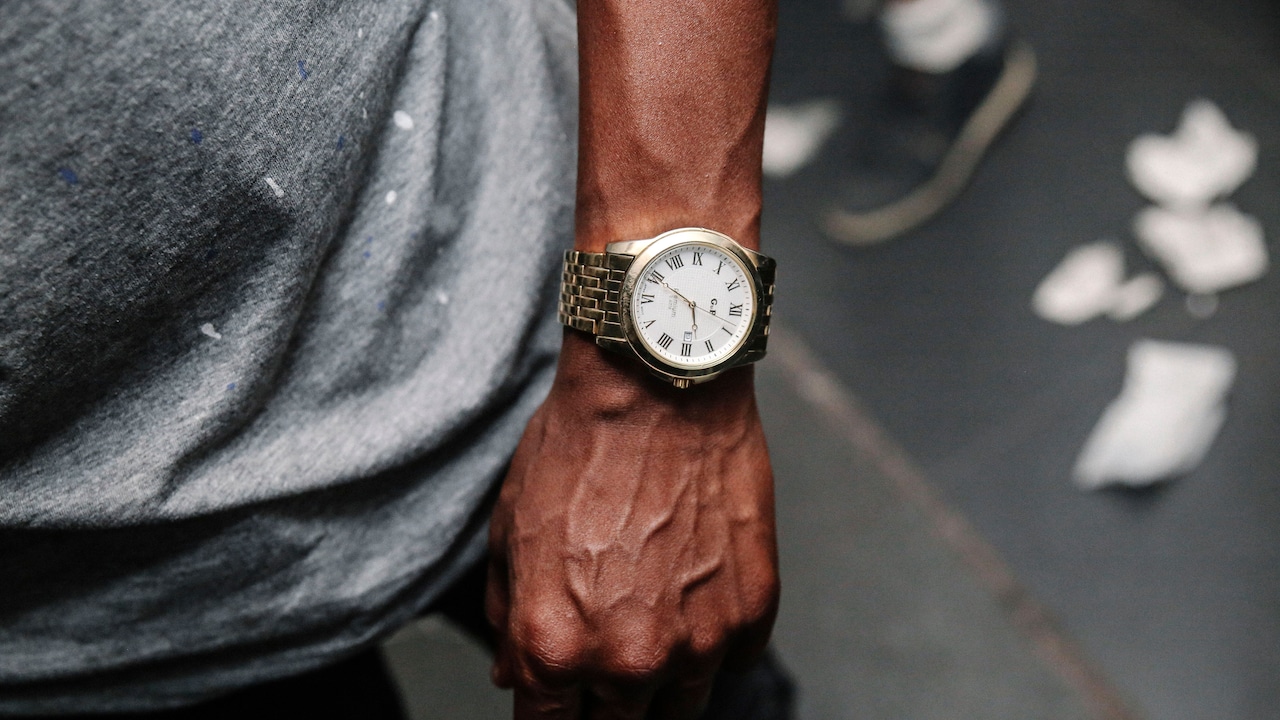
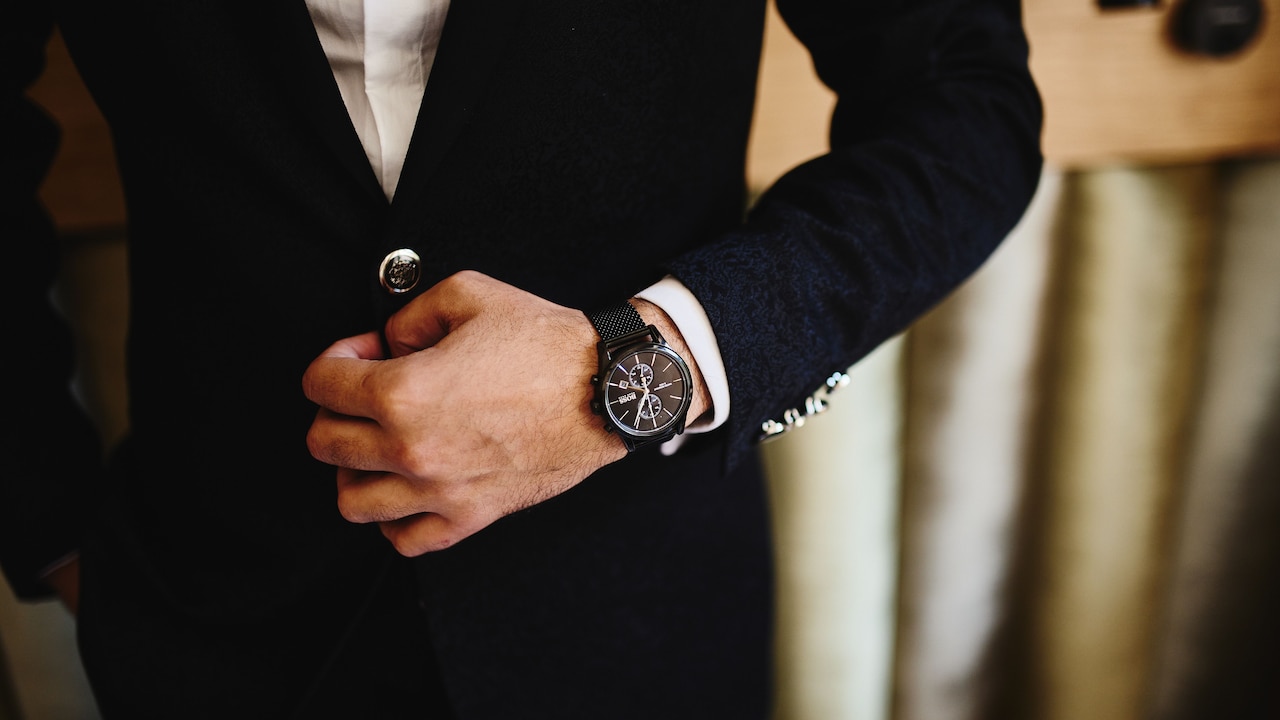
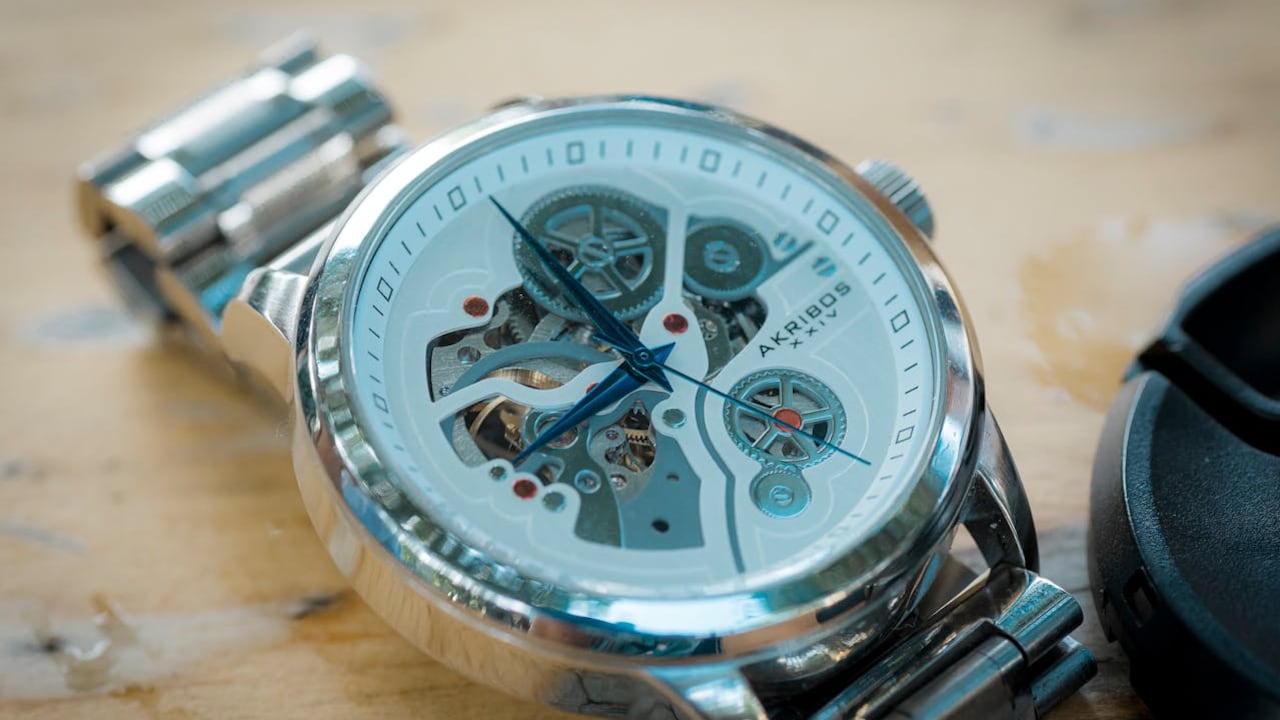
Wrist watches have gradually shifted from being tools to becoming symbols of identity. In an era dominated by identical smartphones, a watch feels refreshingly personal. It tells people something about who you are without lighting up or vibrating for attention. A sleek minimalist watch suggests restraint, while a bulky diver hints at adventure. Even affordable watches carry meaning because they are chosen deliberately. Unlike phones, which are upgraded when contracts end, watches stay. People form routines around them. They become part of daily dress and memory, quietly expressing personality without demanding digital engagement.
The Quiet Power Of Watches In A World Ruled By Screens
Photo Credit: Pexels
Craftsmanship In A Disposable Tech Culture
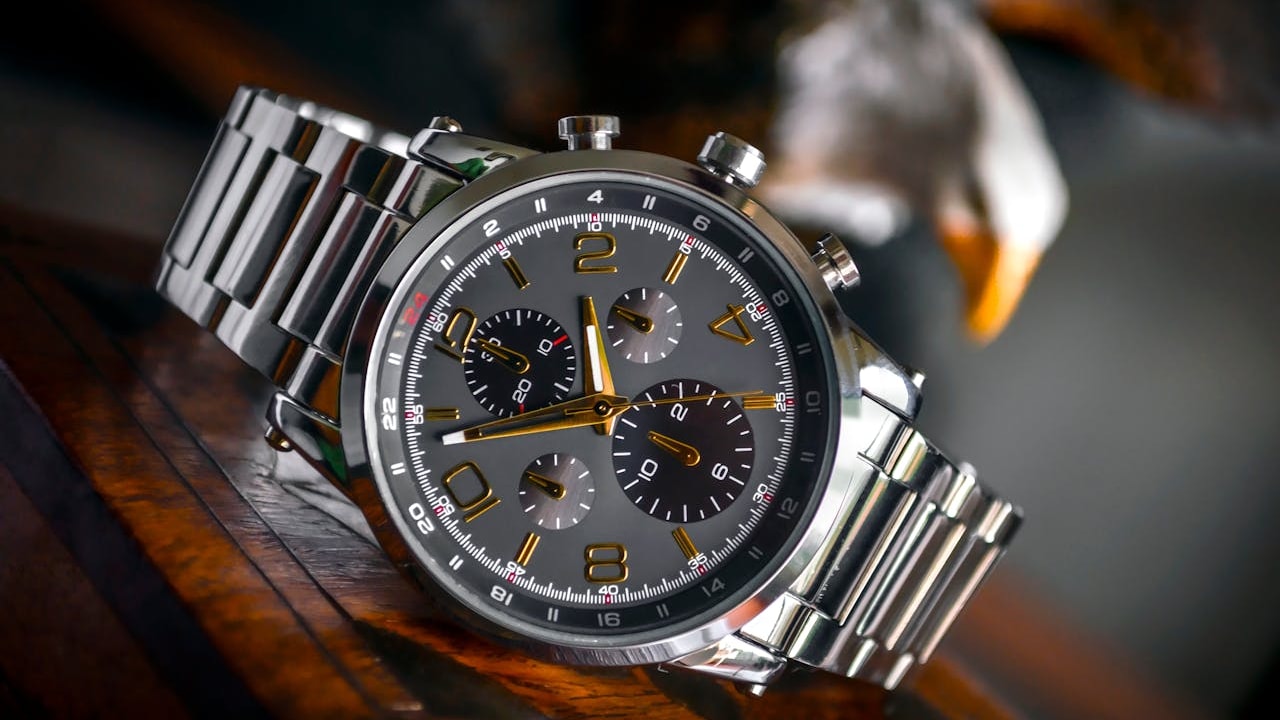
Part of the enduring appeal of watches lies in craftsmanship. Mechanical watches, in particular, are small engineering marvels designed to function for decades. They can be serviced, repaired, and passed down. This stands in sharp contrast to modern electronics that are sealed, disposable, and quickly outdated. Even quartz watches benefit from thoughtful design and material choices. Owning a well made watch can feel like participating in a slower, more intentional consumer culture. It is a conscious decision to value durability over novelty and appreciation over constant replacement in a world obsessed with the newest upgrade.
Fashion, Ritual, And Everyday Intentionality
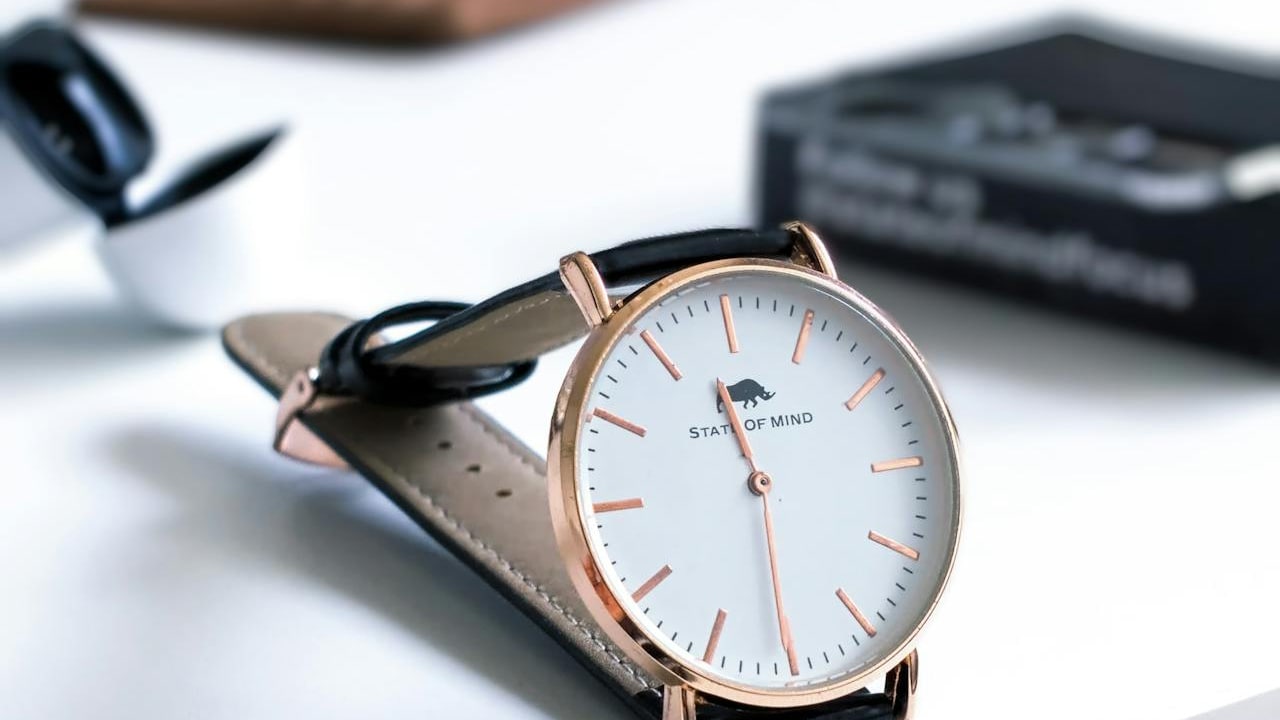
Watches also survive because they anchor daily ritual. Putting on a watch each morning can feel grounding, almost ceremonial. It separates preparation from distraction. Fashion plays a major role here. Watches adapt effortlessly across outfits, occasions, and identities. They are among the few accessories acceptable across generations, professions, and styles. Importantly, watches do not demand interaction. They show the time and stop there. Many people find comfort in this restraint. In a lifestyle increasingly shaped by notifications, a watch offers presence. It stays silent and lets moments unfold naturally.
Also Read: 7 Best Smartwatches With AI Voice Assistants
Coexistence With Smartphones And Smartwatches
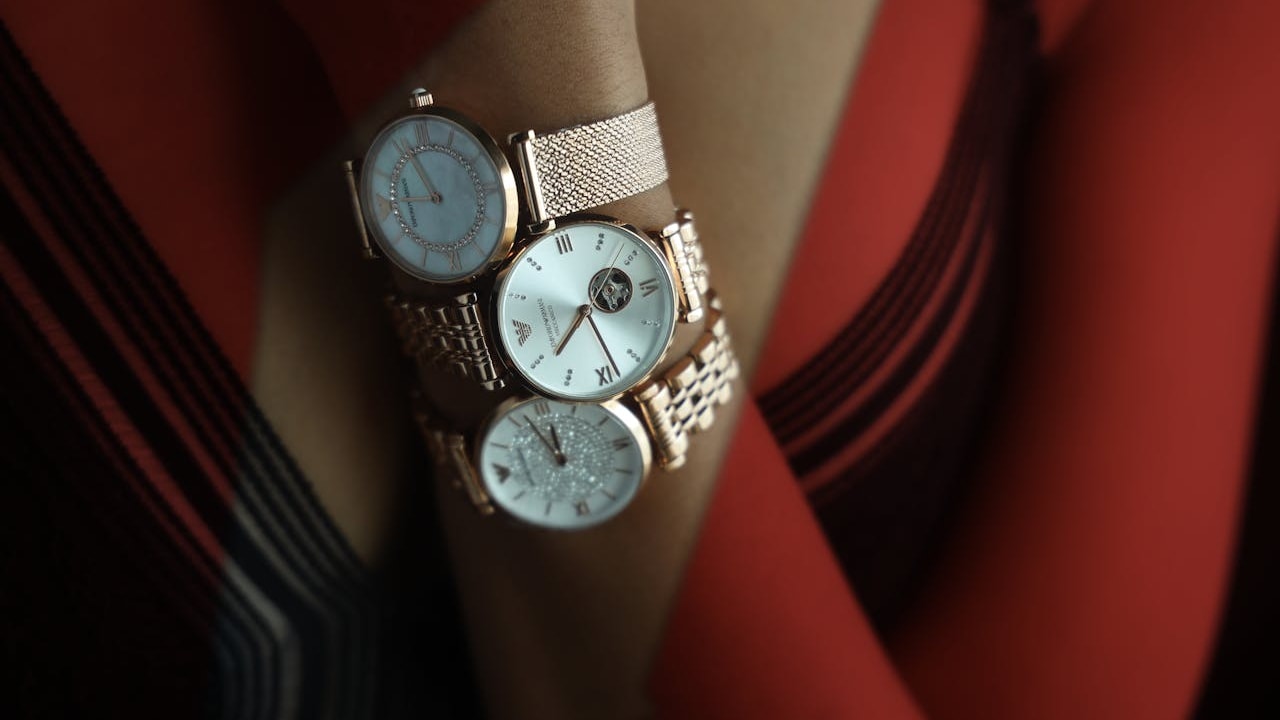
Rather than replacing watches, smartphones and smartwatches have changed their meaning. Consumers now choose different devices for different purposes. Smartphones connect, smartwatches track, and traditional watches express. This coexistence reflects a more mature relationship with technology. People no longer expect one gadget to do everything perfectly. A watch without notifications becomes a relief. Even smartwatch users often return to analogue designs on weekends. The future of watches is not competition but coexistence. By carving out a quieter, more intentional role, wrist watches remain relevant while the digital world grows louder.
Watches Still Endure In A Screen-Obsessed Age
Photo Credit: Pexels
Wrist watches refuse to die because they offer something rare in modern life, focus without noise. Wearing a watch is a small declaration of independence from screens, alerts, and endless updates. It is also an appreciation of care, design, and durability in a disposable culture. Whether mechanical, digital, or smart, watches now coexist rather than compete. They remind us that time is not only measured, but experienced. Choosing a watch becomes less about knowing the hour and more about choosing how intentionally we live each day in a faster, noisier, increasingly distracted world today, quietly balanced, personal, meaningful, enduring, human. Explore more here!
Watches That Prove Timeless Style Still Matters
1. Casio G-Shock GA-2100-1A1DR Black Analog-Digital
2. Casio Youth Series Digital Black Dial Men AE-1500WH-1AVDF (D218)
3. Titan Analogue Men's Watch (Black Dial Black Colored Strap)/NP1805NM01
4. Titan Raga Delight Quartz Analog Brown Dial Brown Metal Strap Watch for Women - NT2608QM02
5. Casio Vintage AQ-230A-1DMQ Analog-Digital Black Dial Unisex Watch Silver Metal Strap (AD01)
6. Fossil Grant Chronograph Blue Dial Men's Watch - FS4835Ie
7. Titan Quartz Analog Silver Dial Brown Leather Strap Watch for Women - 2638WL01
8. Titan Karishma Quartz Analog Champagne Round Dial Golden - NT2593YM01
9. Sonata Aspire Quartz Analog Black Dial Black Stainless Steel Strap Watch for Men - NT77105NM03W
10. Casio Unisex Vintage A168XES-1BDF Black Digital Dial Transparent Resin Strap D306
Frequently Asked Questions (FAQs)
Q1. Do people still buy wrist watches despite smartphones?
Yes, many consumers actively choose wrist watches for style, comfort, and simplicity. Watches serve personal and aesthetic purposes that smartphones cannot replicate.
Q2. Are traditional watches becoming obsolete?
Traditional watches are not obsolete but have shifted roles. They are now valued more as fashion items, heirlooms, and expressions of identity.
Q3. Why do people prefer watches over checking their phones?
Checking the time on a watch is quick and distraction free. Phones often pull attention into notifications and apps unintentionally.
Q4. Are smartwatches replacing traditional watches?
Smartwatches and traditional watches serve different needs. Many people own both and switch depending on occasion or activity.
Q5. Will wrist watches remain relevant in the future?
Wrist watches are likely to remain relevant as long as people value personal style and mindful living. Their quiet functionality gives them lasting appeal.
(Disclaimer: This article may include references to or features of products and services made available through affiliate marketing campaigns. NDTV Convergence Limited (“NDTV”) strives to maintain editorial independence while participating in such campaigns. NDTV does not assume responsibility for the performance or claims of any featured products or services.)