Why Your Shirt Looks Cheap Even When It Is Not: Stitching Details That Give It Away
Even expensive shirts can look cheap. The reason often lies in stitching details, uneven seams, loose threads, and poor finishing that quietly ruin the overall look.

Explore overlooked things that often make shirts look cheap
A well-made shirt has a certain quiet confidence. It does not shout for attention, yet it looks sharp whether paired with denim for a casual evening or tucked into formal trousers for a meeting. However, many wardrobes contain shirts that feel expensive but somehow fail to impress. The fabric might be fine, the colour flattering, and the fit seemingly right, yet something feels off.

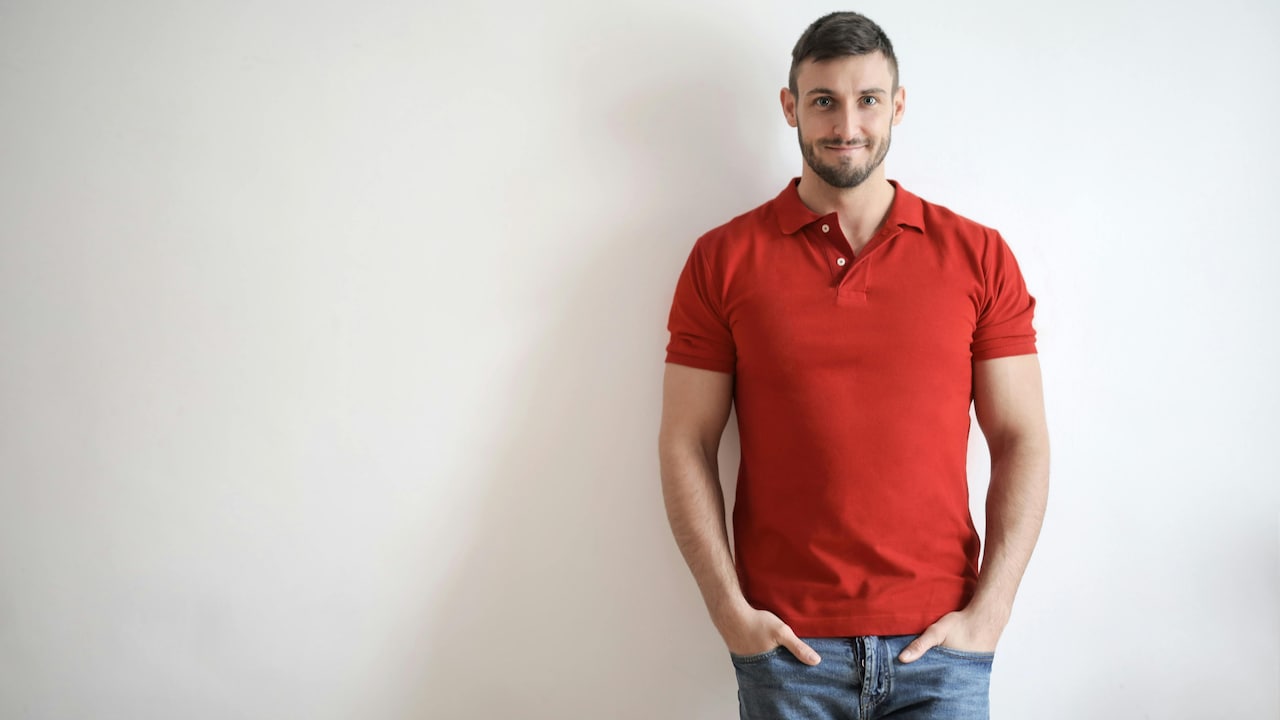
10 common things that make shirts look cheap; Photo Credit: Pexels
That “something” often hides in the stitching. Tiny construction details can make or break the overall impression of a shirt. These are not always obvious at first glance, but once noticed, they become impossible to ignore. A ₹3,000 shirt can easily look like it came from a clearance rack if the stitching lacks precision.
Understanding these details does not require expert tailoring knowledge. It simply calls for a closer look and a bit of awareness. The difference between a shirt that looks refined and one that appears cheap often lies in craftsmanship, specifically, how carefully it has been stitched together.
Also Read: Top 7 Lightweight Shirts For Women That Work For Crowded Commutes And Still Look Stylish
The Subtle Stitching Details That Make Or Break Your Shirt
Uneven Stitch Lines Break The Illusion Of Quality
The eye naturally follows lines, and stitching lines are among the most visible features on a shirt. When these lines appear uneven or wavy, they instantly disrupt the garment's visual harmony. Even a slight wobble along the seams can make the shirt seem poorly constructed.
High-quality shirts maintain consistent stitching throughout. The lines run straight, parallel, and clean, creating a sense of order. In contrast, uneven stitching often signals rushed manufacturing. It suggests that attention to detail was not a priority.
This becomes particularly noticeable around the shoulders and side seams. These areas endure the most strain and movement. If the stitching falters here, the shirt quickly loses its polished appearance. Over time, uneven seams may also cause the fabric to twist or sit awkwardly on the body.
In a busy market, where many garments compete for attention, such small flaws can make a shirt feel less reliable. A quick glance in the mirror might not reveal it, but under closer inspection, or in bright daylight, the difference becomes clear.
Loose Threads Create A Careless Finish
Few things diminish a shirt's appeal faster than loose threads. They may seem minor, almost harmless, but they speak volumes about the garment's finishing standards. A shirt with stray threads gives off the impression of being incomplete.
Loose threads often appear around buttons, cuffs, and hemlines. These are areas that should receive the most careful finishing. When threads dangle or unravel, they suggest that quality checks were skipped or rushed.
Beyond aesthetics, loose threads can lead to practical issues. They may snag on watches, bags, or even jewellery. Over time, this can weaken the stitching and lead to larger problems such as seams coming undone.
A well-finished shirt feels neat and intentional. Every thread has a purpose, and nothing appears out of place. When threads are left hanging, the shirt loses its refined edge. It starts to resemble something picked up in a hurry, even if it cost ₹2,500 or more.
Inconsistent Stitch Density Signals Poor Craftsmanship
Stitch density refers to how closely the stitches sit together. It might sound technical, but it plays a significant role in how a shirt looks and performs. High-quality shirts feature consistent stitch density across all seams.
When the stitches are too far apart, the shirt may look flimsy. On the other hand, overly tight stitching can cause puckering, where the fabric gathers and creates uneven textures. Both extremes disrupt the garment's smooth finish.
Inconsistent density often appears in mass-produced shirts where speed takes precedence over precision. One seam might look perfectly fine, while another seems rushed. This inconsistency catches the eye, even if only subconsciously.
A shirt with balanced stitching feels sturdy and looks refined. It sits well on the body and maintains its shape after multiple washes. In contrast, uneven stitch density can make even premium fabric appear cheap, as if the shirt lacks structure and care.
Poorly Attached Buttons Undermine The Look
Buttons may be small, but they carry significant visual weight. A shirt with poorly attached buttons can instantly lose its appeal. When buttons wobble or feel insecure, the shirt appears unreliable.
Quality shirts have secure buttons with tight, even stitching. Some even include a cross-stitch or a shank to ensure durability. This not only strengthens the button but also adds a subtle touch of elegance.
In contrast, loosely stitched buttons often tilt or sit unevenly. This creates a slightly off-centre look, which becomes noticeable when the shirt is worn. Over time, these buttons may fall off, adding inconvenience to the list of issues.
Imagine heading out for an important meeting, only to notice a button hanging by a thread. It is a small detail, yet it can affect confidence. A shirt that feels secure and well-constructed naturally enhances the overall appearance.
Collar Stitching Reveals The True Quality
The collar frames the face, making it one of the most important parts of a shirt. Any flaw in its stitching becomes immediately noticeable. A poorly stitched collar can ruin an otherwise well-made garment.
Look closely at the edges of the collar. High-quality shirts feature crisp, even stitching that follows the shape precisely. The collar should lie flat and maintain its structure without curling or collapsing.
Cheap-looking shirts often have uneven or bulky stitching around the collar. This can cause the edges to ripple or lose shape after washing. In some cases, the collar may even twist slightly, creating an unbalanced look.
Given how prominently the collar sits, its stitching plays a crucial role in the shirt's overall impression. A clean, well-constructed collar adds sophistication, while a flawed one draws unwanted attention.

Uneven or bulky stitching around the collar can make shirts look cheap; Photo Credit: Pexels
Cuff Finishing Reflects Attention To Detail
Cuffs may not always be the first thing noticed, but they contribute significantly to a shirt's overall polish. They often come into focus during gestures, checking the time, reaching for a cup of chai, or typing away on a laptop.
Well-made cuffs feature precise stitching that aligns perfectly along the edges. The buttonholes are clean, and the fabric feels structured yet comfortable. Everything appears intentional and balanced.
Poorly finished cuffs, however, may show uneven stitching, loose threads, or misaligned buttonholes. These flaws may seem minor, but become more apparent with repeated use.
Cuffs endure frequent wear and washing, making their construction even more important. A shirt that maintains its cuff structure over time feels dependable. In contrast, poorly stitched cuffs can fray quickly, making the shirt look worn out sooner than expected.
Side Seams That Twist Distort The Fit
A shirt might fit perfectly when tried on, but twisted side seams can change how it looks when worn. This issue often arises from uneven stitching or improper fabric alignment during construction.
Twisted seams cause the shirt to shift slightly on the body. The hem may tilt, and the overall silhouette may appear uneven. While subtle, this distortion affects the shirt's balance.
High-quality shirts ensure that side seams run straight from underarm to hem. This creates a clean, symmetrical appearance. When seams twist, the shirt loses that sense of order.
Over time, washing can worsen the issue. The fabric may settle into the twisted shape, making it more noticeable. A shirt that once seemed fine can gradually start to look awkward.
Visible Puckering Ruins Smooth Fabric Flow
Puckering occurs when stitching pulls the fabric too tightly, creating small gathers along the seams. This is often seen around armholes, shoulders, or button plackets.
Smooth fabric should lie flat, allowing the shirt's design to shine. Puckering disrupts this flow, making the garment appear poorly made. It can also affect comfort, as the fabric may feel uneven against the skin.
This issue often results from mismatched thread tension or improper stitching techniques. It suggests a lack of precision during manufacturing.
A shirt priced at ₹2,000 or above should maintain a clean, smooth finish. When puckering appears, it diminishes the perceived value. The shirt may still function well, but it loses its visual appeal.
Misaligned Patterns Expose Lack Of Precision
Pattern alignment is a subtle yet powerful indicator of quality. Whether it is stripes, checks, or prints, the design should align seamlessly across seams.
When patterns fail to match, it creates a disjointed look. Stripes may shift at the shoulder, or checks may break awkwardly at the pocket. This misalignment draws attention and disrupts the shirt's visual harmony.
Achieving proper alignment requires careful cutting and stitching. It takes time and precision, which is why it is often overlooked in cheaper manufacturing processes.
A well-aligned pattern feels satisfying to look at. It reflects thoughtful craftsmanship. On the other hand, misalignment makes the shirt appear rushed and less refined, regardless of its price.
Hem Stitching Determines The Final Impression
The hem is the finishing touch of a shirt. It may seem like a small detail, but it plays a significant role in how the garment looks overall.
A neatly stitched hem lies flat and follows a consistent curve. It adds to the shirt's structure and ensures a clean silhouette. Whether worn tucked in or out, the hem contributes to the overall polish.
Poor hem stitching, however, can appear uneven or bulky. It may curl or lose shape after washing. This affects how the shirt drapes, making it look less refined.
Since the hem sits at the bottom, it often escapes immediate attention. Yet, it quietly influences the overall impression. A well-finished hem completes the shirt, while a flawed one leaves it looking unfinished.
Products Related To This Article
1. Roadster The Lifestyle Co. Tartan Checked Regular Fit Shirt
2. Thomas Scott Men Premium Pure Cotton Formal Shirt
3. Style Quotient Women White Formal Shirt
4. Allen Solly Men Solid Slim Fit Shirts
5. Tzelynn Embroidered Spread Collar Casual Shirt
6. Powerlook Men Casual Shirt
7. all about you Floral Embroidered Casual Shirt
A shirt's true value lies not just in its fabric or brand name but in the craftsmanship that holds it together. Stitching details may seem small, but they carry significant weight in shaping how a garment looks and feels.
From straight seams to secure buttons, each element contributes to a polished appearance. When these details fall short, even an expensive shirt can appear underwhelming. It is a reminder that quality is often found in the finer things.
Paying attention to stitching does not require expertise. A quick inspection can reveal a lot about a shirt's construction. Over time, this awareness helps in making better choices, ensuring that every purchase feels worth the price. After all, a well-made shirt does more than cover; it elevates.
(Disclaimer: This article may include references to or features of products and services made available through affiliate marketing campaigns. NDTV Convergence Limited (“NDTV”) strives to maintain editorial independence while participating in such campaigns. NDTV does not assume responsibility for the performance or claims of any featured products or services.)