Why Your Watch Strap Smells In Summer: Cleaning And Material Fixes
Summer sweat, humidity and trapped grime can make your watch strap smell. Learn why different strap materials hold odour and how simple cleaning, drying and material swaps can keep your wrist fresh.

Why Your Watch Strap Smells In Summer: Cleaning And Material Fixes
Summer has a way of testing everyday things. Shirts cling, phone screens fog up, helmets feel like pressure cookers, and watch straps begin to smell like they have lived several lives. A watch may be a tiny accessory, but in hot weather it sits right where sweat gathers. The wrist bends, the skin warms up, and the strap absorbs the day's story. That story may include a crowded Metro ride, a two-wheeler commute through dusty roads, office air-conditioning, roadside chai, gym sweat, sunscreen, handwash and a sudden rain shower. By evening, the strap can carry more memories than anyone asked for.
Why Your Watch Strap Smells In Summer: Cleaning And Material Fixes
Photo Credit: Pexels
A smelly watch strap does not always mean poor hygiene. It usually means the material, moisture and heat are having a party. The fix lies in understanding what causes the smell and how each strap type behaves in summer.
Common Reasons Your Watch Strap Smells In Summer
Sweat Is The First Culprit
Sweat itself does not always smell strongly. The real trouble begins when sweat mixes with skin oils, dead skin cells, dust and bacteria. Your wrist stays covered for long hours, so the strap creates a warm, slightly damp space. In summer, that space becomes a tiny greenhouse.
This is why a watch worn all day can smell worse than a T-shirt worn for the same time. Clothes usually breathe more and move around. A strap sits close to the skin and traps moisture in the same patch. The smell grows slowly, then announces itself at the worst possible moment, usually while adjusting the watch during a meeting or dinner.
A simple habit helps a lot. Remove the watch for a few minutes after reaching home. Let your wrist dry. Wipe the underside of the strap with a clean, slightly damp cloth. This tiny routine takes less time than making tea, but it stops sweat from settling into the material overnight.
Humidity Makes Odour Worse
Summer heat is bad enough, but humidity adds drama. When the air feels heavy, sweat does not evaporate quickly. It stays on the skin and seeps into strap holes, stitching, loops and textured surfaces. This dampness gives bacteria more time to grow.
Cities with sticky evenings can make even a clean strap smell musty. The problem becomes worse when the watch goes straight from sweat to a closed drawer. A dark drawer may look tidy, but it traps moisture. The strap gets no chance to breathe, so the smell matures like an unwanted pickle.
After wearing a watch on a humid day, keep it in an airy spot for some time before storing it. Avoid placing it inside a pouch immediately. A watch box looks elegant, but it should not become a moisture locker. If the room feels damp, a small silica gel packet near the watch can help. Just make sure it does not touch leather directly for long periods.
Soap And Sanitiser Leave Hidden Residue
Many people clean their hands often during summer, especially after travel, food or gym sessions. Soap, handwash and sanitiser may keep hands fresh, but some residue can slide under the watch strap. This residue then mixes with sweat and dust. Over time, the strap develops a sour or chemical smell.
The wrist often gets ignored while washing hands. Water splashes around the watch, but it may not rinse the underside properly. The strap stays wet, while soap remains trapped near the buckle or lugs. That hidden layer becomes sticky and attracts more dirt.
The fix is gentle but regular. Once a day, remove the watch before washing your hands properly. Clean the wrist area too. Then dry the skin before wearing the watch again. For water-resistant straps, wipe the underside with plain water and dry it fully. Avoid strong disinfectants on straps. They can fade colours, weaken adhesives and make leather crack faster than a dry summer pavement.
Leather Straps Need Extra Care
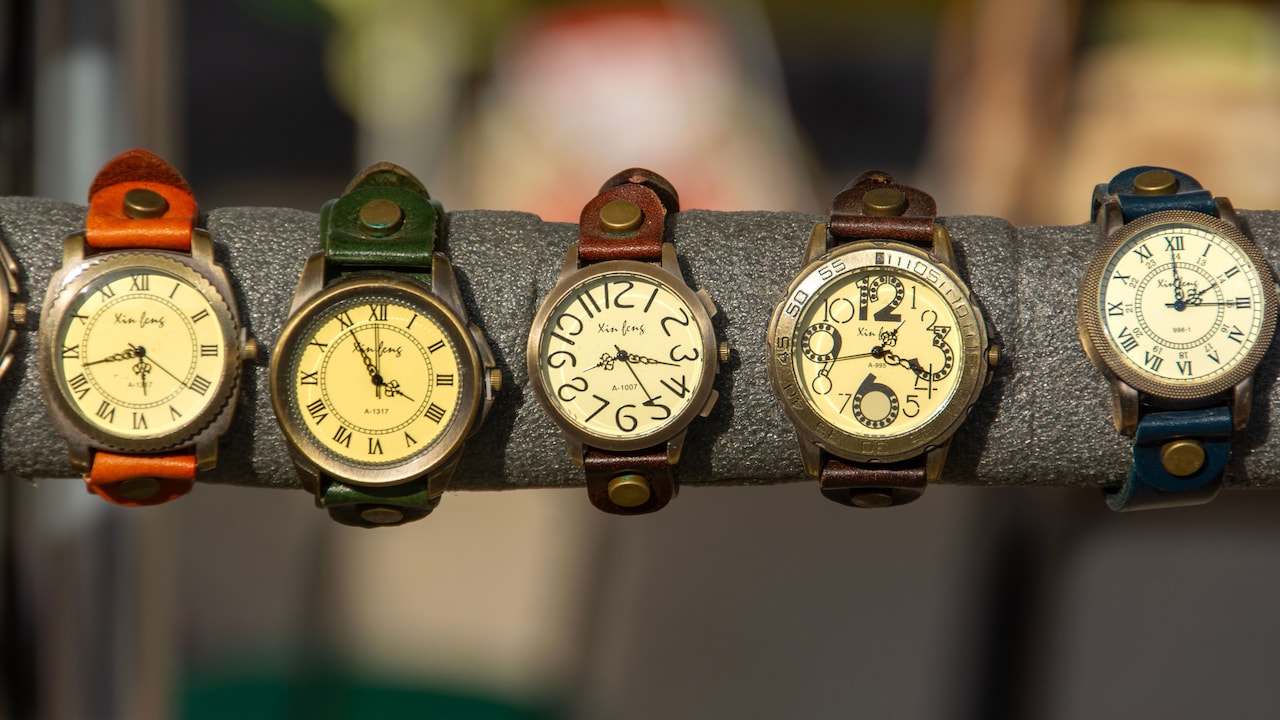
Leather straps look classy, but summer can be cruel to them. Leather is porous, so it absorbs sweat and skin oils easily. Once moisture enters the fibres, the strap can smell musty. Dark patches, stiffness and a faint sour odour are common signs of neglect.
A leather strap should not be soaked in water. That quick dip may feel satisfying, but it can damage the finish and shape. Instead, use a dry microfibre cloth after each wear. For deeper cleaning, use a barely damp cloth with a small amount of mild soap. Wipe gently, then follow with a clean damp cloth. Let the strap air-dry away from direct sunlight.
Leather conditioners can help, but use them sparingly. Too much product can make the strap greasy and attract dust. For daily summer wear, consider rotating leather with a silicone, nylon or metal strap. Save leather for office days, dinners or occasions where the watch needs to look sharp without battling three hours of sweat.
Why Your Watch Strap Smells In Summer: Cleaning And Material Fixes
Photo Credit: Pexels
Silicone Straps Trap Grime In Texture
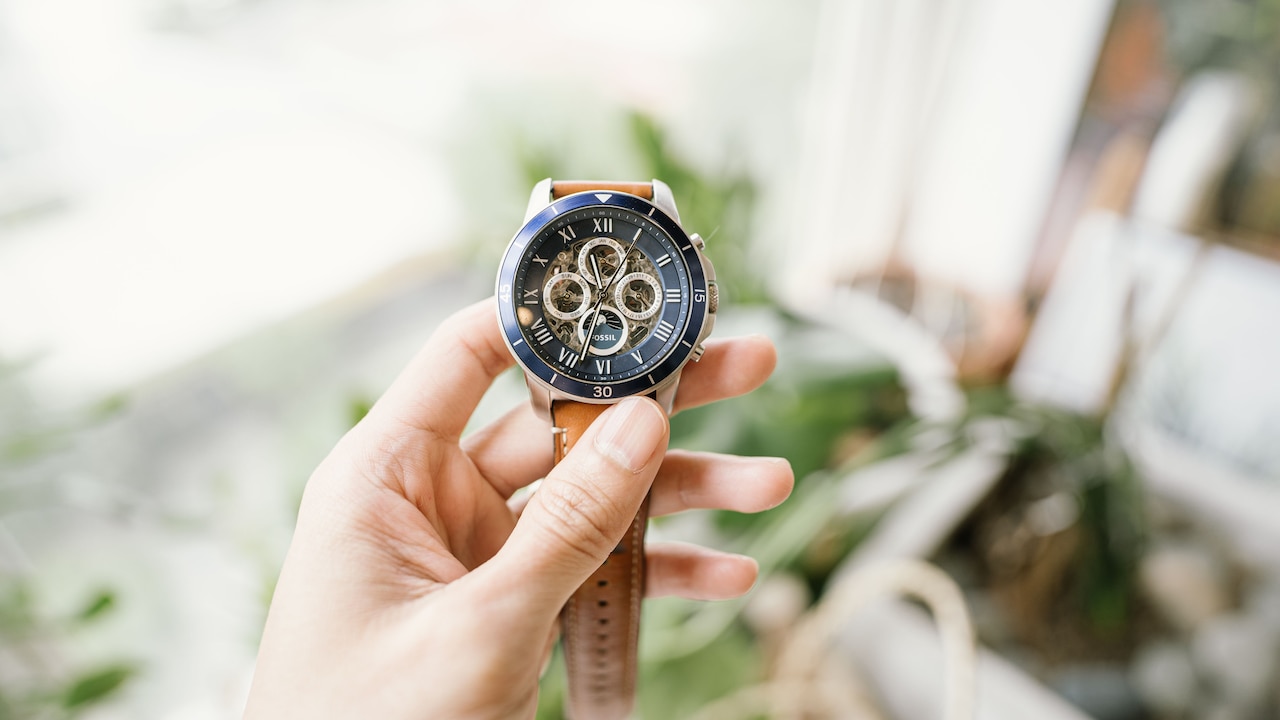
Silicone and rubber straps are popular because they handle sweat better than leather. They suit workouts, casual wear and rainy days. Yet they can still smell if ignored. The surface may look smooth, but textured patterns, strap holes and keeper loops collect grime.
A silicone strap often develops a smell near the buckle and the underside. Sunscreen, talcum powder, moisturiser and sweat can form a stubborn film. This film feels slightly slippery or chalky. When bacteria settle there, the strap begins to smell unpleasant.
Cleaning silicone is simple. Remove the strap from the watch if possible. Wash it with lukewarm water and mild liquid soap. Use a soft toothbrush to clean holes and grooves. Rinse well, because leftover soap can cause irritation. Dry it with a towel and let it air-dry completely before wearing it again.
Avoid harsh cleaners, bleach and strong alcohol. They may make the strap look dull or brittle. A clean silicone strap should feel smooth, not sticky.
Also Read: Top 5 Fitness Smartwatches For Daily Health Tracking Under ₹3000
Nylon And Fabric Straps Hold Sweat Like A Towel
Nylon, canvas and fabric straps are comfortable in summer because they feel light. They also come in fun colours and sporty designs. The problem is that fabric absorbs sweat quickly. A strap worn during a gym session, long commute or outdoor market visit can hold odour like a small towel wrapped around the wrist.
Fabric straps need more frequent cleaning than many people expect. A quick wipe will not remove deep sweat. Soak the strap in lukewarm water with mild soap for a short time. Rub it gently with your fingers or a soft brush. Rinse until the water runs clear, then press it between towels. Do not twist it aggressively, as this can deform the weave.
Drying matters most. A damp fabric strap can smell worse than before. Leave it in a shaded, airy place. Direct sunlight may fade bright colours. For anyone who wears fabric straps daily, keeping two straps on rotation makes life easier. One can dry properly while the other earns its steps.
Metal Bracelets Hide Dirt Between Links
Metal bracelets seem safer because stainless steel does not absorb sweat like leather or fabric. Still, metal straps can smell. The culprit hides between links, under the clasp and around the end pieces. Sweat, dust, and dead skin collect there in a greyish paste. It sounds unpleasant because it is.
The smell may not come from the metal itself. It comes from the trapped grime. A metal bracelet worn during summer travel can gather dust from roads, train platforms and office desks. Add sweat, and the bracelet becomes a tiny storage unit for odour.
Clean metal bracelets with a soft toothbrush, mild soap and lukewarm water. Keep the watch head away from water unless it has reliable water resistance. When unsure, remove the bracelet before cleaning. Scrub between links gently. Rinse and dry with a soft cloth. Use a cotton bud near the clasp. Make sure no water remains trapped, as moisture can leave marks and invite more grime.
Sunscreen And Moisturiser Can Feed The Smell
Summer skincare saves the skin, but it can trouble watch straps. Sunscreen, moisturiser, body lotion and even hair products can transfer to the wrist. These products create a layer that traps dirt. On silicone, it becomes slick. On leather, it stains. On fabric, it sinks in. On metal, it gathers between links.
Many people apply sunscreen and immediately wear a watch. That gives the product no time to settle. The strap presses it into the skin, then absorbs or traps it. By afternoon, heat and sweat mix everything into a fragrant mess that no perfume can politely hide.
Let lotions and sunscreen dry before wearing a watch. A gap of a few minutes helps. Wipe the wrist lightly if it feels greasy. For beach days, cricket matches, scooter rides or long shopping trips, choose a strap that can be washed easily. Silicone, rubber or metal usually works better than leather. The watch may be stylish, but summer rewards practicality.
Poor Drying Causes The Musty Smell
Cleaning a strap is only half the job. Drying it properly matters just as much. A strap that stays damp can smell musty even after washing. This happens often with fabric straps, leather linings, silicone loops and metal clasps. Water hides in small spaces and turns stale.
Never wear a damp strap because the wrist will warm it up quickly. That warmth brings back odour. It can also irritate the skin, especially during humid weather. Redness, itching or a rash under the watch often comes from trapped moisture rather than the watch itself.
After cleaning, pat the strap dry with a soft towel. Leave it open, not buckled closed. Keep it in a shaded place with moving air. A ceiling fan does a decent job. Avoid hairdryers and harsh sunlight, especially for leather and coloured straps. Heat can crack, warp or fade materials. A dry strap feels lighter, smells cleaner and lasts longer.
Strap Rotation Is A Smart Summer Habit
One strap for every day sounds convenient, but summer asks for a little strategy. Rotating straps prevent odour from building up. It also helps each strap dry fully between wears. This does not require a luxury collection. Even two practical straps can make a big difference.
A silicone strap can handle workouts and rainy commutes. A metal bracelet can work for office wear. A leather strap can stay reserved for dressier moments. A fabric strap can suit relaxed weekends, provided it gets washed often. This rotation keeps the watch feeling fresh and gives each material the treatment it deserves.
Replacement straps are available across many price points, from simple ₹300 options to premium straps costing several thousand rupees. The smartest choice is not always the most expensive one. It is the one that suits your routine. Someone who sweats heavily or travels daily should pick washable materials first. Style can still stay in the picture, but comfort must get the front seat.

Why Your Watch Strap Smells In Summer: Cleaning And Material Fixes; Photo Credit: Pexels
Products Related To This Article
1. Timex Women Bracelet Style Straps Analogue Watch
2. Titan Karishma Quartz Analog With Champagne Dial Watch For Women
3. French Connection Unisex Dial & Straps Analogue Watch
4. Titan Quartz Analog With Silver Dial Watch For Women
5. Fastrack Women Dial & Bracelet Style Straps Analogue Watch
6. Mast & Harbour Unisex Printed Dial & Leather Straps Analogue Watch
7. United Colors of Benetton Women Stainless Steel Straps Analogue Watch
A smelly watch strap is not a mystery, and it is rarely a disaster. Summer simply exposes what the strap collects every day. Sweat, humidity, soap, sunscreen, dust and poor drying come together quietly. Then one day, the wrist smells less like sandalwood soap and more like a forgotten gym bag.
The solution is refreshingly simple. Wipe the strap after use. Wash washable materials properly. Treat leather gently. Let every strap dry before storing it. Rotate straps when possible, especially during peak heat and humidity. These small habits keep the watch comfortable, clean and pleasant to wear.
A watch often says something about taste, routine and personality. In summer, it also says whether the strap got cleaned. Give it a little care, and it will stop announcing the weather through smell.
(Disclaimer: This article may include references to or features of products and services made available through affiliate marketing campaigns. NDTV Convergence Limited (“NDTV”) strives to maintain editorial independence while participating in such campaigns. NDTV does not assume responsibility for the performance or claims of any featured products or services.)