Work Bags vs Travel Bags: 10 Key Features You Need To Make The Perfect Choice
Work bags and travel bags serve different daily needs. From design and comfort to storage and durability, this guide breaks down 10 key features to help you choose the right bag for workdays or journeys. These features separate work bags from travel bags.
Work Bags Vs Travel Bags: How To Choose The Right Bag For Daily Needs.
Bags rarely get the attention they deserve. They sit by the door every morning, travel on crowded buses, squeeze into metro compartments, and wait patiently under office desks or café tables. However, choosing the wrong one can mean aching shoulders, creased clothes, or frantic moments spent searching for keys. Choosing the right one, however, makes daily life feel lighter and far more organised.
Work bags and travel bags often get mixed up. Many people assume one good bag can do it all. In reality, each serves a very different rhythm of life. One is built for routine, structure, and professionalism. The other is designed for freedom, movement, and flexibility.
This guide explains the work bags vs travel bags difference by revealing these top 10 key features you need for daily use. The aim is simple: help readers choose a bag that fits their life, not the other way around.

Work Bags vs Travel Bags: Key Features You Need for Daily Use
Photo Credit: Pexels
What Truly Sets Work Bags and Travel Bags Apart
1. Purpose and Everyday Functionality
The biggest difference between work bags and travel bags lies in purpose. A work bag is designed for predictability. It carries laptops, notebooks, chargers, lunch boxes, and sometimes a change of footwear. Everything has a place, and quick access matters. Morning rush hours leave little room for rummaging.
Travel bags thrive on variety. One day they hold clothes for a weekend trip. Another day they carry snacks, power banks, books, and souvenirs. Flexibility sits at their core. Compartments are fewer but larger, allowing items of different shapes and sizes.
Daily use highlights this contrast clearly. A work bag feels uncomfortable when stuffed with clothes. A travel bag feels chaotic when holding documents and gadgets. Using the right bag for the right purpose reduces strain, saves time, and avoids frustration.
Those commuting daily often appreciate how a work bag supports routine. Those hopping between cities, weddings, or short breaks lean towards travel bags. Understanding how the bag will be used most days makes the choice obvious.
2. Design and Professional Appearance
Appearance matters, especially in work settings. A work bag often signals seriousness before a word is spoken. Clean lines, neutral colours, and minimal branding dominate its design. Leather finishes, structured shapes, and subtle textures blend well with formal and semi-formal outfits.
Travel bags lean towards casual charm. Bright colours, bold zips, external straps, and expandable sections give them a relaxed look. These features help during journeys but stand out sharply in office corridors or client meetings.
Daily use in professional environments demands restraint. Carrying a bulky travel backpack into a boardroom feels awkward. Similarly, using a slim leather briefcase for overnight trips feels limiting.
Design reflects intent. Work bags prioritise elegance and restraint. Travel bags celebrate freedom and movement. Choosing based on setting avoids visual mismatches and builds quiet confidence.
3. Organisation and Compartments
Organisation defines the work bag experience. Dedicated laptop sleeves, pen holders, card slots, document pockets, and key loops bring order to busy days. Everything stays visible and accessible. No last-minute digging during meetings.
Travel bags offer a different approach. Large compartments dominate, often paired with a few mesh pockets. Packing cubes become useful companions here. This design suits clothes, shoes, and toiletries, but struggles with smaller daily items.
Using a travel bag for office work often leads to tangled chargers and crushed papers. Using a work bag for travel leads to overstuffing and broken zips.
Daily efficiency improves when items stay in their place. Work bags shine in this area. Travel bags focus on volume rather than structure. Matching organisation style with daily needs makes a noticeable difference.
4. Comfort and Weight Distribution
Daily commuting places strain on shoulders and backs. Work bags account for this with padded straps, reinforced handles, and balanced weight distribution. They remain comfortable during short walks, metro rides, and staircases.
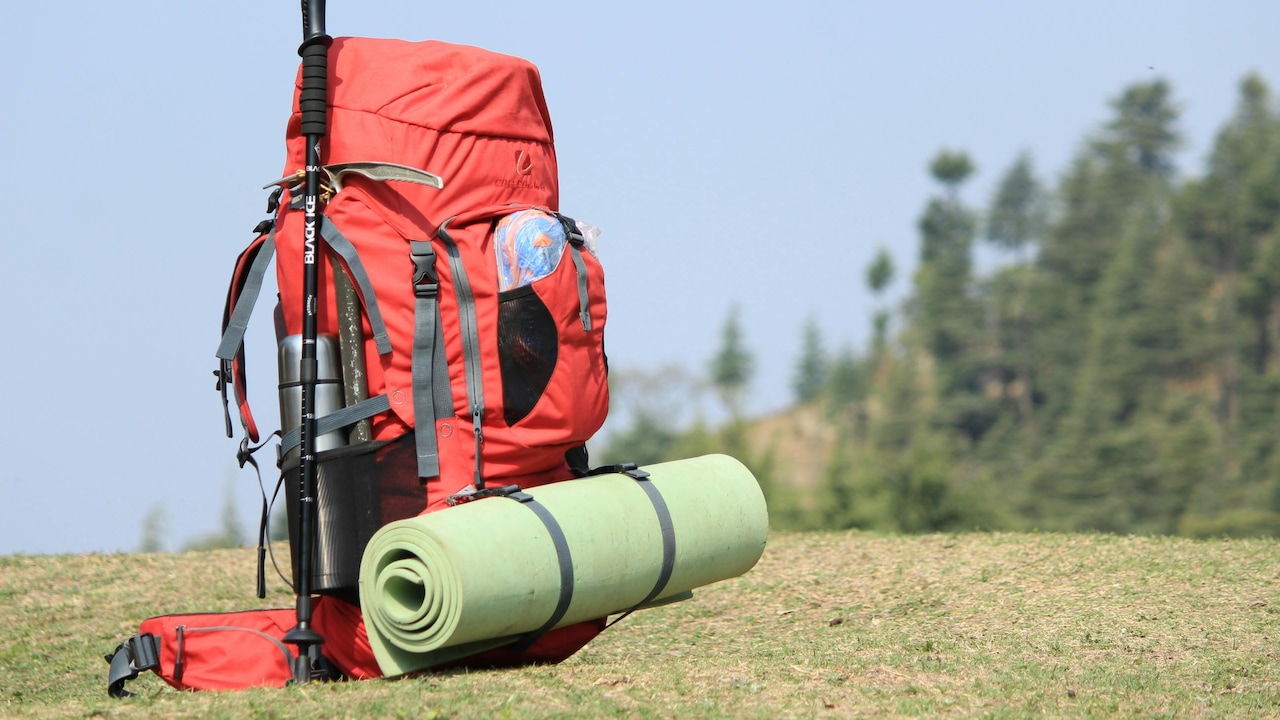
Travel bags face longer carrying times. Trekking through stations, airports, and uneven streets demands stronger padding, chest straps, and ergonomic back panels. Weight distribution matters more over hours than minutes.
Using a travel bag daily often feels bulky. Using a work bag for long journeys quickly becomes painful. Comfort depends on duration and load.
For daily use, lighter structure and focused padding work best. Travel demands endurance-focused design. Comfort should never be compromised, especially when daily routines repeat without mercy.
5. Material and Durability
Work bags favour refined durability. Leather, faux leather, and high-quality fabric blends dominate. They resist scratches, maintain shape, and age gracefully. Durability here supports appearance as much as strength.
Travel bags face harsher treatment. Rough handling, unpredictable weather, and heavy loads demand water-resistant fabrics, reinforced stitching, and durable zips. Scuffs and stains become badges of experience rather than flaws.
Daily use exposes bags to dust, spills, and crowded spaces. A work bag must clean easily and maintain form. A travel bag must survive chaos without complaint.
Choosing material based on daily exposure avoids disappointment. A delicate bag on rough journeys wears out quickly. A rugged travel bag in office settings looks out of place. Balance matters.
6. Size, Capacity, and Practical Limits
Size plays a silent but powerful role. Work bags stick to essentials. Oversized bags feel cumbersome and unprofessional. Carrying unnecessary items adds weight and clutter.
Travel bags embrace capacity. Expandable sections, compression straps, and generous interiors allow flexible packing. This suits spontaneous plans and varied journeys.
Daily use benefits from restraint. Carrying everything “just in case” leads to fatigue. A work bag encourages discipline. A travel bag encourages preparedness.
Choosing the right size prevents overpacking and strain. Daily routines thrive on simplicity. Travel thrives on readiness. Understanding limits keeps both experiences comfortable.
7. Security and Safety Features
Security matters in crowded environments. Work bags often include hidden pockets, lockable zips, and RFID-protected compartments. These protect devices, cards, and documents during daily commutes.
Travel bags go further. Anti-theft designs, slash-resistant fabrics, and lock loops cater to unfamiliar surroundings. Security remains essential over longer exposure periods.
Daily use requires quick access without sacrificing safety. Travel demands peace of mind over an extended time.
Using a travel bag daily may feel overly cautious. Using a basic work bag during long journeys may feel risky. Matching security features with exposure level makes everyday movement smoother.
8. Weather Resistance and Practicality
Unexpected rainstorms test bag quality instantly. Work bags often offer light water resistance but rely on covers or careful handling. Style sometimes wins over protection.
Travel bags prioritise weather resistance. Waterproof coatings, sealed seams, and protective flaps guard contents during sudden showers and spills.
Daily use often involves short exposure. Travel exposes bags for hours. Practicality varies accordingly.
Those commuting daily benefit from moderate protection. Frequent travellers benefit from robust shielding. Choosing based on exposure avoids soggy documents and damaged electronics.

Work Bags vs Travel Bags: Key Features You Need for Daily Use
Photo Credit: Pexels
9. Cost, Value, and Long-Term Use
Work bags often sit at mid to premium price points. ₹2,000 to ₹6,000 covers quality options. The investment reflects daily use and professional value.
Travel bags range widely. Budget options start around ₹1,500. Premium models cross ₹10,000, offering advanced durability and features.
Daily use wears bags quickly. Investing wisely prevents frequent replacements. A single multipurpose bag rarely delivers equal value in all scenarios.
Understanding cost versus usage frequency helps justify spending. Paying more for daily comfort often proves economical long-term.
10. Lifestyle Fit and Personal Identity
Bags say more than expected. A structured work bag reflects organisation and professionalism. A rugged travel bag hints at adventure and flexibility.
Daily use blends personal identity with practicality. Some prefer minimalism. Others enjoy bold designs. Choosing a bag that aligns with your lifestyle boosts confidence.
For daily routines, work bags feel like quiet partners. For journeys, travel bags feel like trusted companions.
Selecting a bag that fits personality and routine makes everyday movement enjoyable. Function matters, but emotional comfort matters too.
Products Related To This Article
1. Emperor Large 34 L Backpack Multi-purpose Bag with USB charging Port Laptop, office, college bag
2. B-9 Fashion Medium 30 L Laptop Backpack High Quality Casual Unisex Travel, Office, School Backpack
3. Wrogn Large 35 L Laptop Backpack Linked
4. METRONAUT Large 32 L Laptop Backpack Unisex Backpack
5. ZWEELAY Small 20 L Backpack Cross Sling Bag For Men & Women Waterproof body
6. Aob Large 70 L Backpack UNISEX WaterProof Mountain Rucksack/Hiking/Trekking/Camping Bag/Travel
7. Flamebird Medium 24 L Laptop Backpack Apex
Work bags and travel bags serve different stories. One supports routine, discipline, and professionalism. The other embraces spontaneity, movement, and exploration. Trying to force one into the role of the other often leads to discomfort and frustration. Choosing wisely turns this simple accessory into a reliable companion.
(Disclaimer: This article may include references to or features of products and services made available through affiliate marketing campaigns. NDTV Convergence Limited (“NDTV”) strives to maintain editorial independence while participating in such campaigns. NDTV does not assume responsibility for the performance or claims of any featured products or services.)