How To Care For A Pet's Paws After The Monsoon Months
Worried about your pet's paws after the rains? Discover simple tips to clean, moisturise, and protect them from monsoon damage all season long.
How To Care For A Pet's Paws After The Monsoon Months
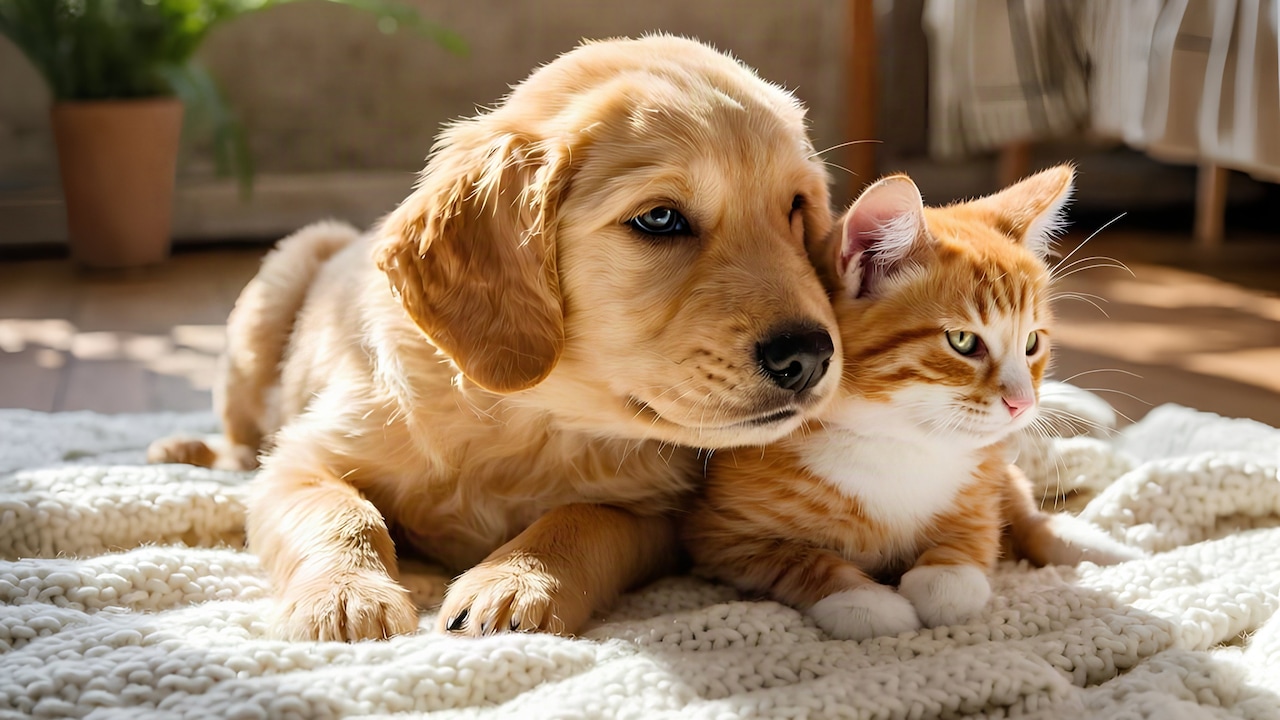
The monsoon months bring welcomed relief from the heat, but they also leave behind a trail of damp pavements, waterlogged parks, and muddy walkways that your pet trots through every single day. What most pet owners do not realise is that prolonged exposure to wet, dirty surfaces can quietly damage a pet's paws, causing cracking, fungal infections, and soreness that only becomes visible once the problem has already taken hold. Knowing how to properly care for your pet's paws after the rains can make a real difference to their comfort and long-term health.
Why Monsoon Season Is Hard On Your Pet's Paws
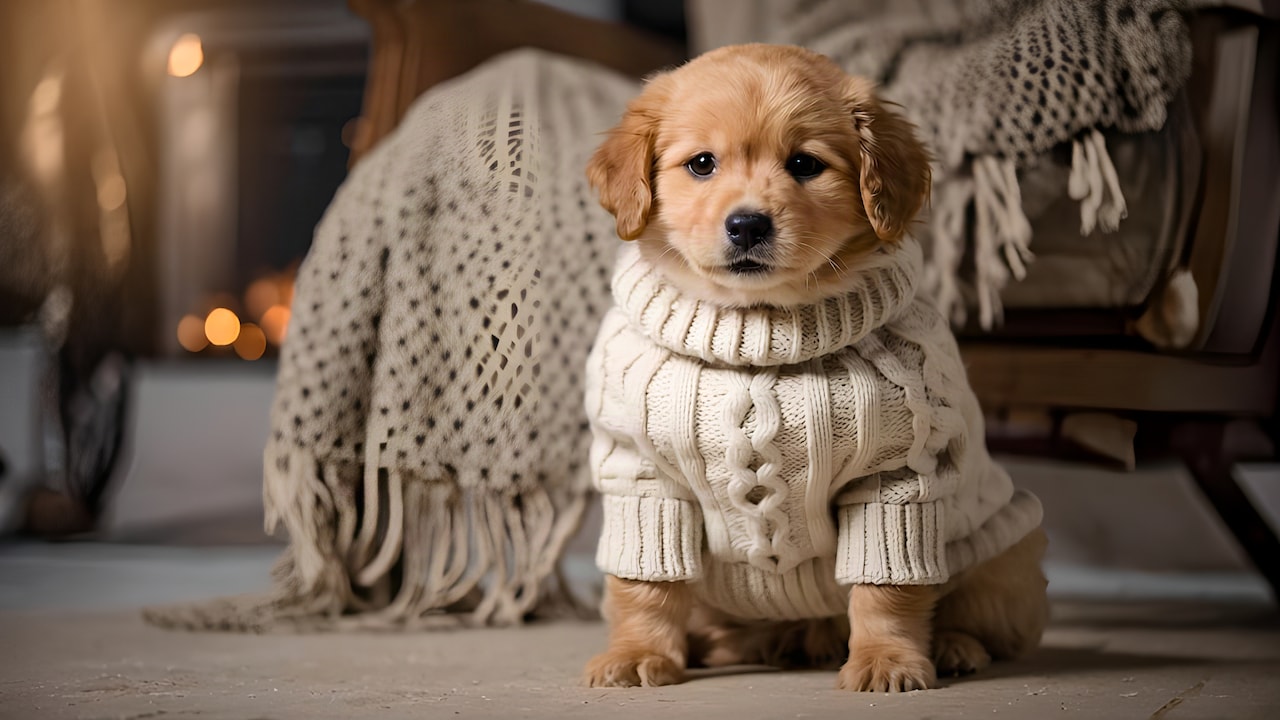
Photo Credit: iStock
Paw care during and after the monsoon is not something that needs to be complicated or expensive. A few consistent habits, the right products, and a bit of daily attention can help keep those little paws healthy, clean, and free from seasonal irritation.
Why Monsoon Season Is Hard On Your Pet's Paws
1. Constant Moisture Creates Ideal Conditions For Infection
If the paws stay wet for long periods of time, the skin between the toes can soften and be prone to bacterial and fungal growth. Interdigital infections are common in dogs and cats that walk repeatedly over wet surfaces without drying. This can cause swelling, redness and a licking habit that many owners mistake for boredom.
2. Muddy Terrain Hides Harmful Debris
Monsoon mud appears to be harmless but frequently contains sharp stones, broken glass and chemical run-off from roads and drains. Every walk is a potential source of small cuts or abrasions that are hidden under the mud and these small wounds can quickly become infected if not washed.
How To Clean Your Pet's Paws After Every Walk
1. Use Lukewarm Water And A Soft Cloth
In the monsoon season, rinse your pet's paws with lukewarm water after every outdoor trip. Avoid cold water which can be uncomfortable and hot water which can dry out the skin. Use a soft cloth or microfibre towel to gently wipe between the toes. This simple step cleanses mud, moisture and any other debris picked up along the way.
2. Try A Paw Wash Bowl For Deeper Cleaning
A silicone paw wash bowl filled with water and a drop of pet-safe cleanser can make the post-walk routine much quicker. Your pet simply dips each paw in, you give it a gentle squeeze, and then dry it thoroughly. These are widely available and work particularly well for dogs who resist having their paws wiped individually.
3. Always Dry Between The Toes
Drying the tops and soles of the paws is not enough. Moisture trapped between the toes is where infections most commonly start, so take a moment to gently pat each gap dry. If your pet has long fur around the paws, consider trimming it slightly during the monsoon months to reduce how much water it retains.
Also Read: 5 Best Odour-Control Cat Litter For Humid Weather Under ₹699
How To Moisturise And Protect Paws After The Rains
1. Choose A Pet-Safe Paw Balm
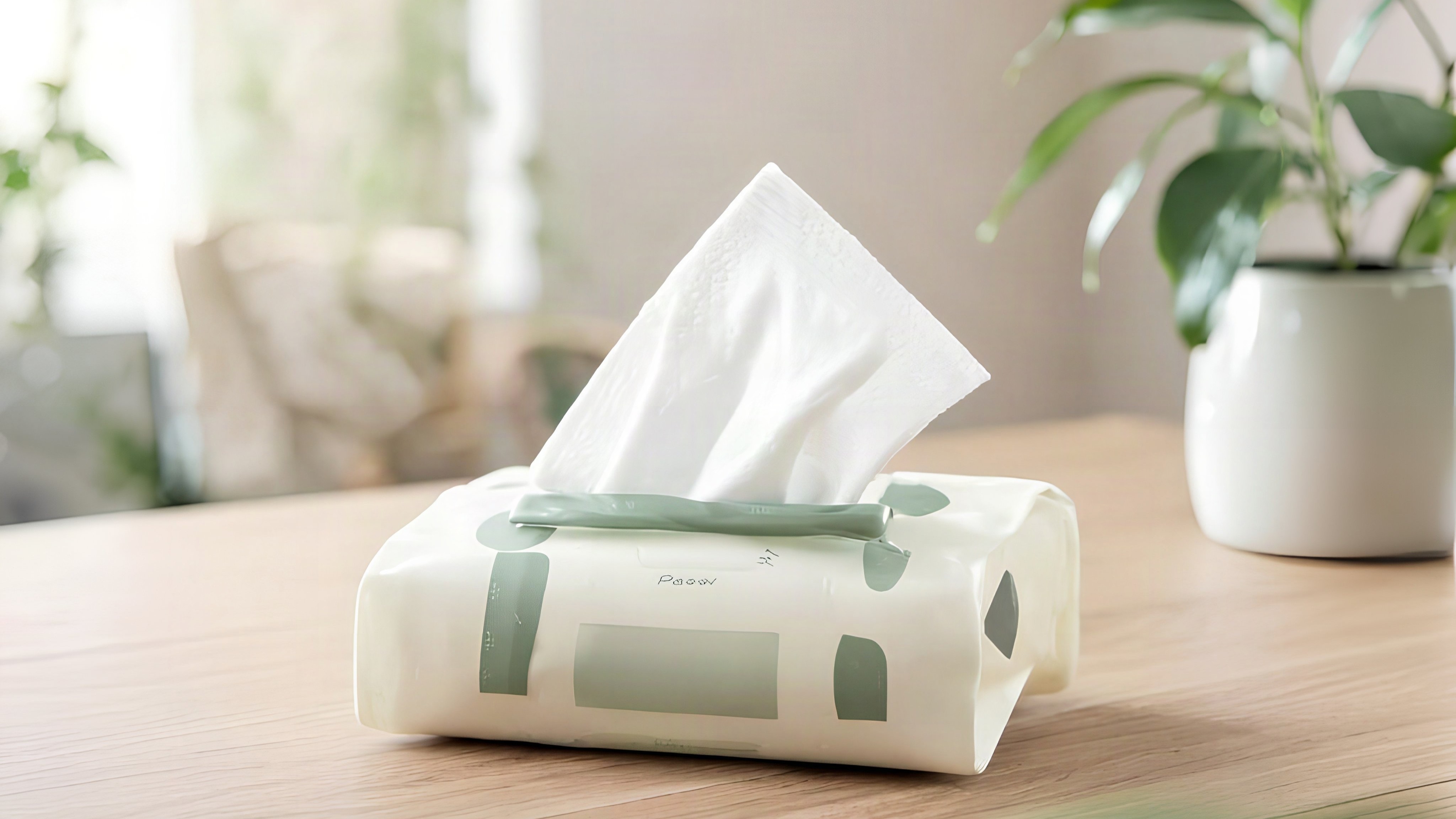
Just as the monsoon can crack human feet, it can also crack your pet's paw pads. Once the paws are clean and dry, apply a thin layer of a vet-approved paw balm or moisturiser. Seek products that include natural ingredients such as shea butter, coconut oil or beeswax, and stay away from anything with artificial fragrances or zinc oxide, which can be toxic if licked.
2. Apply At The Right Time
The best time to apply paw balm is just before your pet settles down for rest — either before a nap or at bedtime. This reduces the chance of your pet licking it off immediately and gives the balm time to absorb properly. A small amount is enough, and consistency is more important than quantity.
Signs Your Pet's Paws Need Veterinary Attention
1. Redness, Swelling, or Discharge
If the skin between the toes is red, swollen, or has any discharge, do not wait to see if it resolves on its own. These are early signs of infection that respond well to treatment when caught early but can worsen significantly if ignored.
2. Excessive Licking or Limping
A pet that suddenly begins licking its paws obsessively or appears to favour one leg during walks is telling you that something is wrong. Both behaviours can indicate discomfort caused by a cut, a foreign object lodged in the paw, or an early-stage infection due to monsoon conditions.
3. Cracked or Peeling Paw Pads
Some cracking is normal, especially in older pets, but any deep cracks or peeling that occur suddenly after monsoon season indicate that the paw pads have absorbed too much moisture and dried unevenly. A vet can advise on the appropriate treatment and rule out any underlying skin conditions.
How To Moisturise And Protect Paws After The Rains
Photo Credit: iStock
Some Products You May Want To Buy
1. Wagging Tails Paw Butter for Dogs & Cats
2. Moe Puppy Natural Paw Balm for Dogs & Cats
3. HEARTIE Paw Cleaner for Dogs and Cats
4. Trixie Paw Care Spray for Dogs and Cats
5. Muddy Buddy Paw Cleaner for Dogs & Cats
6. PetVogue Dog Nail Cutter Clipper and Filler
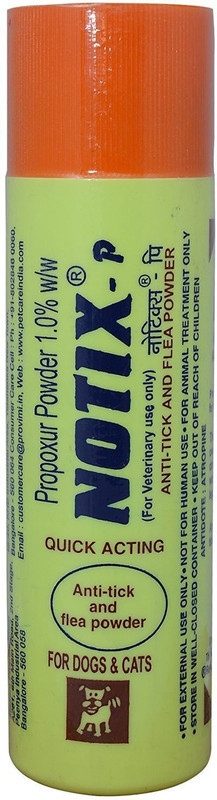
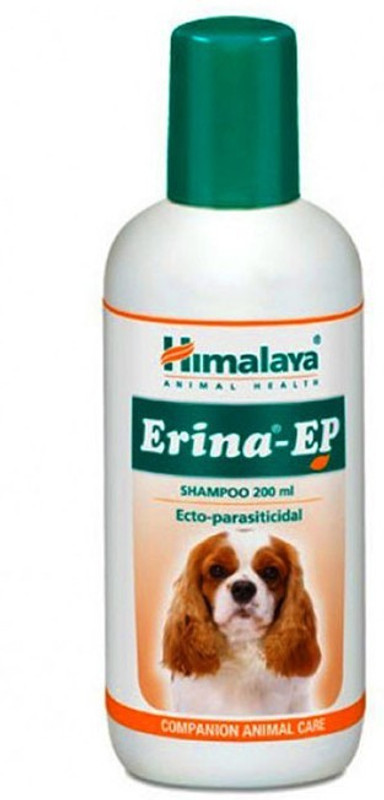
7. Anti-tick Shampoo for Dogs | 250 ml | Flea and Tick Shampoo
8. PawKare Pet Wipes for Dogs & Cats
Regular paw care after the monsoon season can help keep your pet comfortable and healthy. Mud, moisture and prolonged exposure to wet surfaces can lead to irritation, cracked paw pads or fungal infections if left unattended. By following a simple routine that includes cleaning, drying and regularly checking your pet's paws, you can help prevent common post-monsoon paw problems. A little extra attention to paw hygiene can go a long way in ensuring your furry companion stays active, happy and ready for outdoor adventures throughout the year.
Frequently Asked Questions (FAQs)
1. How often should I clean my pet's paws during the monsoon?
After every outdoor walk, ideally. Even short trips outside can expose paws to moisture and debris that build up over time.
2. Can I use regular moisturiser on my pet's paws?
No. Human moisturisers often contain ingredients that are unsafe for pets to ingest. Always use a product specifically formulated for pets.
3. Is it safe to walk my pet in heavy rain?
Short walks are generally fine, but prolonged exposure to heavy rain and standing water should be avoided. Always dry and clean the paws immediately after.
4. What is the best way to trim fur around the paws?
Use rounded-tip grooming scissors or visit a professional groomer. Keeping the fur neat around the paw pads reduces moisture retention during the monsoon.
5. When should I take my pet to a vet for paw issues?
If you notice swelling, discharge, persistent licking, limping, or deep cracks that do not improve within a day or two of basic care, book a vet appointment promptly.
(Disclaimer: This article may include references to or features of products and services made available through affiliate marketing campaigns. NDTV Convergence Limited (“NDTV”) strives to maintain editorial independence while participating in such campaigns. NDTV does not assume responsibility for the performance or claims of any featured products or services.)