How To Create A Safe Indoor Space For Pets On Diwali
Worried about your pets during Diwali? Here's how to create a safe, calm indoor space for them with simple steps, comfort essentials, and useful tips.
Make Diwali easier for pets with these simple tips
Diwali is all about lights, sweets, and noise – fun for most families but overwhelming for pets. The popping of the crackers, the crowds and the constant sounds can make dogs and cats anxious or frightened in ways owners don't always notice until things get worse. If you've been looking for some practical ways to help them during the festival, Amazon offers a wide range of pet comfort products that can make a real difference during Diwali nights. Creating a calm indoor setup doesn't have to be complicated; it just takes a little forward thinking.
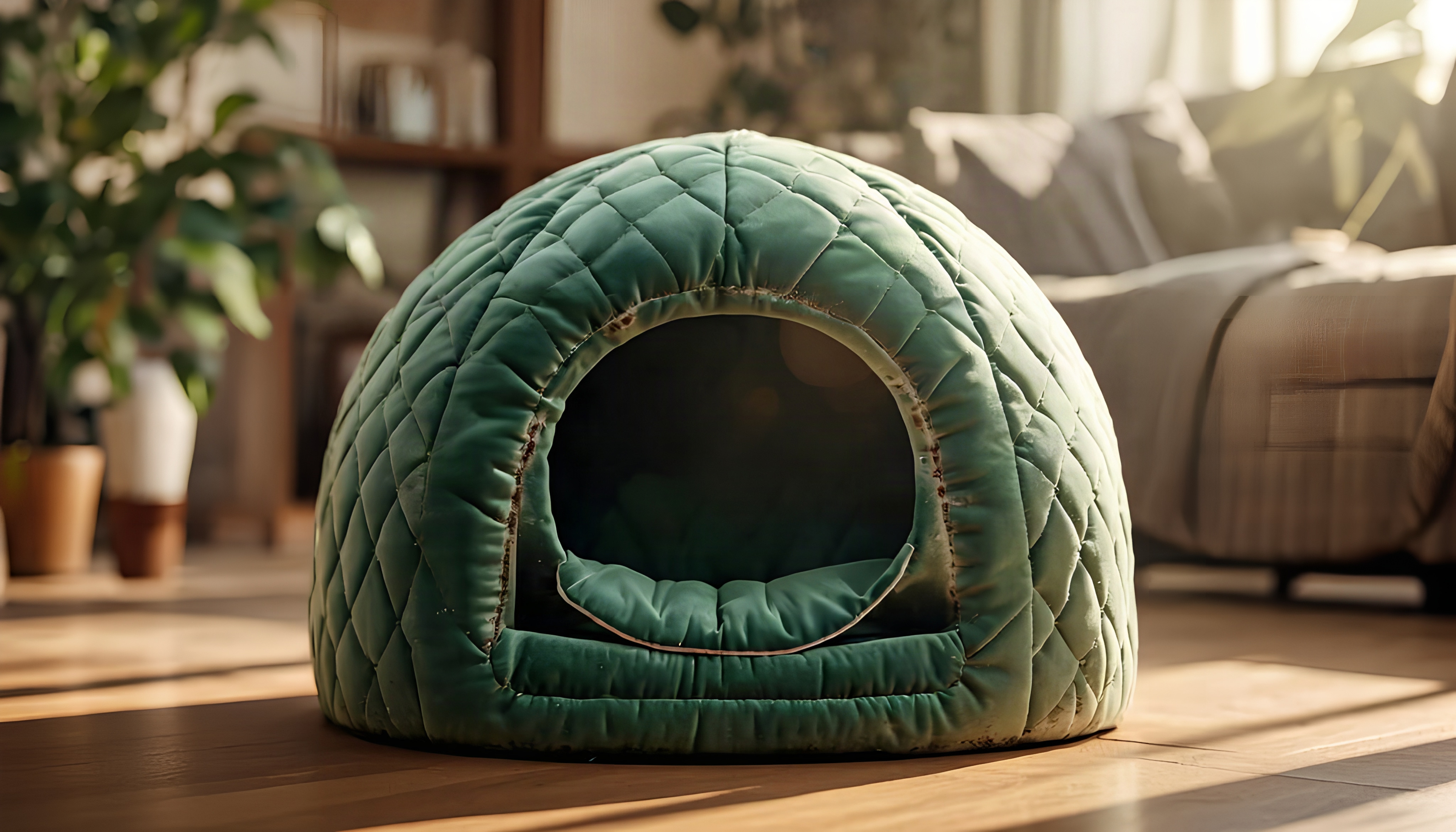
Why Diwali Can Be Stressful For Pets
Photo Credit: iStock
The reassuring news is that you don't have to entirely change your home to help your pet feel safer. Small changes – a right angle, a few familiar textures and some strategic additions – can really help. Here's how to create a space your pet will actually want to spend time in.
Also Read: How To Keep Pets Safe During Loud Festive Celebrations
Why Diwali Can Be Stressful For Pets
1. Noise Is The Biggest Trigger
The number one trigger for anxiety in pets during the festive season is loud and sudden noises. Firecrackers especially make sudden bursts of noise at random intervals, which makes it hard for animals to adjust or settle down. Pets can't rationalise things the same way humans do. Every bang can seem like a real threat to them. Dogs may pace, bark or try to hide; cats may become very still or go into tight enclosed spaces.
2. Unfamiliar Smells And Smoke
The smoke from fireworks and diyas and the strong smells of incense can irritate your pet's respiratory system. Animals have a much better sense of smell than humans do, so even small traces of smoke or chemical residue in the air can be unpleasant. A big part of making the space more bearable for them is keeping the windows shut and controlling the air circulation.
How To Set Up A Comfortable Indoor Space
1. Pick The Right Room
The initial step is to select a room that has a natural sound barrier to the outside. Interior rooms, or those away from windows and balconies, tend to work best. Avoid rooms facing the street or open areas where people are most likely to set off firecrackers. Depending on your pet's size and habits, you can use a bedroom, walk-in wardrobe, or even a corner of the bathroom.
2. Use Familiar Bedding And Blankets
Pets are soothed by scents they recognise, so putting their usual bed, an old T-shirt or their favourite blanket in the safe space will help to make them feel more at home. The aim is to make the space feel familiar, not new and unfamiliar, so they don't have to adjust to it under stress. Introduce the space a few days before Diwali; they can also correlate it with rest and not panic.
3. Muffle Sound With Soft Furnishings
Within the room, plush furniture, curtains and more fabric can help muffle some of the external noise. If the safe space is a corner of a room, make it less intense by putting a thick rug underneath and a blanket over the top of their crate or bed. It's not soundproofing, but it makes a difference during peak cracker hours.
Things To Keep Inside The Safe Space
1. Food, Water, And Familiar Toys
Make sure the area has quick access to fresh water and a light snack your pet already likes. Anxiety plus hunger or thirst isn't helpful. Also, having a couple of their go-to toys handy gives them something familiar to interact with, which can be calming. Gentle interactive toys are better than squeaky toys on a night when there are already loud noises going on.
2. Calming Aids And Vet-Approved Options
Here are a few calming options to consider before Diwali. Dog and cat versions of pheromone diffusers, calming sprays and anxiety wraps. For particularly noise-sensitive pets, some vets recommend gentle calming supplements. It is always worth a quick consult before Diwali to see if anything would help your specific pet. Don't wait until the night itself to search for solutions.
3. Keep A Light On
A small light inside the safe room will help to reduce disorientation. Pets may get more panicked when they wake up startled in total darkness. A warm lamp or even a small night light keeps the space from feeling shut off or scary if they shift positions during the night.
What To Do During The Celebrations
1. Check In Without Making It A Big Deal
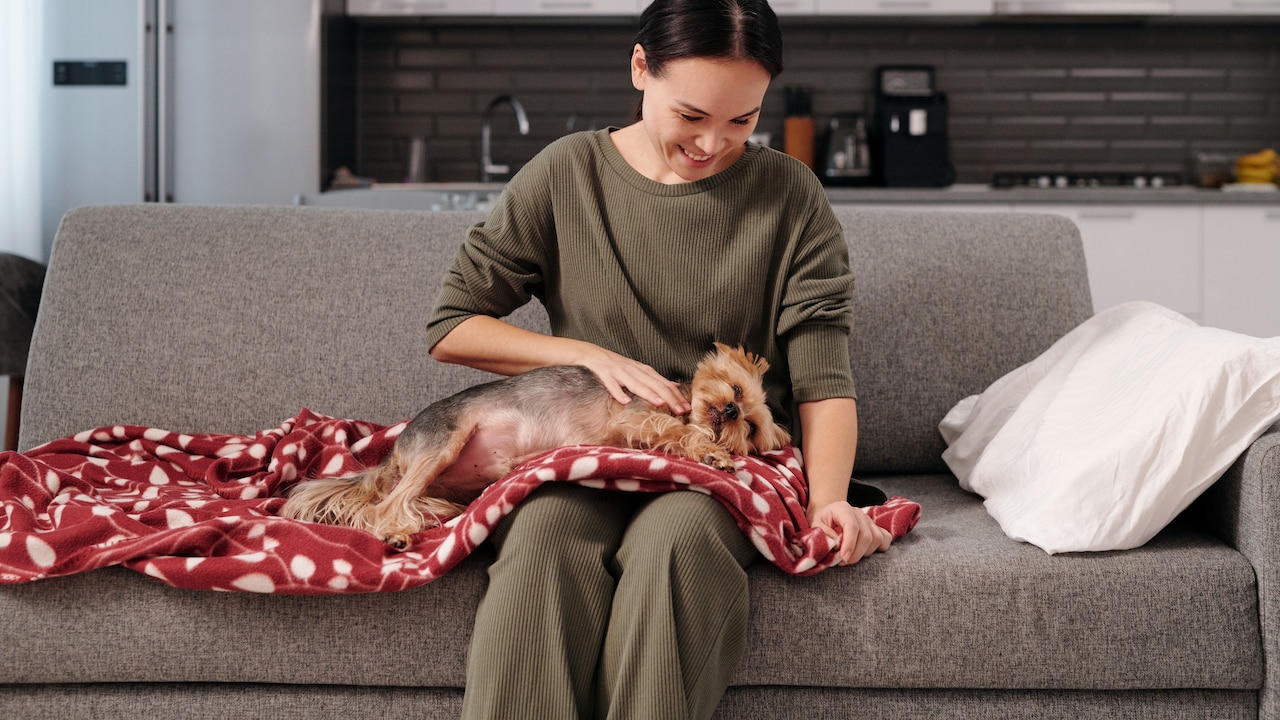
It's okay to come and see your pet, but try not to make a fuss about visiting. This rule is especially true if you enter the room looking worried, because your pet will sense your anxiety and may become even more disturbed. A quiet, quick check-in, a few gentle words, a quick pet, and then letting them settle back down usually works better than hovering or fussing.
2. Avoid Taking Them Outside
If your pet is used to an evening walk, Diwali night is not the time to insist on it. The streets will be unpredictable and loud, and even a confident dog can get disoriented or bolt if a cracker goes off unexpectedly. An indoor bathroom setup with a pee pad is a reasonable short-term fix for dogs. You could leave the litter box accessible inside the safe space for cats for the night.
With a little planning, your pets can sail through Diwali without much distress. It's a lovely festival! The trick is to be prepared: have the space ready before the noise starts, have everything they need in it, and stay calm yourself. Creating a safe environment inside does not take a lot of time, but it may help make the whole night much more manageable for your pet.
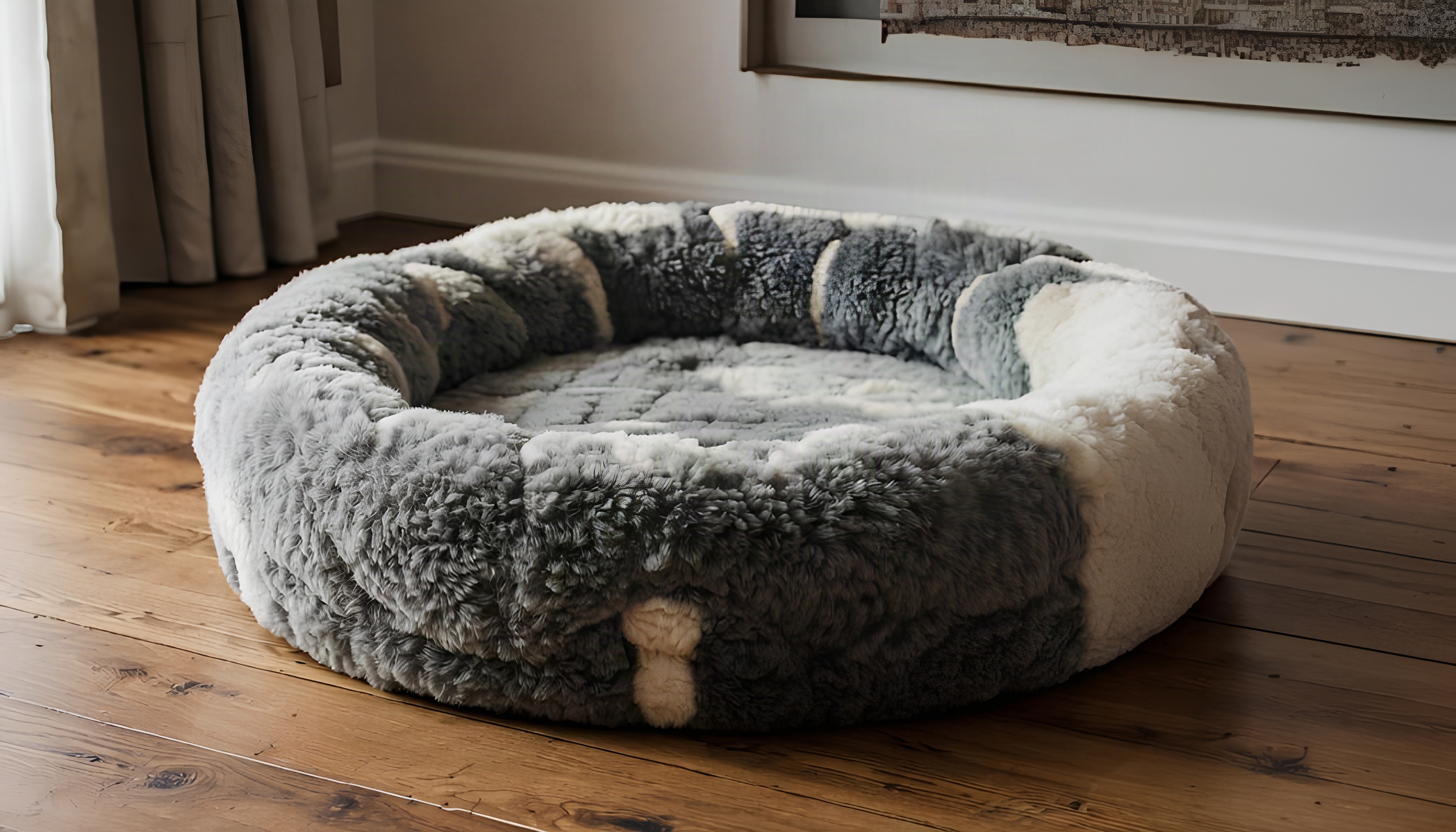
Some Products You May Like
Photo Credit: iStock
Some Products You May Like
1. Amazon Basics Soft-Sided Mesh Pet Carrier
2. CozyPaws Waterproof Dog Mat Bed
3. EMIWUD Portable Safety Gate | Indoor Barrier
4. BELIEF WOOD Freestanding Wooden Pet Gate
5. Petgoof Cat Donut Tunnel Bed with Central Sitting Space
6. ZEXSAZONE Winter Cat House
7. PeaceParenting Cat and Dog Tent House Cum Portable Bed
8. D&C PAWS Pets Calming Bed for Indoor Cats
Frequently Asked Questions (FAQs)
1. How early should I set up the indoor space before Diwali?
Setting up your pet's space two to three days before Diwali gives your pet time to explore and get comfortable with it. A lot of this is just about introducing the space as a calm, positive place before the noise starts.
2. Can I leave my pet alone in the safe space during crackers?
Short stints are fine, but try to stay close by and check in calmly. If your pet has a serious anxiety issue, being in the same room can be comforting and not create needless tension.
3. What are signs that my pet is too stressed?
Common signs include excessive panting, hiding, trembling, not eating, or trying to run away. If symptoms are severe, call a vet instead of waiting.
4. Are calming sprays safe for all pets?
Most pheromone sprays are formulated specifically for dogs or cats and are generally safe. Always read the label, and if in doubt, talk to your vet before introducing anything new.
5. Should I play music to drown out the cracker sounds?
Soft, steady background music or white noise may help mask sudden loud sounds. Vets often recommend classical music or calming playlists designed for certain pets.
(Disclaimer: This article may include references to or features of products and services made available through affiliate marketing campaigns. NDTV Convergence Limited (“NDTV”) strives to maintain editorial independence while participating in such campaigns. NDTV does not assume responsibility for the performance or claims of any featured products or services.)