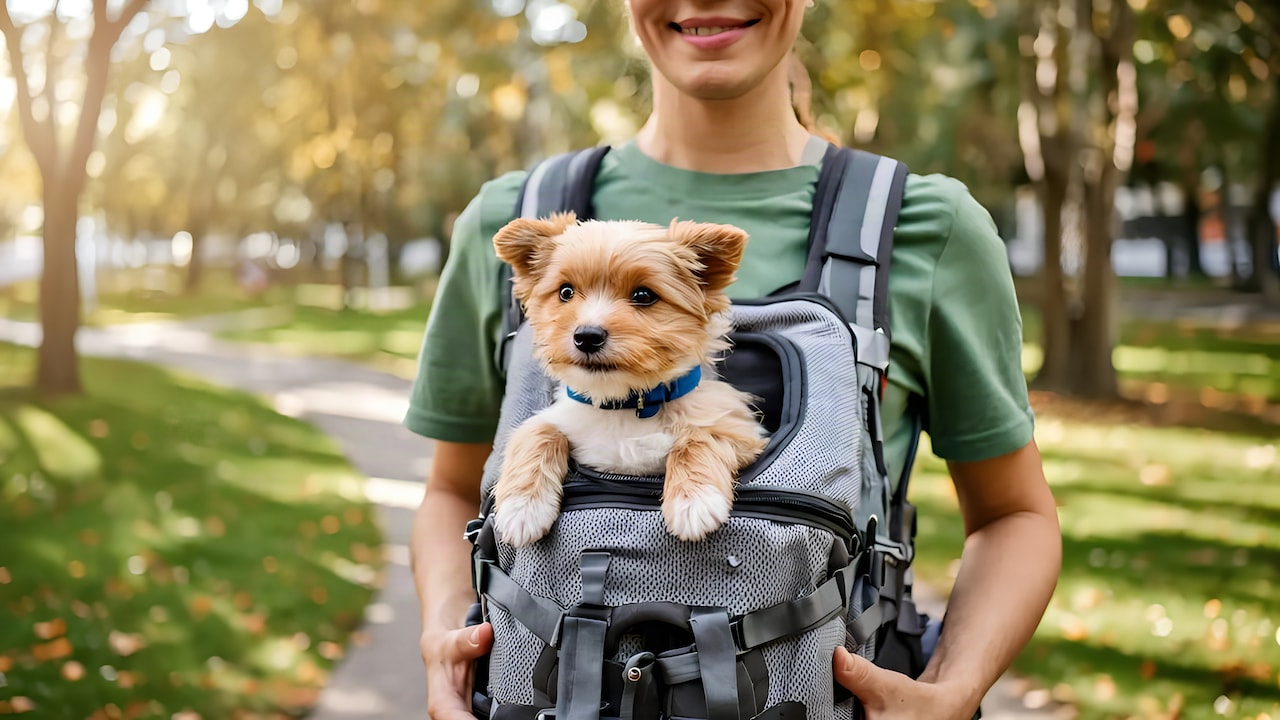
How To Keep Pets Safe During Loud Festive Celebrations
Worried about your pet during noisy celebrations? Discover simple, practical tips to keep pets calm, safe, and comfortable during loud festive events.

Easy tips to keep pets safe and happy during festivals
Festive celebrations bring a lot of joy, colour, and noise — fireworks, crackers, music blasting at full volume, and crowds pouring in from all directions. But while humans tend to enjoy all of it, pets often experience something quite different. Many pet owners turn to Amazon for anxiety wraps, calming sprays, or noise-cancelling pet accessories ahead of big celebrations, and there is a very good reason for that. Animals hear sounds far more intensely than we do, and what feels festive to us can feel genuinely frightening to them.
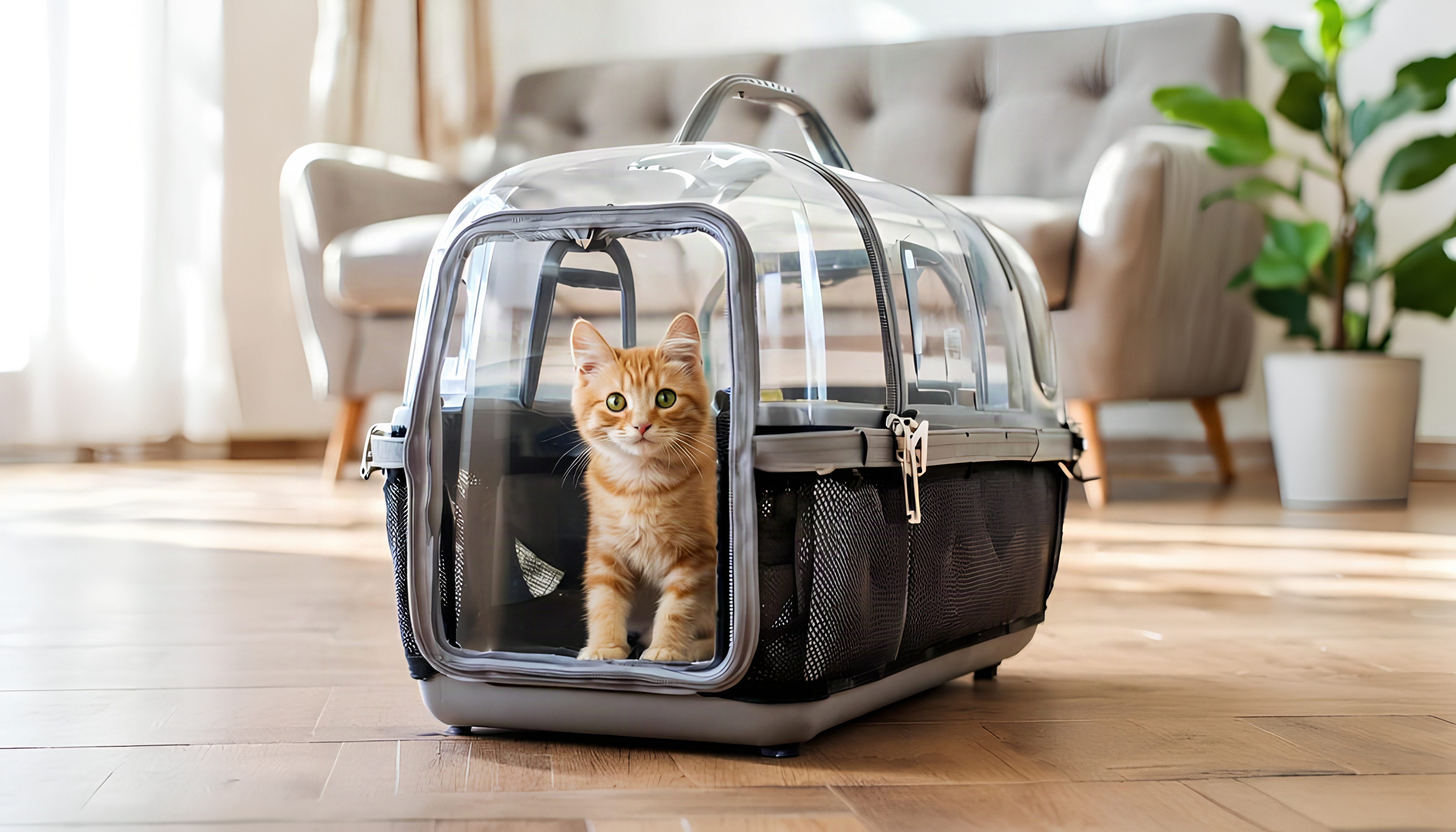
How To Prepare Your Pet Before The Celebrations Begin
Photo Credit: iStock
The good thing is, you don't have to do a lot of work to keep your pet safe. A little preparation, a little awareness and a few simple changes to your routine can make those loud evenings much more manageable for your furry friend.
Also Read: Pet Care Products That Keep Your Pet Happy, Healthy, And Pampered
Why Loud Celebrations Affect Pets So Strongly
1. How Animals Experience Sound Differently
Pets, particularly dogs and cats, can hear frequencies that are far beyond what humans pick up. A firework that sounds thrilling to you can be genuinely distressing for your dog or cat. Their hearing is sharper, their nervous system reacts faster, and they have no way of understanding what is happening or why. That combination creates real fear, not just mild discomfort.
2. Common Signs Of Stress In Pets
Knowing what to look for is the first step. Signs of stress in dogs include panting, pacing, trembling, hiding, or barking without stopping. Cats may go very still, refuse to eat, or try to find the smallest, darkest space they can. Some pets even become destructive or attempt to escape. If you notice any of these behaviours during or before a loud event, your pet is likely feeling overwhelmed.
How To Prepare Your Pet Before The Celebrations Begin
1. Create A Safe And Comfortable Space
Well before the festivities start, set up a quiet retreat for your pet — somewhere they already feel comfortable. This could be a spare room, a cosy corner with their bed and favourite toys, or even a covered crate if they use one. Familiar scents and textures can be very helpful. Keep the space away from windows or exterior walls so that the sounds feel a little more muffled and distant.
2. Exercise Them Earlier In The Day
A good walk or a longer-than-usual play session earlier in the day can help your pet feel calmer by the time evening arrives. A tired pet tends to settle more easily and is less likely to react sharply to sudden sounds. Try to avoid any outdoor activity close to when fireworks or celebrations are expected to begin.
3. Update Their ID And Microchip Details
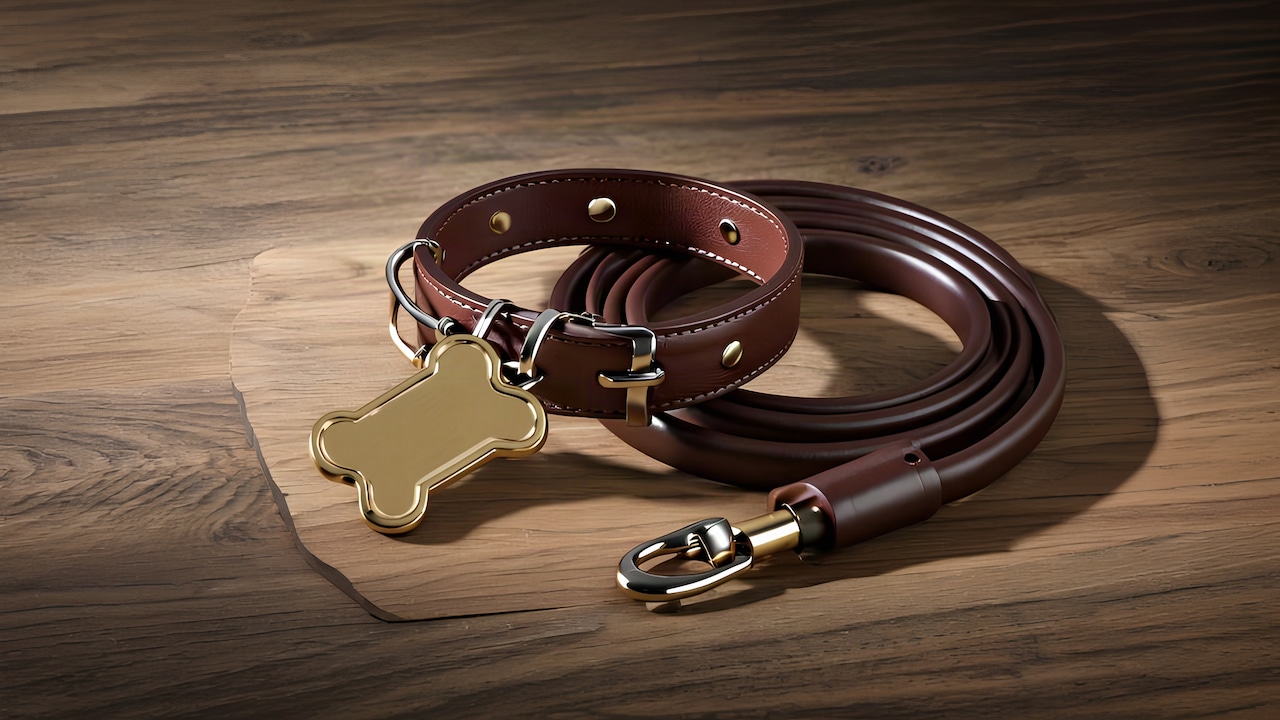
Pets that are startled sometimes bolt — even from what seemed like a secure garden. Make sure your pet's microchip is registered and your contact details are up to date. A well-fitted collar with a visible ID tag is also worth double-checking before any big celebration. It is a small step that can make a real difference if the worst does happen.
Keeping Pets Calm During The Event
1. Use Calming Aids If Needed
There are several calming options for pets during high-stress events. Pheromone diffusers, anxiety wraps, and vet-approved calming supplements can take the edge off. If your pet has serious anxiety, it's worth speaking to your vet first; they may be able to prescribe something suitable. Never give your pet any human medication without veterinary advice. Many common remedies are poisonous to animals.
2. Keep The Environment Settled
Try to keep curtains or blinds drawn during fireworks to block the visual flashes. Play soft background music or switch on the television to help mask some of the outdoor noise. Speak to your pet in a calm, steady voice — reassurance does help, even if it does not eliminate the anxiety entirely. Try not to react to every bang yourself, as pets often take their cues from the humans around them.
3. Stay At Home If You Can
If you know a big event is planned nearby, try to arrange to be home with your pet. Your presence can be genuinely calming for them. If you must go out, have a trusted person stay with your pet or check in on them after the loudest part of the evening.
After The Celebrations — What To Keep In Mind
1. Check The Outdoors Before Letting Them Out
Spent firework casings, food scraps, and other debris can end up in your garden after a local celebration. Before letting your pet out the next morning, do a quick walk-around and clear anything that looks like it could be chewed or swallowed. Certain food items — grapes, chocolate, onions — are toxic to pets and unfortunately common at festive gatherings.
2. Give Them Time To Settle
Even after the noise stops, some pets remain on edge for hours. Do not rush them back into their normal routine immediately. Let them come out of their safe space when they feel ready, offer a little extra comfort, and keep things calm for the rest of the evening. Most pets bounce back fairly quickly once they feel that the threat has passed.
Some Products You May Like
Photo Credit: iStock
Some Products You May Like
1. SITSNOOZE XL Dog Bed
2. Petroyale Calming Chews
3. HCHYEY Dog Anxiety Jacket
4. ZONI PETS The Original Happy Hoodie
5. Xigwig Pet Carrier for Cat & Small Dog
6. HONGTOP H Pet Tracker with Collar and Holder
7. Amazon Basics Two-Door Top Load Pet Carrier
8. tekme Protective Silicone Case Cover
Frequently Asked Questions (FAQs)
1. Which pets are most affected by loud noises?
Dogs and cats are the most commonly affected, though rabbits, guinea pigs, and birds can also become highly distressed. Any pet with a sensitive nervous system or a history of anxiety is at greater risk.
2. Are calming collars or sprays actually effective?
They can help, though results vary between individual animals. Pheromone-based products tend to work well for many dogs and cats. They are best used as part of a broader calming strategy rather than as a standalone solution.
3. Should I comfort my pet when they are anxious?
Yes, gentle reassurance is fine. The older advice about ignoring anxious pets to avoid "reinforcing" the behaviour has largely been revised. Calm comfort — without being overly dramatic — is generally beneficial.
4. How early should I start preparing my pet for a noisy event?
Ideally, a few days in advance. Setting up their safe space, adjusting their exercise routine, and introducing any calming aids early gives your pet time to adjust rather than being overwhelmed suddenly.
5. What should I do if my pet's anxiety seems severe?
Speak to your vet as soon as possible — ideally before the event rather than during it. They can assess your pet's needs and recommend appropriate interventions, including prescription options if necessary.
(Disclaimer: This article may include references to or features of products and services made available through affiliate marketing campaigns. NDTV Convergence Limited (“NDTV”) strives to maintain editorial independence while participating in such campaigns. NDTV does not assume responsibility for the performance or claims of any featured products or services.)