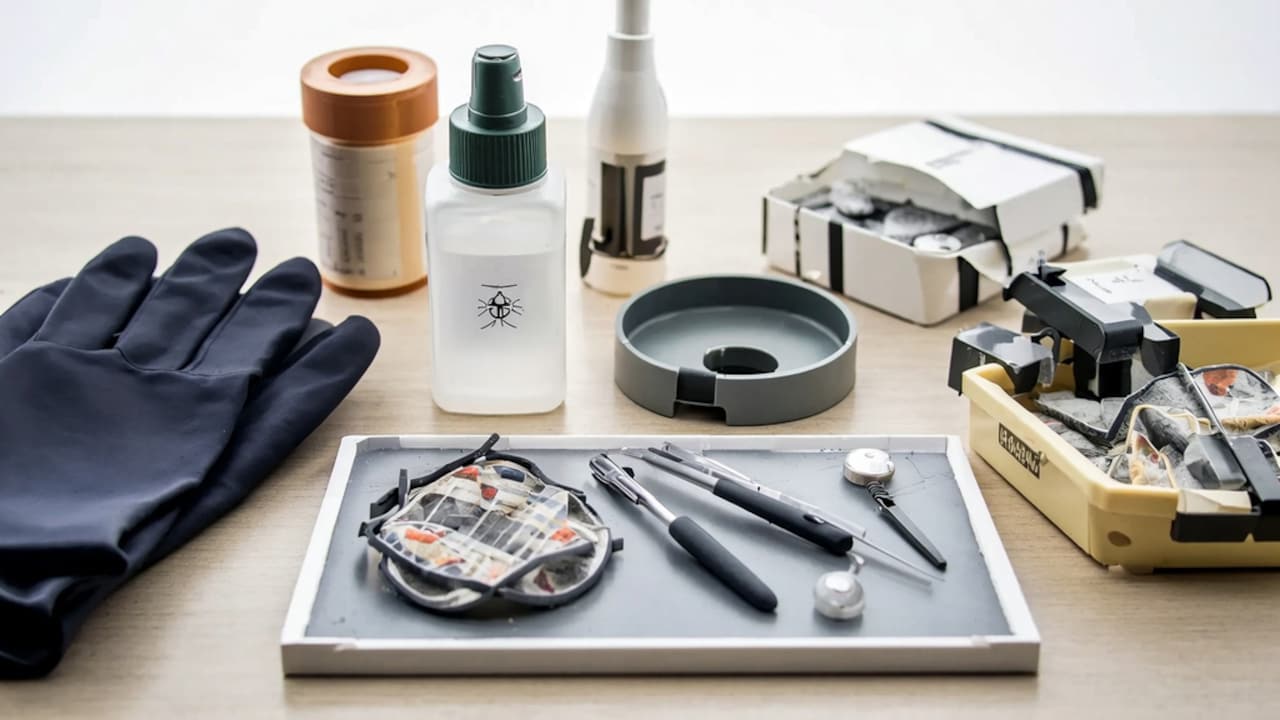
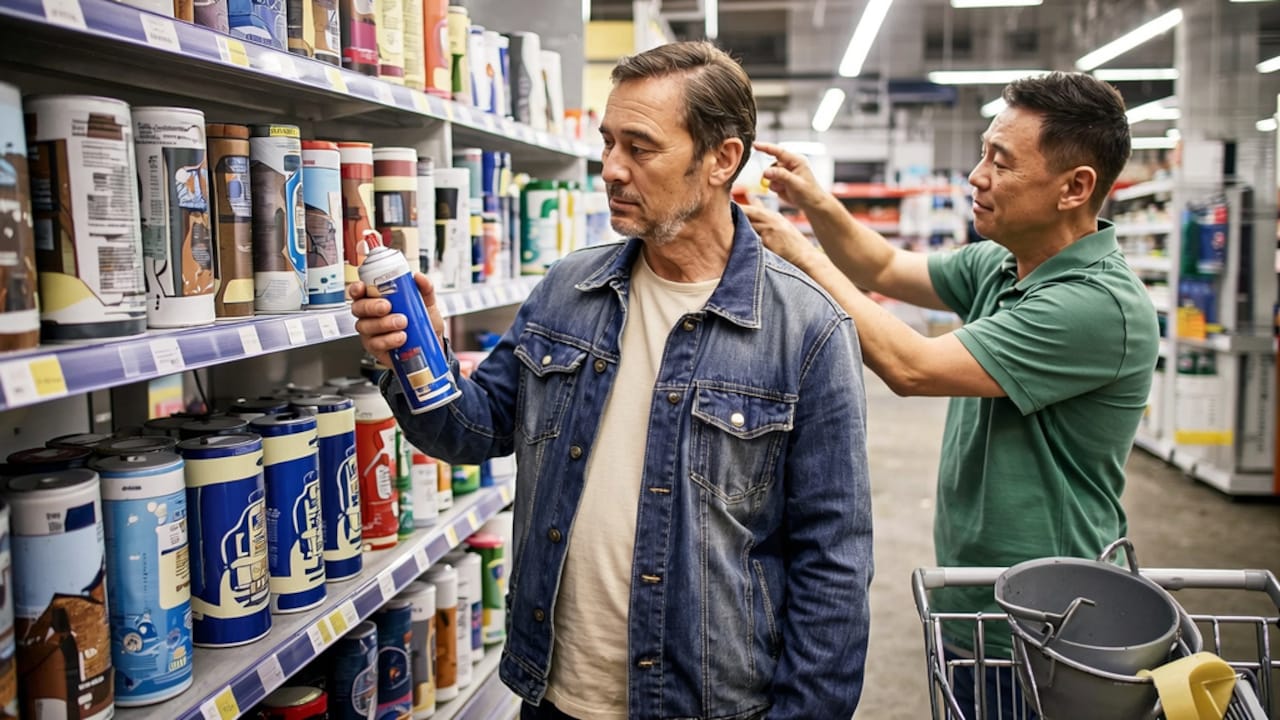
How To Remove Sweat Stains From Clothes | Top Secret Hacks Revealed
Struggling with yellow underarm stains and stubborn sweat marks? Discover expert-backed, easy methods to remove sweat stains from clothes and keep them fresh.
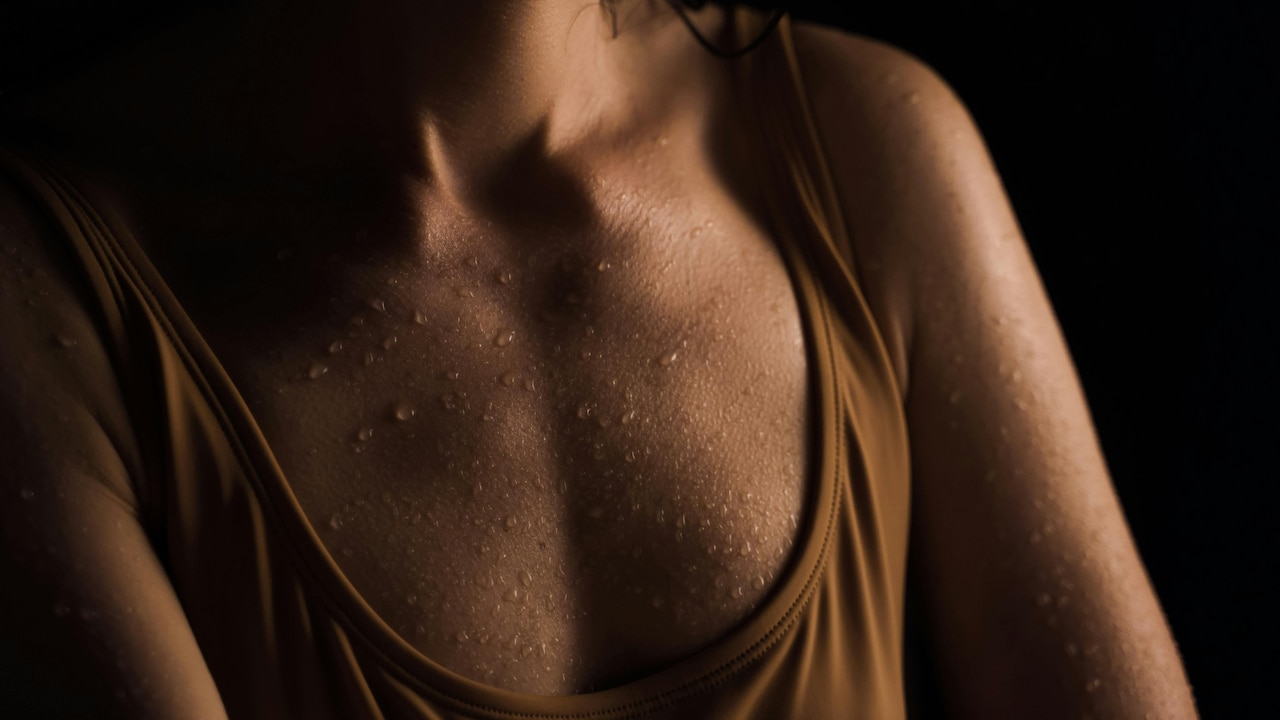
Sweat stains are caused by a mix of body oils, deodorant, and fabric residue, not just sweat.
Let's start with a brutally honest truth that no detergent ad will ever admit: sweat stains are not just about sweat. If it were that simple, we'd all be rinsing our T-shirts and moving on with life. Instead, what you're seeing under those arms, or creeping around collars and backs, is a messy cocktail of body oils, deodorant residue (especially aluminium-based ones), dead skin cells, and time. Yes, time is the real villain here.
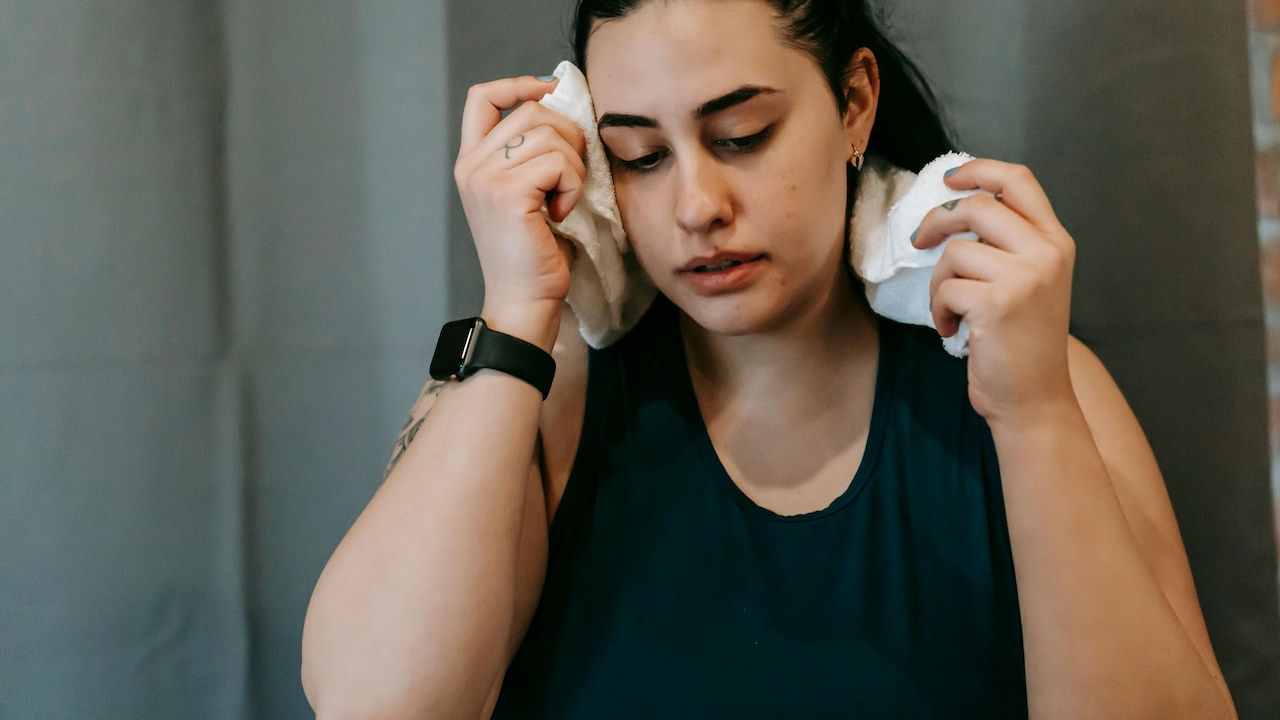
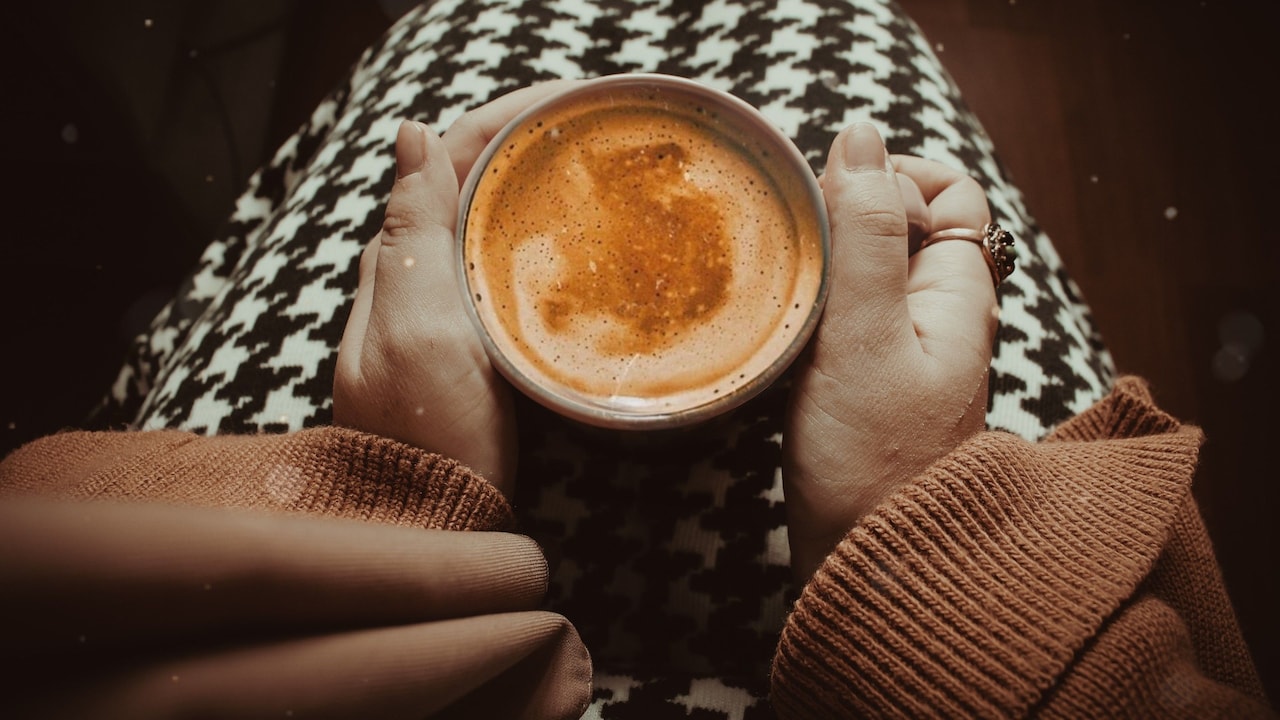
Sweat stains are caused by a mix of body oils, deodorant, and fabric residue, not just sweat.
Photo Credit: Pexels
If you've ever pulled out a once-crisp white shirt only to find yellowed patches that make it look like it's lived through three summers and a breakup, you're not alone. Reddit threads are full of people convinced their washing machine is conspiring against them. The good news? It's not sabotage, it's chemistry. And chemistry, thankfully, can be hacked.
Also Read: Can You Wear Wrinkled Linen To Work? Here Is How To Wear It Right
This isn't your average "just soak it in vinegar" advice list. This is a fully-loaded, battle-tested, Reddit-approved guide that actually explains what works, what doesn't, and why your favourite T-shirt deserves another chance.
Why Sweat Stains Happen
Before you start throwing random products at your clothes, it helps to understand what you're dealing with.
Sweat itself is mostly water. The problem begins when it reacts with aluminium compounds in antiperspirants. That reaction creates the yellow stains you see on white clothes and the stiff, darkened patches on darker fabrics.
Add body oils into the mix, and you've got a stubborn, slightly greasy stain that doesn't come out in a standard wash cycle. That's why simply "washing it again" almost never works, and often makes it worse.
Rule Number One: Stop Making It Worse
This might sting a bit, but a lot of us are unknowingly locking stains into fabric.
- Hot water is not your friend (initially). It can set protein-based stains.
- Drying before treating? That's basically sealing the deal permanently.
- Overloading detergent just builds residue, making stains cling harder.
If your workflow is: wear → wash → dry → panic → rewash → still stained… yeah, we're fixing that today.
The Ultimate Sweat Stain Removal Methods (From Mild To Nuclear)
Let's go from easiest to "this better work or I'm done" territory.
1. The Vinegar Soak (Your Lazy, Reliable First Step)
If you want something low-effort but surprisingly effective, this is it.
What to do:
- Mix one part white vinegar with two parts cold water
- Soak the stained area for 30 minutes to an hour
- Gently rub the fabric together
- Wash as usual
Click To Order Dr. Cardio Vinegar White From Amazon Today
Why it works: Vinegar breaks down mineral deposits and deodorant residue, the exact stuff causing the yellowing.
This works brilliantly on fresh-ish stains. If your shirt has seen multiple summers, you'll need to level up.
2. Baking Soda Paste (For Visible Yellowing)
This is the go-to Reddit favourite, and for good reason.
What to do:
- Mix baking soda with a small amount of water to form a thick paste
- Apply directly to the stain
- Leave it for at least an hour (overnight = better)
- Scrub gently with an old toothbrush
- Wash normally
Why it works: Baking soda is mildly abrasive and alkaline, which helps lift oily residues from fabric fibres.
Bonus tip: This is especially effective on white cotton tees that are just starting to lose their brightness.
Click To Order Urban Platter Baking Soda From Amazon
3. Hydrogen Peroxide + Washing-Up Liquid (The Power Combo)
Now we're stepping into serious stain-fighting territory.
What to do:
Mix:
- 1 part hydrogen peroxide
- 1 part washing-up liquid
- 2 parts baking soda
- Apply generously to the stain
- Let it sit for 1 to 2 hours
- Scrub lightly
- Wash in cold water
Click To Order BLITZ CLEAN Hydrogen Peroxide Solution 3% From Amazon
Why it works: Hydrogen peroxide acts as a mild bleaching agent (safe for whites), while washing-up liquid cuts through oils like a pro.
This method is ridiculously effective for set-in yellow stains on white clothing, the kind you were about to give up on.
4. Reddit Approved Aspirin
This one feels like a Reddit myth but wait until you try it.
What to do:
- Crush 3 to 4 aspirin tablets
- Dissolve in warm water
- Soak the stained area for a few hours
- Wash as usual
Why it works: Aspirin contains salicylic acid, which helps break down sweat compounds.
Is it magical? Not always. But for mild to moderate staining, it's surprisingly decent.
5. Enzyme-Based Stain Removers (The "I Have No Time For DIY" Option)
Let's be real, not everyone wants to mix potions in their kitchen.
Look for:
- Enzyme-based detergents
- Oxygen bleach products (not chlorine)
Click To Order Active Enzyme Laundry Stain Remover From Amazon
What to do:
- Apply directly to the stain
- Let it sit as per instructions
- Wash in cold water
Why it works: Enzymes specifically target proteins and oils, exactly what sweat stains are made of.
This is the closest thing to a "plug and play" solution if you want results without effort.
Dark Clothes: The Real Nightmare
White shirts get yellow stains. Dark clothes? They get those weird, crusty, almost waxy marks that never seem to go away.
For these:
- Avoid hydrogen peroxide (it can lighten fabric)
- Stick to vinegar, baking soda, or enzyme cleaners
- Turn garments inside out before treating
Pro tip: Always test a small hidden patch first. There's nothing worse than fixing a stain and creating a faded patch instead.
Prevention (Because Doing This Every Week Is Exhausting)
Let's be honest, you don't want to go through this process every time you do laundry. Here's how to reduce future damage:
Switch Your Deodorant Strategy
Antiperspirants are the main culprit. If possible:
- Use aluminium-free deodorant
- Or let your antiperspirant dry completely before dressing
Wash Sweat-Drenched Clothes Immediately
Leaving sweaty clothes in a laundry pile for days is basically inviting stains to settle in permanently.
Use Less Detergent, Not More
Excess detergent = residue = more buildup = more staining.
Air-Dry When Possible
Dryer heat can lock in stains you didn't fully remove.
When To Accept Defeat (And Get Creative)
Some stains? They're just not leaving. And that's okay.
Reddit has a very practical philosophy about this:
- Dye the garment darker
- Turn it into gym wear
- Or call it "vintage distressing" and move on
Not every shirt needs to be saved. But most can be, if you catch the stain early and use the right method.
It's Not You, It's The Chemistry
If you've ever felt personally attacked by your laundry, consider this your closure. Sweat stains aren't a reflection of hygiene or effort, they're just the result of awkward chemistry between your body and your products.
But now you know how to fight back, with vinegar, baking soda, and just enough determination to rescue your favourite clothes from the "wear only at home" pile. And honestly? That's a small but deeply satisfying victory.
Frequently Asked Questions (FAQs)
1. What is the fastest way to remove sweat stains from clothes?
The fastest method is applying a mix of hydrogen peroxide, baking soda, and washing-up liquid to the stained area, letting it sit for an hour, then washing in cold water.
2. Can sweat stains be removed after drying?
Yes, but they require stronger treatment such as baking soda paste or enzyme-based cleaners, as heat from drying can set the stains into the fabric.
3. Does vinegar remove sweat stains from clothes?
White vinegar is effective in breaking down deodorant residue and mineral deposits, making it useful for treating mild to moderate sweat stains.
4. How do you remove sweat stains from dark clothes without fading them?
Use gentle solutions like vinegar or enzyme detergents and avoid hydrogen peroxide, as it may bleach or discolour darker fabrics.
5. Why do sweat stains turn yellow on white clothes?
Yellow stains occur due to a chemical reaction between sweat proteins and aluminium compounds found in antiperspirants.
(Disclaimer: This article may include references to or features of products and services made available through affiliate marketing campaigns. NDTV Convergence Limited (“NDTV”) strives to maintain editorial independence while participating in such campaigns. NDTV does not assume responsibility for the performance or claims of any featured products or services.)