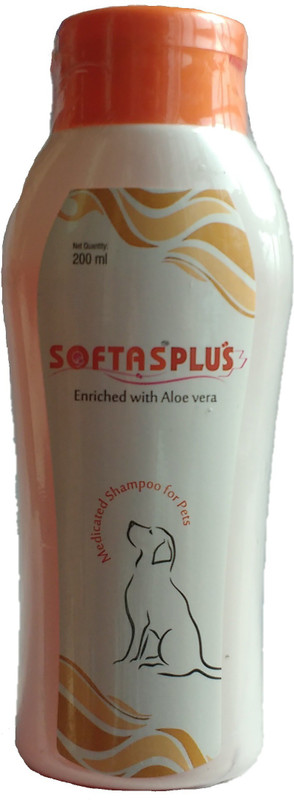
Why Does My Pet Get More Skin Infections In The Monsoon?
Discover why pets are more prone to skin infections during the monsoon and learn simple ways to keep your dog or cat clean, dry, healthy and comfortable well.
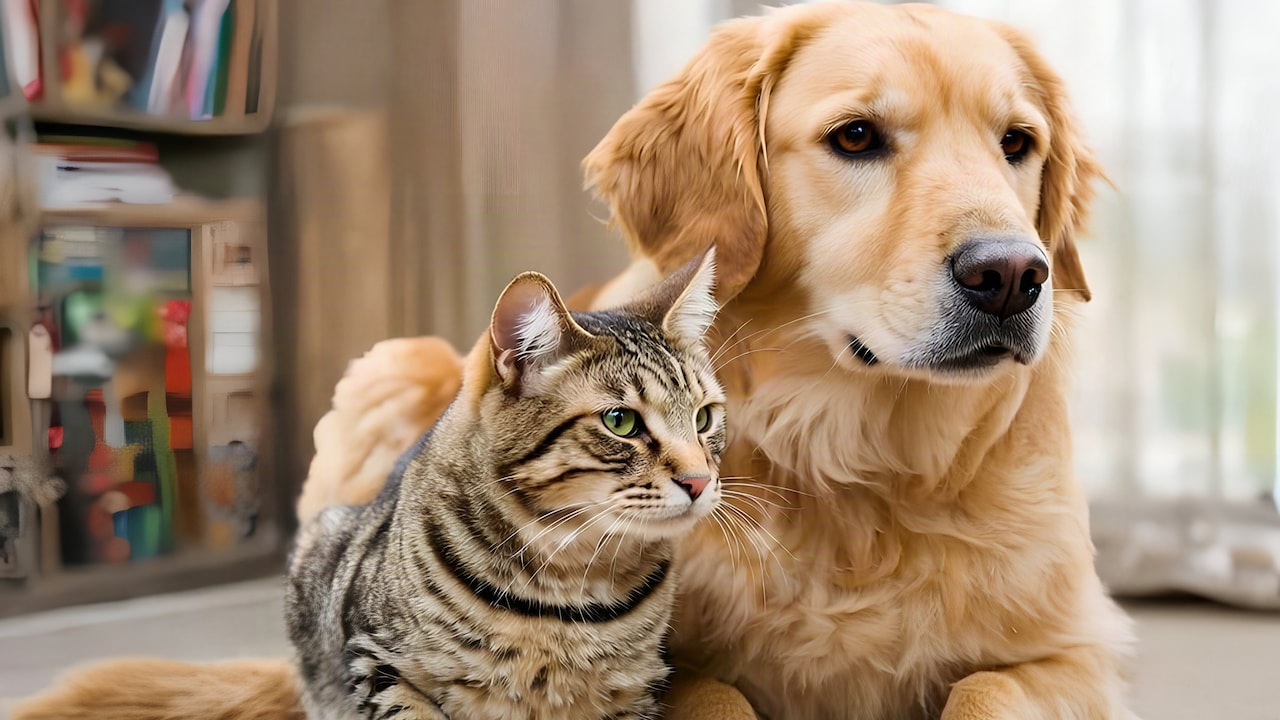
Why Does My Pet Get More Skin Infections In The Monsoon
Although the monsoon might bring in a much-needed relief from the scorching temperatures, the rainy season can also bring along a whole new set of problems for pets. Skin irritation and infection flourish in conditions of perpetual dampness, muddy walks, moist hair and an increase in humidity. You may see your pet scratching himself more often, smelling strange, licking his paws over and over again, or getting red patches on his skin. You should not simply blame the weather for these changes. Monsoon conditions can encourage bacteria and fungi to grow, and wet fur and poor drying can aggravate existing skin problems quite a bit. Knowing why such infections occur can help you to protect your pet and identify when professional veterinary care is required.
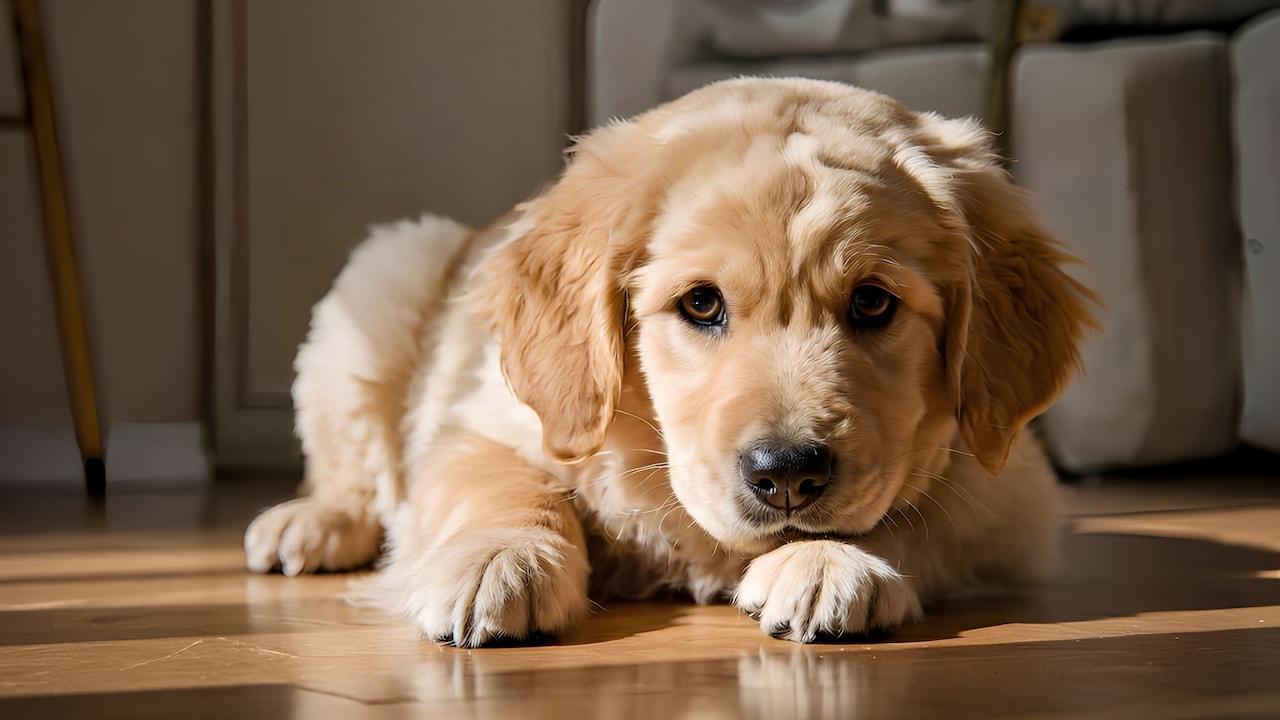
What Are The Signs Of A Monsoon-Related Skin Infection?; Photo Credit: iStock
Why Does Monsoon Weather Cause More Skin Infections In Pets?
The most significant one is moisture. During the rainy season, the air is humid, and thus the pets tend to stay wet for a while after being out on a walk or having a bath. The dampness provides a humid environment next to the skin, especially in such regions as the ears, paws, stomach, neck, and even skin folds.
Also Read: Pet Meals On Autopilot: Automatic Pet Feeders Every Parent Needs
This does not imply that any wet pet is bound to have an infection. It just makes them more susceptible since moisture tends to break the skin barrier, and the bacteria tend to multiply quickly.
1. Wet fur creates the perfect environment.
If your dog returns from an outdoor run soaking wet, just letting the coat dry naturally could be ineffective. Moisture can get trapped underneath the surface layer of hair, particularly in cases where the dogs have long or thick coats.
Dogs exposed to water continuously without proper drying will suffer from irritation, foul smell, and possible infections. Special care should be taken of the paws, underarms, groin area, and bottom part of the body, as these areas stay wet for a longer period of time.
2. Mud and dirty water can irritate the skin.
Contaminants such as bacteria are carried by rainwater that flows down streets and gardens. It is quite natural for pets to step in puddles and mud; after that, they usually lick their paws.
The dirt and water left in the paw crevices due to improper cleaning cause irritation to the skin when the pets keep licking. Thus, there is a continuous loop of moisture, itchiness, and inflammation.
3. Fungal problems can become more noticeable.
The moist air acts as a catalyst for the development of fungi. There is one type of fungus called Malassezia, which is a form of yeast found on the skin surface but can overpopulate under certain circumstances.
Animals with skin issues related to fungi or yeast infection can show such symptoms as reddening, itching, flakiness of the skin, oil spots or an unpleasant odour from the skin. However, it is worth noting that there can be other reasons for those symptoms.
What Are The Signs Of A Monsoon-Related Skin Infection?
1. Being aware of what to look out for can make all the difference.
Your pet may develop a habit of scratching, biting, or licking certain parts of his body more often than normal. Some other signs of dermatitis include reddening or inflammation of the skin, hair loss, scabs, an odd smell, greasy skin, recurring ear infections and discolouration of the skin in areas which are prone to inflammation.
2. Licking of paws should be carefully observed.
If your dog is excessively licking the area between his toes after walking outside in rainy conditions, there may be an element of moisture involved. Sometimes a minor adjustment needs no immediate medical intervention but should still not be overlooked. If the skin is sore, bleeding, oozing or rapidly deteriorating, consult a vet.
How Can One Prevent Skin Infections During Monsoon?
Prevention largely comes down to keeping your pet clean without over-cleaning and, most importantly, keeping the skin dry.
1. Dry your pet thoroughly after every wet walk.
A dedicated pet towel can make rainy-day grooming much easier. Pat the coat dry rather than aggressively rubbing irritated skin. For dogs with thick or long fur, gently separate sections of the coat so that moisture trapped underneath can evaporate.
A useful option is the Aeolus Ultra-Absorbent Dog Towel, which is available on Amazon and can be kept near the entrance for quick drying after rainy walks.
2. Clean paws after outdoor trips
It is not necessary that every single time when your pet gets covered in mud, you have to wash it entirely. You could simply wash the dirty portions like paws and other visible spots.
Do not use any kind of disinfecting wipes for cleaning that are used to clean household surfaces because they could be harmful to pets' sensitive skin.
3. Choose grooming products carefully.
If your veterinarian suggests the use of medicated shampoos, be sure to adhere to the directions. Some products that contain active substances like chlorhexidine or ketoconazole are recommended for certain bacterial and fungal skin infections, yet they are not suitable for all skin problems.
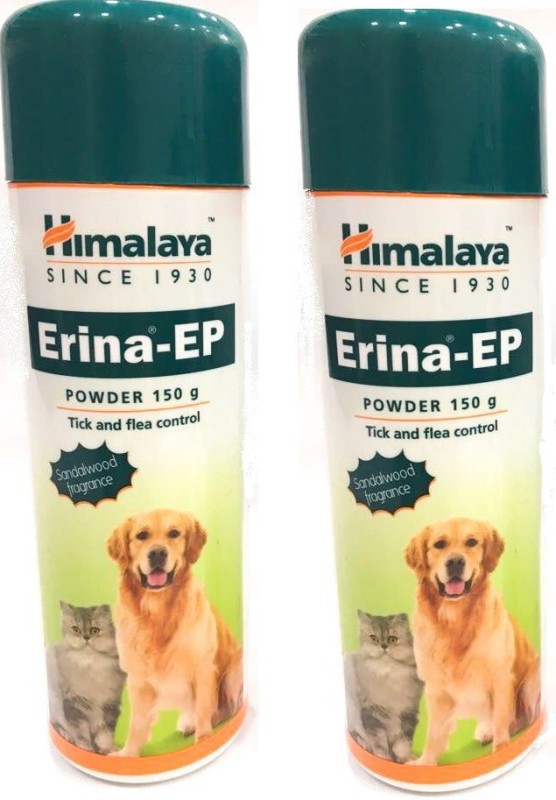
Another alternative to pet grooming available on Amazon is Himalaya Erina EP Shampoo, while some other shampoos like Intas Micodin Antifungal & Antibacterial Shampoo can be chosen only in case of necessity.
4. Keep ears dry and clean.
Ear infections are common in pets with loose ears or a narrow ear canal when there is high moisture content in the air. The moisture tends to get trapped in the ear, resulting in a favourable environment for irritation and infections.
Do not stick any objects deep into your pet's ear. You should consult your vet on how to clean your pet's ears. Examples of pet ear cleaning products include Vivaldis Clearify Ear Cleanser and Trixie Ear Care.
When Should One Take Their Pet to the Vet?
Home grooming can help prevent problems, but it cannot diagnose or treat every skin infection. If your pet continues scratching despite cleaning and drying, develops bald patches, has an unpleasant persistent smell, develops sores or repeatedly suffers from ear infections, arrange a veterinary examination.
It is particularly important not to keep switching shampoos or applying different sprays when a skin problem is getting worse. Allergies, parasites, bacterial infections, fungal infections and other conditions can produce very similar symptoms but require different treatments.
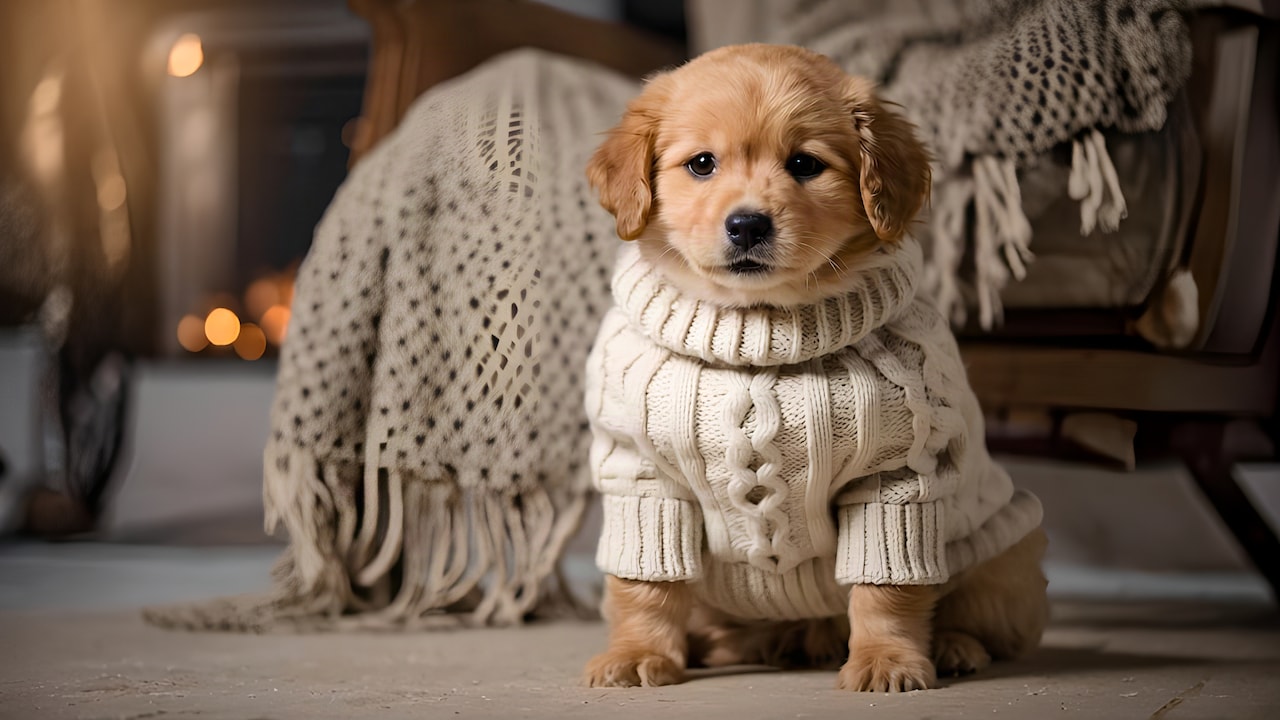
How Can One Prevent Skin Infections During Monsoon? Photo Credit: iStock
Some Products to Prevent Skin Infections in Pets
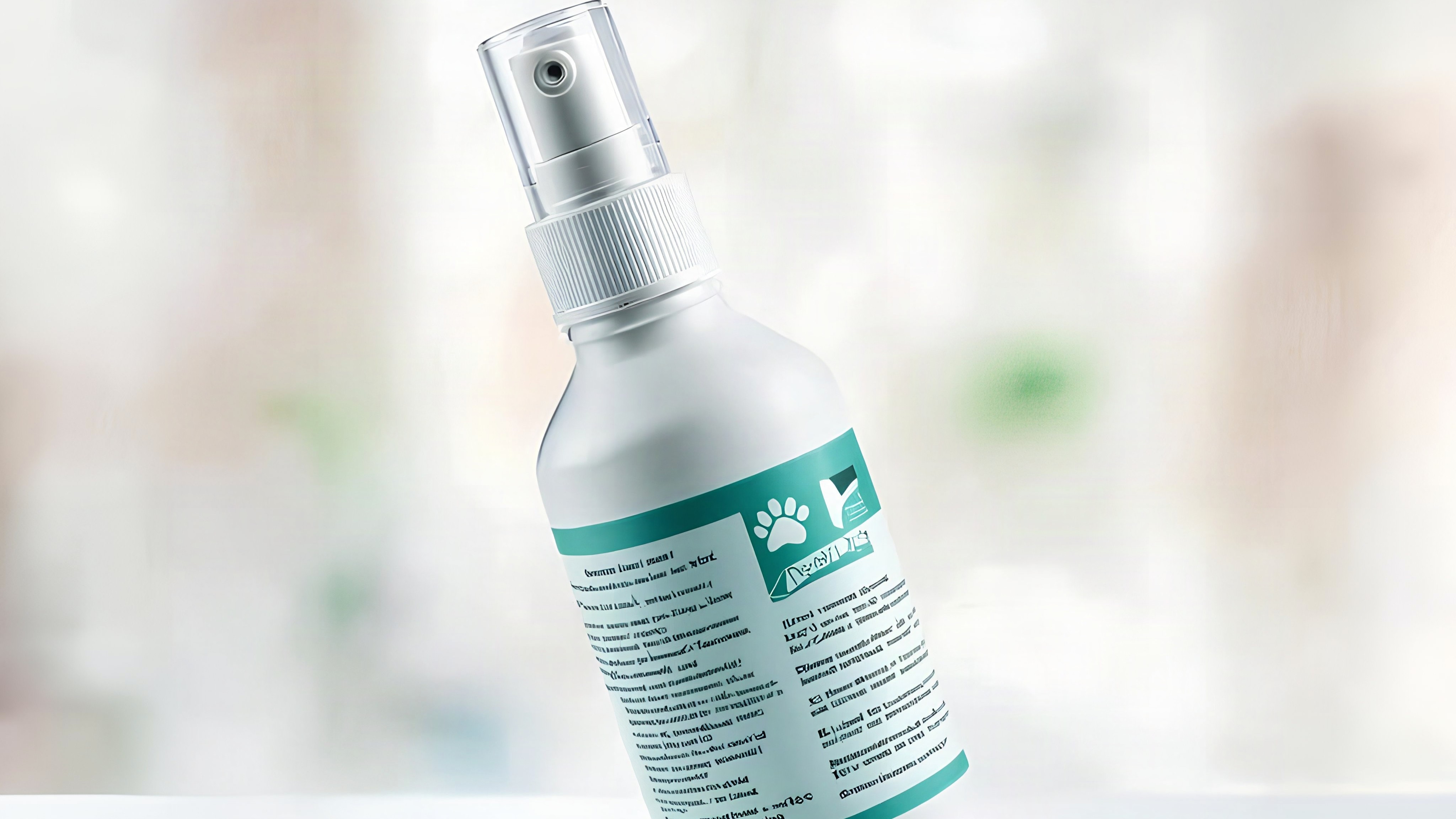
1. CoolSim Pet Antiseptic Spray for Dogs, Cats & Small Animals
2. SkinDefense Medicated Spray for Pets
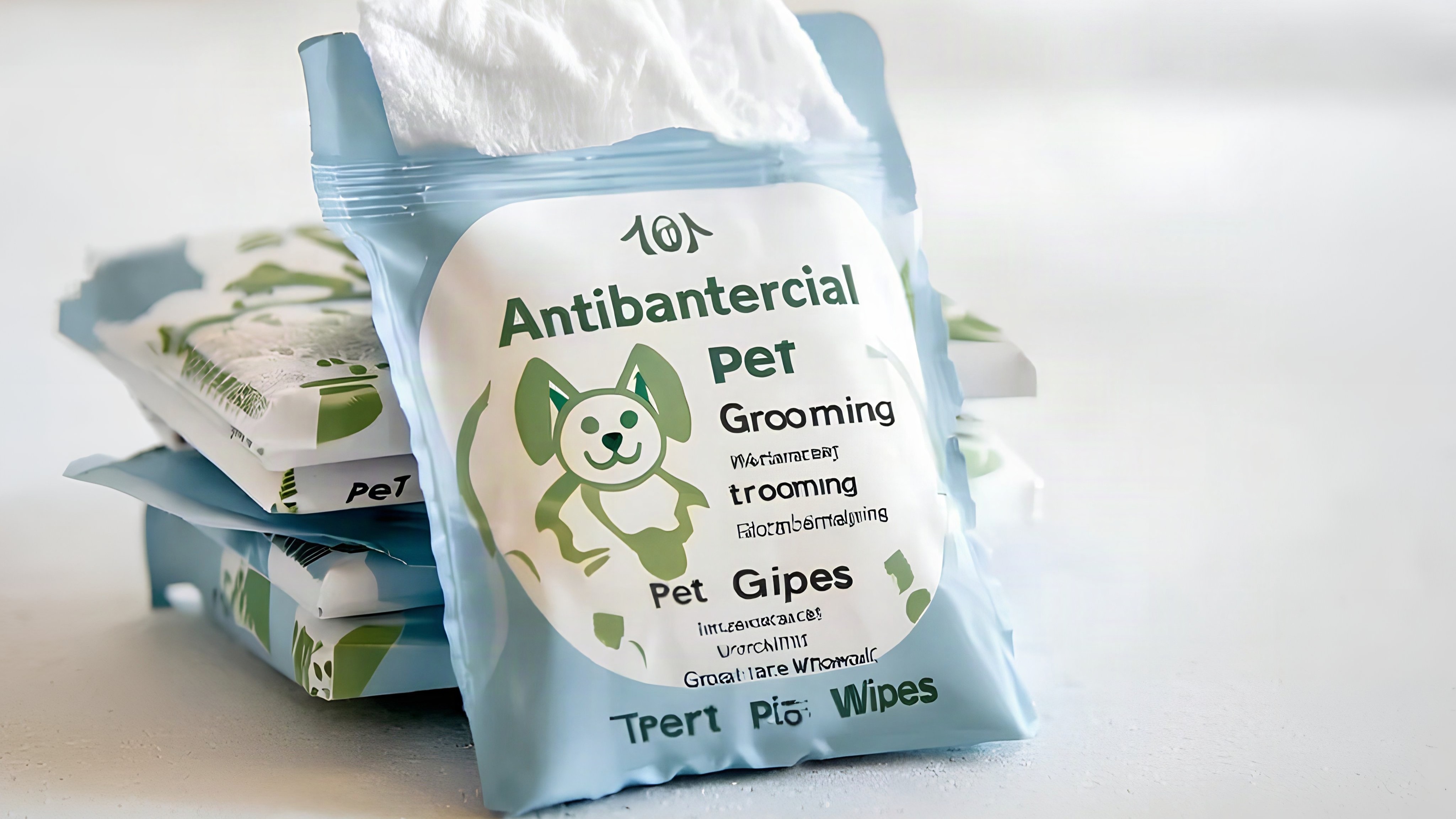
3. Cuddly Beans Antibacterial Pet Wipes
4. Aeolus Ultra-Absorbent Dog Towel
5. Himalaya Erina EP Shampoo
6. Intas Procott Dog Shampoo by Jolly And Cutie Pets
7. Vivaldis Clearify Ear Cleanser
8. Kipenzi Tick & Flea Shampoo
Protecting pets from skin infections is vital for their comfort and health. Using safe, vet‑approved products helps reduce irritation, prevent fungal or bacterial issues, and maintain a healthy coat. Consistent care ensures pets stay happy, active, and free from discomfort, making prevention the best form of protection. Shop now on Amazon.
Frequently asked questions (FAQs)
1. Why does my pet scratch more during the monsoon?
Increased moisture, wet hair, dirty surroundings, parasites and allergies can all lead to increased scratching in the monsoons.
2. Can my pet get an infection from wet fur?
Not always but moisture in the body is known to lower resistance in the body and allow growth of bacteria and fungi.
3. How frequently should I bathe my pet in the monsoon?
Each pet requires a different amount of bathing. For some it can be daily, for others too much bathing can cause irritation. Only use pet-safe bath products and check with your veterinarian.
4. Can I use human antifungal creams on my pet?
Only if your vet advises you to. Some human products may not be suitable for animals, especially if the animal can lick it off the body.
5. Can scratching of the paws always mean an infection?
No. Paw scratching can also be caused by irritation, allergies, parasites, anxiety, pain or infections. If there are any ongoing symptoms such as redness, swelling or an unpleasant smell, then it would need immediate attention.
(Disclaimer: This article may include references to or features of products and services made available through affiliate marketing campaigns. NDTV Convergence Limited (“NDTV”) strives to maintain editorial independence while participating in such campaigns. NDTV does not assume responsibility for the performance or claims of any featured products or services.)