10 Reasons Pet Hair Clings To Some Fabrics More Than Others And How To Reduce It
Pet hair seems to vanish from some clothes yet cling stubbornly to others. From static electricity to loose fabric weaves, here are 10 reasons certain materials attract more fur and practical ways to keep clothes and furnishings cleaner.
Why Some Fabrics Attract More Pet Hair: 10 Ways To Keep It Under Control
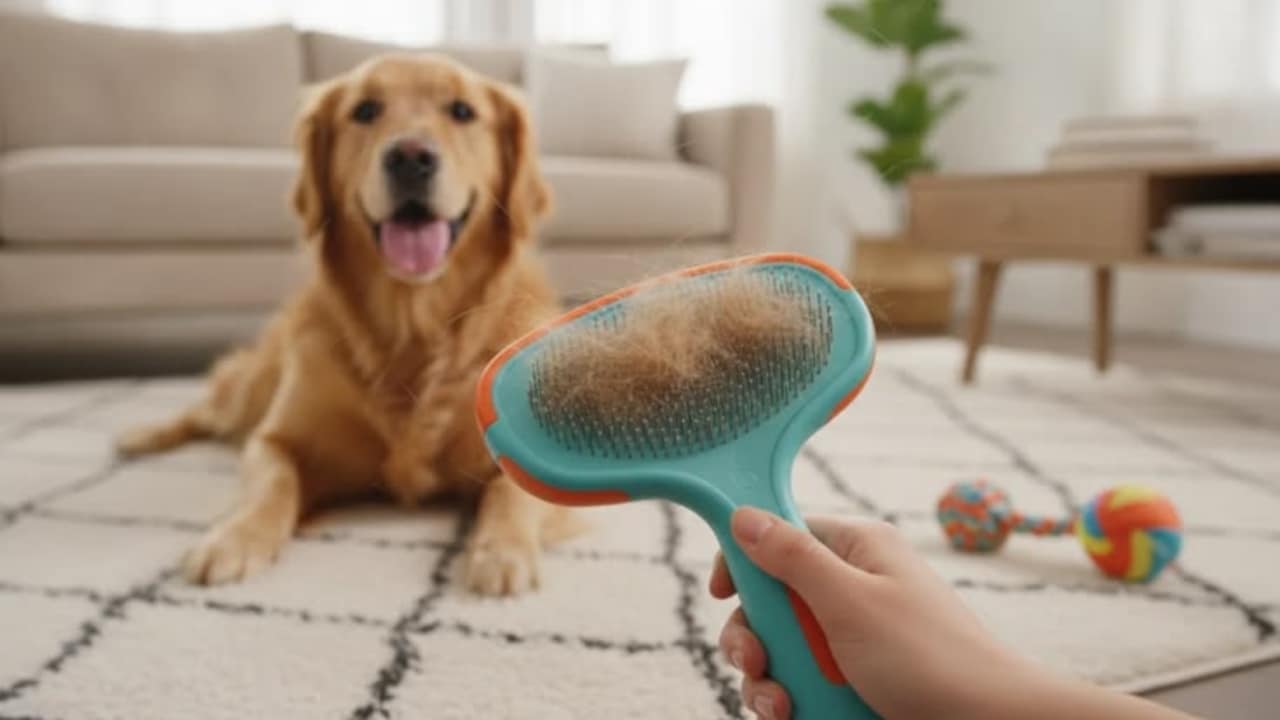
Living with a pet often means accepting that fur has an impressive ability to travel. It starts on the dog bed, appears on the sofa and somehow ends up on the black trousers hanging inside a wardrobe. A quick cuddle before leaving home can turn into ten minutes with a lint roller, particularly when the outfit involves dark colours or soft fabrics. Yet pet hair doesn't cling equally to everything. A smooth bedsheet might shake clean in seconds, while a fleece blanket seems determined to keep every strand it has ever encountered. The difference comes down to more than how much a pet sheds. Static electricity, fabric texture, fibre type, washing habits and even humidity can affect how firmly hair attaches to clothes, room curtains and upholstery. Understanding why this happens makes the problem much easier to manage. You don't necessarily need to ban pets from the sofa or spend every evening vacuuming cushions. A few changes to fabric choices, laundry routines and everyday cleaning can make loose fur far less noticeable.
Why Some Fabrics Attract More Pet Hair: 10 Ways To Keep It Under Control; Photo Credit: Pexels
Why Some Fabrics Turn Into Pet-Hair Magnets
1. Static Electricity Makes Loose Hair Stick
Sometimes the problem isn't the fabric itself but the tiny electrical charge building across its surface. Synthetic materials such as polyester, acrylic and nylon can develop static through friction. Walking, sitting, folding clothes or running garments around inside a tumble dryer can all contribute.
Pet hair carries very little weight, so even a small static charge can pull individual strands towards the fabric. This explains why fur sometimes appears almost glued to leggings, jackets or cushion covers even though it hasn't become physically tangled in them.
Dry weather can make matters worse because moisture in the air normally helps electrical charges dissipate. Air-conditioned rooms can also create relatively dry conditions.
Reducing friction helps. Avoid excessively drying synthetic clothes and don't overcrowd washing machines. Where suitable, lightly dampening a clean microfibre cloth before wiping the fabric can help collect hair because moisture reduces static.
A reusable anti-static laundry product can also help with suitable garments. The aim isn't to eliminate static completely. It is simply to stop clothing from behaving like a furry refrigerator magnet every time the family pet walks past.
Also Read: Say Goodbye To Fur With These Pet Hair Remover Products
2. Loose Weaves Give Hair Somewhere To Hide
Look closely at different fabrics and the reason some trap hair becomes much clearer. Materials with open or loose weaves contain tiny gaps where individual hairs can slide between threads. Once caught, movement pushes them further into the fabric.
Chunky knitted throws, loosely woven cushion covers and certain sweaters can therefore hold considerably more visible hair than tightly woven materials. Simply shaking them may remove the strands sitting on top, but hair trapped between fibres can remain stubbornly in place.
This becomes particularly noticeable with short-haired pets. Their stiff, tiny hairs can work into woven fabrics almost like miniature needles. Running a hand across the surface may barely move them.
Choose tighter weaves where practical, particularly for furniture covers and bedding that pets regularly use. Smooth cotton, tightly woven blends and similar surfaces usually release hair more easily.
For fabrics already covered in fur, vacuuming slowly in different directions works better than making one quick pass. A rubber cleaning glove lightly dampened with water can also gather embedded strands into manageable clumps before washing.
3. Rough Textures Catch Hair Like Tiny Hooks
Texture plays a surprisingly large part in the battle against pet hair. Fabrics with raised, fluffy or brushed surfaces offer thousands of tiny places where fur can catch.
Fleece makes an obvious example. Its soft surface feels wonderfully cosy, which explains why both humans and pets love it. Unfortunately, those raised fibres can grip loose hair remarkably well. Velvet, chenille and some brushed upholstery materials can cause similar problems.
The challenge isn't simply that fur lands on these fabrics. Movement presses strands between the raised fibres. Someone sitting on a furry blanket, for instance, can push loose hair deeper into the pile.
Regular surface cleaning works better than waiting until the fabric looks heavily coated. A quick pass with a rubber brush, pet-hair remover or upholstery attachment every few days prevents large amounts from accumulating.
If replacing furnishings, consider how much contact pets will have with them. That beautifully textured sofa might look inviting in the showroom, but households with enthusiastic shedders may find a smoother upholstery fabric far easier to live with. Sometimes practical fabric wins the argument.
Why Some Fabrics Attract More Pet Hair: 10 Ways To Keep It Under Control; Photo Credit: Pexels
4. Synthetic Fibres Often Hold More Static
Synthetic fabrics have plenty of advantages. They're affordable, durable, quick-drying and widely used in everything from activewear to sofas. Unfortunately, many also have an awkward relationship with pet hair.
Polyester and acrylic, for example, tend to generate more static electricity than many natural fibres. The smooth appearance of synthetic clothing can therefore be deceptive. A pair of polyester trousers may look as though hair should brush straight off, yet static can keep fine strands attached stubbornly to the surface.
This becomes particularly frustrating with dark synthetic fabrics, where pale fur creates obvious contrast.
Natural fibres aren't automatically pet-hair proof, though. Wool can hold hair because of its textured structure, while loosely woven cotton may trap it mechanically. Fabric construction matters as much as fibre type.
When buying everyday clothing for a home with pets, consider tightly woven cotton, denim and smooth fabric blends that don't develop excessive static.
For existing synthetic garments, washing them inside out can reduce the amount of pet hair accumulating on the visible surface. Keeping pet blankets separate from regular clothing in the laundry basket also prevents fur from transferring before the wash even starts.
5. Short Pet Hair Can Work Deep Into Fabric
Long strands of pet hair look dramatic because they're easy to see, but short hair can prove surprisingly difficult to remove.
Some short-coated dogs and cats shed stiff little hairs that push into upholstery, carpets and clothes. Instead of lying across the surface, these hairs can lodge between fibres. Pulling them out individually feels almost ridiculous, yet anyone who has discovered dozens embedded in a favourite jumper knows the temptation.
Fabric movement makes the issue worse. Sitting on a sofa presses loose hair further into the upholstery. Walking around in trousers after a pet has brushed against them can achieve something similar.
Start by loosening embedded hair rather than immediately reaching for sticky tape. A slightly damp rubber glove works well on many upholstery fabrics because friction brings small hairs together. A specialised rubber pet-hair brush can perform the same job across larger areas.
Vacuum afterwards to collect what has loosened.
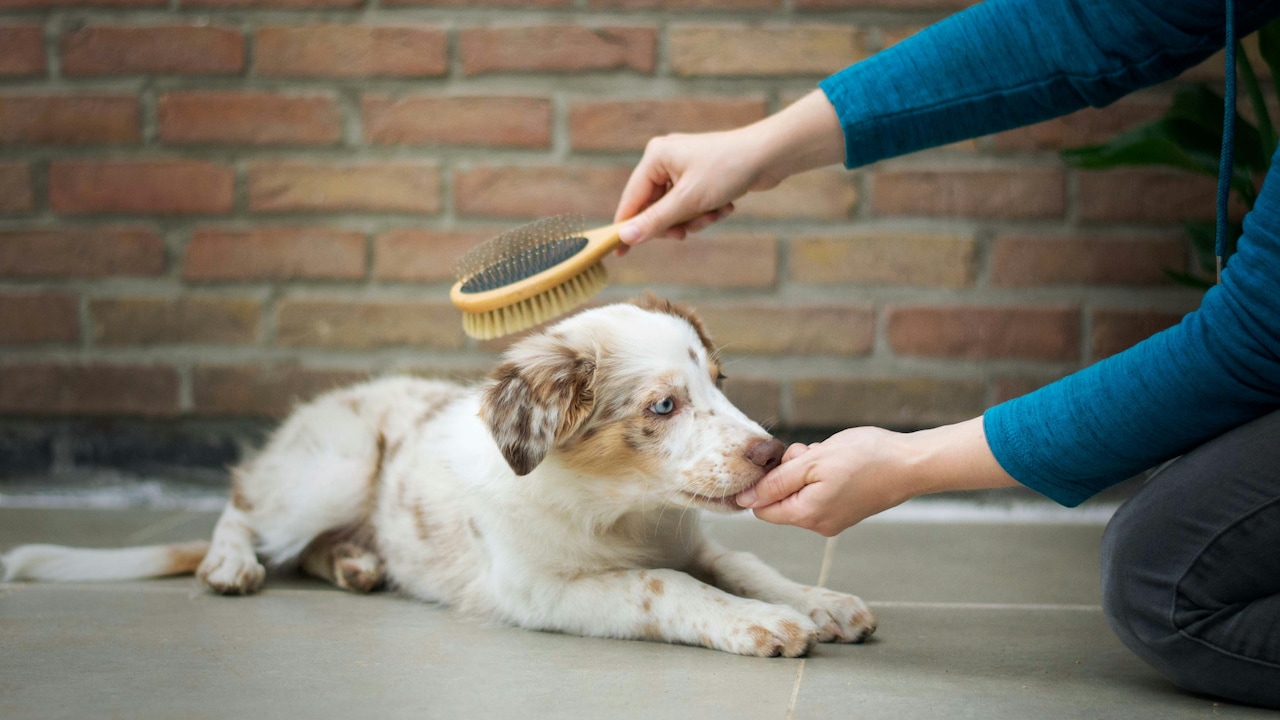
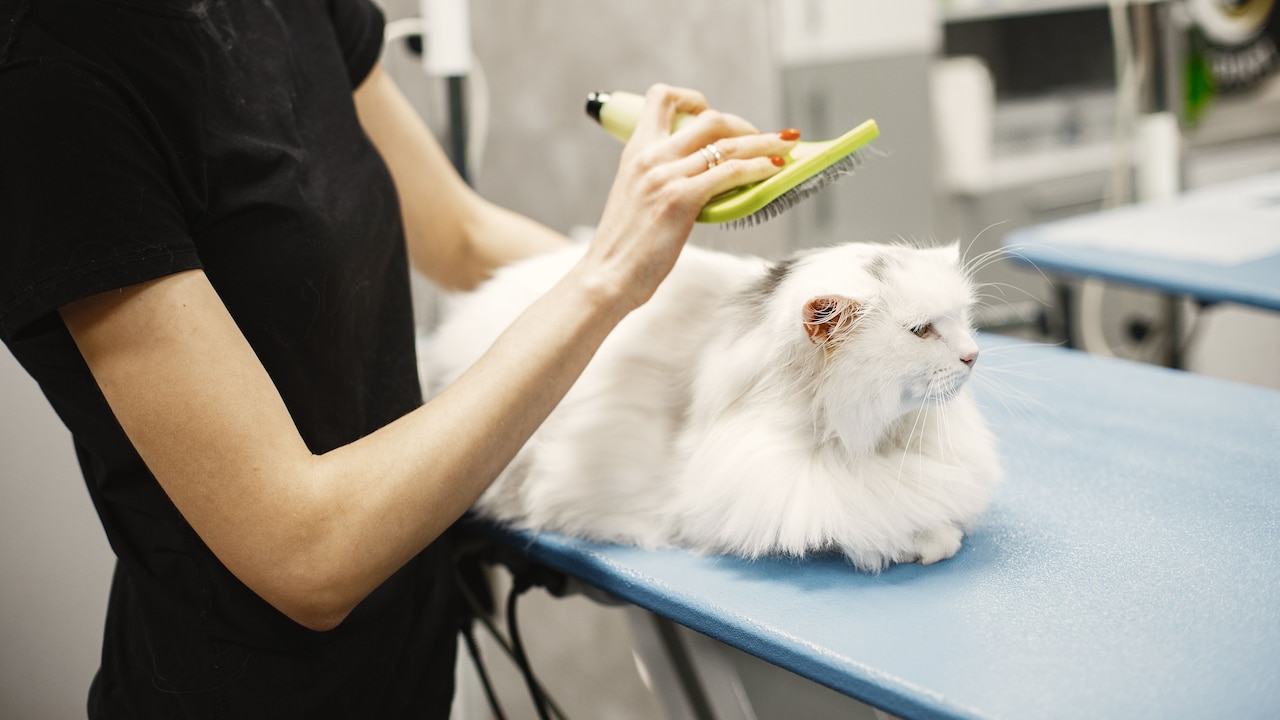
Regular grooming can also reduce how much loose undercoat reaches household fabrics. It won't stop shedding altogether, but removing hair at the source usually beats chasing it around the sofa later.
6. Fabric Softness Can Increase Surface Friction
Soft fabrics feel comfortable partly because their surfaces contain fine fibres that create a plush texture. Unfortunately, those same fibres can increase friction against pet hair.
Think about the difference between wiping fur from a smooth rain jacket and removing it from a soft sweatshirt. One may need little more than a quick brush. The other seems to collect individual strands with remarkable enthusiasm.
Flannel, fleece, brushed cotton and certain sweatshirts can all become pet-hair magnets for this reason. Their softness creates more contact points for loose hair than a sleek, tightly woven surface.
This doesn't mean every pet owner needs a wardrobe made entirely of crisp fabrics. Instead, consider which clothes come into regular contact with pets.
Keep especially furry blankets away from clothing before washing. Store clean jumpers inside cupboards rather than leaving them across chairs where pets sleep nearby.
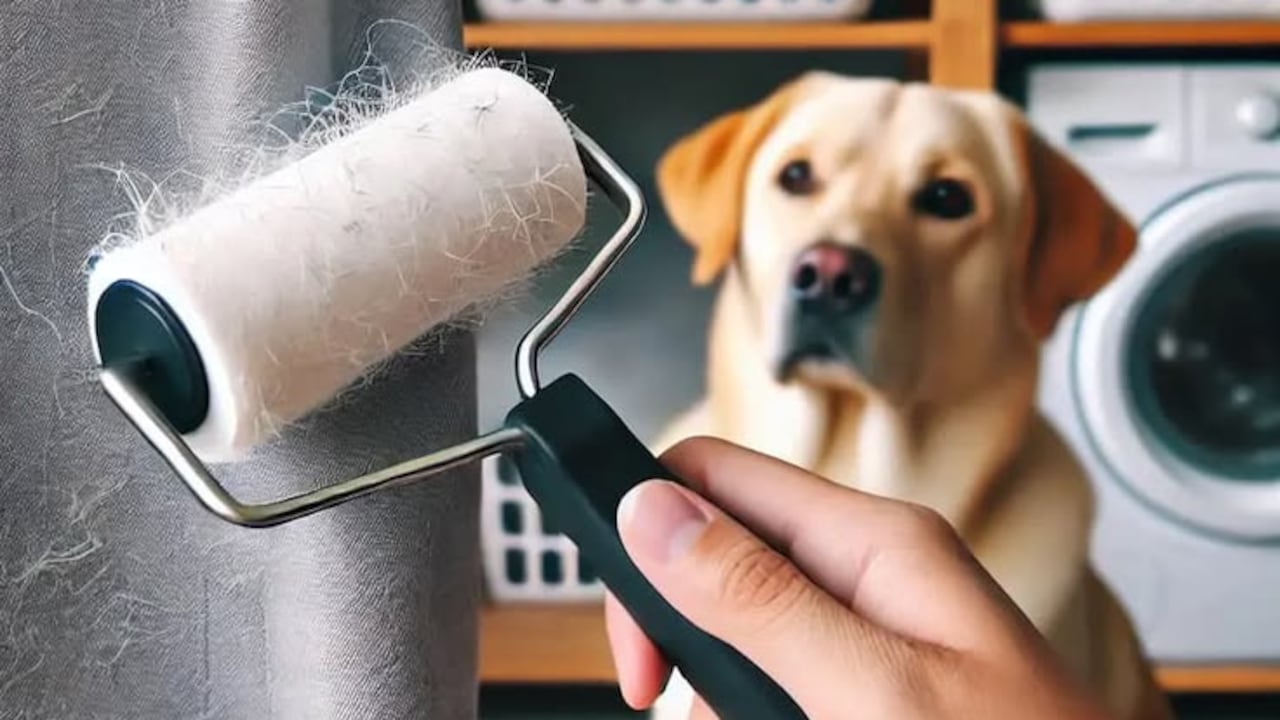
For soft garments that already attract hair, removing as much fur as possible before washing helps significantly. Otherwise, wet hair can simply travel around the washing machine and settle onto another item. Laundry shouldn't become a fur redistribution programme.
Why Some Fabrics Attract More Pet Hair: 10 Ways To Keep It Under Control; Photo Credit: Pexels
7. Dark And Contrasting Colours Make Hair Look Worse
Sometimes a garment isn't holding more pet hair at all. The hair is simply easier to see.
White cat hair across black trousers creates an obvious contrast, just as dark dog hair stands out dramatically against a cream sofa. Put the same amount of fur on a fabric closer to the pet's coat colour and suddenly the situation appears far less alarming.
This visual effect can make certain clothes seem unusually prone to pet hair even when their texture isn't particularly problematic.
Colour obviously shouldn't dictate an entire wardrobe, but it can influence practical choices. Someone living with a golden-coloured dog may find beige or patterned sofa covers easier to maintain visually than solid navy upholstery.
Patterns can also disguise small amounts of loose hair between cleaning sessions.
That doesn't mean camouflage should replace cleaning. Accumulated pet hair can carry dust and allergens regardless of whether it shows up clearly.
Instead, think of colour as one part of the maintenance equation. A fabric that releases hair easily and doesn't highlight every individual strand can save plenty of frantic lint-rolling five minutes before leaving the house.
8. Washing Without Removing Hair First Can Make Things Worse
The washing machine feels like the logical solution to hairy clothes, but throwing fur-covered garments straight into the drum isn't always effective.
When hair becomes wet, it can stick more firmly to certain materials or detach from one garment and settle onto another. Some loose fur travels into the filter or drain, but not all of it disappears.
This creates the frustrating moment when freshly washed clothes come out looking suspiciously familiar.
Remove excess hair before washing whenever possible. Shake blankets outdoors where appropriate, vacuum heavily covered pet bedding and use a lint roller or rubber brush on clothing.
Avoid packing the washing machine too tightly. Clothes need enough space to move so water and detergent can reach their surfaces effectively.
Cleaning the machine's filters and accessible seals also matters because hair can collect there over time.
Pet bedding deserves particular attention. Washing an extremely furry pet blanket alongside everyday clothes practically invites cross-contamination. Giving it a separate wash after removing loose hair can keep the rest of the laundry noticeably cleaner.
The washing machine can help with fur, but it works better when it isn't asked to perform miracles.
9. Fabric Conditioners And Residue Can Change The Surface
Laundry products can influence how fabrics behave around loose hair. Some conditioners coat fibres to create a softer feel and reduce static, which may help certain fabrics release fur more easily. However, excessive product can leave residue behind.
That residue may alter the fabric's texture and attract dust, oils and debris. Using more detergent or conditioner than recommended doesn't necessarily produce cleaner clothes.
In fact, detergent that fails to rinse away properly can leave fabrics feeling slightly sticky or stiff. Add loose pet hair to the equation and the result can become frustrating.
Follow the dosage recommended for the machine, water conditions and laundry load rather than automatically adding an extra splash.
Occasionally running an appropriate cleaning cycle on the washing machine also prevents detergent, lint and pet hair from gradually accumulating inside.
For garments that tolerate it, an extra rinse may help when residue has become a recurring issue.
Laundry routines don't need to become complicated. The important point is consistency. Clean fibres generally release debris better than fibres carrying layers of detergent, oils and old fabric-care products.
10. Waiting Too Long Between Cleaning Sessions Lets Hair Build Up
A little pet hair rarely causes much trouble. The real battle begins when several days' worth accumulates across sofas, bedding, rugs and clothes.
Each new layer of fur mixes with dust, fibres and older hair. People then sit or walk across those surfaces, pressing everything deeper into the material. What could have taken two minutes to remove on Monday becomes a determined Saturday-afternoon project.
Frequent light cleaning usually works better than occasional aggressive cleaning.
Vacuum the places where pets sleep most often before the hair becomes visibly thick. Give frequently worn clothes a quick brush before placing them in the laundry basket. Wash removable throws regularly rather than waiting until they resemble a second pet.
Grooming also makes a noticeable difference, especially during heavier shedding periods. The right grooming routine depends on the animal's coat, so follow suitable veterinary or professional grooming advice rather than over-brushing.
Creating one washable pet blanket for a favourite sofa spot can also contain much of the loose fur.
The goal isn't a completely hair-free home. With a pet around, that's probably ambitious. The goal is keeping loose fur manageable before it becomes part of the furniture.
Products Related To This Article
1. Reusable Lint Roller Ball, Mini Travel Size Lint Roller for Clothes
2. Furco Pet Hair Remover Roller
3. Omasi Pet Hair Brush, Cats and Dogs, Magic Cleaning Brush
4. Petola Pet Hair Remover Roller for Dogs & Cats
5. Redreo Pet Hair Remover, Multifunction Long Handle Lint Roller for Dog Hair and Cat Hair
6. Inralimot Pet Hair Removal Tool, Electrostatic Pet Hair Remover
7. Amazon Basics Pet Hair Remover Lint Roller
Pet hair remover doesn't choose fabrics randomly. Static electricity, loose weaves, fluffy textures, fibre type and everyday laundry habits all influence where those stubborn strands end up. Short hairs may bury themselves deep inside upholstery, while long fur can cling through static and friction.
Fortunately, reducing the problem rarely requires drastic changes. Tighter weaves, smoother surfaces, regular grooming and frequent light cleaning can make a noticeable difference. Removing fur before washing and keeping heavily hairy pet bedding separate can also prevent the laundry cycle from spreading the problem around.
A perfectly fur-free home may remain a fantasy when a much-loved pet has claimed the sofa. But with the right fabrics and a smarter cleaning routine, wearing black trousers no longer needs to involve half a lint roller before stepping out the door.
(Disclaimer: This article may include references to or features of products and services made available through affiliate marketing campaigns. NDTV Convergence Limited (“NDTV”) strives to maintain editorial independence while participating in such campaigns. NDTV does not assume responsibility for the performance or claims of any featured products or services.)