How To Set Up A Monsoon Emergency Home Kit In India
Heavy rains can lead to sudden power cuts and waterlogging. Here is a realistic, step-by-step guide to putting together a monsoon emergency kit for your Indian home.

How To Set Up A Monsoon Emergency Home Kit In India
There is nothing quite like the relief of that first heavy downpour after months of unbearable summer heat. However, despite our fondness for the cool breeze and the scent of wet earth, the Indian monsoon consistently introduces its own chaotic challenges. Between sudden waterlogging, unpredictable power cuts, gridlocked traffic, and delivery apps flashing "services temporarily unavailable", a normal day can spiral into a stressful mess pretty fast if your household isn't ready.
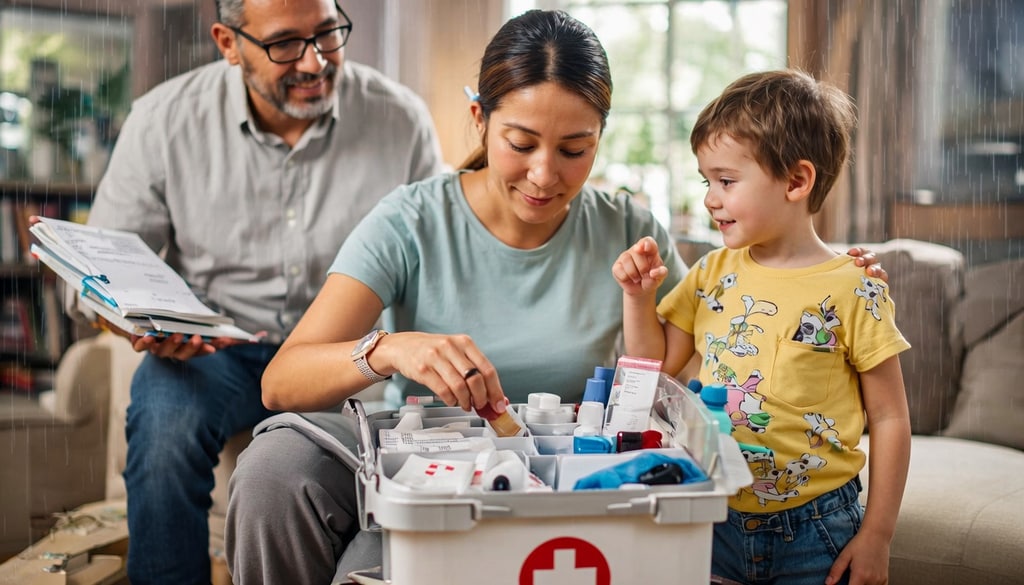
Build a practical monsoon survival kit to handle sudden blackouts and severe neighborhood waterlogging.
Photo Credit: iStock
Most of us only realise we're missing something critical when it's already raining cats and dogs outside. You go to grab the flashlight, only to find the batteries leaked months ago. You look for a power bank, and it's completely dead. Or worse, you discover that you have only one strip of essential daily medication left. A well-thought-out monsoon emergency kit is essential in such situations. It saves you from those frantic, last-minute scrambles.
Also Read: 5 Best Cleaning Gadgets Under ₹700 That Made Our Monsoon Routine Less Miserable
So, what actually belongs in a practical rainy-season kit? And how do you put one together without blowing cash on random stuff you'll probably never touch? Let's discuss how to prepare your home for the next major storm.
What Belongs In A Monsoon Emergency Home Kit?
A home kit for monsoon emergencies should include the core things your family might need to feel safe and comfortable for 48 to 72 hours during heavy rainfall, flooding, or power cuts. First thing, keep enough drinking water in dependable bottles or bigger containers. Also have ready-to-eat snacks, dry meals , a proper first-aid box that's well stocked, and the daily medicines each family member actually needs.
Then it really helps to keep flashlights nearby, plus spare batteries, power banks, rechargeable lanterns, and waterproof bags for important papers and electronic gadgets. Don't forget to write down emergency contact numbers, and keep high-quality umbrellas and rain ponchos handy too. Store all items in a single, easily accessible location so that everyone in the home can quickly find them when the situation becomes chaotic.
A Step-By-Step Guide To Prepping Your Kit
Step 1: Water and Quick Meals
Clean drinking water is the number one priority; store enough bottled water for a few days just in case the local supply gets compromised. Then pair it with no-cook snacks like energy bars, nuts, dry fruits, biscuits, and roasted chana.
Step 2: Backup Lighting
Monsoon power outages are inevitable. Save your phone's battery and use dedicated LED torches or rechargeable lanterns instead. Keep spare batteries in a bone-dry Ziploc bag.
Step 3: First-Aid Box
Humidity brings bugs, slips, and viral fevers. Stock a kit with band-aids, antiseptic liquid, pain relievers, a thermometer, and family prescriptions.
Step 4: Communication
Keep your phone alive during blackouts with a high-capacity power bank. Top them all up before the heavy storms hit.
Step 5: Protect Paperwork
Slide crucial IDs and insurance documents into waterproof pouches. Back them up on a secure cloud drive for extra safety.
Practical Monsoon Maintenance Tips For Your House
Putting together an emergency kit is only half the battle. Taking a few preventive steps around the house before the dark clouds roll in can save you from a lot of unnecessary stress down the road.
1. Inspect the Roof and Ceilings Early
A tiny, unnoticed crack in the roof can quickly turn into a frustrating, constant drip once it rains for three days straight. Take a look at your ceilings and exterior walls before the season starts. Patching up minor problem areas early prevents expensive structural damage and keeps your furniture and electronics safe from water stains.
2. Clear Out Your Balcony and Terrace Drains
Clogged drains are the number one reason balconies and terraces turn into mini swimming pools. Dried leaves, dust, and random debris easily block up drainage holes. Clearing these pipes out regularly gives rainwater an effortless escape route, keeping it from seeping under your doors and into your living room.
3. Move Electronics Away From Windows and Damp Spots
Electricity and water are a terrible mix. Walk around your home and move extension cords, multi-plugs, and appliances away from windows that might leak or areas where rainwater tends to spray inward. If you live in a low-lying area prone to street flooding, try elevating your heavy appliances on sturdy blocks if possible.
Don't wait for a total blackout to find out your emergency light only holds a charge for five minutes. Every few weeks, turn on your lanterns and torches to make sure the batteries are still healthy. Keeping them regularly charged means they will actually do their job when you need them most. Always keep these essentials prepared to deal with any situation easily. Make monsoon stress-free for yourself and your family. Start creating your monsoon kit today.
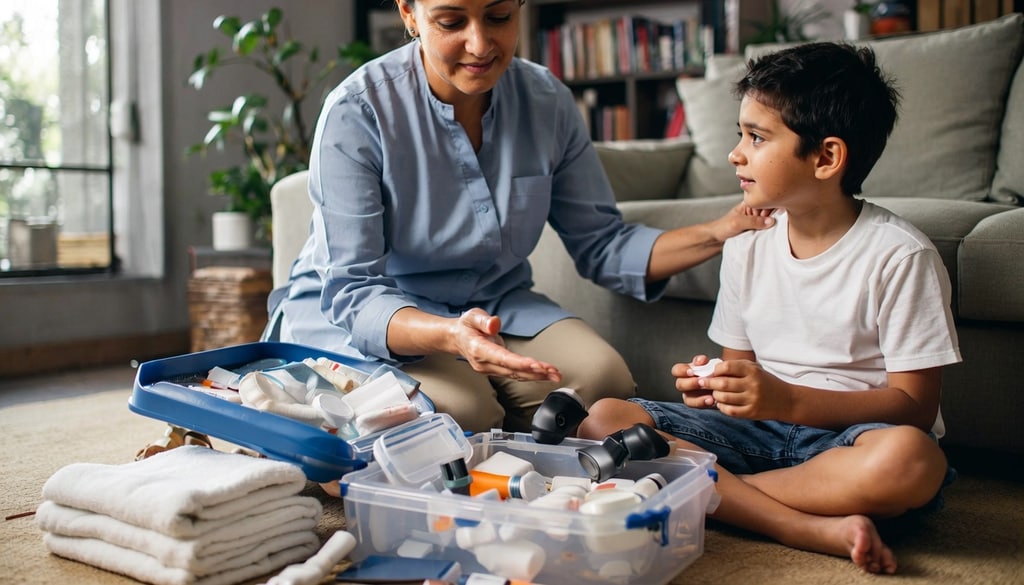
Protect your household from rainy season power outages using this comprehensive step-by-step preparation guide.
Photo Credit: iStock
Some Essentials You May Like To Consider For Your Monsoon Kit
If you are looking to restock or build your kit from scratch, here are a few reliable products that fit the bill perfectly:
1. Eveready CITYLITE Multipurpose Emergency Rechargeable Lantern
2. Wipro Coral Multi-Functional Rechargeable LED Emergency Lights
3. PHILIPS Helio Multi-Functional Emergency Rechargeable LED Lantern
4. Mi Power Bank 4i 20000mAh
5. EVEREADY SEARCHLITE DL95, Rechargeable 4W Torch
6. Silver Shark Plastic Medicine Box, First Aid Box
7. Hansaplast Fast Aid Kit
8. Amazon Small First Aid Medicine Box with Handle
Frequently Asked Questions (FAQs)
1. What is a monsoon emergency home kit?
It is basically a gathered set of practical things, like backup lights, shelf-stable foods, phone power banks, and first-aid items, all kept in one place so your household can get through surprise power cuts or heavy rain messes with way less stress.
2. How much backup water should I realistically store?
A good simple guideline is to hold enough clean drinking water to cover everyone in your home for at least two to three days. That's typically the most reliable option without being excessive.
3. Is a power bank actually needed for the rainy season?
Yes, when strong winds knock down power lines and the lights are out for hours, a power bank is often the only practical way to keep your phones alive so you can stay in touch with family or reach out for help.
4. How often do I need to look over my emergency kit?
A quick check every two or three months is ideal. It's just so you can confirm the batteries haven't drained, the food has not expired, and your medical supplies don't run low or need replacement.
5. Where is the best place to keep the kit?
Keep it in a cool, dry, easy-to-access location, like a specific living room shelf or a main hallway cupboard. Position it so every adult can grab it quickly, even in the dark.
(Disclaimer: This article may include references to or features of products and services made available through affiliate marketing campaigns. NDTV Convergence Limited (“NDTV”) strives to maintain editorial independence while participating in such campaigns. NDTV does not assume responsibility for the performance or claims of any featured products or services.)