Resistance Bands Vs Dumbbells: Which Builds Strength Faster At Home
Resistance bands vs dumbbells—which builds strength faster at home? Compare muscle growth, versatility, cost, and training benefits to choose the right option.
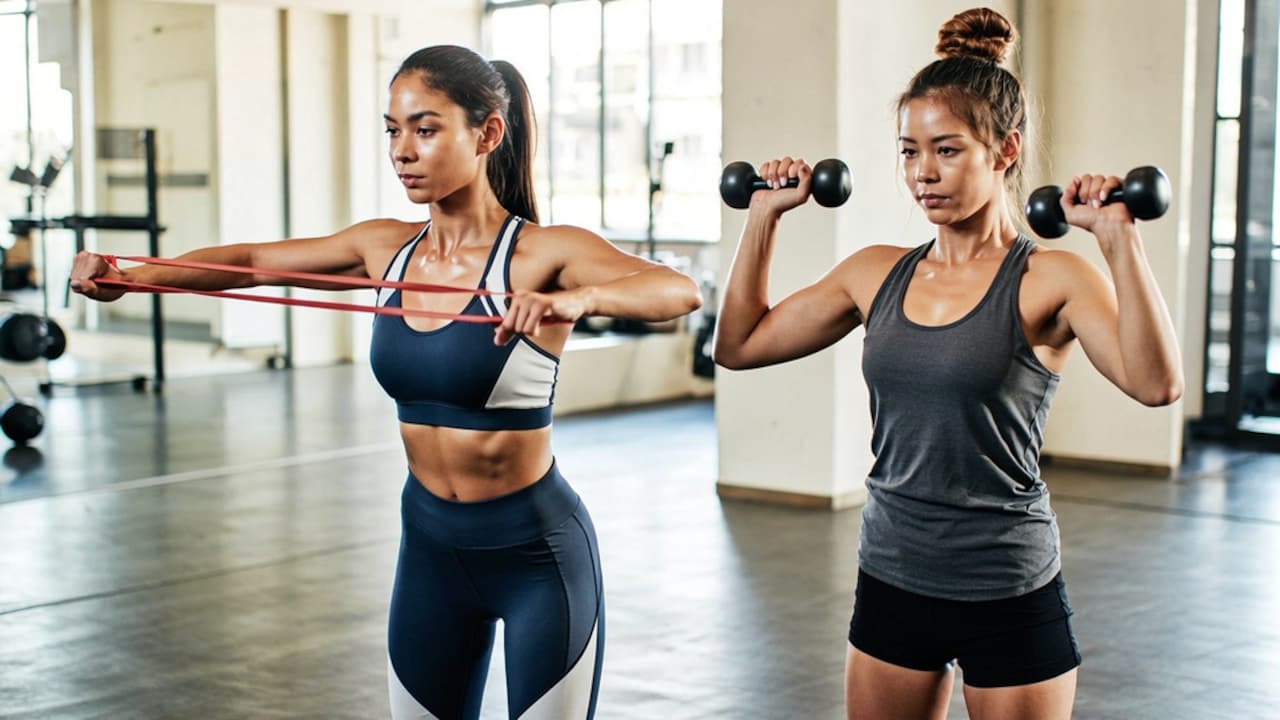
Easy tips to choose between resistance bands and dumbbells
Home workouts are more popular than ever now, with people wanting simple yet effective ways to stay fit without paying for pricey gym memberships. Whether someone has a compact apartment setup or a more dedicated home gym space, strength training gear has become a must-need item for fitness enthusiasts.
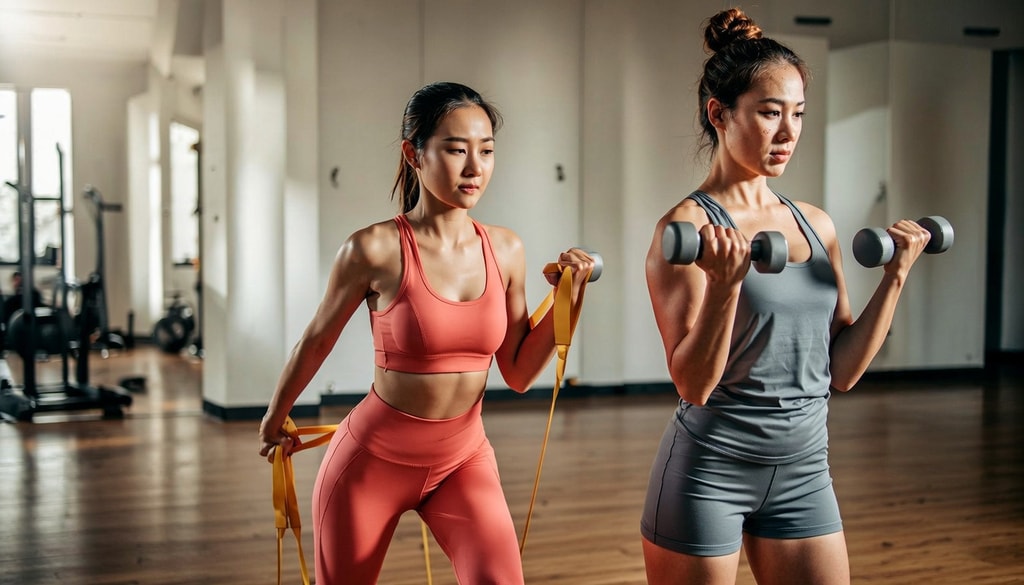
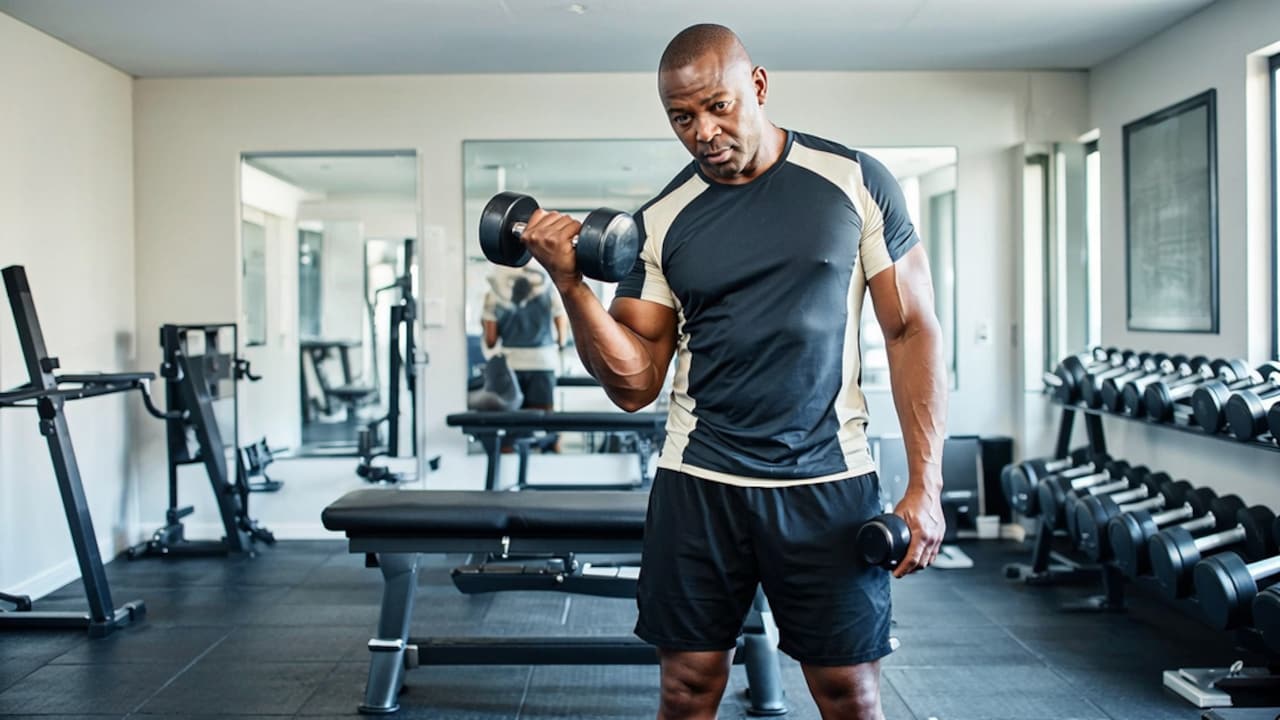
Discover whether resistance bands or dumbbells build muscle and strength faster for home workouts.
Photo Credit: iStock
If you're trying to choose between resistance bands and dumbbells, you're definitely not alone. Both seem to promise stronger performance, better muscle definition, and quick home sessions. Still, the real question is, which one helps you build strength faster? This guide runs a side-by-side comparison of both options across a few key areas so you can get a clearer sense of what fits your targets best and how you like to train.
Also Read: Know How To Set Up A Home Gym And Check Top Picks From Lifelong, Boldfit To Fitkit
How Do Resistance Bands And Dumbbells Build Strength Differently?
Even though both tools help build strength, they push your muscles in slightly different ways, and it can feel weird at first. With resistance bands you get tension that ramps up as the band stretches. So, in the back half of each rep your muscles are usually doing more work, which helps with things like stability, fine control, and muscular stamina overall.
Dumbbells, though, deliver resistance that stays pretty steady from the beginning to the end. Since the weight doesn't really change while you move, they tend to be especially good for max strength and muscle mass gains when you use progressive overload.
Resistance Bands vs. Dumbbells For Muscle Growth
Muscle growth is mostly about training intensity, sticking with it, food intake and recovery, not just the gear you choose. Dumbbells usually have a little edge since you can add weight bit by bit as the weeks go on. That slow “progressive overload” tends to be a main reason for muscle hypertrophy.
Resistance bands can work too, and they can really help stimulate growth, especially for beginners and for intermediate individuals as well. Their changing resistance keeps the muscles under strain the whole time, but in the end they might hit a ceiling if you want to push much heavier resistance or if your goals demand it more.
Which Option Is Better For Different Fitness Goals?
The better option really depends on what you're trying to pull off in practice.
Building Maximum Strength
When your aim is moving heavier weight while also adding clear muscle size, dumbbells tend to get you there sooner. They help make progressive overload feel a lot more straightforward, especially since the added resistance is pretty direct.
Improving Functional Fitness
Resistance bands do great work for joint stability, mobility, balance, and all those practical movement patterns. They're commonly used for rehabilitation and also for athletic conditioning.
Weight Loss And Toning
Both dumbbells and bands can burn calories. Resistance bands often support quick, high-energy circuit styles. Dumbbells can raise the intensity too, mainly through compound lifts where multiple muscle groups work together.
Home Workout Convenience
Bands are light and portable and are easy to store. Dumbbells take up more room, but they give broader exercise variety with fixed loads, which can be a nice tradeoff if you like a more consistent setup.
How To Choose Between Resistance Bands And Dumbbells
Step 1: Define Your Primary Fitness Goal
Ask yourself what you actually want from training: muscle, endurance, weight loss, or maybe just keep yourself moving. If muscle gain is the main goal, dumbbells tend to make more sense. But for overall fitness, plus that mobility work, resistance bands might be just enough.
Step 2: Consider Your Experience Level
Beginners often think resistance bands are easier, mostly because they bring less stress to joints, and they help you dial in the right movement patterns. Meanwhile more seasoned lifters usually get more out of heavier loading options, like dumbbells, so it fits better with their progress.
Step 3: Evaluate Your Workout Space
If storage is tight, or you travel a lot, resistance bands feel extremely practical. A full band set slides into a small bag, while dumbbells need a real corner and a bit more setup time.
Step 4: Think About Your Budget
Resistance bands are usually far more affordable than buying several sets of dumbbells. Adjustable dumbbells can reduce cost over time, but there's still a bigger upfront price.
Step 5: Assess Joint Comfort
People recovering from injuries or experiencing joint discomfort often find resistance bands more comfortable because they reduce impact while maintaining muscle engagement.
Step 6: Plan For Progressive Overload
Long-term strength growth needs gradual increases in resistance. Dumbbells make this easier just by stacking on heavier weights, while resistance bands more or less ask for stronger bands, or you end up mixing several bands together.
Step 7: Mix Both For Better Results
A lot of trainers suggest using both. Try using dumbbells for compound strength work and then let resistance bands handle accessory pieces, warm-ups, mobility reps, and even rehab-style exercises.
Step 8: Stay Consistent
No piece of equipment can replace consistent training habits. Sticking with a planned routine, with progressive challenges, matters way more than picking just one tool.
Resistance Bands Vs. Dumbbells: Which One Wins?
There isn't one universal winner because your goals decide it for you. If you want to build strength as quickly as possible, then dumbbells usually edge out other options, since they let you press heavier resistance and keep using progressive overload over time.
That said, resistance bands are still a really strong option for beginners, users with limited space, people who travel a lot, older adults, and anyone who wants versatile workouts with less impact. A lot of fitness professionals even suggest using both, like pairing tools, so you get a more well-rounded training routine.
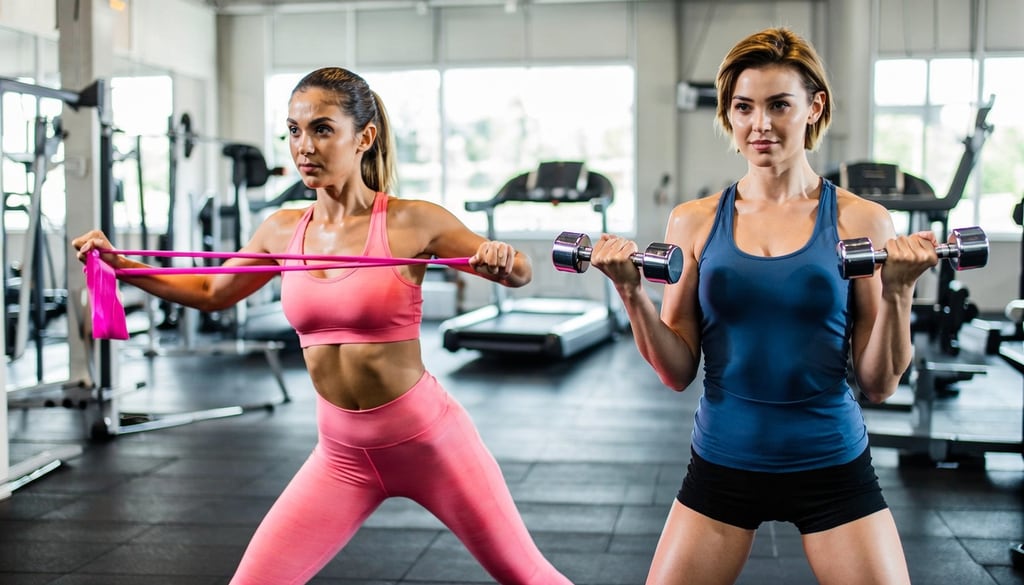
Choose between resistance bands and dumbbells by comparing home workout versatility, cost, and benefits.
Photo Credit: iStock
Some Resistance Bands And Dumbbell Products You May Like
1. Fashnex Resistance Bands Set for Exercise
2. TWINZFIT Resistance Bands Set with Handles
3. Slovic Latex Resistance Band
4. Innergy Fabric Resistance Band
5. amazon basics Rubber Encased Hex Dumbbell
6. Lifelong PVC Hex Fixed Dumbbells
7. FitBox Sports 4 kg Exlusive Octa PVC Fixed Dumbbells
8. amazon basics Neoprene Dumbbell Pair
Frequently Asked Questions (FAQs)
1. Are resistance bands as effective as dumbbells for building muscle?
Yes, resistance bands can build muscle too, especially for beginners and intermediate trainees, like pretty much those first few months where form matters most. On top of that, dumbbells usually make it a little simpler to ramp up resistance in tiny steps, so muscle growth can keep going.
2. Which is safer for beginners: resistance bands or dumbbells?
Resistance bands are often seen as more beginner-friendly; they put less strain on joints, and they help with movement control too, which can lower the odds of injury.
3. Can I replace dumbbells completely with resistance bands?
For general fitness, rehabilitation and medium strength training, yes. But if you're aiming for big muscle growth or advanced strength development, dumbbells can still be the better choice for longer-term progression.
4. Is it better to use resistance bands and dumbbells together?
Yeah, mixing both usually works pretty well. You get the strength-building payoff from dumbbells, but the bands can be used for warm-ups, mobility routines, rehab support and also extra accessory work.
5. Which burns more calories: resistance bands or dumbbells?
It really comes down to how hard you train, more than the actual gear. If you do high-intensity sessions with resistance bands or dumbbells, you can burn plenty of calories, and that helps weight loss, as well as general improvements in fitness.
(Disclaimer: This article may include references to or features of products and services made available through affiliate marketing campaigns. NDTV Convergence Limited (“NDTV”) strives to maintain editorial independence while participating in such campaigns. NDTV does not assume responsibility for the performance or claims of any featured products or services.)