Why Your Yoga Mat Slips During Sweaty Workouts: Material And Thickness Mistakes
Sweaty workouts can make the wrong yoga mat dangerously slippery. Learn how material, thickness, texture and floor grip affect stability and how to choose a mat that keeps poses steady.
Why Your Yoga Mat Slips During Sweaty Workouts And How To Fix It
A good yoga session should leave the body warm, the mind calmer, and the breath a little deeper. It should not leave someone clutching the floor for dear life while their hands slide forward in plank. Yet, that is exactly what happens when a yoga mat fails during sweaty workouts. Many people blame their palms, the weather, or even the room fan. Sometimes, yes, humidity plays its part. A power yoga class in Mumbai, a home workout in Chennai, or a terrace session in Delhi during summer can test anyone's grip. But most slipping problems begin much earlier, at the time of buying the mat.

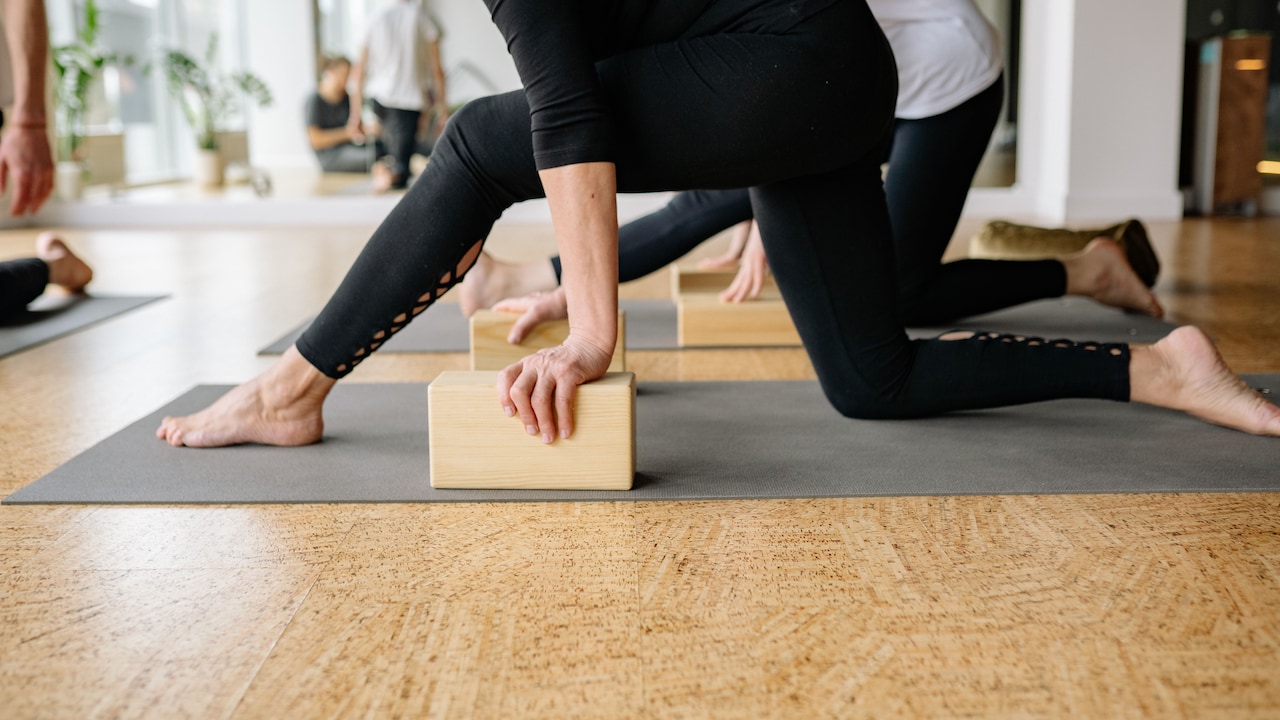
Why Your Yoga Mat Slips During Sweaty Workouts And How To Fix It; Photo Credit: Pexels
The truth sits quietly in two details most shoppers rush past: material and thickness. A mat may look stylish, feel soft, or come at a tempting price of ₹499, but that does not mean it can handle sweat, pressure, and quick movement. Some mats absorb moisture badly. Some become slick after ten minutes. Some feel comfortable but reduce balance because they are too thick. A yoga mat should support the body, not start a wrestling match. Once the material and thickness make sense, the whole practice feels steadier, safer, and more enjoyable.
Common Yoga Mat Mistakes That Make Sweaty Workouts Slippery
Cheap PVC Mats Can Become Slippery Fast
PVC mats sit everywhere, from sports shops to online carts. They often cost less, come in bright colours, and look perfectly fine at first glance. For a beginner, a ₹600 mat can feel like a sensible start. The trouble begins when sweat enters the picture.
PVC has a smooth surface that may not grip well during intense sessions. In a slow stretching routine, it might behave. During Surya Namaskar rounds, HIIT-style yoga, or hot room workouts, it can turn glossy and slick. The palms push down, sweat spreads across the surface, and suddenly the body starts moving in directions nobody planned.
Many PVC mats also come with a factory coating. This thin layer can make the mat look shiny and new, but it can reduce grip until it wears off. Some people scrub the mat with mild soap before use, which helps a little. Still, low-grade PVC rarely performs well during heavy sweating.
The appeal of a cheap mat makes sense, especially when someone starts yoga at home. But if every session feels like balancing on a banana peel, the money saved may not feel worth it.
Also Read: Top 5 Yoga Mats Under ₹1000 For Home Workouts
Foam Mats Feel Soft But Lose Stability
Foam mats attract people for one clear reason: comfort. They feel cushiony, light, and friendly on the knees. For gentle stretches, basic floor exercises, or meditation, foam can feel lovely. During sweaty workouts, though, it often struggles to keep up.
The problem lies in how foam handles pressure and moisture. Many basic foam mats compress too much under the hands and feet. When the body moves quickly from plank to lunge, the surface may shift, dent, or stretch. That tiny movement under the body can break confidence.
Sweat makes things worse. Some foam mats absorb moisture unevenly, while others allow sweat to sit on top. Either way, grip suffers. The mat may also start smelling if it does not dry well, especially during monsoon months when laundry itself seems to need emotional support.
Foam mats can suit beginners who practise light yoga twice a week. They do not always suit someone doing sweaty flows, core drills, or long-standing poses. A mat should feel kind, but not so soft that it behaves like a mattress at the wrong moment.
Rubber Offers Grip But Needs Proper Care
Natural rubber mats have gained popularity for good reason. They usually offer strong traction, even when the body heats up and sweat starts dripping. The surface grips the floor well, and the hands often feel more secure compared with cheaper synthetic mats.
For sweaty practices, rubber can feel like a loyal friend. It holds steady through warriors, planks, lunges, and fast transitions. That grounded feeling helps the body move with more confidence. Nobody wants to adjust their palms every thirty seconds while trying to breathe peacefully.
However, rubber mats need care. They can absorb sweat and odour if left rolled up after class. In a humid city, that becomes a problem quickly. After practice, the mat should dry fully before storage. A quick wipe with a damp cloth and gentle cleaner helps. Harsh chemicals can damage the surface and reduce grip.
Rubber also weighs more than basic mats. Carrying it to a studio in a crowded metro may test patience. Still, for those who sweat heavily and value grip, the extra weight often feels like a fair trade.

Why Your Yoga Mat Slips During Sweaty Workouts And How To Fix It; Photo Credit: Pexels
TPE Mats Are Light But Not Always Sweat-Friendly
TPE mats sit in the middle of the yoga mat world. They feel lighter than rubber, softer than many PVC mats, and often come at a mid-range price. Many shoppers choose them because they look neat, feel comfortable, and do not weigh down a gym bag.
For regular yoga, TPE can work well. It gives moderate cushioning and decent grip in dry conditions. During sweaty workouts, performance depends heavily on quality. A good TPE mat may support a brisk flow. A poor one can become slippery, stretch too much, or lose texture within a few months.
The surface pattern matters here. Some TPE mats have raised textures that improve traction. Others look textured but feel too smooth once sweat spreads. This is why testing the mat with dry hands inside an air-conditioned shop does not reveal the full story. Sweat changes the game.
TPE suits people who want a lightweight mat for moderate sessions. It may not suit heavy sweaters, hot yoga lovers, or those who practise powerful flows daily. The mat may look modern, but its grip must prove itself under pressure.
Cork Mats Work Better When Slightly Damp
Cork mats sound unusual until someone tries them during a sweaty practice. Unlike many surfaces that become slippery with moisture, cork often grips better when slightly damp. That makes it interesting for people whose palms start sweating during the warm-up itself.
Cork has a naturally firm feel. It does not offer the squishy comfort of foam, but it gives a stable surface for balance. During poses like warrior three or high lunge, that firmness can help the body feel more connected to the ground. The texture also feels pleasant, almost earthy, like practising closer to nature without actually inviting mud into the living room.
However, cork has a learning curve. In the first few minutes, dry hands may not grip as strongly. Some people sprinkle a little water where the hands and feet land before starting. Once sweat appears, the mat begins to perform better.
Cork mats often cost more, sometimes around ₹2,000 to ₹5,000 or higher. For sweaty sessions, though, the investment can make sense. The key lies in choosing a cork mat with a strong rubber base so it does not slide on the floor.
Microfibre Mats Need Sweat To Grip Properly
Microfibre mats often look beautiful. They come with printed designs, soft textures, and a towel-like top layer. Many people buy them for hot yoga, travel, or studio workouts. They can work well, but only when the user understands their nature.
Microfibre does not always grip well when dry. In fact, dry hands may slide more on microfibre than on rubber or cork. Once sweat appears, the fibres start holding moisture, and traction improves. That means the mat may feel slippery during the first few minutes of practice.
For heavy sweaters, this can work nicely. For people who sweat lightly, the mat may need a little water spray before use. Without moisture, it can feel like practising on a soft bedsheet, which sounds cosy until plank pose enters the chat.
Microfibre mats also need regular washing or wiping. Sweat, dust, and oil can settle into the fabric surface. If ignored, the mat loses freshness and grip. A microfibre mat suits hot, sweaty sessions better than calm morning stretches. It performs best when the workout brings enough heat to wake up its grip.
Extra-Thick Mats Can Disturb Balance
A thick mat looks comforting. It promises happy knees, protected elbows, and a softer landing for floor poses. Many people see a 10 mm or 12 mm mat and think they have found luxury. During sweaty workouts, that luxury can become unstable.
Balance depends on how well the feet sense the floor. When the mat becomes too thick, that connection weakens. In standing poses, the feet sink slightly. The ankles work harder. The body wobbles. Add sweat, speed, and movement, and the mat starts feeling less like support and more like a sponge with ambitions.
Extra-thick mats also compress under pressure. In plank, the hands may push into the surface. In lunges, the back foot may drag. These tiny shifts disturb alignment and make slipping more likely. The body then compensates by gripping harder, which creates tension in the wrists, shoulders, and toes.
Thick mats suit therapy stretches, gentle workouts, and anyone who needs joint comfort. For sweaty yoga flows, they often create more problems than they solve. Cushioning matters, but too much softness can steal stability.

Why Your Yoga Mat Slips During Sweaty Workouts And How To Fix It; Photo Credit: Pexels
Thin Mats Can Lack Cushion And Confidence
Thin mats have their own charm. They feel close to the ground, fold easily, and fit into small bags. A 3 mm mat can support balance beautifully because the feet stay connected to the floor. Many experienced practitioners like that grounded feeling.
The issue appears during longer or stronger sessions. If the mat lacks enough cushioning, the knees, wrists, and elbows may complain. On hard tile or marble floors, thin mats can feel unforgiving. After a few rounds of low lunges or kneeling poses, the body may start holding back.
When discomfort grows, posture changes. Someone may avoid pressing the hands fully, shift weight awkwardly, or rush through poses. These adjustments can reduce grip and increase the risk of slipping. Confidence matters in movement. A mat that feels too harsh can quietly break that confidence.
A thin mat also needs a strong surface texture. Without it, sweat spreads quickly and reduces control. For travel, a thin mat works well. For daily sweaty workouts at home, it may need support from a yoga towel or a second layer underneath.
The Sweet Spot Usually Sits Around Four To Six Millimetres
For many people, the most practical yoga mat thickness sits between 4 mm and 6 mm. This range offers enough cushioning for joints without removing the floor connection. It feels steady in standing poses and still kind during kneeling work.
A 4 mm mat gives better balance and control. It suits faster flows, experienced users, and those who practise on wooden or slightly softer floors. A 5 mm or 6 mm mat offers more comfort while staying stable enough for sweaty workouts. It works well for home practice on tiles, which many households have.
The exact choice depends on body needs and practice style. Someone with sensitive knees may prefer 6 mm. Someone who loves arm balances may prefer 4 mm. The mat should not feel like a bed, and it should not feel like a newspaper spread on the floor.
Material still matters more than thickness alone. A 5 mm rubber mat may grip far better than a 5 mm cheap PVC mat. Thickness gives support, but material decides how the surface behaves when sweat arrives. The best mat balances both, like good chai balances spice and sweetness.
Floor Type Can Make The Wrong Mat Worse
Even a decent mat can misbehave on the wrong floor. Smooth tiles, polished marble, and glossy wooden floors can reduce the grip between the mat and the ground. When sweat enters the session, the top surface may slip under the hands while the bottom surface shifts underneath. That double-slide feeling can ruin focus.
Many homes have tile floors that stay cool but slick. A lightweight mat may bunch up during transitions or move during jump-backs. A rubber base usually handles this better because it clings to the floor. Mats with weak undersides may need a non-slip rug pad, though that adds extra fuss.
Dust also plays a sneaky role. A thin layer of floor dust can make the mat slide, even when the material seems good. Before practice, a quick sweep or wipe can make a clear difference. The same goes for the mat's underside. If it gathers powder, hair, or lint, the floor grip drops.
A yoga mat does not work alone. It partners with the floor. When that partnership fails, every pose feels less steady.
Products Related To This Article
1. HealthSense Yoga Mat for Women & Men
2. Lifelong Dual Color TPE Material Yoga Mat for Women & Men
3. WiseLife Printed Yoga Mat (India's No 1 Yoga Brand) Strap For Men
4. Lifelong LLYM72 Yoga mat for Women & Men EVA Material 6mm Anti-Slip Yoga-Mat with Strap for Gym Workout
5. Fitness Mantra® TPE Dual Color Anti-Slip Yoga Mat with Cover Bag for Gym Workout and Yoga Exercise for Men & Women Fitness
6. Think Art Decor Alignment Yoga Mat With Strap For Men
7. Cult TPE Yoga Mat 10mm Extra Thick Exercise Mat for Men & Women
A slipping yoga mat rarely means the body has failed. More often, the mat simply does not suit the sweat, the floor, or the workout style. Material and thickness shape the entire experience. PVC may feel affordable but can turn slick. Foam may feel soft but lacks stability. Rubber, cork, and quality TPE can perform better, as long as they match the user's needs. Microfibre can shine during sweaty sessions, but it often needs moisture to wake up its grip.
Thickness matters just as much. Too thick, and the balance suffers. Too thin, and joints lose comfort. For most sweaty workouts, a 4 mm to 6 mm mat offers a sensible middle path. It supports the body without making the floor feel far away.
A good mat does not need to cost a fortune, but it should do its job when sweat arrives. Before buying one, think beyond colour, print, and price. Ask how it handles moisture, how firm it feels, and whether it suits the floor at home. The right mat lets the body move with trust. And once slipping stops, yoga feels less like a battle with gravity and more like the steady, satisfying practice it was meant to be.
(Disclaimer: This article may include references to or features of products and services made available through affiliate marketing campaigns. NDTV Convergence Limited (“NDTV”) strives to maintain editorial independence while participating in such campaigns. NDTV does not assume responsibility for the performance or claims of any featured products or services.)