Yoga Mat Buying Guide: How to Choose the Right Thickness, Grip and Comfort
How to choose a yoga mat: The right yoga mat can elevate your practice. This guide explores thickness, grip, and comfort to help you find a supportive mat for every pose and style.
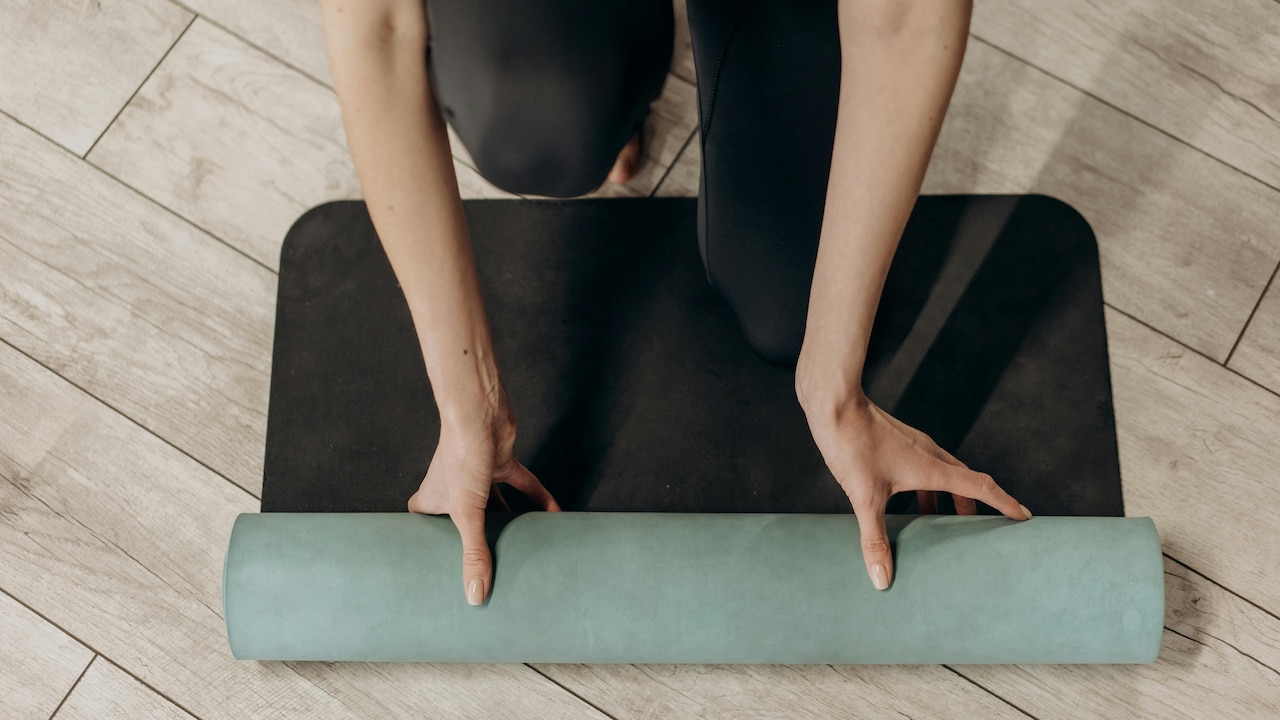
In This Yoga Mat Buying Guide, We Explain The Importance Of Thickness, Grip And Comfort.
Yoga feels simple. Roll out a mat, breathe, stretch, repeat. But anyone who has slipped during Downward Dog or felt knees protest during Vajrasana knows the mat matters more than expected. A yoga mat does more than define personal space on the floor. It protects joints, prevents injuries, supports balance and adds confidence to every pose. Following the trend, markets today overflow with colourful yoga mats, eco-friendly labels and tempting discounts ranging from ₹500 to ₹5,000.
This yoga mat guide aims to clear that fog. It explains how thickness affects joints, why grip can make or break a session and how comfort depends on more than softness. Each section speaks to everyday fitness realities, whether the practice happens in a small bedroom, a society park or a yoga studio across town.
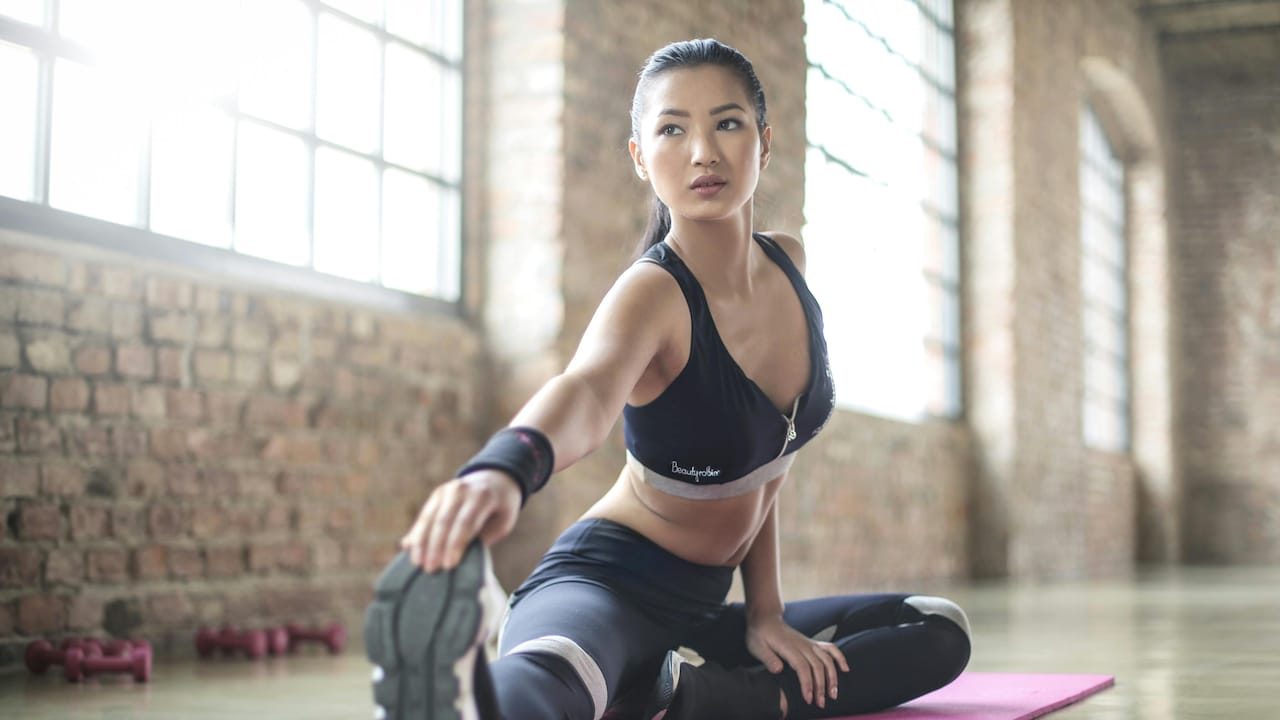
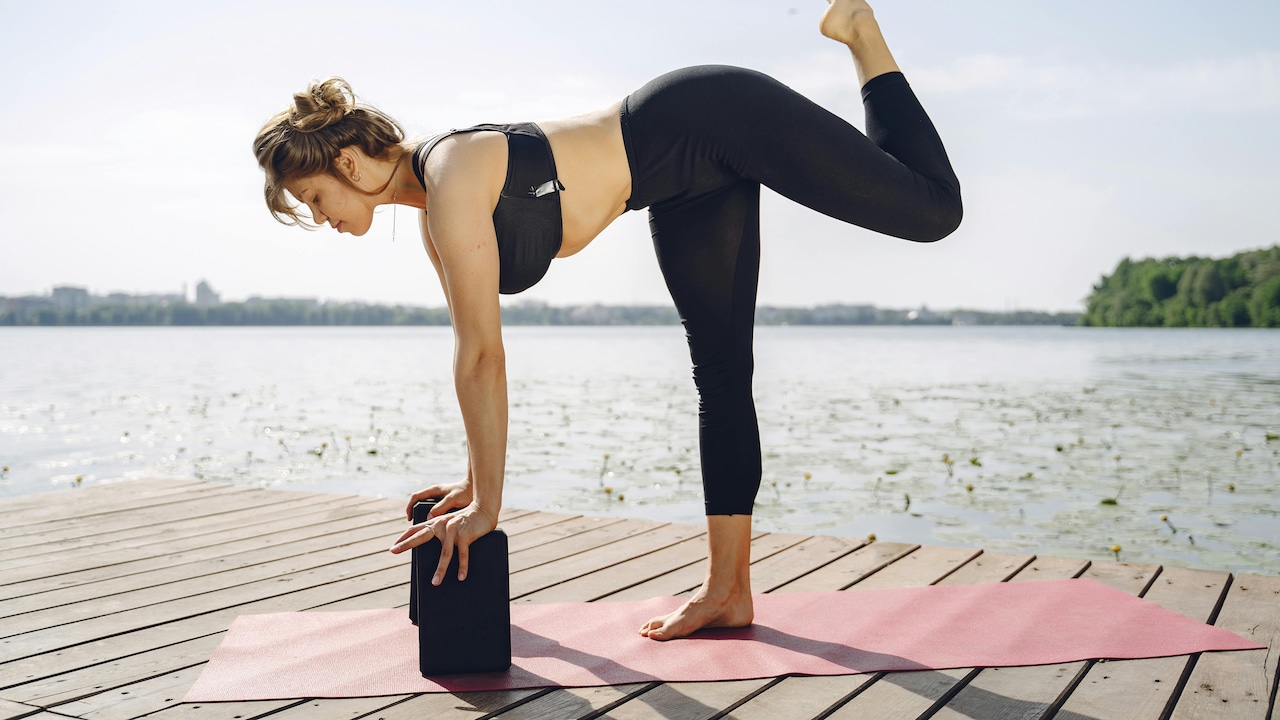
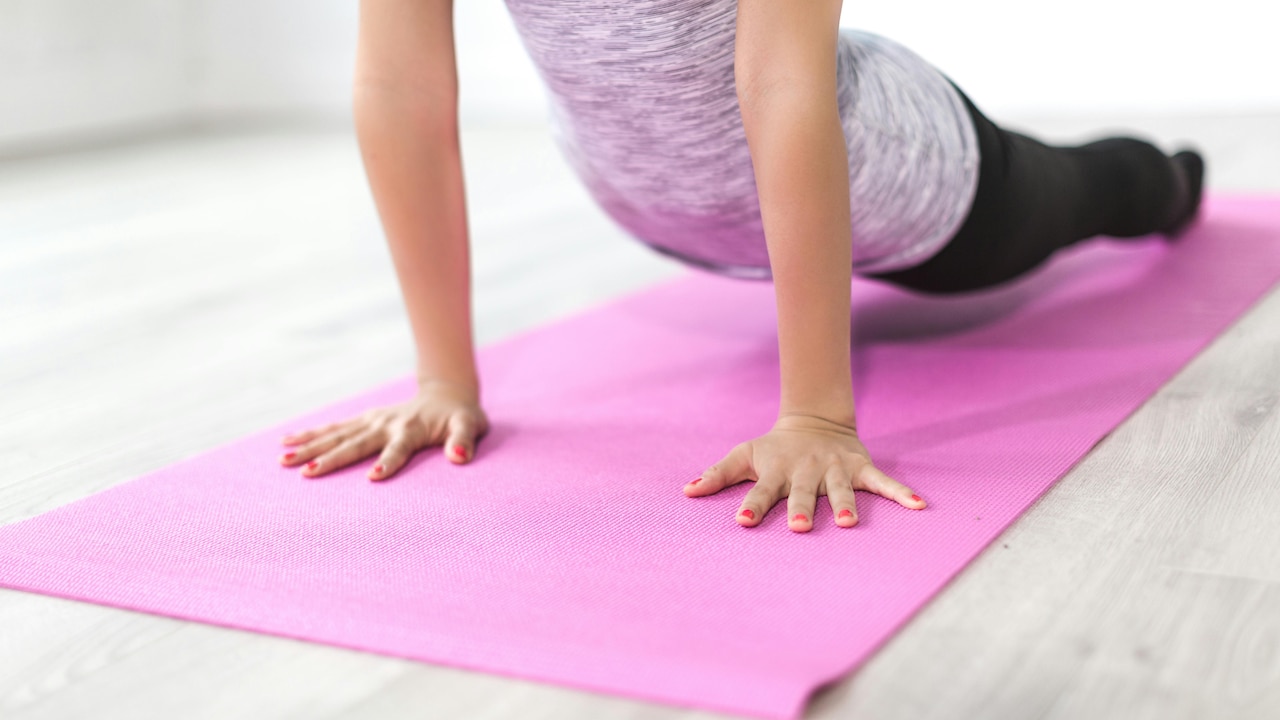
Yoga Mat Buying Guide: Thickness, Grip, And Comfort Explained; Photo Credit: Pexels
Before You Buy: The Details That Make or Break a Yoga Mat
1. Understanding Yoga Mat Thickness: Why Millimetres Matter
Thickness often becomes the first feature people notice. Mats usually range from 3 mm to 10 mm, and those few millimetres make a real difference. A thin mat around 3–4 mm suits practitioners who enjoy a strong ground connection. Balance poses feel stable, and transitions stay smooth. However, knees, elbows and tailbone may complain, especially on hard marble or concrete floors common in many homes.
Mid-range mats between 5–6 mm strike a balance. They cushion joints without compromising stability. Many regular practitioners prefer this range because it works well for both slow stretches and dynamic flows. Thicker mats above 8 mm offer plush comfort. They feel kind during seated poses and meditation but can wobble during standing postures.
Choosing thickness also depends on body weight and joint sensitivity. Someone with knee pain or recovering from injury benefits from extra cushioning. Travel also matters. Thicker mats weigh more and resist tight rolling, which can frustrate those commuting to classes. Thickness should support the body, not become an obstacle. The right choice brings quiet reassurance with every pose.
2. Grip Explained: Staying Steady Without Slipping
Grip separates a good yoga mat from an annoying one. Slipping hands during Plank or sliding feet in Warrior Pose breaks concentration and invites injury. Grip depends on surface texture, material and how the mat reacts to sweat.
Some mats feel sticky right out of the box, while others improve with use. In warmer weather or during power yoga, sweat becomes inevitable. Mats with poor grip turn into skating rinks within minutes. Textured surfaces help channel moisture away and create friction. Rubber-based mats usually excel here, offering reliable traction even during intense sessions.
However, extreme stickiness can restrict smooth transitions. Beginners may struggle to adjust foot positions if the mat grips too hard. Balance lies in controlled grip, not glue-like resistance. Many practitioners appreciate mats that warm up with movement, offering better grip as practice deepens.
Testing grip in-store helps, but not everyone gets that luxury. Reading honest reviews and understanding material behaviour becomes crucial. A steady mat builds confidence. Without fear of slipping, focus stays on breath and alignment rather than survival.
Also Read: How To Pick The Best Premium Yoga Mats: Why Material Matters More Than Thickness for Grip
3. Comfort Beyond Cushioning: The Feel Factor
Comfort goes beyond softness. It includes how the mat feels against skin, how it responds to pressure and how it supports prolonged practice. A mat that looks thick may still feel uncomfortable if the material quality lacks resilience.
Closed-cell mats resist compression and bounce back quickly. They support joints evenly and prevent sinking, which helps alignment. Open-cell mats feel softer initially but compress under weight, creating uneven support. This difference matters during long holds or meditation.
Texture also affects comfort. Some mats feel smooth and gentle, while others have pronounced ridges. Sensitive skin may react to rough textures during floor poses. Comfort also includes temperature response. Certain materials feel cold at first touch, which can distract early morning practitioners.
Comfort remains personal. What feels heavenly to one person may irritate another. However, quality materials, thoughtful design and appropriate thickness usually deliver consistent comfort. A comfortable mat invites longer practice and fewer excuses to skip sessions.
4. Material Matters: PVC, Rubber, TPE and More
Yoga mats come in various materials, each with strengths and trade-offs. PVC mats dominate budget shelves. They remain affordable, lightweight and durable. However, they lack eco-friendliness and sometimes feel slippery when wet.
Natural rubber mats offer excellent grip and durability. They suit intense practice but weigh more and cost more, often starting around ₹2,000. Some people notice a rubber smell initially, which fades over time. Latex sensitivity also deserves consideration.
TPE mats present a middle path. They feel lighter, eco-conscious and moderately grippy. Prices usually sit between PVC and rubber options. However, durability may suffer from heavy use.
Jute and cork mats appeal to those seeking natural textures. They handle sweat well and feel earthy, but cushioning often feels minimal. Material choice affects grip, comfort, longevity and even maintenance. Understanding these differences prevents disappointment after purchase. The right material aligns with practice style, values and daily habits.
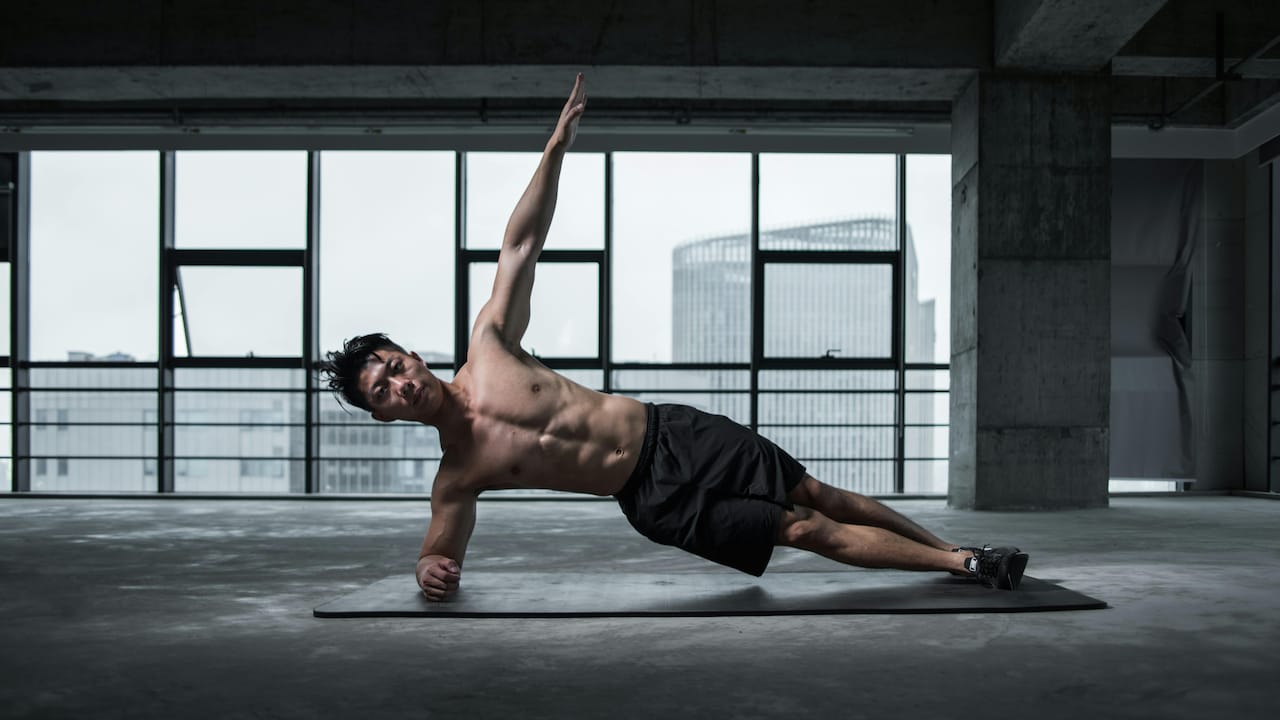
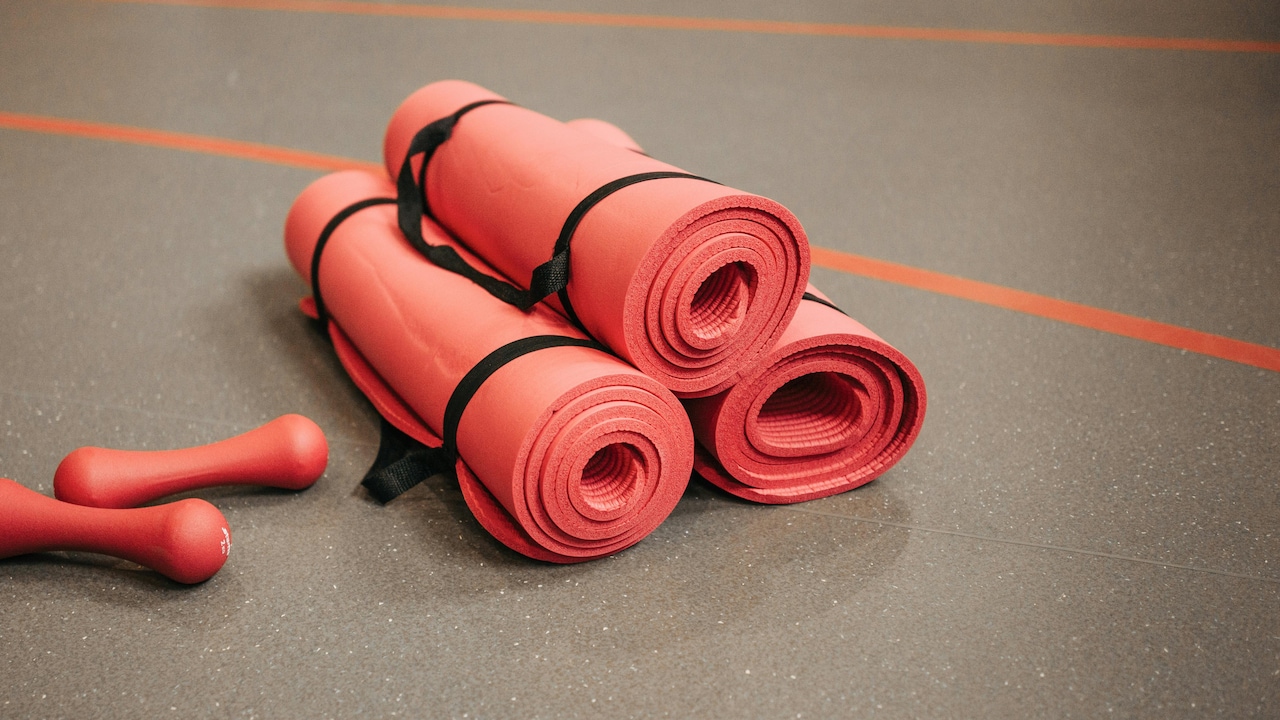
Yoga Mat Buying Guide: Thickness, Grip And Comfort Explained; Photo Credit: Pexels
5. Practice Style and Mat Choice: Matching Movement to Support
Not all yoga styles demand the same mat. Gentle Hatha or Yin yoga emphasises long holds and floor poses. These practices benefit from thicker mats that cushion joints during stillness. Comfort takes priority over extreme grip.
Vinyasa and Power Yoga demand responsiveness. Transitions flow quickly, and stability matters. Medium-thickness mats with excellent grip support dynamic movement without slowing transitions.
Ashtanga and Hot Yoga introduce sweat into the equation. High-grip, moisture-resistant mats become essential. Rubber or cork surfaces perform well here, preventing slips despite humidity.
Meditation-focused practices value comfort and insulation. Extra thickness or layered mats support long sitting sessions, especially on cold floors.
Understanding personal practice style saves money and frustration. Buying a mat designed for intense workouts may feel excessive for gentle stretching. Matching mat features with movement style creates harmony. The mat should adapt to practice, not force practice to adapt to it.
6. Portability and Storage: Real-Life Practicalities
A beautiful mat loses charm if it feels cumbersome. Portability matters for those attending classes, travelling or storing mats in compact homes. Thick rubber mats may weigh over 3 kg, making daily commutes tiring.
Lightweight mats roll easily and fit into backpacks. Travel mats fold neatly but sacrifice cushioning. Many practitioners keep two mats: one for home and a lighter one for outings. However, budget constraints may limit this luxury.
Storage also matters. Some mats retain curl at edges, causing trips or distractions. Others flatten quickly and stay put. Climate affects storage, too. Humid conditions may encourage mould if mats lack proper ventilation.
Considering daily routines helps narrow choices. A mat should fit seamlessly into life, not demand special effort. When portability aligns with lifestyle, consistency in practice becomes easier.
7. Durability and Lifespan: Value Over Time
A yoga mat feels like a one-time purchase, but durability determines true value. Cheap mats may crack, peel or lose grip within months. Frequent replacement increases cost and waste.
High-quality mats withstand daily use, resist deformation and maintain grip over years. Stitching quality, edge finish and material density indicate durability. Thicker mats may compress faster if the material lacks resilience.
Usage frequency affects lifespan. Occasional practice allows budget mats to last longer. Daily practice demands sturdier options. Cleaning habits also influence longevity. Harsh detergents degrade materials quickly.
Spending ₹2,500 on a durable mat that lasts three years often proves wiser than replacing ₹800 mats every six months. Durability ensures consistent performance, which supports steady progress in practice. A mat that ages gracefully becomes a trusted companion rather than a recurring problem.
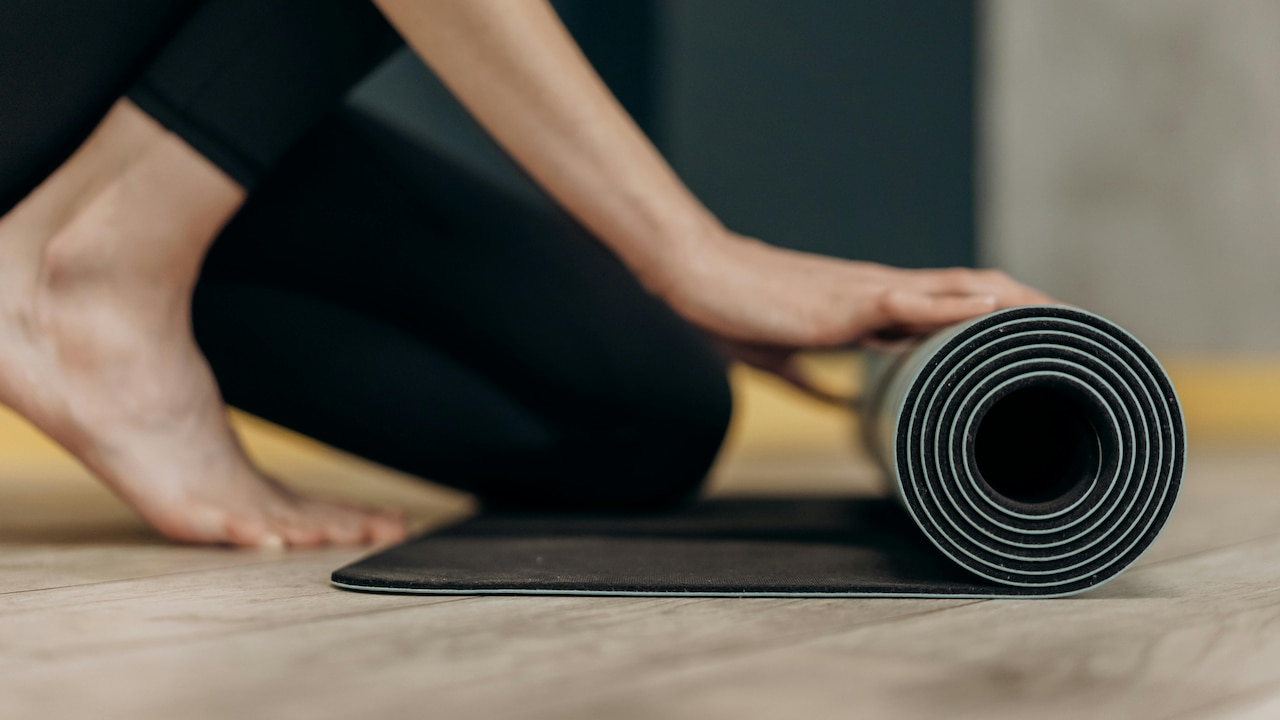
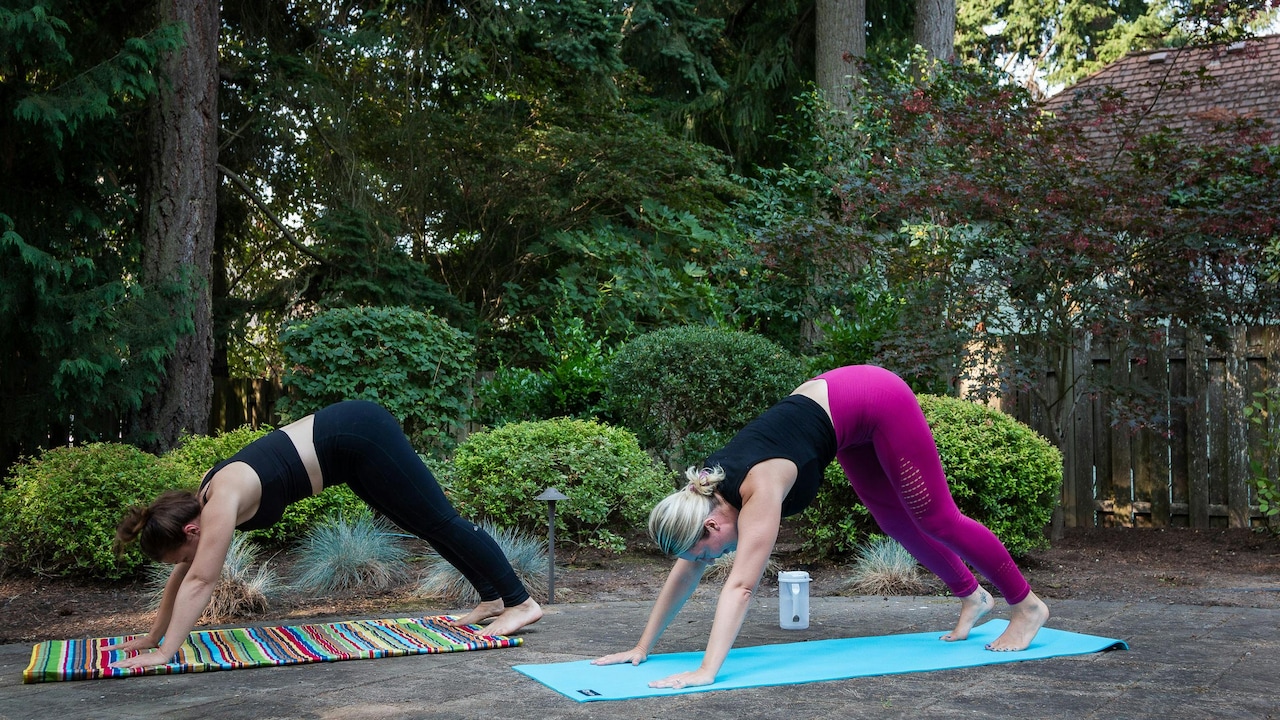
Yoga Mat Buying Guide: Thickness, Grip, And Comfort Explained; Photo Credit: Pexels
8. Hygiene and Maintenance: Keeping the Mat Fresh
Yoga involves sweat, skin contact and floor exposure. Hygiene becomes crucial. Mats that absorb moisture quickly may develop odour or bacteria. Closed-cell mats resist absorption and clean easily with mild soap and water.
Some mats allow machine washing, but frequent cycles reduce lifespan. Air drying in shade works best, especially during hot months. Direct sunlight may degrade certain materials.
Textured mats require extra attention, as sweat settles into grooves. Regular wiping after practice prevents buildup. Using a mat towel during intense sessions adds protection and comfort.
Maintenance habits reflect lifestyle. Those who practise daily need easy-clean mats. Others may manage occasional deep cleaning. A clean mat feels inviting and supports health. Neglecting hygiene turns practice unpleasant faster than any design flaw.
9. Budget Considerations: Smart Spending Without Regret
Yoga mats span a wide price range. Budget options start around ₹500, while premium mats cross ₹5,000. Price often reflects material, durability and brand reputation, but not always quality.
Beginners may hesitate to invest heavily. A mid-range mat around ₹1,500–₹2,000 usually offers reliable grip and comfort without overspending. Those committed to long-term practice benefit from investing in durable materials early.
Discounts tempt buyers, but flashy offers sometimes hide poor quality. Checking return policies helps reduce risk. Spending within comfort while prioritising essential features creates satisfaction.
A yoga mat remains a personal tool. The most expensive option does not guarantee the best experience. Smart spending focuses on needs, not trends. When the budget aligns with performance, the mat feels worth every rupee.
10. Listening to the Body: The Final Decision Factor
Specifications guide choices, but the body delivers the final judgment. A mat may tick every box yet feel wrong during practice. Discomfort, instability or distraction signal mismatch.
Listening to joints, balance and breath matters. A mat should disappear beneath awareness, allowing full focus on movement. If constant adjustments feel necessary, reconsideration helps.
Trying poses at home soon after purchase reveals compatibility. Some stores offer trial periods, which prove valuable. Feedback from experienced practitioners helps, but personal experience matters most.
Yoga encourages mindfulness and self-awareness. Choosing a mat follows the same principle. When the body feels supported, practice deepens naturally. The right mat becomes an extension of intention rather than a mere accessory.
Products Related To This Article
1. Lifelong Yoga Mat for Men & Women
2. Boldfit EVA Yoga Mats For Women Yoga Mat For Men Exercise Mat For Home Workout Gym Anti Slip
3. Bodylastics Yoga Mat for Men and Women with Carry Bag
4. TEGO Stance Yoga Mat with GuideAlign for Posture Alignment
5. Fitness Mantra® TPE Dual Color Anti-Slip Yoga Mat
6. WiseLife Printed Yoga Mat + Yoga strap
7. HealthSense Yoga Mat for Women & Men
A yoga mat may look like a simple rectangle, yet it shapes every aspect of practice. Thickness cushions joints, grip ensures safety and comfort sustains focus. Material, durability and hygiene add layers of practicality that influence daily experience.
Choosing wisely involves understanding personal needs, practice style and lifestyle constraints. Rushing into flashy designs or deep discounts often leads to regret. Thoughtful selection brings lasting satisfaction.
A good mat supports growth quietly. It absorbs effort, steadies balance and offers comfort during stillness. With the right choice, every roll-out feels inviting, every session feels grounded and every stretch feels just a little more joyful.
(Disclaimer: This article may include references to or features of products and services made available through affiliate marketing campaigns. NDTV Convergence Limited (“NDTV”) strives to maintain editorial independence while participating in such campaigns. NDTV does not assume responsibility for the performance or claims of any featured products or services.)