Yoga Gear Solved: How To Pick The Right Mat For Comfort, Grip, And Performance
Choosing the right yoga mat can transform practice. From grip and cushioning to durability and budget, this is how to find a mat that supports comfort, stability and performance every day.
Yoga Gear Solved: How To Pick The Right Mat For Comfort, Grip, And Performance
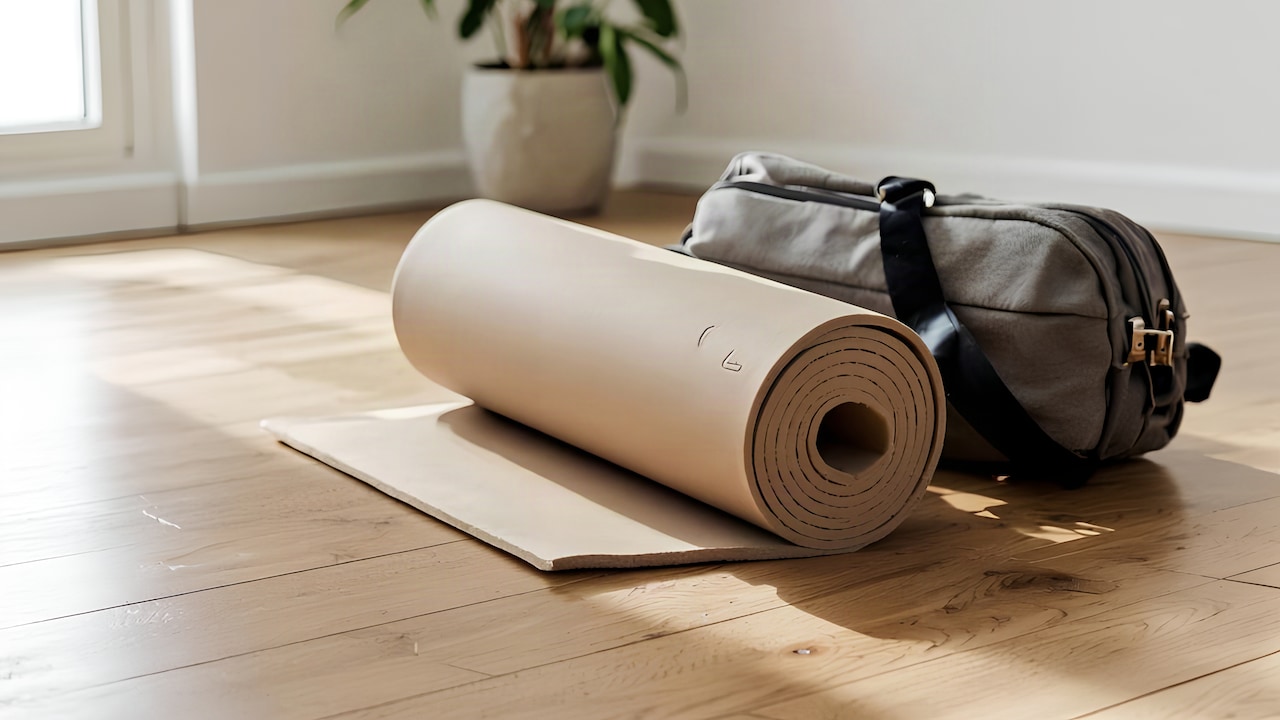
Yoga has moved far beyond studio walls and into living rooms, terraces, and even small corners carved out between furniture. With this shift, the humble yoga mat has become more than an accessory. It is a personal space, a grounding tool, and often the only piece of equipment that supports the entire practice. Yet, choosing one can feel oddly confusing. Walk into any sports store or browse online, and the options seem endless. Thick mats, thin mats, eco-friendly ones, designer prints, premium imports costing ₹5,000, and budget-friendly picks at ₹800, each promise comfort and grip. But not all deliver.
Yoga Gear Solved: How To Pick The Right Mat For Comfort, Grip, And Performance
Photo Credit: Pexels
The truth lies somewhere between personal preference and practical understanding. A good mat must suit the body, match the style of yoga, and survive daily wear without turning into a peeling, slippery mess. The aim here is simple: decode the jargon and make the choice easier, so every downward dog feels stable, and every savasana feels earned.
Also Read: 5 Best High-Waisted Yoga Pants with Pockets That Are Stretchy Now Under ₹1,200
Key Factors To Consider When Choosing The Right Yoga Mat
Why Your Yoga Mat Matters More Than You Think
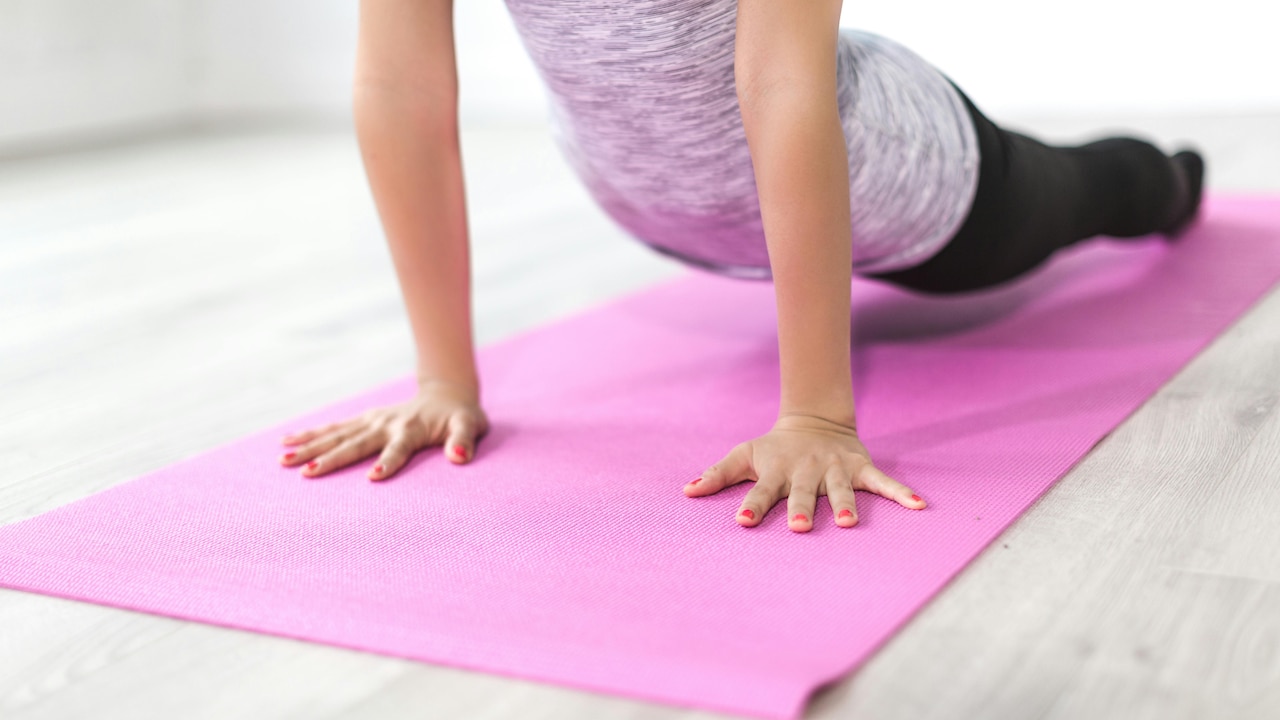
At first glance, a mat appears to be just a padded surface. In reality, it acts as a silent partner in every movement. Imagine holding a plank pose while the mat shifts beneath the palms, or attempting a balance posture on a surface that feels like polished marble. The distraction breaks focus and, worse, risks injury.
A reliable mat anchors the body. It absorbs impact, protects joints, and offers just enough resistance to prevent slipping. During long sessions, especially in warmer climates where sweat becomes unavoidable, grip turns into a non-negotiable feature rather than a luxury.
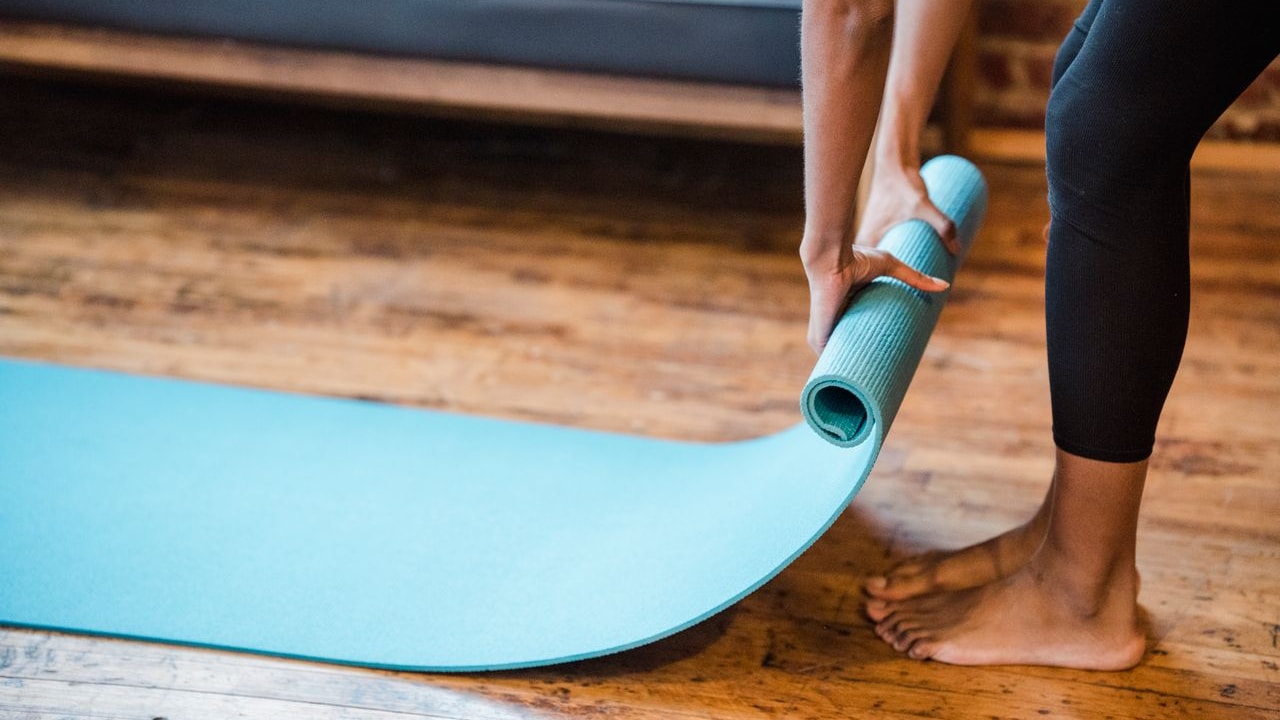
There is also a psychological aspect. A mat often becomes a personal ritual space. Rolling it out signals a pause from chaos. A flimsy or worn-out mat, on the other hand, subtly discourages consistency. That slight discomfort can make skipping practice feel easier.
Think of it like a pair of good shoes. Nobody would run in ill-fitting footwear, yet many compromise on mats. Investing thoughtfully, even within a modest budget like ₹1,500 to ₹2,500, can transform not just comfort but commitment to practice.
Thickness: Finding The Sweet Spot Between Comfort And Stability
Thickness often becomes the first deciding factor. A thicker mat feels inviting, especially for beginners worried about sore knees or hard floors. However, more cushioning does not always mean better performance.
A very thick mat, around 8–10 mm, may feel soft but can make balancing poses tricky. The foot sinks slightly, creating instability. This becomes noticeable in poses like tree or warrior III, where even a small wobble matters.
On the other hand, ultra-thin mats around 2 mm offer excellent ground connection but can feel unforgiving during kneeling poses. They suit experienced practitioners who prioritise stability over cushioning or those who travel frequently and need something lightweight.
For most people, a mid-range thickness of 4–6 mm works well. It balances support and firmness without compromising control. For those practising on tiled floors common in many homes, leaning slightly towards thicker options can protect joints during longer sessions.
The key lies in testing what feels right. Comfort should never come at the cost of confidence in movement.
Material Matters: Understanding What Lies Beneath
The material of a yoga mat determines its feel, durability, and environmental impact. Common options include PVC, TPE, natural rubber, and cork. Each brings its own character.
PVC mats dominate the budget segment. They offer decent durability and grip, but may feel slightly artificial and less breathable. For occasional use, they do the job, especially in the ₹800 to ₹1,200 range.
TPE mats have gained popularity for being lightweight and more eco-conscious. They often provide a softer feel and better cushioning. However, they may wear out faster with intense daily use.
Natural rubber mats offer superior grip, especially for sweaty sessions. They feel grounded and sturdy but tend to be heavier and pricier, often starting around ₹2,500. They also have a distinct smell initially, which fades over time.
Cork mats bring a unique texture and natural appeal. Interestingly, they improve grip as they absorb moisture, making them suitable for hot yoga enthusiasts.
Choosing material depends on priorities, whether it is sustainability, longevity, or ease of handling.
Grip And Texture: The Real Test During Practice
Grip can make or break a yoga session. A mat that looks perfect when dry might turn slippery the moment sweat appears. This is where texture plays a crucial role.
Smooth mats may feel pleasant to the touch but often lack traction during dynamic flows. Textured surfaces, on the other hand, provide subtle resistance, helping hands and feet stay in place.
There are two aspects to grip: surface grip and base grip. Surface grip ensures that the body does not slip. Base grip keeps the mat firmly planted on the floor. Both matter equally.
During humid days, which are quite common, sweat becomes inevitable. Mats designed for better moisture absorption or those with a slightly rougher finish perform better in such conditions. Some practitioners even use a cotton towel over the mat to enhance grip during intense sessions.
Testing grip before buying, if possible, helps. Pressing the palm firmly and mimicking a downward dog position can reveal a lot about how the mat will behave in real use.
Size And Space: Making Room For Movement
Standard mats usually measure around 173 cm in length. While this works for many, taller individuals often find their hands or feet slipping off the edges during stretches.
A slightly longer mat, around 183 cm or more, provides extra room for full extension. Width also matters. Wider mats allow more freedom, especially during flows that involve lateral movement.
In compact homes, space constraints may influence the choice. A bulky mat might feel inconvenient to store. In such cases, a foldable or rollable option with moderate thickness can strike a balance between usability and practicality.
There is also the question of portability. Those who attend classes or prefer outdoor sessions may benefit from lighter mats that are easy to carry. Heavier mats, while stable, can feel like a chore to transport.
Ultimately, the mat should accommodate the body comfortably without making storage or travel difficult.
Durability: Investing For The Long Run
A yoga mat faces daily wear. Constant rolling, pressure from poses, and exposure to sweat gradually take a toll. Cheap mats may start peeling or losing grip within months, leading to frequent replacements.
Spending slightly more upfront often proves economical in the long run. A well-made mat in the ₹2,000–₹3,000 range can last significantly longer than a budget option that needs replacing every few months.
Durability also depends on usage. Daily practitioners, especially those practising vigorous styles, need mats that can withstand pressure without flattening or cracking. Occasional users may manage with simpler options.
Proper care extends life. Cleaning the mat regularly, keeping it away from direct sunlight, and storing it properly can prevent early wear.
A durable mat does more than save money. It ensures consistency, allowing the body to adapt to a familiar surface without constant adjustment.
Eco-Friendly Choices: Practising With Consciousness
Sustainability has quietly entered the yoga space. Many now seek mats that align with mindful living, not just physical practice.
Eco-friendly mats use natural or recyclable materials like rubber, jute, or cork. They reduce environmental impact and often avoid harsh chemicals. While they may cost more initially, they appeal to those who value conscious consumption.
However, not all eco-friendly mats perform equally. Some compromise durability or grip in favour of sustainability. Reading reviews and understanding material properties helps avoid disappointment.
There is also a cultural alignment here. Yoga, at its core, encourages harmony with nature. Choosing a mat that reflects this philosophy can feel like an extension of practice itself.
Still, practicality matters. An eco-friendly mat that fails to provide grip or comfort will not serve its purpose. Balance remains key.
Style Of Yoga: Matching The Mat To The Practice
Different styles of yoga demand different features from a mat. A gentle restorative session has different needs compared to a high-energy vinyasa flow.
For slow, meditative practices, cushioning and comfort take priority. A softer mat supports longer holds without strain. For dynamic styles, grip and stability become essential. The mat must handle quick transitions without shifting.
Hot yoga or intense sessions require mats that manage sweat effectively. Materials that enhance grip with moisture or allow for towel layering work best.
Beginners often benefit from versatile mats that balance all aspects. As practice evolves, preferences become clearer. Some may even keep multiple mats for different needs.
Understanding the primary style of practice helps narrow down choices. It ensures the mat complements the routine rather than limiting it.
Budget Vs Value: Spending Smartly Without Regret
Price often influences decisions, especially with options that range widely. While it may be tempting to go for the cheapest option, value matters more than cost alone.
A ₹1,000 mat that lasts six months may end up costing more than a ₹2,500 mat that lasts two years. Evaluating durability, comfort, and performance together helps make a wiser choice.
That said, expensive does not always mean better. Some mid-range mats offer excellent quality without unnecessary branding costs. Reading user experiences and comparing features can uncover hidden gems.
Setting a realistic budget helps narrow options. For beginners, starting with a mid-range mat often works well. It provides decent quality without a heavy investment.
The goal is not to chase perfection but to find a mat that feels right and supports consistent practice.
Maintenance And Care: Keeping Your Mat Fresh And Functional
A good mat deserves proper care. Sweat, dust, and daily use can quickly make it unhygienic if neglected.
Regular cleaning keeps the surface fresh and prevents odour. A simple solution of water and mild soap works for most mats. Wiping it down after sessions, especially during warmer months, makes a noticeable difference.
Drying is equally important. Leaving a mat damp can lead to unpleasant smells or even damage. Air drying in a shaded area works best.
Storage also plays a role. Rolling the mat neatly and keeping it in a cool, dry place helps maintain its shape and longevity. Avoid leaving it exposed to direct sunlight for long periods.
A well-maintained mat not only lasts longer but also enhances the overall experience. There is something satisfying about stepping onto a clean, ready surface.
Products Related To This Article
https://www.amazon.in/s?k=Yoga+Mat&crid=29ELMGDU6Q5TX&sprefix=yoga+mat%2Caps%2C434&ref=nb_sb_noss_2
1. TEGO Stance Yoga Mat with GuideAlign for Posture Alignment
2. WiseLife Printed Yoga Mat (Indias no 1 Yoga Brand) Strap For Men
3. Boldfit Yoga Mat for Women and Men TPE Material Extra Thick Exercis for Men for Workout
4. Lifelong LLYM92 Yoga mat for Women & Men EVA Material 4mm Anti-Slip Mat for Workout
5. Amazon Basics Interlocking Puzzle Exercise Mat
6. Cult TPE Yoga Mat, Non-Toxic Latex-Free, Anti-Slip
7. Fitness Mantra® TPE Dual Color Anti-Slip Yoga Mat with Cover Bag for Gym Workout and Yoga Exercise
Choosing the right yoga mat may seem like a small decision, yet it carries surprising weight. It influences comfort, stability, and even the motivation to practise regularly. From thickness and material to grip and durability, each factor contributes to how the mat performs in real life.
The perfect mat does not need to be the most expensive or the most stylish. It needs to feel right, supportive during stretches, steady during balances, and comfortable during rest. With thoughtful selection and proper care, a good mat becomes more than equipment. It turns into a reliable companion on the journey of movement and stillness.
And once that connection forms, every session begins with a simple act, rolling out the mat, that quietly signals it is time to pause, breathe, and begin again.
(Disclaimer: This article may include references to or features of products and services made available through affiliate marketing campaigns. NDTV Convergence Limited (“NDTV”) strives to maintain editorial independence while participating in such campaigns. NDTV does not assume responsibility for the performance or claims of any featured products or services.)