How To Choose Craft Kits Based On Age, Skill Level And Learning Goals
Picking the perfect craft kit can feel as tricky as choosing the right birthday gift for a picky cousin. This is a complete, lively guide to make craft kit shopping fun, meaningful and rewarding.

How To Select Craft Kits For Children Based On Age, Skills And Educational Goals.
Walk into any stationery shop or browse an online craft store, and the world suddenly looks more colourful than a Holi celebration. There are beading sets, glitter jars, wood puzzles, fabric art kits, origami papers, clay modelling boxes, and so much more. With so much variety, it becomes tough to figure out what truly suits a child's age, skill level and learning needs. Some kits build motor skills, some improve patience, some encourage imagination, and many do all of the above. Whether it is a ₹150 origami pack or a premium woodworking set costing ₹2,000, smart selection helps young minds explore creativity without feeling stressed or bored.
This guide explores how to choose craft kits wisely, ensuring that children enjoy the process and learn something valuable along the way.
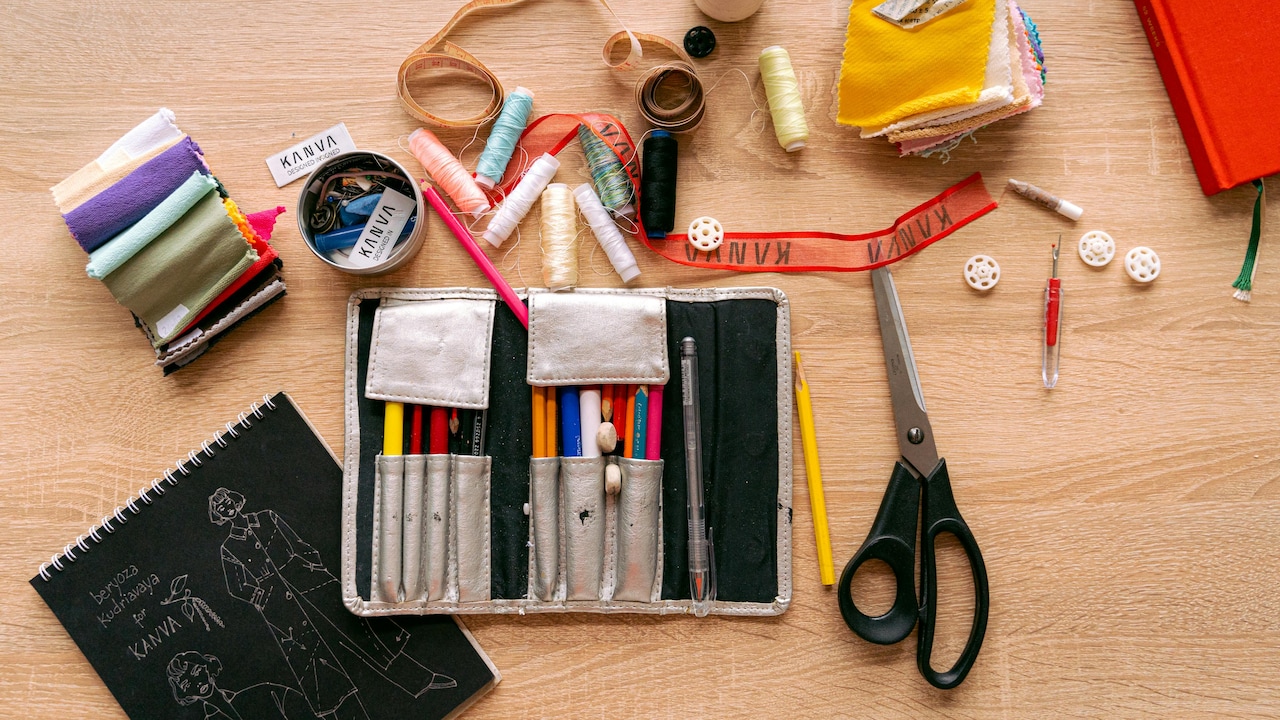
How To Choose Craft Kits Based On Age, Skill Level And Learning Goals
Photo Credit: Pexels
Craft Kits vs Random Supplies: Why A Planned Choice Matters
Craft kits are like recipe packets for creativity. Everything arrives organised, making it easier to follow steps, explore a theme and finish a project. Random supplies, on the other hand, demand imagination from scratch, which can overwhelm younger children or those new to crafting. A well-chosen kit guides learning while still allowing room for curiosity.
How To Choose The Perfect Craft Kit For Your Kid
1. Match Kits With Age: Creativity Grows One Step at a Time
Age influences how children use their hands, understand instructions and make creative choices. A preschooler may enjoy finger painting because messy textures feel exciting. Older children may prefer intricate mandala art or advanced stitching kits that require patience. If a five-year-old is handed a complex quilling set, frustration soon replaces excitement. Similarly, a teenager may get bored with a simple colouring kit meant for toddlers.
Brands have started placing age recommendations on packaging, yet it helps to look deeper. Younger kids need bold colours, large shapes, chunky tools and fewer steps. Older children enjoy precision, varied techniques and projects that take longer to complete. Age-appropriate crafts ensure confidence and joy, instead of confusion and disappointment.
2. Check the Skill Level: Not Too Easy, Not Too Hard
Skill levels matter more than age at times. A seven-year-old who spends hours drawing might be ready for a shading or clay sculpting kit meant for older kids. Meanwhile, a ten-year-old new to crafting may need beginner-friendly activities like simple knitting or felt crafts.
Choosing kits based solely on age can result in under-challenging or overwhelming activities. Look for labels like “Beginner”, “Intermediate” or “Advanced”, when available. If not mentioned, read product descriptions or reviews. When a kit gently stretches ability, it boosts creativity and problem-solving instead of creating stress. The goal is growth, not perfection.
3. Identify Learning Goals: What Should The Craft Teach?
A good craft kit does more than entertain. It can improve fine motor skills, spark scientific curiosity, promote cultural awareness or build patience. For example, terracotta painting teaches traditional art techniques. Scrapbooking builds storytelling skills. STEM craft kits that let children build robotic animals show how creativity mixes with technology.
- Different kits serve different learning goals:
- Motor skills: bead threading, clay, sticker art
- Cognitive development: puzzles, origami, model building
- Cultural learning: kalamkari kits, rangoli stencils
- Creativity and expression: acrylic painting, journaling
Before buying, ask: “What do I want the child to learn?” When learning goals guide choices, crafting becomes meaningful instead of just a pastime.
Also Read: Amazon Great Indian Festival: Best Deals On Art And Craft Kits For Children
4. Look for Mess-Friendly Materials Based on Age
Sticky glue, glitter explosions and piles of paint are the stuff of childhood adventures, but they can become stressful if unmanaged. Young children benefit from washable colours, spill-proof bottles and chunky brushes. Many parents prefer kits that come with reusable trays or plastic mats. Older children can handle delicate materials like glass beads, advanced cutting tools or miniature painting brushes.
Mess is not the enemy; it's part of creativity. However, choosing materials suited to age and supervision levels avoids panic during clean-up. The right kit encourages confidence, not caution, making crafting a cheerful experience instead of a battle with stains.
5. Consider Cultural Relevance: Crafts that Connect with Traditions
Craft kits do not have to be global to feel special. Local crafts like Madhubani painting, warli art, diya decoration for festive seasons, rangoli kits, or block-printing sets introduce children to designs seen at home, in markets or during celebrations. Such kits carry stories, symbols and roots that feel familiar and proud.
Celebration-themed kits, like paper lanterns for Diwali or eco-friendly Ganesha moulding clay, build excitement and emotional connection. Children not only learn techniques but also understand cultural values. This learning stays longer than any imported character-themed kit.
6. Prioritise Safety: Tools Should Help, Not Hurt
Safety rules shift with age. Toddlers need blunt edges, non-toxic paints and smooth surfaces. School-going kids can manage child-friendly scissors and glue sticks. Teenagers experimenting with woodcraft, resin art or melting crayons need kits that include safety instructions, gloves or protective gear.
Always look for:
- Non-toxic labels
- BPA-free materials
- Safety-tested tools
- Age-specific guidance
Crafting must be joyful, not risky. A well-designed kit protects curiosity while still allowing experimentation.
7. Encourage Independence: Step-by-Step, Yet Flexible
Craft kits must support independence without turning into robotic instruction manuals. The best kits offer guidance but leave room for personal flair. A DIY jewellery kit may provide bead patterns, yet children should feel free to design their own colours. A painting kit may show example strokes, yet creativity thrives when kids improvise.
For younger children, illustrated steps work better than written text. Older kids appreciate detailed booklets or QR videos. When instructions match the child's ability, independence blooms and confidence soars.
8. Choose Reusable Kits: Sustainability with Creativity
Many kits offer single-use outcomes: glue a few pieces, admire for a day, then forget. Reusable kits, however, encourage long-term engagement. Refillable slime kits, wooden stamp blocks, weaving looms, and re-inkable mandala rollers allow repeated use. This reduces waste and offers better value for money.
Reusable kits also teach resourcefulness. Children learn how one tool can create endless designs instead of depending on disposable sets. A reusable kit costing ₹600 often lasts longer than a ₹300 one-time craft box. Value lies in repetition, not just price.
9. Budget Smartly: Creativity Doesn't Need a High Price Tag
Craft should never feel like a luxury hobby. Plenty of high-quality kits exist under ₹500, including origami packs, paper quilling sets, clay moulding kits and bead jewellery. Expensive kits mostly involve premium tools or branded packaging, but not necessarily better learning.
Spending smartly means checking:
- Quality of tools
- Reusability
- Variety in activity
- Learning value
A simple stitching kit bought for ₹250 can teach perseverance more effectively than a pricey imported set. The focus should stay on growth, not glamour.
10. Involve Children in The Choice: Ownership Sparks Motivation
Selection becomes meaningful when children help decide. Asking them about colours, themes or craft types encourages ownership. When children feel included, they approach the activity with excitement instead of obligation. They learn responsibility for materials and develop pride in finishing their creations.
Let them browse options, shortlist a few and choose one. This decision-making develops taste, confidence and the courage to express ideas. Creativity thrives when children feel respected, not directed.
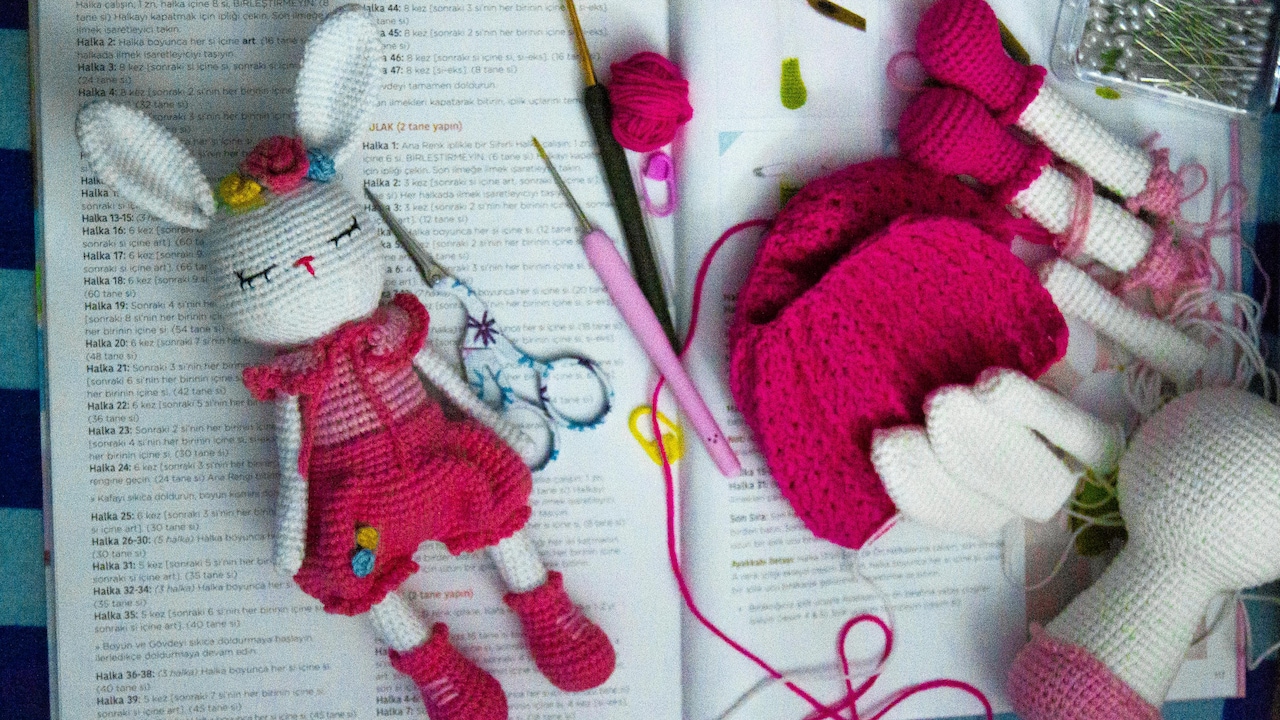
How To Choose Craft Kits Based On Age, Skill Level And Learning Goals
Photo Credit: Unsplash
Products Related To This Article
1. Imagimake Learn Indian Art Forms-Arts and Craft DIY Kit for Kids
2. Craftinger Pro Lippan Art Kit 8 Inch For DIY Decor With Pre-Marked MDF Shapes
3. Skillmatics Marbling Magic Paint Kit, Water Marbling Kit for Kids
4. TOYKRAFTT Paint Your Own Art Kits for Kids 8 to 12 Year Old
5. Storio Toys DIY Mould & Paint Craft Kit Unicorn Kids
6. Imagimake DIY Madhubani Art Kit
7. Toy Imagine 14 Pages Erasable Doodle Book with Markers & Wet Wipes Reusable Drawing
Choosing the right craft kit is not about picking the fanciest box on the shelf. It's about listening to ability, supporting curiosity and setting learning goals that grow with time. When kits match age and skill, children feel successful. When they nurture cultural connection, creativity feels rooted. When safety is ensured, learning feels secure. And when the choice involves the child, ownership turns creativity into joy.
Crafting is more than a hobby. It is a journey through imagination, patience and self-expression. With thoughtful selection, every kit becomes a tool for growth, memories and meaningful creations that last far beyond the first splash of colour.
(Disclaimer: This article may include references to or features of products and services made available through affiliate marketing campaigns. NDTV Convergence Limited (“NDTV”) strives to maintain editorial independence while participating in such campaigns. NDTV does not assume responsibility for the performance or claims of any featured products or services.)