Why Mandala Art Is Making A Comeback As A Stress Buster
Mandala art is re-emerging as a simple, screen-free way to manage stress. Rooted in tradition and backed by science, this calming practice fits easily into modern routines shaped by constant pressure.
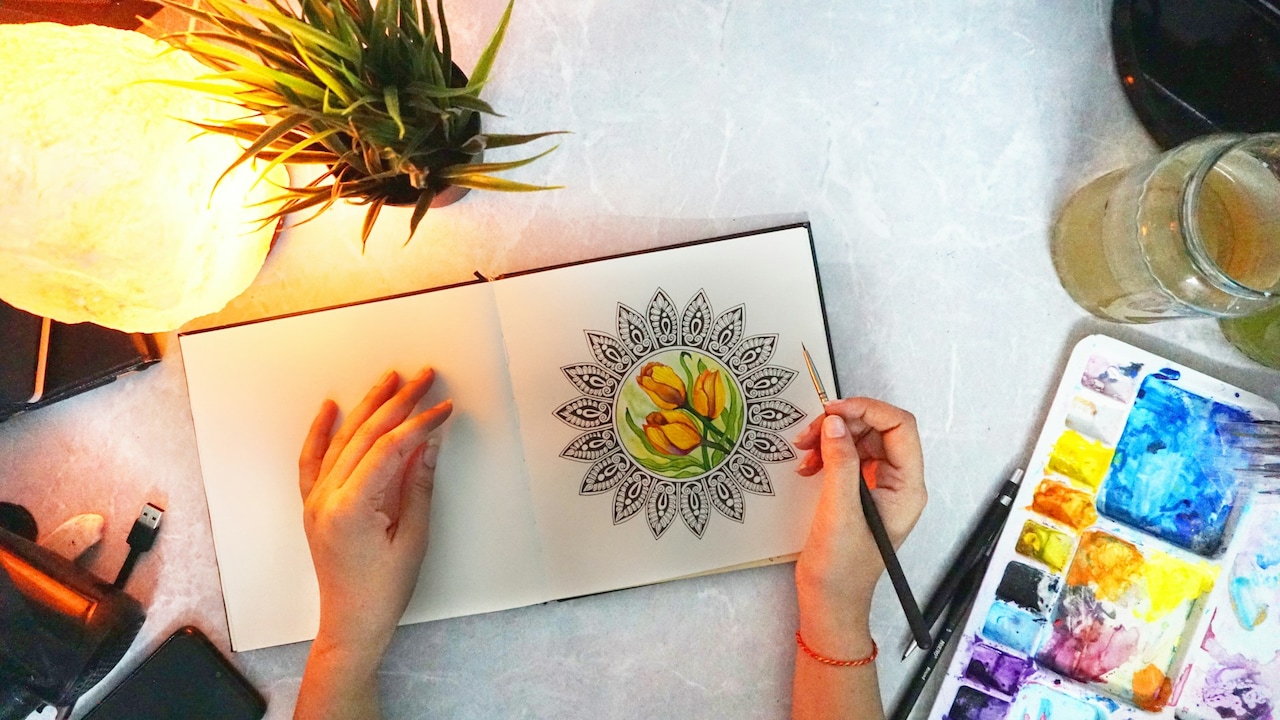
Mandala Art and Stress Relief: Why This Calming Practice Is Trending Again.
Stress no longer knocks politely. It barges in through traffic jams, exam pressure, rising expenses and endless digital noise. Conversations often revolve around burnout, anxiety and the need to slow down, yet slowing down feels like a luxury few can afford. Wellness trends come and go, many wrapped in expensive memberships or complicated routines. Against this backdrop, mandala art feels refreshingly simple.
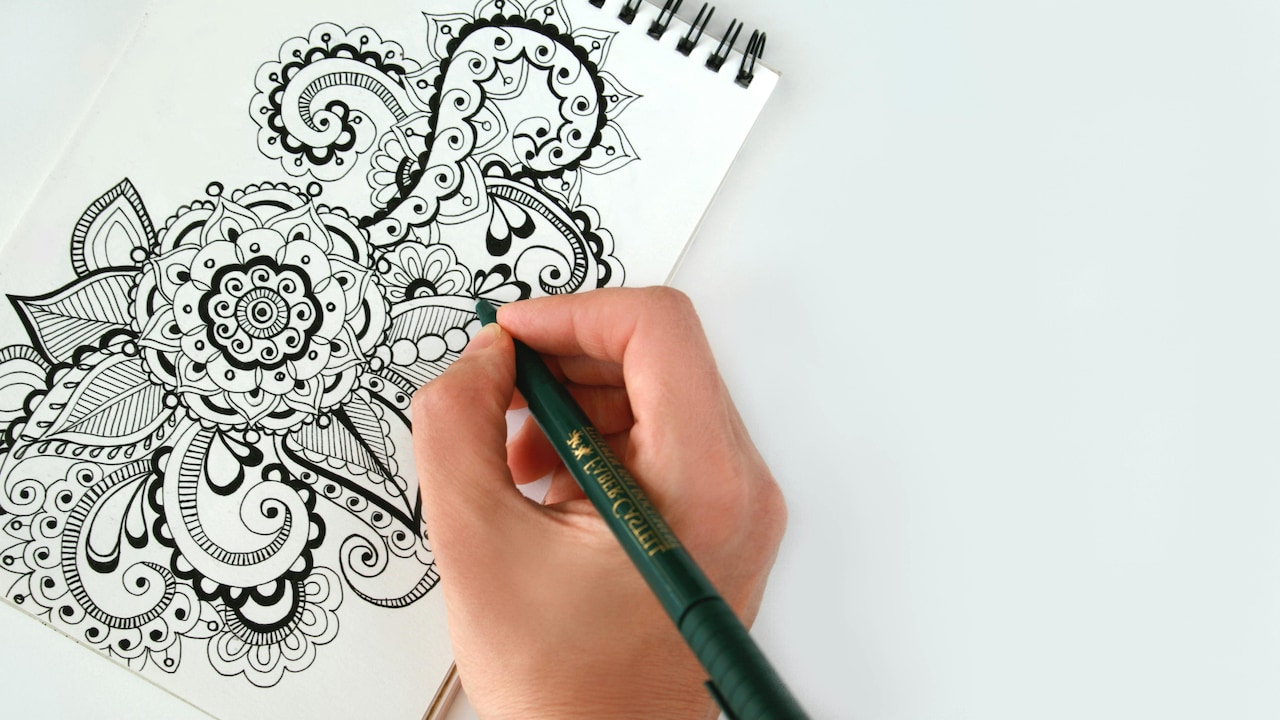
Explore reasons that are making Madala art kits a popular choice among all generations; Photo Credit: Pexels
Mandalas rely on circles, repetition and balance. These patterns draw the eye inward and quiet the mind without demanding effort. Colouring or drawing requires no artistic background. Children enjoy it, adults return to it, and elders recognise its familiar rhythm. What once felt old-fashioned now feels grounding.
The renewed interest in mandala art connects ancient wisdom with modern science. Studies highlight its role in reducing stress and improving focus, while daily users speak about better sleep and calmer moods. This comeback does not feel like nostalgia alone. It feels like a collective exhale.
Also Read: Best Mandala Art Kits for Adults on Amazon to Build a Daily Creative Practice
How Mandala Art Became A Modern Stress Companion
1. A Circular Path to Calm in a Square World
Life often moves in straight lines: deadlines, to-do lists and targets. Mandalas soften that rigidity through circles. The circular form symbolises wholeness and continuity, which gently counters the fragmented pace of daily routines. While drawing or colouring within a circle, attention shifts away from scattered thoughts and towards a single, contained space.
This process creates a sense of safety. There is no right or wrong colour choice, no race to finish. The hand follows the pattern, and the mind follows the hand. Over time, breathing slows, and muscles relax. That subtle shift matters more than it seems.
In crowded homes or shared spaces, mandala art fits easily. A small notebook, a set of pencils costing ₹200, and a quiet corner suffice. The simplicity removes barriers, making calm feel accessible rather than aspirational. In a world built on speed, circles invite stillness.
2. Rooted in Tradition, Reimagined for Today
Mandala designs have appeared for centuries in temple floors, festive rangoli patterns and sacred diagrams. These forms once guided meditation and storytelling. Over time, modern life pushed such practices aside, labelling them ceremonial rather than practical.
Today's return reframes mandalas as everyday tools. Young professionals colour them during lunch breaks. Students use them to decompress after exams. Elders revisit familiar motifs with fresh curiosity. The art form bridges generations without explanation.
This revival also reflects pride in heritage without heaviness. Mandalas now appear in minimalist homes, journals and therapy rooms, free from strict symbolism. The practice honours tradition while adapting to modern needs. That balance makes it powerful. It feels both old and new, comforting and relevant.
3. Science Confirms What Hands Already Know
Sceptics often dismiss colouring as childish. Research tells a different story. Studies on mandala colouring show reduced stress levels and improved concentration, especially among adolescents and working adults. Structured patterns offer enough guidance to prevent overwhelm while leaving room for creativity.
Neurologically, repetitive colouring engages the brain in a focused yet relaxed state. The mind stays present, similar to mindfulness exercises. Unlike guided meditation, mandala art avoids silence, which many find uncomfortable. The activity gives the mind something gentle to hold onto.
Schools and workplaces have begun to notice. Short mandala sessions fit easily into packed schedules. Thirty minutes can lower tension without disrupting productivity. When science aligns with intuition, practices tend to endure rather than fade.
4. An Antidote to Screen Fatigue
Screens dominate waking hours. Work, entertainment and communication now share the same glowing rectangle. Eyes strain, attention fragments, and rest becomes elusive. Mandala art offers a tactile alternative.
The feel of paper, the scratch of pencil, and the gradual spread of colour engage the senses differently. This sensory shift reduces mental overload caused by constant notifications. Even brief breaks from screens restore focus and reduce irritability.
Many people keep mandala books near sofas or beds. A few minutes of colouring before sleep replaces scrolling and improves rest quality. The habit feels indulgent yet purposeful. In a digital age, analogue rituals regain value precisely because they feel real.
5. Stress Relief Without Performance Pressure
Yoga poses, breathing techniques and fitness goals often come with unspoken expectations. Mandala art removes that weight. No one measures progress or perfection. The process matters more than the outcome.
This absence of judgment encourages consistency. People return to mandalas because the activity feels safe. Mistakes blend into patterns. Colours overlap without consequence. That freedom mirrors emotional release.
For those who struggle with anxiety, this non-competitive space matters deeply. The mind rests because it no longer needs to impress. Calm emerges naturally when pressure fades. Mandala art teaches that rest does not require achievement.
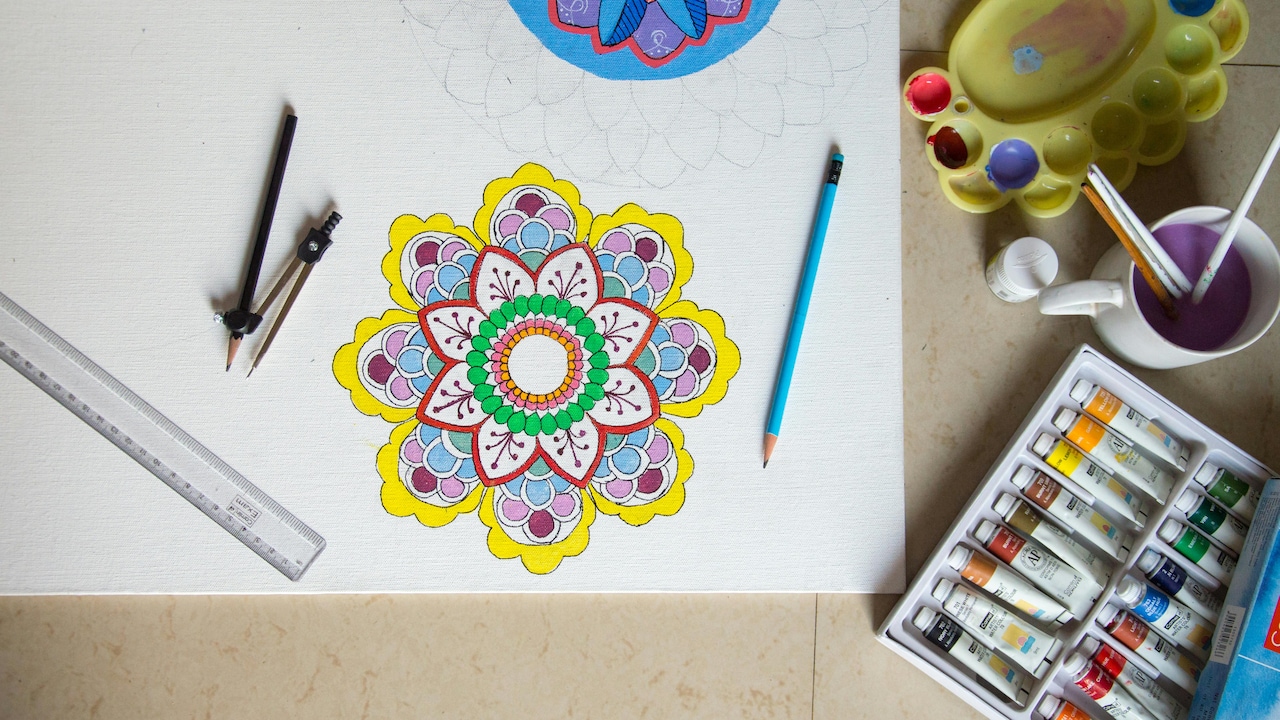
Mandala art spares you from the pressure of perfection; Photo Credit: Pexels
6. Affordable Wellness in Uncertain Times
Rising costs influence lifestyle choices. Wellness retreats, therapy sessions and fitness subscriptions strain budgets. Mandala art stands apart as a low-cost practice with lasting benefits.
A basic colouring set costs less than a single café visit. Reusable templates and printable designs extend value further. Community workshops often offer free sessions, bringing people together without financial stress.
This affordability broadens access. Students, homemakers and retirees all benefit equally. Wellness stops feeling exclusive and becomes communal. In times of economic uncertainty, simple practices gain renewed respect.
7. A Quiet Companion for Academic Pressure
Academic stress affects students across age groups. Exams, expectations and competition leave little room for rest. Mandala colouring has emerged as a practical tool within educational settings.
Short sessions before or after classes help students settle. The activity improves focus and reduces anxiety without demanding emotional disclosure. Teachers appreciate its ease, and students respond positively to its familiarity.
Parents also notice changes. Children who colour mandalas often sleep better and show improved emotional regulation. The practice supports resilience quietly, without lectures or interventions. Calm grows through habit rather than instruction.
8. Healing Through Structure and Creativity
Free drawing can feel intimidating. Blank pages overwhelm those who doubt their creativity. Mandalas solve this problem through structure. The pattern provides direction, while colour choices allow expression.
This balance supports emotional processing. Feelings find release through colour intensity and repetition. The act becomes meditative rather than analytical. Thoughts settle without analysis.
Therapists often recommend mandala art for emotional regulation. The structure contains emotions, preventing spillover. Creativity flows within boundaries, mirroring the need for balance in daily life. Healing rarely requires chaos. Sometimes it needs circles.
9. Building Community One Circle at a Time
Mandala art often thrives in shared spaces. Community centres, libraries and cafés host colouring sessions that encourage conversation without pressure. Participants sit together, colouring quietly, occasionally sharing stories.
This gentle togetherness combats loneliness. The activity allows connection without forced interaction. Silence feels comfortable rather than awkward. Over time, familiarity grows.
Festivals and workshops also embrace mandalas as collective art. Large designs invite collaboration, symbolising unity. In fragmented times, shared creativity rebuilds trust and belonging.
10. A Practice That Grows With the Practitioner
Mandalas adapt to life stages. Children enjoy bright colours and simple patterns. Adults explore intricate designs. Elders revisit familiar motifs with reflective calm.
The practice evolves without instruction. Some prefer quick sessions; others spend hours layering colours. Mandalas meet people where they are emotionally and practically.
This adaptability explains the comeback. Trends fade when they restrict. Mandala art endures because it bends. Stress relief works best when it feels personal, flexible and forgiving.
Products Related To This Article
1. Craftinger Mandala Dotting Art Kit for Adults & Beginners
2. Mandala: Colouring books for Adults with tear out sheets
3. Art Therapy Mandala Adult Colouring Book 1: Mandala Colouring Book,
4. Zen Sangam - Mandala Colouring Book - Young Adults
5. HOBBY INDIA DIY Mandala Coaster Art Craft Painting Kit Set for Kids & Adults
Mandala art has returned not as a trend, but as a response. Rising stress, digital fatigue and cultural disconnection created space for something simple and grounding. Circles offer balance where lines overwhelm. Colour offers expression where words fail.
The practice blends heritage with science, affordability with effectiveness. It asks for nothing beyond presence. In return, it offers calm, focus and gentle joy. That exchange feels fair in a demanding world.
As routines grow louder, quiet practices gain strength. Mandala art reminds everyone that stress relief does not need complexity. Sometimes, all it takes is a circle, a few colours and permission to slow down.
(Disclaimer: This article may include references to or features of products and services made available through affiliate marketing campaigns. NDTV Convergence Limited (“NDTV”) strives to maintain editorial independence while participating in such campaigns. NDTV does not assume responsibility for the performance or claims of any featured products or services.)