Why Wall Mounts Fail Over Time And How To Choose One That Actually Holds
A wall mount may seem like a simple purchase, yet many end up sagging, loosening, or worse, crashing down without warning. This article explores why wall mounts fail over time and how to choose one that stays firm, safe, and reliable for years.
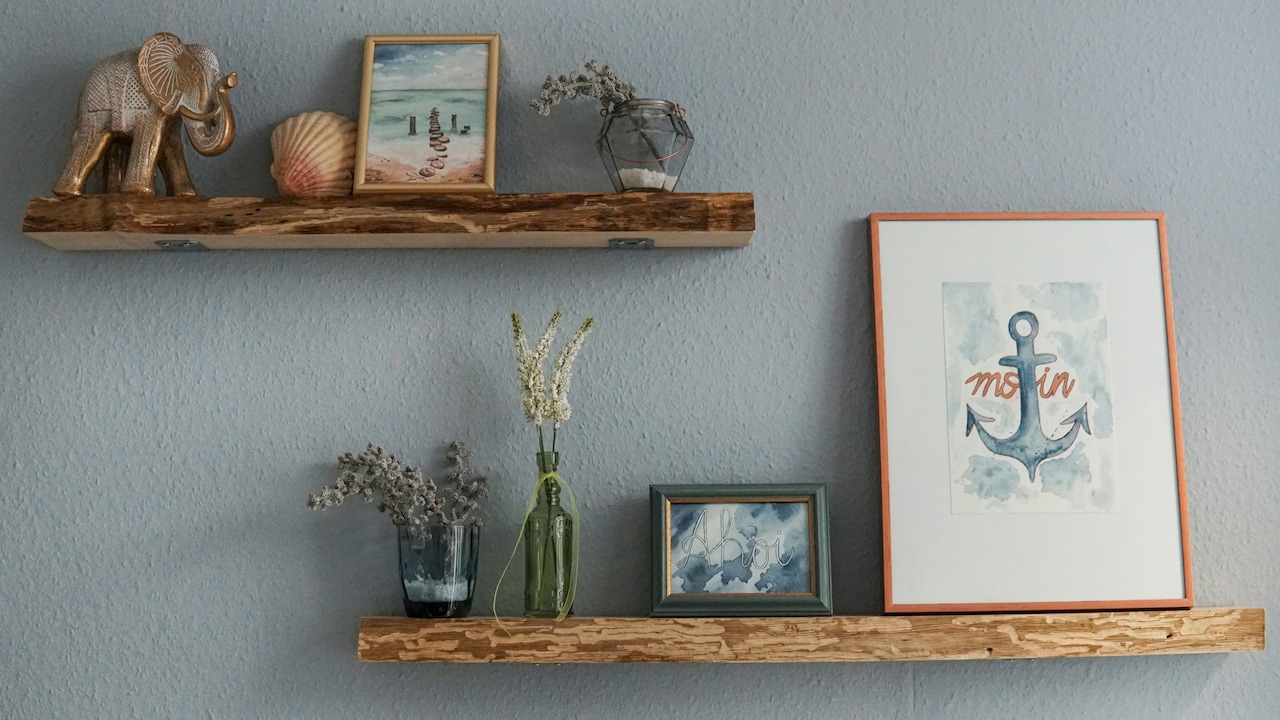
Say goodbye to unreliable wall mounts with these expert buying tips to find the good ones
A freshly mounted television or shelf brings a quiet sense of satisfaction. The room feels organised, modern, and almost complete. Yet, weeks or months later, a faint tilt appears. A slight creak follows. And suddenly, that sturdy mount no longer inspires confidence.
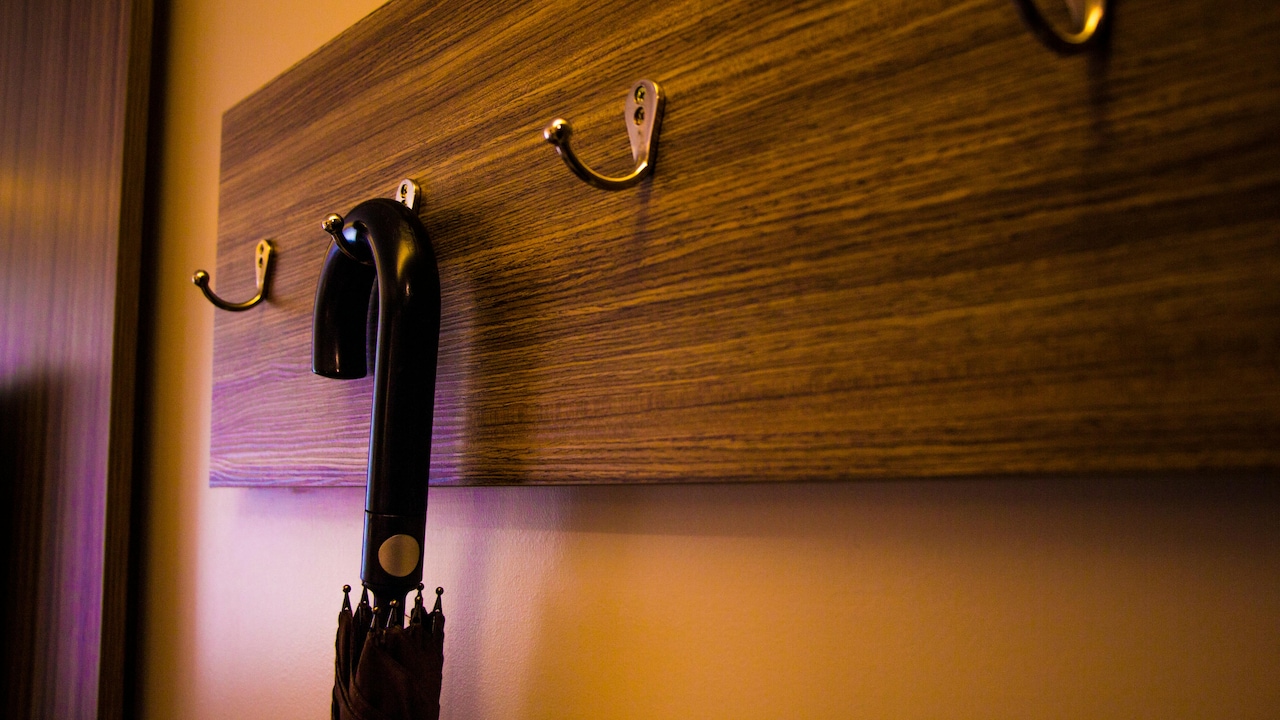
How to choose wall mounts that actually hold things; Photo Credit: Pexels
Wall mounts fail more often than expected. Not always because of poor quality, but due to overlooked details, wall type, installation methods, load distribution, or even everyday environmental factors. In homes where space matters and aesthetics count, a falling mount can mean damaged devices, cracked walls, or unexpected repair bills that easily climb past ₹10,000.
Understanding why mounts weaken over time changes everything. It shifts the focus from simply buying a bracket to choosing a system that lasts. With the right knowledge, a wall mount becomes more than hardware. It becomes peace of mind.
Also Read: Top 5 Wall Shelves Under ₹500 That Make Empty Walls Look Like Pinterest Goals
Common Reasons Behind Wall Mount Failures Over Time
Poor Wall Compatibility
Not every wall welcomes a mount equally. Concrete walls, brick surfaces, and hollow drywall behave very differently under stress. Yet many mounts get installed without considering this basic fact.
In older homes, walls often hide layers of plaster that crumble under pressure. In newer apartments, lightweight partitions may not hold heavy loads at all. Drilling into such surfaces without the right anchors creates a ticking time bomb. The mount may feel secure initially, but over time, micro-movements weaken the grip.
A common scene involves a television mounted on a partition wall, only to start pulling away within months. The screws remain intact, but the wall itself gives way. It is not the mount that failed; it is the foundation beneath it.
Choosing a mount must always begin with understanding the wall. Heavy-duty anchors for concrete, toggle bolts for hollow walls, and specialised fixings for brickwork make all the difference. A mount is only as strong as what holds it in place.
Incorrect Weight Calculations
Weight capacity often gets treated as a rough guideline rather than a strict limit. This is where many installations go wrong.
A mount rated for 20 kg may hold a 25 kg television initially. It may even seem perfectly stable. But over time, constant pressure weakens joints, screws loosen, and the structure begins to strain. Add accessories like soundbars or decorative shelves, and the load increases further.
It is easy to underestimate weight. A large LED TV, for instance, may weigh less than expected, but combined with brackets and cables, the total load grows. Ignoring this cumulative effect leads to gradual failure rather than sudden collapse.
A safe approach involves choosing a mount that supports at least 1.5 times the actual weight. This buffer accounts for movement, vibrations, and long-term wear. Spending an extra ₹500–₹1,000 on a stronger mount often prevents repair costs later that could run into thousands.
Low-Quality Materials
Not all mounts are built equal. Some use high-grade steel with precision joints, while others rely on thinner metal and weaker welds.
At first glance, both may look identical. The difference only becomes visible over time. Cheaper mounts often develop slight bends, especially when holding larger screens. Hinges may loosen, and the structure may begin to sag.
Humidity and temperature changes also affect material quality. In coastal regions or areas with heavy monsoon seasons, low-grade metal corrodes faster. Rust weakens structural integrity, turning a once-sturdy mount into a fragile support.
Investing in a mount made from durable materials pays off in the long run. Powder-coated steel, rust-resistant finishes, and solid welding indicate better longevity. While premium options may cost around ₹2,000–₹4,000, they offer stability that cheaper alternatives simply cannot match.
Improper Installation Techniques
Even the best mount fails if installed poorly. Installation is not just about drilling holes and tightening screws. It requires precision.
A slight misalignment can cause uneven weight distribution. Over time, this imbalance puts stress on certain points, leading to gradual loosening. Using incorrect tools or skipping steps only accelerates the problem.
Many installations rely on guesswork rather than measurement. Holes may not align perfectly, or screws may not sit flush against the wall. These small errors build up, turning into larger issues months later.
Professional installation often costs between ₹500 and ₹1,500. While it may seem unnecessary, it ensures proper alignment, correct anchor usage, and long-term stability. For heavier mounts, this investment often proves worthwhile.
Regular Movement And Adjustments
Adjustable mounts offer flexibility, allowing screens to tilt or swivel. However, frequent movement can weaken joints over time.
Every adjustment introduces slight wear. Hinges loosen, screws shift, and the mount gradually loses its original firmness. Over months, this repeated motion leads to visible sagging.
In households where televisions get adjusted often, perhaps to avoid glare or accommodate different viewing angles, this effect becomes more pronounced. What starts as a convenient feature eventually becomes a structural weakness.
Choosing a mount with reinforced joints helps reduce this risk. Locking mechanisms that hold positions firmly also prevent unnecessary strain. Limiting frequent adjustments extends the lifespan significantly.
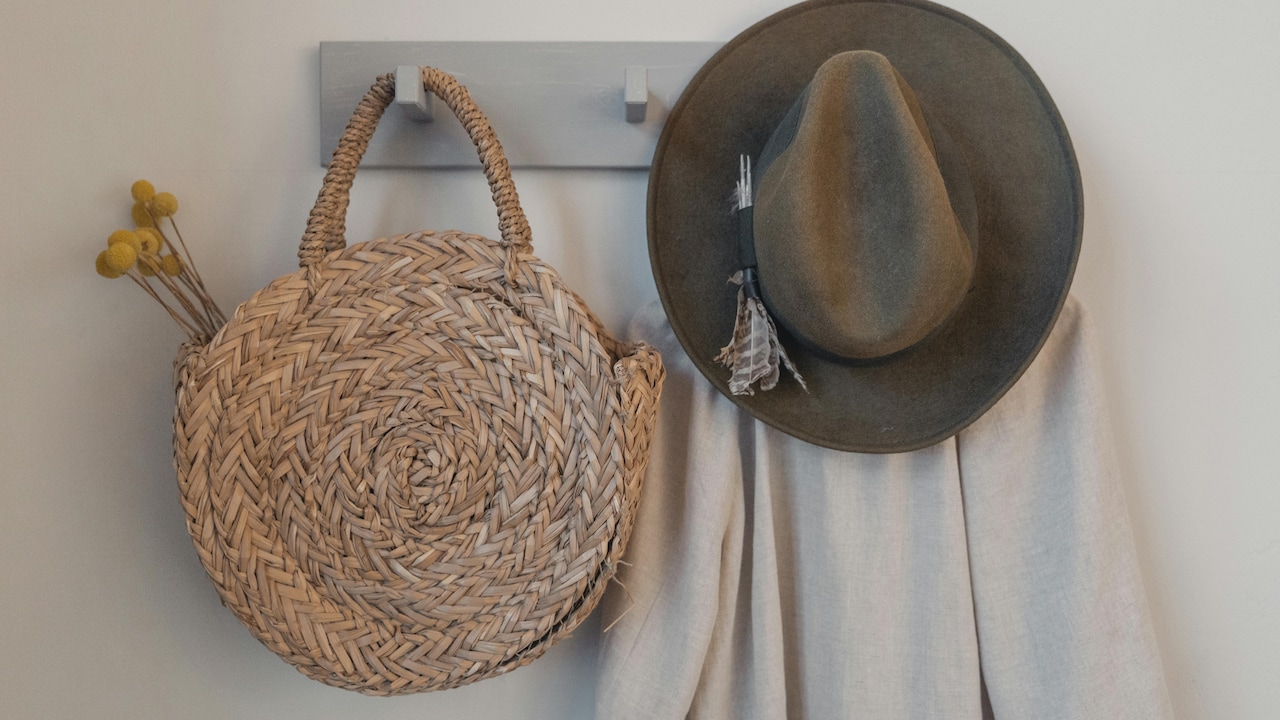
Look for adjustable mounts that don't compromise on flexibility; Photo Credit: Pexels
Environmental Factors
Walls and mounts do not exist in isolation. They respond to their surroundings.
Humidity, heat, and even vibrations play a role in weakening mounts. In areas with high moisture levels, metal components may corrode. Wooden supports behind walls may expand or contract, loosening screws.
Ceiling fans, heavy foot traffic, or nearby construction can introduce subtle vibrations. These may seem insignificant, but over time, they contribute to loosening fixtures.
A mount installed near a kitchen, for example, may face grease and heat exposure. Over time, this affects both the mount and the wall surface.
Understanding these factors helps in choosing the right materials and installation techniques. Protective coatings and proper placement go a long way in maintaining durability.
Cheap Fasteners And Screws
The smallest components often cause the biggest failures. Screws, bolts, and anchors carry the entire load, yet they rarely receive attention.
Low-quality fasteners may strip easily or fail to grip properly. Some mounts come with generic screws that do not suit every wall type. Using them without verification leads to weak installations.
Over time, these fasteners loosen, especially under constant load. Once they begin to slip, the entire mount becomes unstable.
Upgrading to high-quality fasteners costs very little, often under ₹300, but dramatically improves reliability. Choosing the right type for the wall ensures a firm hold that lasts.
Ignoring Stud Placement
In many modern constructions, especially those with drywall or partition walls, studs provide the strongest support points. Ignoring them leads to fragile installations.
Mounting directly onto drywall without anchoring into studs creates a weak connection. While it may hold initially, the wall cannot sustain long-term pressure.
Finding studs requires basic tools or even simple tapping techniques. Aligning the mount with these support beams ensures maximum stability.
Skipping this step often results in mounts pulling away from the wall. Repairing such damage involves not just reinstalling the mount but also fixing the wall, adding to costs and effort.
Overloading With Accessories
A mount designed for a single television often ends up supporting more than intended. Soundbars, gaming consoles, decorative lights, and cable organisers add extra weight.
Each addition may seem small, but together they increase the load significantly. Over time, this added pressure strains the mount and its fixings.
The result is gradual sagging or loosening. In some cases, the mount may tilt forward, creating an uneven appearance.
Choosing mounts with accessory support or distributing weight across separate fixtures prevents this issue. Keeping the load within limits ensures longevity and safety.
Lack Of Periodic Checks
Once installed, wall mounts rarely receive attention. This neglect contributes to long-term failure.
Screws may loosen, joints may shift, and minor issues may go unnoticed. Regular checks help identify these problems early.
A quick inspection every few months takes only a few minutes. Tightening screws, checking alignment, and ensuring stability can prevent major failures.
Ignoring maintenance often leads to sudden issues. A mount that seemed perfectly fine one day may give way the next, causing damage and inconvenience.
Products Related To This Article
1. UHUD Crafts Hanging Floating Wall Mount Display U Shape Wall Shelf
2. Dime Store Engineered Wood Floating Shelves for Wall Decor Wall Shelf Storage Organizer
3. Zulaxy Photo Frame Hooks for Wall Without Drilling
4. Robustt TV Wall Mount 26 to 63 Inches
5. GRIVAN Stainless Steel Multi-use Rack, Bathroom Shelf
Wall mounts appear simple, yet their reliability depends on several factors working together. The wall, the mount, the installation, and even daily usage all play a role in determining how long it holds.
Failures rarely happen overnight. They build slowly, through overlooked details, small compromises, and gradual wear. Understanding these causes changes how mounts get chosen and installed.
A good wall mount is not just about price or design. It is about compatibility, strength, and thoughtful installation. Spending a little more time and effort at the beginning saves money, stress, and potential damage later.
In the end, a mount that truly holds does more than support a device. It supports confidence in every glance towards that neatly mounted screen, knowing it will stay exactly where it belongs.
(Disclaimer: This article may include references to or features of products and services made available through affiliate marketing campaigns. NDTV Convergence Limited (“NDTV”) strives to maintain editorial independence while participating in such campaigns. NDTV does not assume responsibility for the performance or claims of any featured products or services.)