From Quiet Journaling to Fun Solo Karaoke: 5 Ways To Spend Quality Time With Yourself
From journaling to solo karaoke, simple daily activities can turn alone time into meaningful self-care. These five habits help reduce stress, improve focus, and build emotional balance without needing special skills or tools.
Which activity do you want to choose to relax yourself?
There was a time when silence felt awkward and free hours felt wasted. Then small habits started changing the rhythm of the day. Writing a few lines in a notebook felt like clearing mental space. Singing alone felt less about voice and more about mood. Slowly, spending time alone stopped feeling empty and started feeling useful. Not for productivity, not for social media, just for feeling steady and present. This shift feels like a personal life opportunity; many people go through a phase where self-time becomes a priority. Not a holiday, not a big celebration, but a quiet lifestyle change. More people are choosing simple solo activities that bring calm, focus, and a sense of control. It's less about escaping life and more about building a routine that supports mental balance and everyday happiness.
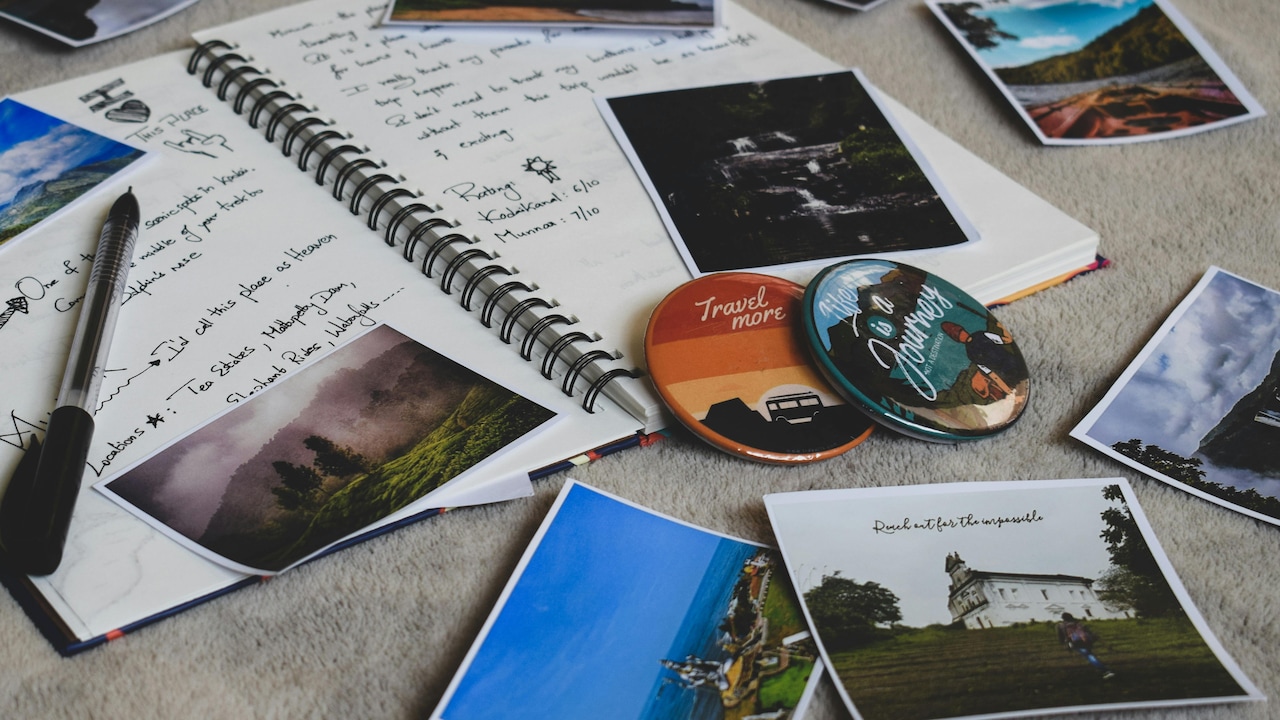
Which activity do you want to choose to relax yourself?; Photo Credit: Pexels
Why Does Spending Time With Yourself Matter?
Quality self-time helps reduce stress, improves focus, and builds emotional awareness. These activities don't need special skills or big budgets. They only need time, consistency, and a willingness to be comfortable alone. From creative hobbies to relaxing routines, solo time can become a daily reset button.
Also Read: Trekking Checklist: 5 Must Carry Items You Can't Afford To Miss
| Hobby Name | Purpose | What You Need | Time Required | Main Benefit |
|---|---|---|---|---|
| Journaling | To write thoughts and clear the mind | Notebook and pen | 20 minutes daily | Mental clarity and stress relief |
| Karaoke | To sing and release emotions | Phone or speaker with songs | 30 minutes | Mood improvement and confidence |
| Gardening | To care for plants and relax | Pots, soil, seeds, water | 15 minutes daily | Calmness and routine building |
| Photography | To capture daily moments | Mobile phone or camera | Flexible | Creativity and observation |
| Sewing | To stitch or repair items | Needle, thread, fabric | 40 minutes | Focus and practical skill |
Top 5 Ways To Spend Quality Time With Yourself'
1. Journaling
Journaling is a simple way to write thoughts, feelings, plans, or even random ideas. It helps organize the mind and makes it easier to understand emotions. Some people use it for goal setting, while others use it to release stress. Journaling can be done anytime morning, night, or during breaks.
2. Karaoke (Solo)
Solo karaoke is about singing without pressure. It can be done using mobile apps, YouTube tracks, or a basic mic. Singing alone helps release emotions and boosts mood. It's not about performance; it's about enjoying sound and energy.
3. Gardening
Gardening connects people with nature. It involves planting, watering, and caring for plants. This slow process teaches patience and brings a sense of responsibility. Even small balcony plants can create a calming routine.
4. Photography
Photography helps notice small details in daily life. It can be done using a phone or camera. Clicking photos of streets, food, plants, or objects builds observation skills and creative thinking.
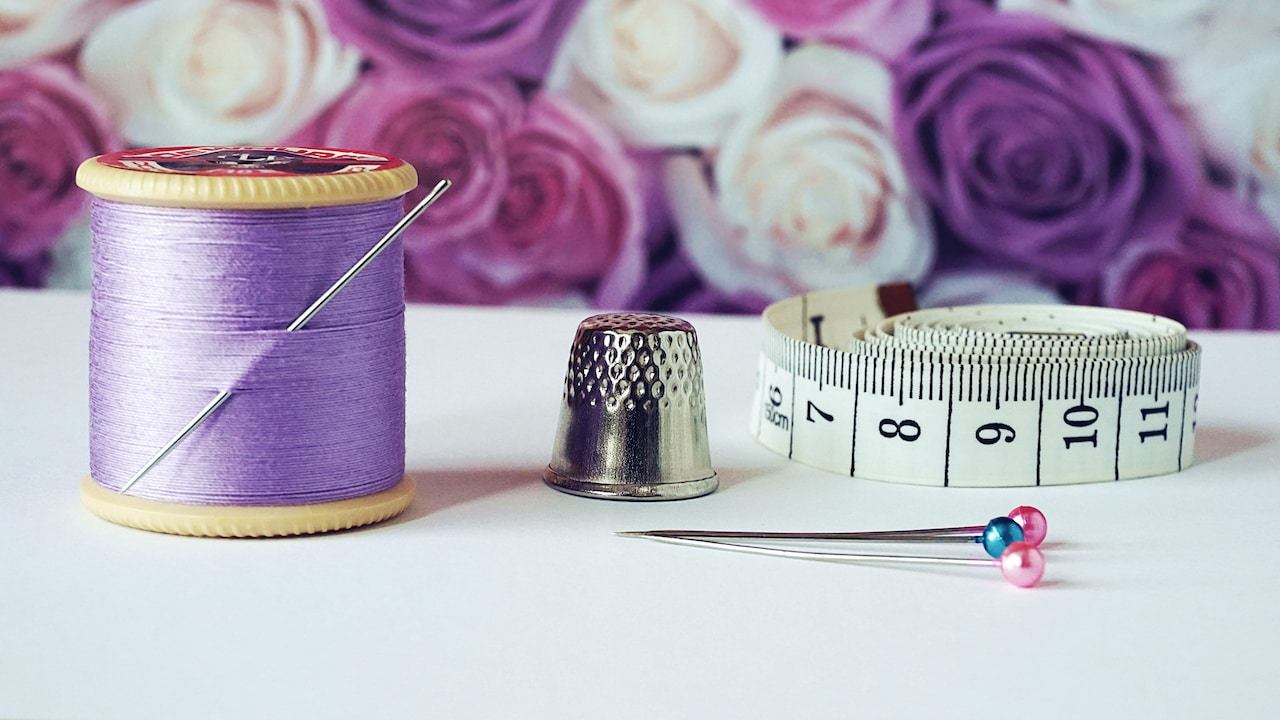
5. Sewing
Sewing is a practical hobby that involves stitching, fixing, or creating simple items. It improves hand coordination and focus. Over time, it builds patience and problem-solving skills.
Spending time with yourself is not about being alone; it's about being connected to your own thoughts, emotions, and needs. Simple habits like journaling, singing, or caring for plants help build inner balance. These activities don't demand perfection. They only ask for presence. In a fast-moving world, self-time becomes a personal anchor. It helps slow down, reflect, and reset. Whether it's through writing, music, or creative work, quality time with yourself builds a stronger relationship with your own mind. Check out these top deals from Flipkart
Frequently Asked Questions (FAQs)
1. Is spending time alone healthy?
Yes, it helps build emotional balance and self-awareness.
2. How much solo time is enough?
Even 20 to 30 minutes daily is useful.
3. Can these activities reduce stress?
Yes, they help calm the mind.
4. Do I need special tools for these hobbies?
No, most need basic items.
5. Is solo karaoke embarrassing?
No, it's private and pressure-free.
(Disclaimer: This article may include references to or features of products and services made available through affiliate marketing campaigns. NDTV Convergence Limited (“NDTV”) strives to maintain editorial independence while participating in such campaigns. NDTV does not assume responsibility for the performance or claims of any featured products or services.)