Why Bathroom Shelves Rust Quickly And What Materials Handle Moisture Better
Bathroom shelves rust fast due to moisture, hard water, poor airflow and low-quality metal. Choosing materials like stainless steel, aluminium, glass or strong plastic can keep shelves cleaner, sturdier and rust-free for longer.
Why Bathroom Shelves Rust Quickly And Which Materials Last Longer
A bathroom shelf has a tougher life than most people realise. It holds shampoo bottles, soaps, razors, face wash, hair oil, bath toys, loofahs, and sometimes even a half-forgotten bucket mug. Every morning, it faces hot steam. Every evening, it gets splashed again. Add hard water, poor ventilation, and a family that never wipes things dry, and even a shiny shelf can start looking like an old cycle handle left in the rain. Rust does not appear overnight, though it often feels that way. It begins quietly, usually at joints, screws, weld marks, or chipped corners. One tiny brown spot turns into a stain, then a flaky patch, and soon the shelf starts leaving marks on tiles. The problem grows faster in bathrooms because moisture does not leave easily. Choosing the right shelf material matters more than choosing the prettiest design. A low-cost shelf may save ₹300 today and demand replacement within a year. A better material can stay neat for years with basic care.
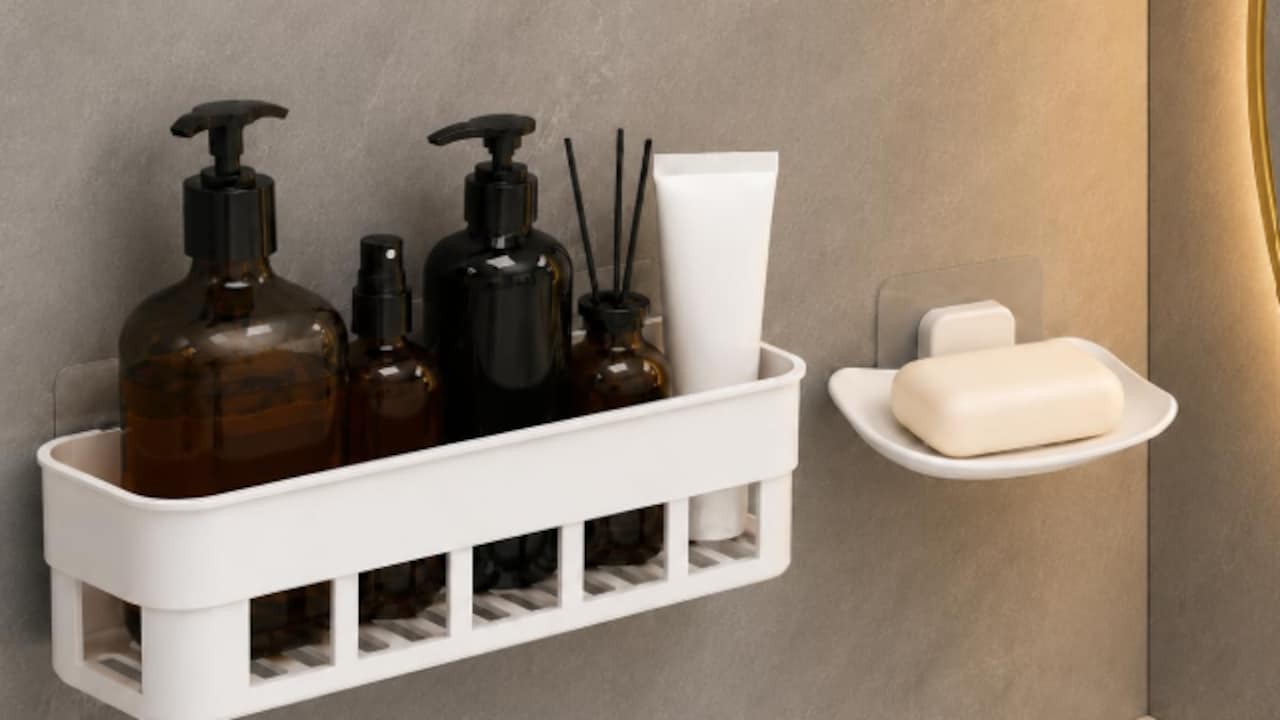
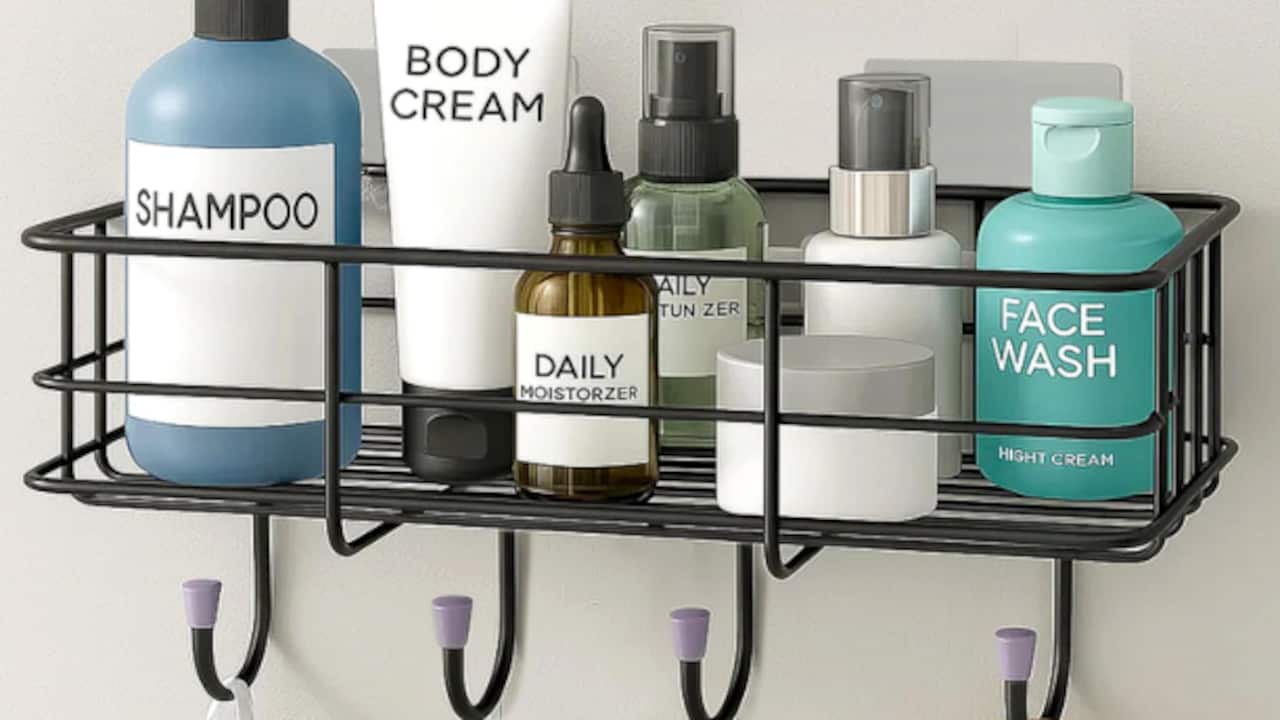
Why Bathroom Shelves Rust Quickly And Which Materials Last Longer; Photo Credit: Amazon
Why Bathroom Shelves Rust And Which Materials Last Longer
Constant Moisture Creates The Perfect Rust Trap
Bathrooms rarely get fully dry, especially in compact flats where the shower area, basin and toilet share one tight space. After a hot bath, steam settles on every surface. It clings to metal shelves, screws and corners. When water meets iron or ordinary steel, oxygen joins the party and rust begins. This chemical reaction loves damp corners, and bathroom shelves offer plenty of them.
The trouble grows when shelves sit close to the shower. Water splashes daily, but the shelf may not dry because shampoo bottles block airflow. A small puddle remains under a bottle, and that tiny wet ring keeps attacking the surface. Over time, the coating weakens and rust gets a foothold.
Many homes also keep the bathroom door shut after use. That traps humid air inside. The shelf then spends hours in a moist cloud, even after the floor looks dry. A simple habit, like opening a window or running an exhaust fan, can slow rust. But material choice still plays the biggest role.
Also Read: Best Wall Shelves For Living Room In India
Hard Water Leaves Minerals That Speed Up Damage
Hard water creates more than chalky tap stains. It also leaves mineral deposits on bathroom shelves. In many cities, water carries calcium, magnesium and other dissolved minerals. When droplets dry on a shelf, these minerals remain as white, rough patches. They may look harmless, but they can damage protective coatings.
Mineral crust traps moisture against the shelf surface. It also creates uneven spots where soap, shampoo and dirt collect. Once the coating cracks or thins, metal underneath becomes vulnerable. Rust then starts from a point so small that nobody notices it until the brown stain spreads.
Hard-water marks also make people scrub shelves with harsh cleaners. That can worsen the problem. Steel wool, rough pads and acidic cleaning liquids may remove stains, but they can scratch the finish. Those scratches become open gates for rust.
A bathroom shelf in a hard-water area needs a smoother, more corrosion-resistant material. Stainless steel of a good grade, aluminium, glass or high-quality plastic usually handles mineral deposits better than painted iron or cheap chrome-plated metal.
Cheap Chrome Plating Often Fails Fast
Chrome-plated shelves look bright in shops. Under showroom lights, they shine like a promise. The problem starts when the plating layer turns too thin or uneven. Low-cost shelves often use ordinary iron or mild steel under a shiny chrome finish. Once that outer layer chips, scratches or peels, the hidden metal reacts with moisture.
The first rust spots often appear at weld joints and screw holes. These areas carry tiny gaps where plating may not cover the metal properly. When water enters, rust begins below the surface. Soon, the chrome bubbles or flakes. The shelf then looks patchy, even if the rest of the frame still shines.
This does not mean every chrome shelf performs badly. Good plating can last, but quality varies widely. A shelf priced at ₹250 may not offer the same protection as one priced at ₹900. Weight, finish and brand reliability matter.
For a rarely used powder room, a chrome shelf may work. For a main bathroom with daily showers, wet towels and constant splashing, cheap chrome often turns into a short-term decoration rather than a durable fitting.
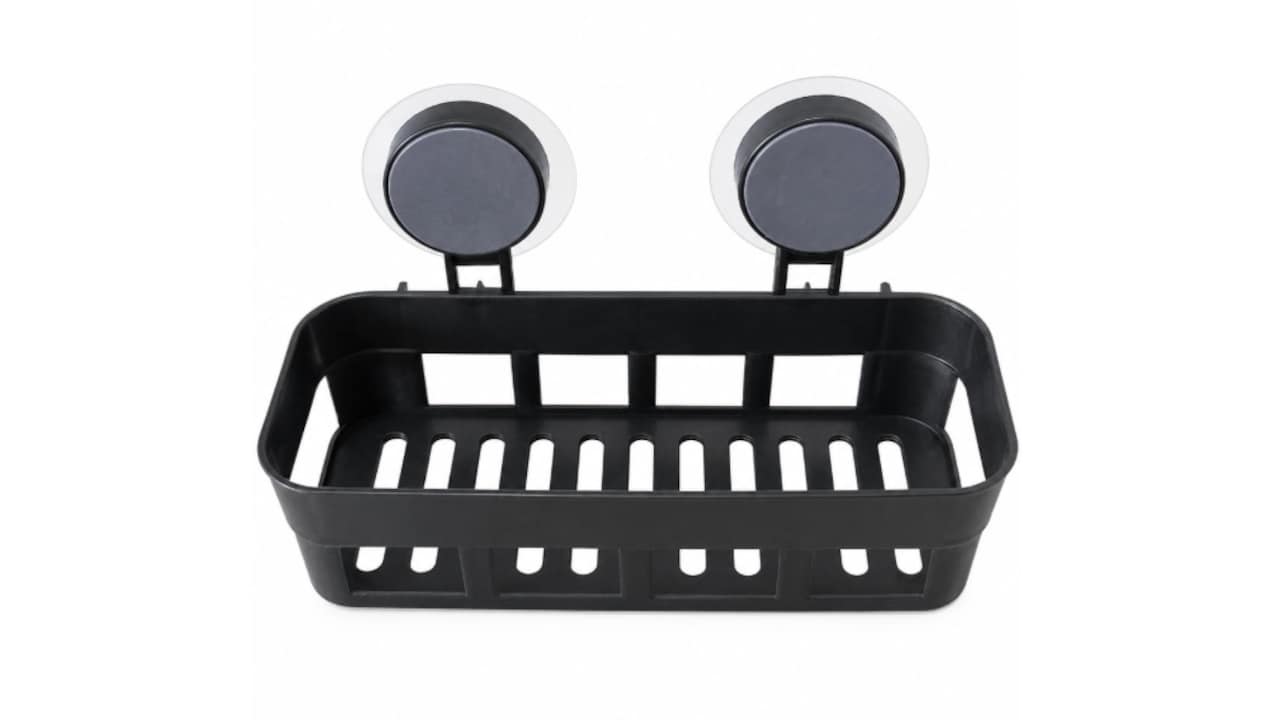
Why Bathroom Shelves Rust Quickly And Which Materials Last Longer; Photo Credit: Amazon
Stainless Steel Performs Better With The Right Grade
Stainless steel has earned its popularity for a reason. It resists rust better because it contains chromium, which forms a protective layer on the surface. This layer helps the metal fight moisture. But here comes the catch: not all stainless steel shelves perform the same way.
Many buyers see the words “stainless steel” and assume the shelf will never rust. That hope can lead to disappointment. Lower grades may stain, especially in bathrooms with hard water, salty air or strong cleaners. Grade 304 stainless steel usually offers better corrosion resistance for bathroom use. In coastal cities, where air carries salt, grade 316 performs even better, though it costs more.
A good stainless steel shelf feels sturdy and has clean welds. Thin, flimsy shelves bend easily and collect water at joints. Poor finishing can also create weak spots.
Stainless steel suits families who want a neat, long-lasting shelf without too much fuss. It still needs wiping and gentle cleaning, but it handles daily moisture far better than painted iron or cheap plated metal.
Aluminium Resists Rust And Stays Lightweight
Aluminium does not rust like iron because it contains no iron. Instead, it forms a thin oxide layer that protects it from further damage. That makes aluminium a useful choice for bathrooms, especially where shelves need to stay light and easy to install.
An aluminium shelf suits rented homes because it often needs lighter fittings. It also works well in smaller bathrooms where bulky shelves look heavy. Many modern aluminium shelves come with anodised or powder-coated finishes, which improve durability and add colour options. A matte black or brushed silver finish can look smart without shouting for attention.
However, aluminium has its limits. Very thin shelves may dent or bend under heavy bottles. Poor-quality coatings can peel if someone scrubs them with abrasive pads. Some low-grade aluminium fittings may also corrode in patches when exposed to harsh cleaning acids.
For regular bathroom use, choose a thicker aluminium shelf with clean edges and proper drainage gaps. It will not give the same solid feel as premium stainless steel, but it offers a sensible balance of price, rust resistance and easy maintenance.
Plastic Shelves Handle Moisture But Need Strength
Plastic shelves laugh at rust because water cannot corrode them like metal. This makes them popular in homes where children splash around, buckets move constantly and nobody wants to inspect screws every week. They also come in many colours and shapes, from simple corner units to suction-mounted racks.
Good-quality plastic shelves can last for years, especially when they use strong polymers. They handle shampoo bottles, soap dishes and small grooming items without much trouble. They also cost less than many metal options, which makes them attractive for budget makeovers.
But plastic has its own drama. Cheap plastic can fade, crack or turn brittle over time. It may sag under heavy bottles of conditioner, body wash and hair oil. Suction cups can loosen on textured tiles, usually at the exact moment when everyone in the house has gone to sleep.
Plastic shelves suit wet zones, children's bathrooms and temporary setups. For a polished look, choose thicker plastic with proper wall mounting. A strong plastic shelf beats a rusty metal one any day, even if it does not carry the same premium charm.
Glass Shelves Look Elegant And Avoid Rust
Glass brings a clean, airy look to bathrooms. It does not rust, does not absorb moisture and does not react badly to everyday splashes. A glass shelf above the basin can hold perfume, face wash and small décor without making the wall look crowded. In compact bathrooms, transparent glass also helps the space feel lighter.
The main concern with glass is not rust but safety and strength. Always choose toughened glass for bathroom shelves. Ordinary glass can break into sharp pieces, while toughened glass handles pressure better and breaks more safely if damaged. Thickness also matters. A flimsy glass shelf may look delicate, but it may not suit heavy bottles.
The metal brackets that hold glass shelves deserve attention too. If those brackets use poor-quality steel, they can rust even while the glass stays perfect. So the shelf material and fitting material both need thought.
Glass works best outside direct shower spray or in dry corners. It suits people who prefer a tidy, hotel-like look and do not mind wiping water spots often.
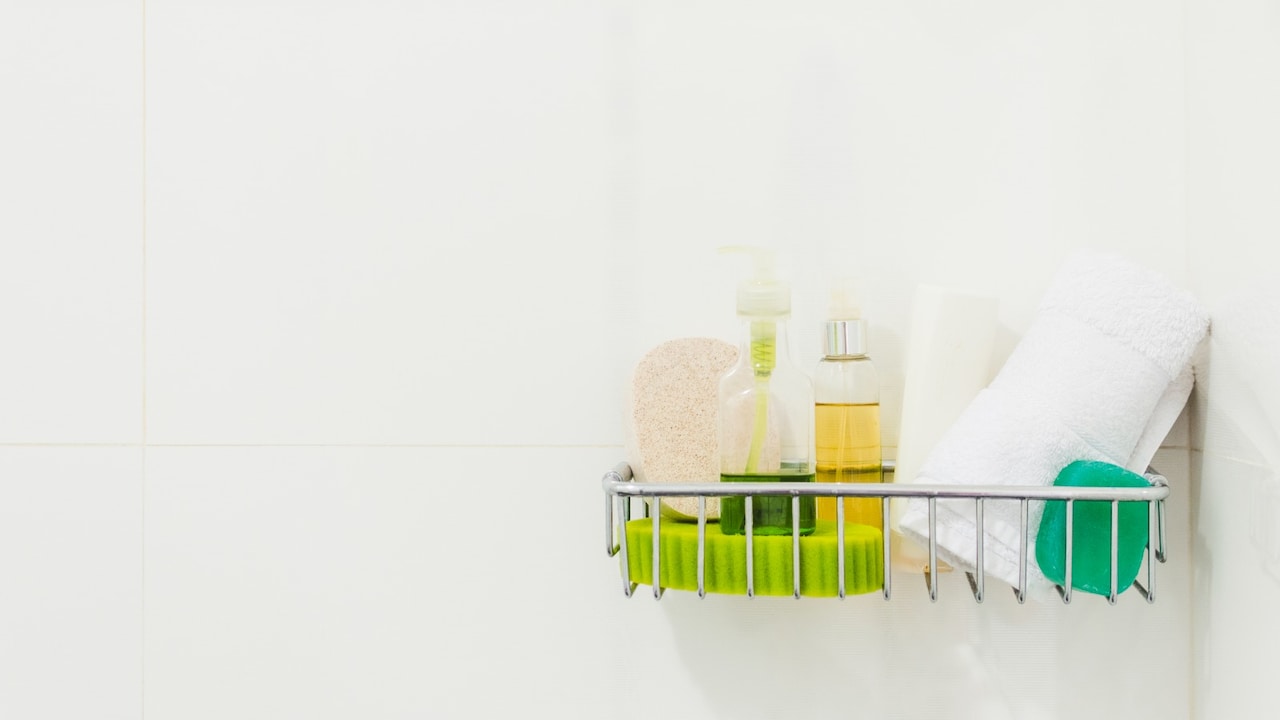
Why Bathroom Shelves Rust Quickly And Which Materials Last Longer; Photo Credit: Pexels
Brass And Copper Can Age Beautifully
Brass and copper do not rust like iron, but they do change colour over time. Moisture, air and cleaning products create a patina on the surface. Some people love that aged look because it feels warm, vintage and full of character. Others see it as staining and reach for polish every weekend.
Brass shelves can look beautiful in bathrooms with warm tiles, stone finishes or traditional décor. Copper adds a handcrafted feel, almost like something from an old family home updated for modern living. These materials resist corrosion fairly well, but they need better care than stainless steel or plastic.
The price can also climb quickly. A good brass shelf may cost much more than a basic steel one, so it suits buyers who care about style as much as function. The fittings must also use compatible materials. A brass shelf with poor screws can still leave rust marks on the wall.
For anyone who enjoys a little old-world charm, brass and copper offer personality. They do not stay shiny without effort, but they age with grace.
Wood And Bamboo Need Proper Protection
Wood in a bathroom sounds risky, yet it can work when treated properly. Bamboo shelves, teak shelves and engineered wooden units have become popular because they soften the cold look of tiles and metal. They bring warmth to a room that often feels purely functional.
Moisture remains the main challenge. Untreated wood can swell, warp, crack or grow mould. Bamboo handles moisture better than many regular woods, but it still needs sealing. A good waterproof coating, proper edges and raised placement away from direct splashes can make a big difference.
Wooden shelves suit dry areas of the bathroom, such as above the toilet, near the mirror or beside a vanity. They do not belong inside the shower unless the design specifically supports wet use. Even then, regular drying helps.
The charm of wood lies in its homely feel. A few rolled towels, a small plant and a wooden shelf can make a bathroom feel less like a washing zone and more like a calm corner. But beauty needs maintenance here, so choose wisely.
Good Design Matters As Much As Material
Even the best material can struggle if the shelf design traps water. Flat shelves without drainage holes collect puddles. Deep corners hold soap foam. Hidden joints become damp pockets. Over time, those areas grow stains, smell musty or damage fittings.
A bathroom shelf should allow water to escape quickly. Slotted bases, wire designs and slight slopes help. Rounded corners clean more easily than sharp, boxed edges. Wall-mounted shelves should leave enough gap behind them so air can circulate. Screws and brackets should match the shelf quality. A stainless steel shelf with cheap iron screws can still create ugly rust streaks on tiles.
Placement matters too. Keep shelves slightly away from direct shower spray when possible. Avoid crowding every inch with bottles. Fewer items mean better drying and easier cleaning. It also saves everyone from the classic bathroom avalanche, where one falling bottle brings down five others like a tragic shampoo domino show.
Material starts the fight against rust, but smart design helps win it.
Products Related To This Article
1. Misamo Enterprise 2 Pcs Aluminium Bathroom Wall Shelf Organiser
2. GLOXY ENTERPRISE Stainless Steel Magic Sticker Bathroom Shelf
3. DALUCI Set of 2 Metal Bathroom Corner Shelf Rack
4. GLOXY ENTERPRISE Stainless Steel 4 Bar Swing Hanger Towel Rack
5. SquareUp Self-Adhesive Wall-Mount ABS Plastic Bathroom Corner Shelf Rack Organizer
6. Hallstatt Self-Adhesive Bathroom Shelf for Wall Shelf Organizer Wall Mounted Bathroom Shelves
7. Royal-Pro Bathroom Shelf for Wall Corner
Bathroom shelves rust quickly because bathrooms create the perfect storm: constant moisture, warm steam, hard-water minerals, soap residue and poor airflow. Cheap plated metal often gives up first, especially around screws and joints. Once the protective layer breaks, rust spreads fast and turns a neat shelf into an eyesore.
Better materials handle this environment with more confidence. Grade 304 stainless steel suits most homes, while grade 316 works better near the coast. Aluminium offers lightness and good rust resistance. Plastic handles wet zones without complaint, provided it has enough strength. Glass brings elegance, though its brackets need care. Brass, copper, wood and bamboo can look beautiful when chosen for the right spot and maintained properly.
The smartest choice depends on bathroom habits, water quality, budget and style. A busy family bathroom needs durability first. A guest bathroom can focus more on looks. A rented flat may need lightweight and affordable options. Whatever the setting, choose a shelf that drains well, cleans easily and does not hide moisture in its corners.
A bathroom shelf may seem like a small detail, but it works hard every single day. Pick the right material, give it a little air and wipe away stubborn water marks now and then. The reward is simple: fewer brown stains, fewer replacements and a bathroom that feels fresh for longer.
(Disclaimer: This article may include references to or features of products and services made available through affiliate marketing campaigns. NDTV Convergence Limited (“NDTV”) strives to maintain editorial independence while participating in such campaigns. NDTV does not assume responsibility for the performance or claims of any featured products or services.)