Cloth Vs Disposable Diapers: Which Is Better In The Humid Monsoon
Cloth vs disposable diapers in the monsoon: Discover which option keeps your baby dry, comfortable, and rash-free during humid weather, plus practical tips for parents.
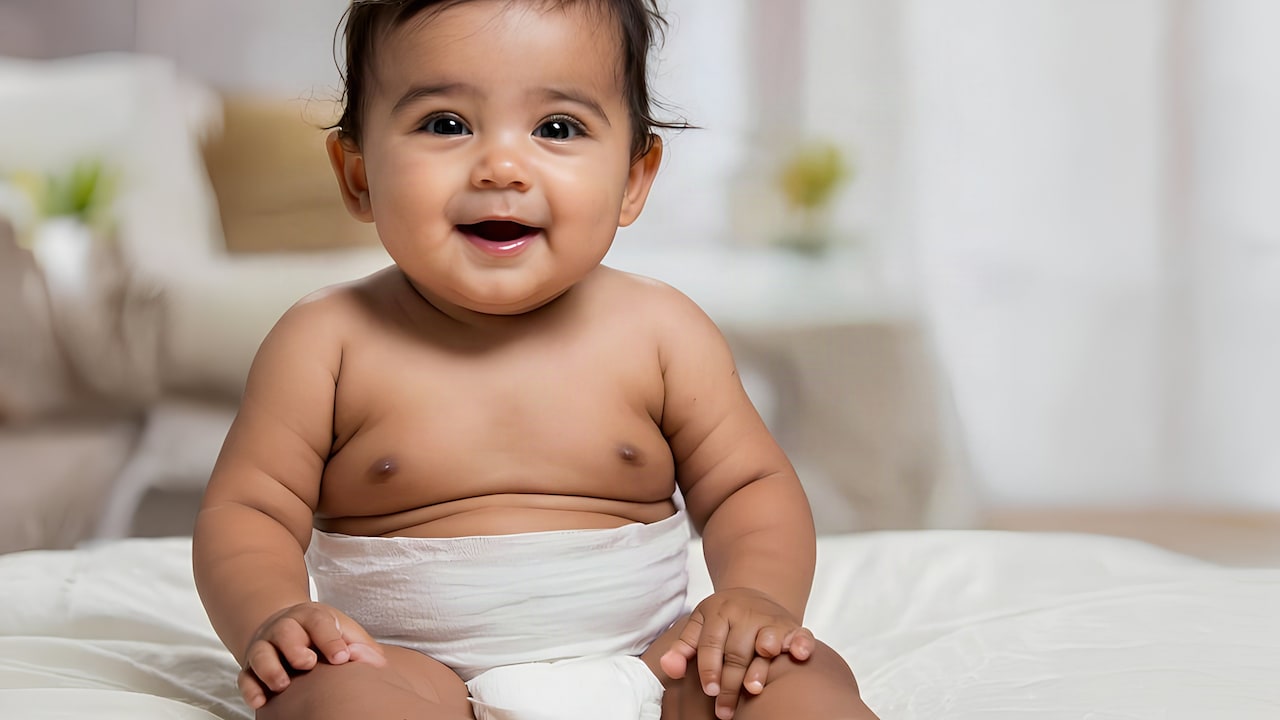
Cloth Vs Disposable Diapers: Which Is Better In The Humid Monsoon
The monsoon often brings welcome relief from the heat, but for parents of babies, it also shows up with a whole new cluster of daily challenges. Damp clothes, slower drying times, and that constant humidity can make even something simple like a diaper change feel a bit more complicated than usual.
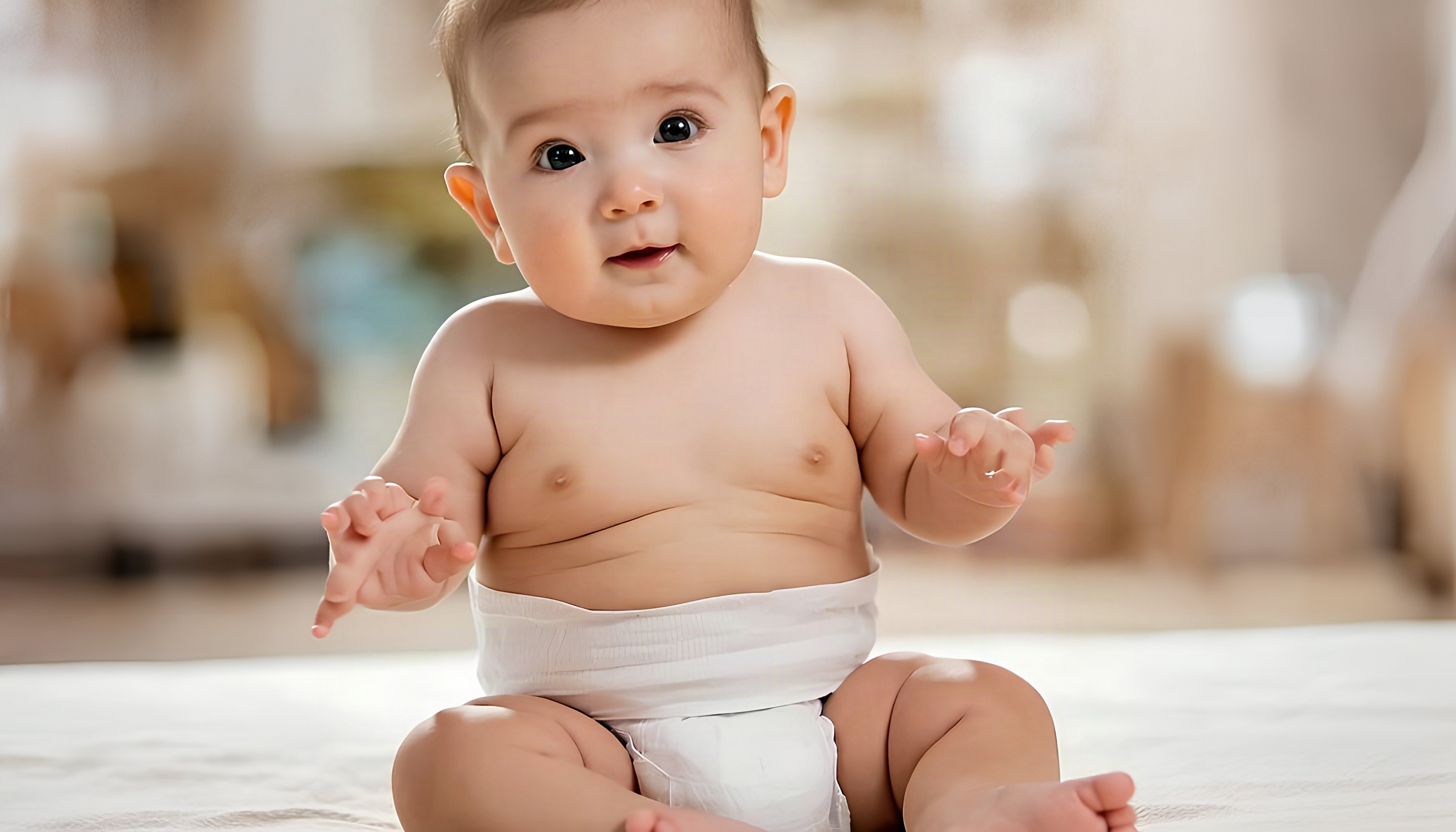
Cloth Vs Disposable Diapers: Which Is Better In The Humid Monsoon
Photo Credit: iStock
If you've been quietly asking yourself whether cloth diapers or disposable diapers are the better option during the rainy season, you're not the only one. The answer isn't really as clean and straight as picking just one. This guide looks at how both choices perform in humid weather, what's great about each one , what can be tricky , and how to steer toward the best decision for your baby's comfort and skin wellbeing.
Also Read: No More Rashes This Summer: Top 10 Itch-Free Diapers For Kids
How Does Monsoon Humidity Affect Your Baby's Skin?
High humidity prevents sweat from evaporating efficiently, leaving your baby's skin damp for longer periods. When combined with a wet diaper, it kind of makes a perfect situation for diaper rashes, fungal infections, and skin irritations, honestly.
Babies have delicate skin that really needs to stay as dry as possible. During the monsoon season, picking the proper diaper—then changing it often, like frequently—can genuinely change things, and it helps stop discomfort before it starts.
Cloth Diapers: Are They A Good Choice During The Rainy
Season?
Cloth diapers have gotten more popular lately, especially with eco-minded parents. They are reusable and more breathable than you'd think, and they avoid a lot of the chemicals that you can run into with some disposable diapers.
Step 1: Understand Their Benefits
Cloth diapers allow better airflow than many disposable options, which can help reduce heat buildup around your baby's skin. They're also reusable, making them an economical and environmentally friendly choice over time. Many modern cloth diapers come with adjustable sizing and soft fabrics that are gentle on sensitive skin.
Step 2: Know Their Challenges In Humid Weather
The biggest drawback during the monsoon season is the extended drying time. With sunlight being limited and humidity sitting high, cloth diapers can end up taking way longer to dry all the way through. And if you use them even a little damp, the chance of bacterial growth goes up, plus you may notice skin irritation as well. So proper washing, then drying well that becomes kind of essential.
Disposable Diapers: Do They Perform Better In Humid Conditions?
Disposable diapers are designed to absorb moisture quickly, making them a convenient option for busy parents.
Step 1: Look At Their Advantages
Modern disposable diapers are designed to lock away moisture in an efficient way, so your baby's skin stays dry for longer. This little feature is really helpful during the monsoon, when the added humidity makes skin feel damp and kind of fast. They're also excellent for on-the-go situations, bedtime, or frequent laundry, just not practical.
Step 2: Consider Their Limitations
Although highly absorbent, disposable diapers can trap heat if worn for extended periods. Leaving a diaper on for too long may increase the risk of rashes, regardless of its absorbency. They're also more expensive in the long run and generate more household waste than reusable alternatives.
Cloth Vs Disposable Diapers: Which One Wins In The Monsoon?
Neither option is truly perfect for every family. More like, the best one depends on how your routine looks, what kind of washing facilities you have, and how sensitive your baby's skin happens to be.
If you can use fast drying tools, like a dryer, or an indoor drying rack that has good ventilation, then cloth diapers can work pretty well. But if drying turns into a chore, or you're always on the go; disposable diapers often give more convenience and dependable moisture protection.
Lots of parents end up mixing both, and honestly it seems to fit better—cloth diapers at home through the day, then disposable diapers for outings, or when it's nighttime and you want simpler things.
How Can You Prevent Diaper Rash During The Monsoon?
Regardless of the diaper you choose, proper diaper care matters more than the material itself.
1. Change Diapers Frequently
Try not to leave your baby in a wet or soiled diaper for long stretches for a while. Do more frequent diaper changes, so there is less lingering moisture and it can help keep the skin in a healthier state, particularly in sticky or humid weather when bacteria end up multiplying much faster.
2. Give Your Baby Diaper-Free Time
Letting your baby be without a diaper for a couple minutes each day can help the skin sort of “breathe” a bit more. Even those short air moments can lessen the trapped dampness and let things calm down quicker if mild irritation is already there.
3. Keep The Diaper Area Clean And Dry
Clean the diaper area gently with water or fragrance-free wipes and pat it completely dry before putting on a fresh diaper. Avoid rubbing the skin, as this may worsen irritation during the humid season.
4. Use A Protective Barrier Cream
Using a diaper rash cream with zinc oxide, or like protective ingredients, helps form a sort of moisture barrier between your baby's skin and the diaper. That extra layer is especially useful when conditions stay humid for a while, like during long stretches in warm weather.
Which Diaper Should You Choose For Your Baby?
Honestly, there's no single clear “best” in the cloth, versus disposable diaper talk, especially during the monsoon when everything feels wetter and slower. Cloth diapers tend to feel more breathable, and they're seen as more sustainable. Disposable diapers are, uh, simply more convenient and they usually manage moisture absorption better.
The best approach is really picking what matches your routine, while still aiming for regular diaper changes, good cleaning hygiene, and, of course, your baby's comfort. In many homes people end up using both types at different times throughout the day, like cloth at one stretch and disposables at another, and that mix gives a decent compromise between day-to-day practicality and skin protection.
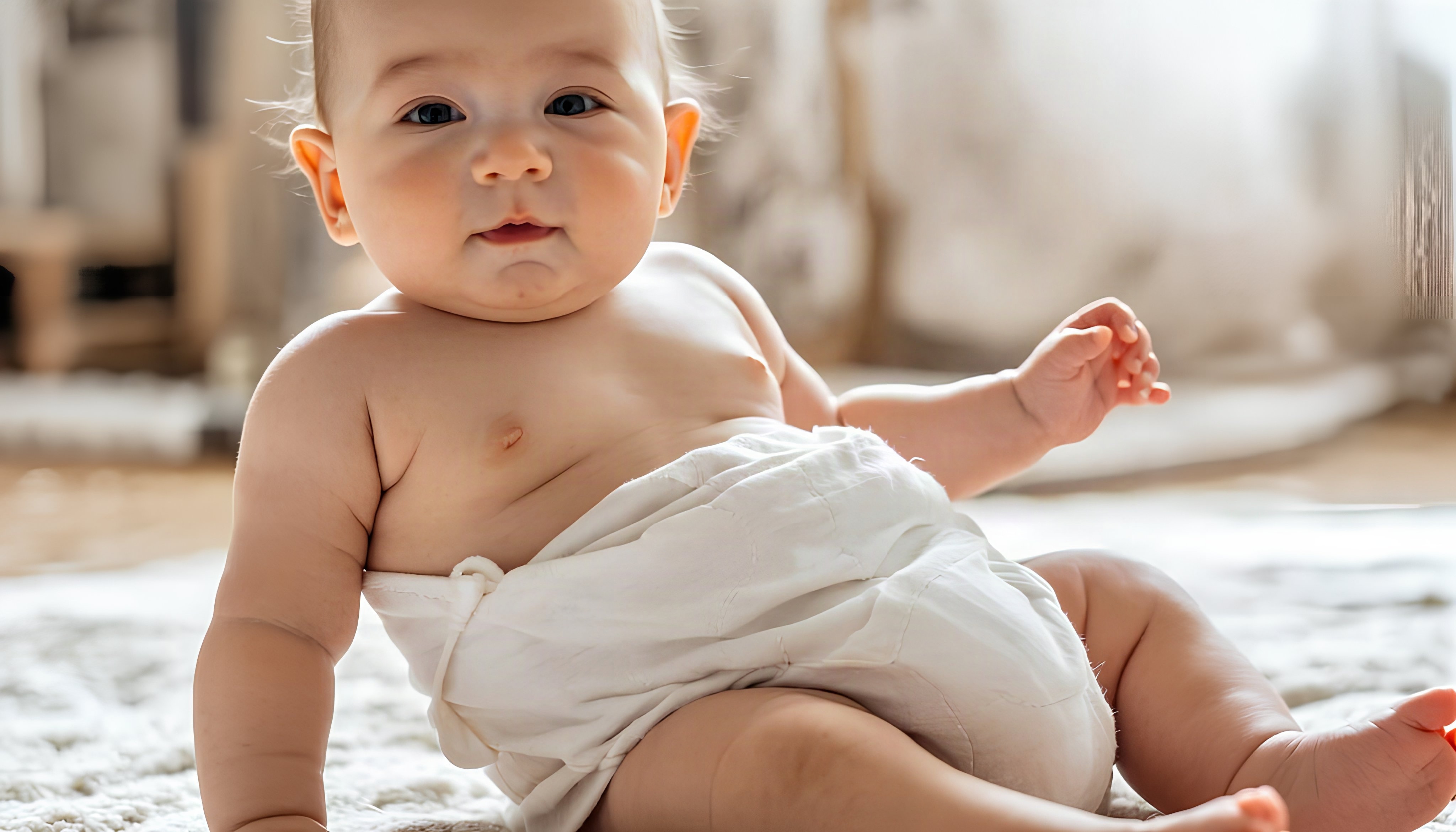
Cloth Vs Disposable Diapers: Which Is Better In The Humid Monsoon
Photo Credit: iStock
Some Diaper Products You May Like
1. GLUN Reusable Baby Cloth Diapers Combo
2. Blushbaby Premium Reusable Cloth Diapers
3. LuvLap Reusable Baby Cloth Diaper
4. Alvababy All-in-One Cloth Diaper
5. superbottoms Disposable Easy-Clean Top Sheets
6. Huggies Natural Soft Premium Tape Diapers
7. New Mamypoko Pants Premium All Night Absorb
8. Little Angel Soft & Pure Premium Baby Diaper
Frequently Asked Questions (FAQs)
1. Are cloth diapers better than disposable diapers during the monsoon?
It depends on your routine a lot. Cloth diapers feel more breathable, but in humid weather they can be trickier to get fully dry. Meanwhile, disposable diapers tend to soak up moisture better, and the whole process is more convenient than dealing with the drying part.
2. Can humid weather cause more diaper rashes?
Yes. High humidity increases moisture around your baby's skin, creating conditions that may lead to diaper rashes and fungal infections if diapers aren't changed regularly.
3. How often should I change diapers during the rainy season?
Ideally, change diapers every 2–3 hours or immediately after they become wet or soiled to minimise skin irritation.
4. Is it safe to use cloth diapers if they don't dry completely?
No. Cloth diapers should always be completely dry before use, as damp fabric can encourage bacterial or fungal growth.
5. Can I use both cloth and disposable diapers together?
Yes. Many parents use cloth diapers during the day and disposable diapers at night or while travelling, offering a practical balance between comfort, convenience, and cost.
(Disclaimer: This article may include references to or features of products and services made available through affiliate marketing campaigns. NDTV Convergence Limited (“NDTV”) strives to maintain editorial independence while participating in such campaigns. NDTV does not assume responsibility for the performance or claims of any featured products or services.)




![Steam Iron Teflon Shoe Cover for ES-300,ST-96 [Only For ES-300 and ST-96 Model Electric Steam Irons]](https://m.media-amazon.com/images/I/51wwkttondL._SL160_.jpg)