Cotton vs Microfiber Bedsheets: Which Fabric Truly Feels Cooler And More Breathable
Cotton and microfiber bedsheets both promise comfort, but which truly stays cool and breathable? This article breaks down airflow, moisture control and sleep comfort to help you make an informed choice.

Cotton vs Microfiber Bedsheets: Which Is More Breathable and Cooler for Better Sleep?
There are few things more frustrating than tossing and turning on a warm night, desperately flipping the pillow in search of the “cool side.” Bedsheets, often overlooked, play a huge role in this nightly battle against heat and humidity. Walk into any home store or scroll online, and two names appear again and again: cotton and microfiber.
Cotton carries a reputation built over generations. It feels familiar, reliable, and comforting, much like an old ceiling fan that never lets anyone down. Microfiber, on the other hand, is the modern contender, sleek, budget-friendly, and marketed as easy to maintain. Yet, when it comes to staying cool and breathable, marketing claims rarely match lived experience.
Weather conditions across the subcontinent demand bedding that can handle humidity, heatwaves, and sudden monsoon dampness. Comfort is not a luxury here; it is a necessity. This article breaks down cotton and microfiber across ten key aspects, from airflow to skin comfort, washing habits to long-term value. The goal is simple: help every reader decide which fabric truly earns its place on the bed.

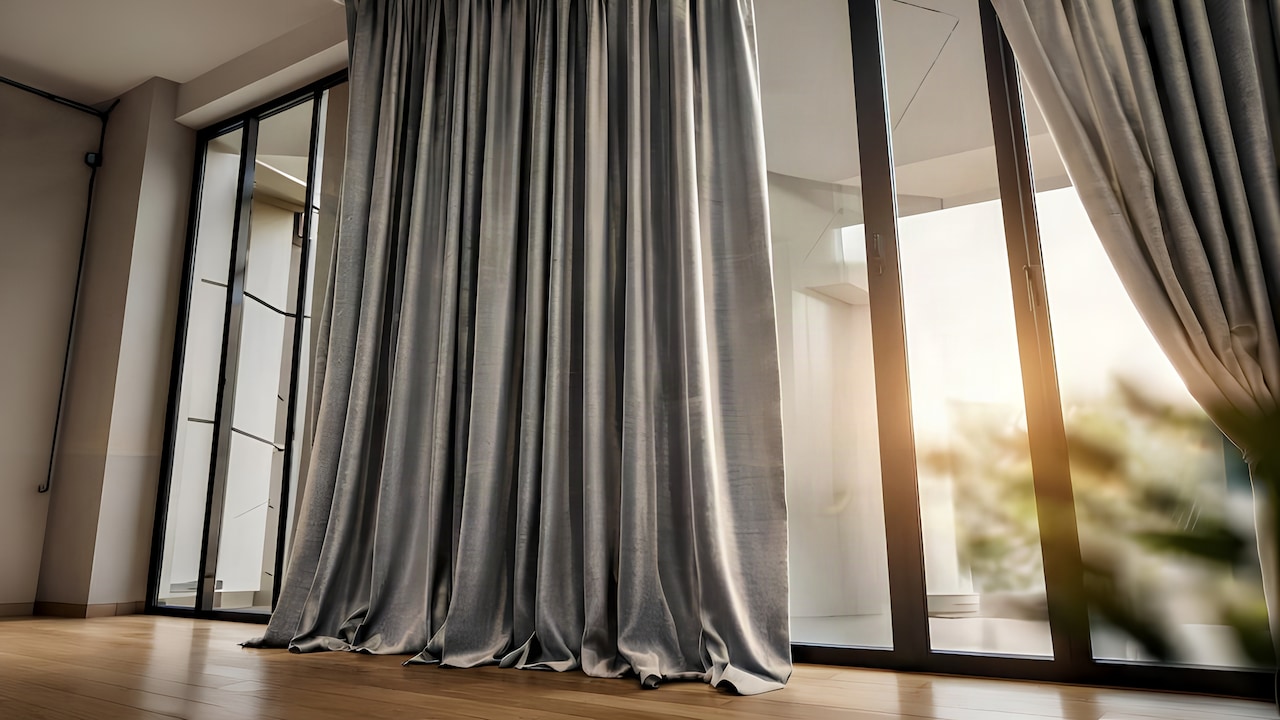
Cotton vs Microfiber: A Fabric-by-Fabric Breakdown; Photo Credit: Pexels
What Really Sets Cotton And Microfiber Bedsheets Apart
1. Breathability: How Air Really Moves Through the Fabric
Breathability sits at the heart of the cotton versus microfiber debate. Cotton fibres are naturally hollow, allowing air to circulate freely. This airflow helps heat escape rather than trapping it against the skin. On warm nights, this quality becomes priceless, especially when humidity levels climb, and even light blankets feel suffocating.
Microfiber tells a different story. Made from tightly woven synthetic fibres, it tends to restrict airflow. The fabric often feels smooth and soft at first touch, but that same tight weave limits ventilation. Heat builds up more quickly, creating a slightly clammy sensation after a few hours of sleep.
In everyday use, the difference becomes noticeable. Cotton sheets often feel fresher by morning, while microfiber can feel warmer, even if the room temperature stays the same. For homes relying on ceiling fans rather than round-the-clock air conditioning, cotton's breathability offers a clear advantage. Airflow is not a technical detail here; it is the quiet hero behind restful sleep.
2. Moisture Absorption: Sweat Happens, Sheets Respond
No one likes to talk about night sweats, yet everyone experiences them at some point. Fabric response to moisture matters more than thread count when temperatures rise. Cotton absorbs moisture efficiently, pulling sweat away from the skin and allowing it to evaporate gradually. This process keeps the body feeling drier and more comfortable.
Microfiber resists moisture rather than absorbing it. Sweat tends to stay on the surface, creating a slick or sticky feeling. Some manufacturers treat microfiber with moisture-wicking finishes, but these coatings often fade with repeated washes. Without that treatment, the fabric struggles to manage humidity.
Picture a humid July night after a power cut. Cotton sheets may feel slightly damp but still breathable. Microfiber sheets, in comparison, can feel heavy and uncomfortable. Over time, this difference affects sleep quality more than expected. Moisture management is not glamorous, but it defines comfort when nights refuse to cool down.
Also Read: 7 Best Cotton Bedsheets That Stay Soft After Every Wash
3. Skin Comfort: Gentle Touch Versus Synthetic Smoothness
Cotton feels familiar against the skin, and there is a reason for that. Natural fibres adapt well to body temperature and reduce friction. Sensitive skin often responds better to cotton, with fewer complaints of itching or irritation. This makes cotton especially appealing for children, older adults, or anyone prone to allergies.
Microfiber prides itself on softness. The fabric feels silky and smooth, sometimes even luxurious at first glance. However, prolonged contact can tell a different story. The synthetic nature of microfiber may cause discomfort for those with sensitive skin, particularly in warm conditions where sweat gets trapped.
Over a full night's sleep, cotton tends to fade into the background, exactly what bedding should do. Microfiber can feel noticeable, especially when heat builds up. Comfort is not just about softness; it is about how fabric behaves over hours, not minutes.
4. Temperature Regulation: Staying Cool, Not Just Feeling Cool
Some sheets feel cool when first touched, only to become stifling later. Cotton excels at regulating temperature throughout the night. It releases heat steadily, preventing sudden spikes in warmth. This balance supports deeper, uninterrupted sleep.
Microfiber often delivers an initial cool sensation, especially in air-conditioned rooms. Yet, as the night progresses, heat retention becomes apparent. The fabric struggles to release body heat, leading to frequent tossing and turning.
Homes that experience fluctuating night temperatures benefit from cotton's adaptability. Whether the weather turns muggy or breezy, cotton adjusts without drama. Microfiber prefers controlled environments, making it less forgiving during unpredictable weather. Temperature regulation is where cotton quietly outperforms its modern rival.

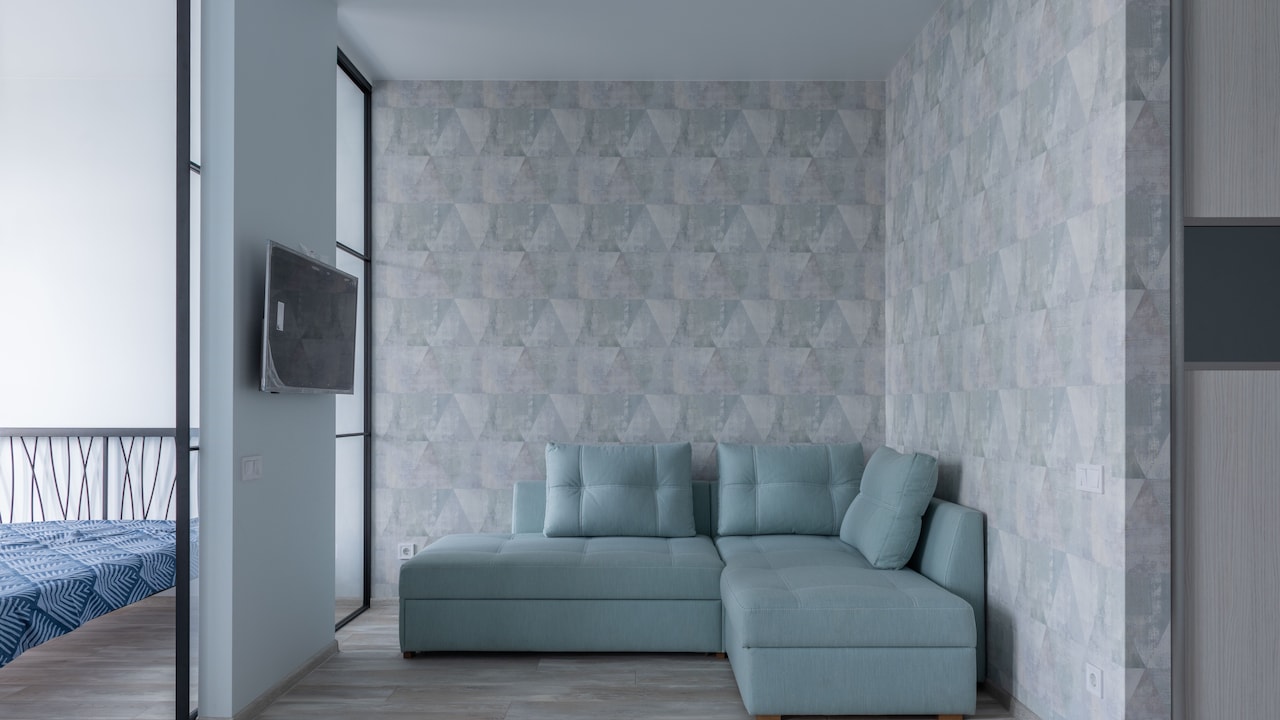
Cotton vs Microfiber: A Fabric-by-Fabric Breakdown; Photo Credit: Pexels
5. Durability and Long-Term Comfort
Bedsheets face constant use and frequent washing. Cotton sheets, especially those made from long-staple fibres, age gracefully. They soften over time without losing breathability. Even after years of use, good cotton retains its comfort.
Microfiber resists wrinkles and fading, which appeals to busy households. However, repeated washing can reduce softness and compromise airflow further. Heat from ironing or tumble drying may also damage fibres, shortening the sheet's lifespan.
In the long run, cotton often proves more economical despite a higher initial cost. Spending ₹1,800 on quality cotton sheets that last years feels wiser than replacing cheaper microfiber sets every season. Durability is not just about fabric strength; it is about sustained comfort.
6. Ease of Maintenance: Convenience Versus Care
Microfiber shines when it comes to easy care. The fabric dries quickly, resists wrinkles, and rarely needs ironing. For packed schedules and limited drying space, this convenience feels tempting.
Cotton demands a little more attention. It may wrinkle easily and take longer to dry, especially during monsoon months. Yet, modern cotton blends and improved weaves have reduced these drawbacks significantly.
The trade-off lies between effort and comfort. Microfiber saves time but compromises breathability. Cotton asks for care but rewards it with better sleep. For many households, that extra effort feels worthwhile when nights grow warmer.
7. Environmental Impact: Natural Versus Synthetic Choices
Cotton comes from natural sources, making it biodegradable and more environmentally friendly when responsibly produced. Organic cotton options further reduce environmental harm, though they often cost more.
Microfiber is derived from petroleum-based materials. During washing, it sheds microplastics that enter water systems. Over time, this contributes to environmental pollution, a concern gaining attention worldwide.
Choosing cotton supports a more sustainable lifestyle, especially when sourced ethically. While price and convenience matter, environmental impact increasingly influences buying decisions. Sleep comfort does not need to come at the planet's expense.

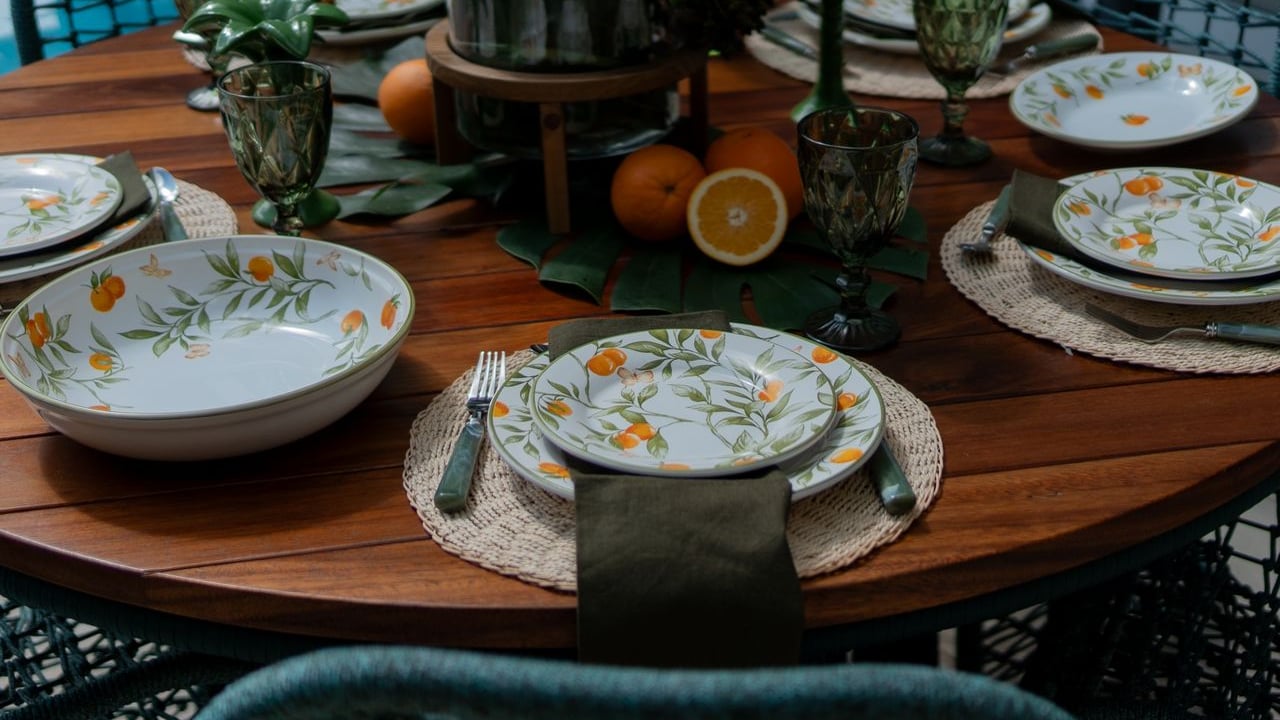
Cotton vs Microfiber: A Fabric-by-Fabric Breakdown; Photo Credit: Pexels
8. Seasonal Versatility: One Sheet, Many Months
Cotton sheets adapt well across seasons. They feel cool during summer and provide gentle warmth during cooler months when paired with light blankets. This versatility reduces the need for multiple sheet sets.
Microfiber performs best in controlled climates or cooler seasons. During peak summer, it often feels too warm. As a result, many households rotate microfiber sheets out once temperatures rise.
Versatility saves storage space and money. A dependable cotton sheet becomes a year-round companion, while microfiber feels more like a seasonal guest.
9. Price and Perceived Value
Microfiber sheets usually cost less upfront. Sets often start around ₹700, making them accessible and attractive for first-time buyers or guest rooms. Cotton sheets range higher, with good-quality options starting near ₹1,500.
Yet value goes beyond price tags. Cotton's longevity, comfort, and breathability often justify the extra spend. Over time, fewer replacements mean better overall value.
Budget-friendly does not always mean cost-effective. Investing in sleep quality pays dividends in energy, mood, and health. When weighed carefully, cotton often emerges as the smarter long-term choice.
10. Real-Life Sleep Experience: What Truly Matters
Beyond technical comparisons, real sleep experience matters most. Cotton sheets feel reassuringly cool at midnight and still comfortable at dawn. They handle heat, humidity, and movement without complaint.
Microfiber suits certain lifestyles, air-conditioned bedrooms, short-term use, or low-maintenance needs. Yet, for those battling warm nights and unpredictable weather, cotton consistently delivers better rest.
Sleep shapes daily life. Better sheets lead to better mornings, sharper focus, and improved well-being. Choosing fabric becomes less about trends and more about listening to the body's needs.
Products Related To This Article
1. SEJ by Nisha Gupta White Floral Pure Cotton 180 TC King Fine Bedsheet with 2 Pillow Covers
2. Story@home Off White Floral 300 TC King Bedsheet with 2 Pillow Covers
3. Sangria White & Peach Printed 210 TC Double Bedsheet With 2 Pillow Covers
4. URBAN SPACE Tea Leaves White Printed Microfiber 200 Tc Queen Bedsheet Set In A Gift Box
5. MYTRIDENT Beige Floral Pure Cotton 144 TC Queen Bedsheet with 2 Pillow Covers
6. URBAN SPACE Bloomingdale Cream Printed Microfiber 200 Tc Queen Bedsheet Set In A Gift Box
7. KLOTTHE White Floral Cotton 300 TC Fitted King Fine Bedsheet with 2 Pillow Covers
When it comes to staying cool and breathable, cotton and microfiber are not equals. Microfiber offers convenience, affordability, and a polished look. Cotton brings airflow, moisture control, and enduring comfort.
For households facing long summers and humid nights, cotton stands out as the clear winner. Its natural breathability, skin-friendly texture, and temperature regulation make it a trusted companion for restful sleep. Microfiber has its place, but cotton earns its reputation night after night.
Choosing bedsheets may seem like a small decision, yet it shapes daily comfort in powerful ways. A cooler, breathable fabric transforms sleep from a struggle into a sanctuary. In that quiet contest between cotton and microfiber, nature still knows best.
(Disclaimer: This article may include references to or features of products and services made available through affiliate marketing campaigns. NDTV Convergence Limited (“NDTV”) strives to maintain editorial independence while participating in such campaigns. NDTV does not assume responsibility for the performance or claims of any featured products or services.)










![Steam Iron Teflon Shoe Cover for ES-300,ST-96 [Only For ES-300 and ST-96 Model Electric Steam Irons]](https://m.media-amazon.com/images/I/51wwkttondL._SL160_.jpg)