Why Cushion Fillings Lose Shape Faster Than Cushion Covers
Cushion covers often stay vibrant while the filling flattens quickly. This article explains why inner materials fail sooner than fabrics, and how usage, climate and design choices speed up shape loss.
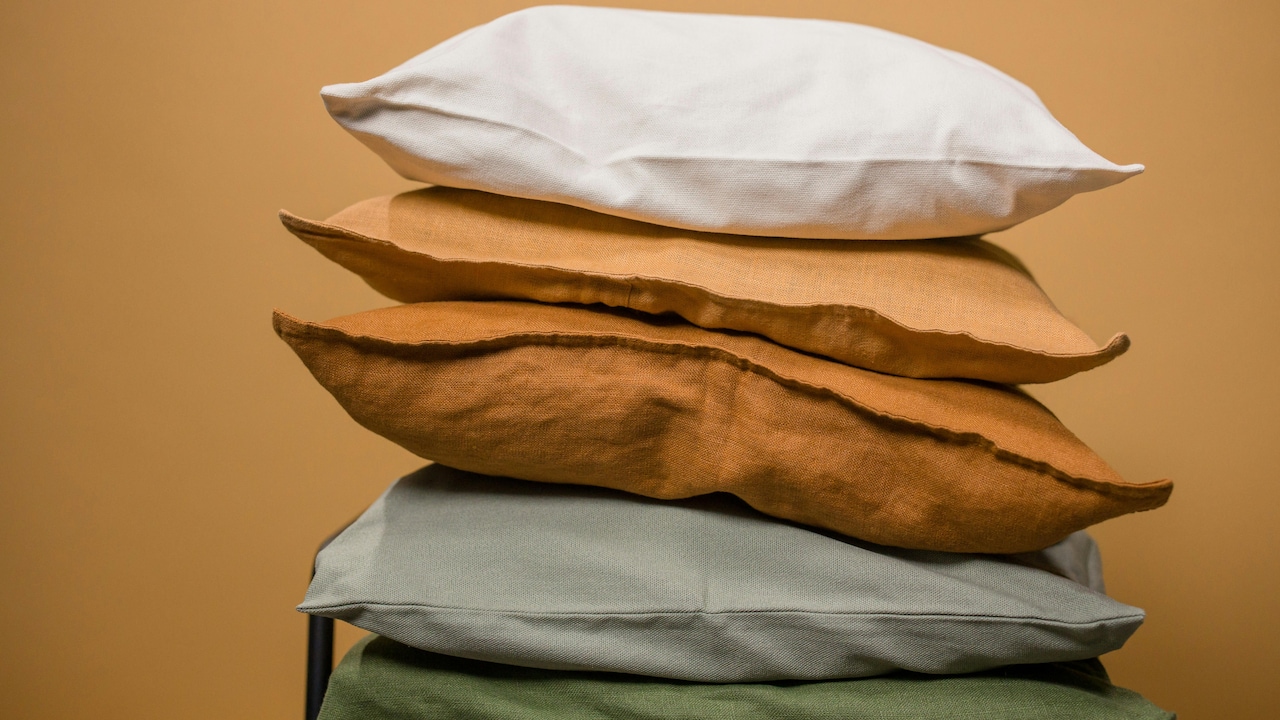
Why Cushions Lose Shape Long Before Their Covers Fade In Living Rooms.
Cushions play a quiet but vital role in homes. They support tired backs, cradle elbows during long chats, and add warmth to sofas that feel bare without them. A glance often suggests everything looks fine. Colours stay bright. Patterns remain crisp. Yet the moment someone sits down, the truth appears. The cushion sinks, refuses to bounce back, or leans awkwardly to one side.
This contrast feels puzzling. Fabric faces sunlight, dust, and spills. Filling hides safely inside. Logic suggests the cover should suffer first. Reality tells a different story. Shape loss arrives early, while covers carry on with confidence.
The reasons sit at the crossroads of materials, usage, and climate. Daily routines, festive crowds, afternoon naps, and even how cushions get plumped all leave their mark. Add humidity, heat, and cost-driven choices, and the story becomes clearer.
Understanding this imbalance helps households choose better cushions, care for them wisely, and avoid frequent replacements that pinch the wallet. After all, no one enjoys spending ₹2,500 on a cushion that looks tired within months. Let's unpack the reasons behind this familiar frustration.
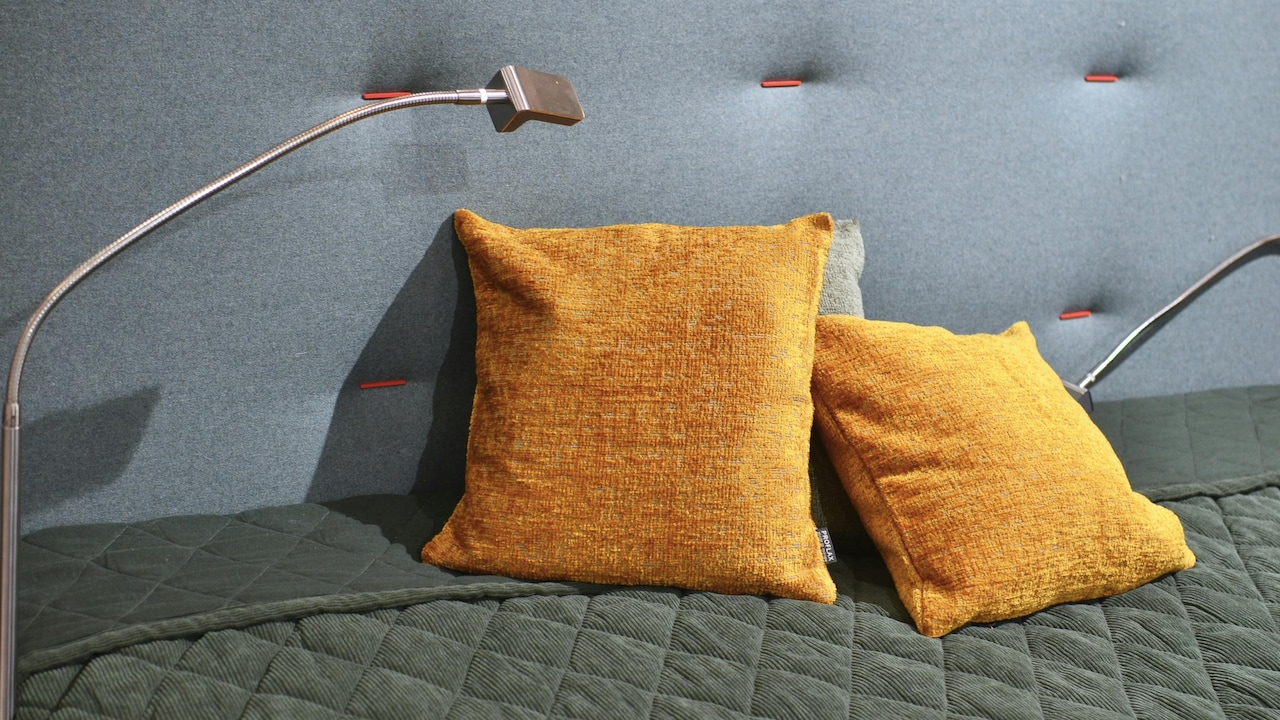
Why Cushions Lose Shape Before Covers Fade; Photo Credit: Pexels
What Is Really Going On Inside Your Cushions
1. The Filling Takes the First Hit
Cushion covers act like armour. They face the world and protect what sits inside. The filling, however, absorbs every ounce of pressure. Each time someone sits, leans, or stretches out, the fibres compress. Over time, this repeated stress breaks their resilience.
Foam, polyester fibre, and low-grade blends flatten fastest. They lack memory and struggle to regain shape after use. Natural fillings like cotton also compress quickly, especially in warm conditions. The cover stays untouched by this internal collapse. Fabric does not bear body weight, so it keeps its structure far longer.
Think of a busy living room during festival season. Guests rotate through seats all evening. The cushion filling never gets a break. By the end of the night, it feels limp. The cover still shines, fresh from a recent wash. The imbalance feels unfair, yet physics plays by its own rules.
Shape depends on internal strength. When that strength weakens, the cover can only disguise the problem for so long.
2. Fabric Technology Has Raced Ahead
Textile innovation has moved fast. Modern cushion covers use colourfast dyes, tight weaves, and blended fibres that resist fading. Many fabrics shrug off sunlight, spills, and repeated washing with ease.
Filling technology has not kept pace at the same level. Manufacturers often cut costs here because the inside stays hidden. A cushion priced at ₹1,800 may boast a premium-looking cover, while hiding a basic filling that loses bounce within months.
This mismatch creates the illusion of durability. Shoppers judge cushions by touch and appearance, not by unseen quality. The result shows up later, when the cover still looks showroom-ready, but the cushion slumps like a tired commuter after a long day.
The industry knows this gap well. Covers sell cushions. Fillings sell only when comfort fails. Until buyers demand better interiors, this imbalance will continue to play out on sofas across homes.
Also Read: Top 7 Cushion Cover Designs To Transform Your Living Room Decor
3. Climate Speeds Up Compression
Heat and humidity influence cushion fillings more than covers. Warm air softens foam and weakens fibres. Humidity adds moisture that reduces resilience, especially in cotton and polyester blends.
In coastal regions or cities with long summers, cushions work under stress year-round. Fillings compress faster and recover slower. Covers handle climate better, especially when made from synthetic blends designed for varied conditions.
A cushion near a window may show no fading for years. Yet the filling inside feels lifeless within one season. Afternoon heat, combined with regular use, accelerates the breakdown.
This explains why a cushion bought during the festive sales feels tired by the next summer, even though its colours remain lively. Climate works quietly, and the filling always feels its effects first.
4. Sitting Habits Shape the Outcome
Cushions rarely receive equal treatment. Favourite spots exist on every sofa. One corner hosts evening tea. Another supports weekend naps. The same cushion gets chosen again and again.
Repeated pressure in the same areas causes uneven compression. Fillings shift, clump, or flatten permanently. Covers stretch slightly but recover easily. Fabric elasticity hides the damage underneath.
Over time, cushions develop personality. One feels firm. Another sinks too deep. The cover pattern still lines up neatly, creating false hope.
Rotating cushions helps, yet few households remember to do this regularly. Daily habits shape cushion life more than any care label. The filling remembers every moment, even when the cover forgets.
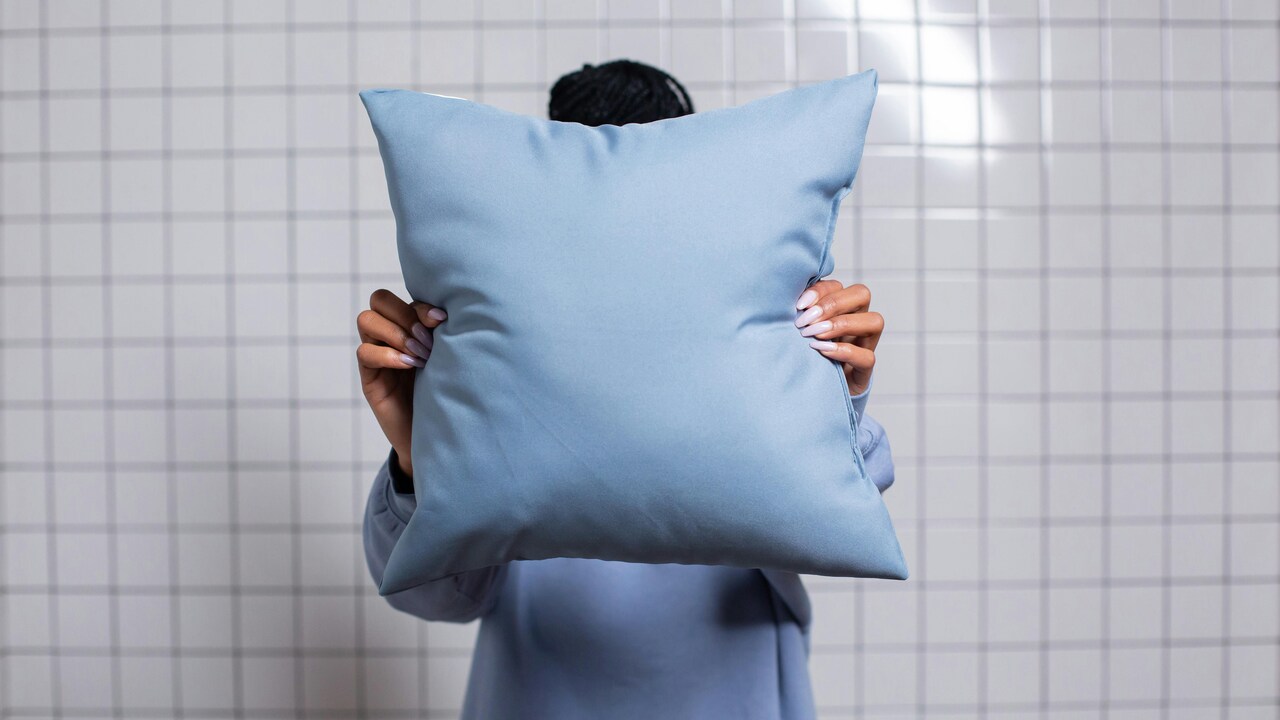
Why Cushions Lose Shape Before Covers Fade; Photo Credit: Pexels
5. Plumping Does Less Than Expected
A good shake feels satisfying. Cushions look fuller after a quick plump. This ritual gives a sense of care and renewal.
In reality, plumping redistributes filling rather than restoring it. Once fibres break down, no amount of shaking can rebuild their structure. Foam cells collapse permanently. Polyester fibres lose their spring.
The cover responds well to plumping. Seams sit straighter. Corners look crisp. This visual improvement masks the deeper issue. The cushion feels fine for a short while, then sinks again.
Plumping works best as prevention, not a cure. Early and gentle fluffing slows uneven wear. Late-stage plumping only delays the inevitable. The cover plays along, while the filling quietly gives up.
6. Wash Care Favours the Cover
Covers often come with clear wash instructions. Many survive machine washes, gentle cycles, and mild detergents. Colours stay bright. Fabric remains smooth.
Fillings rarely enjoy the same care. Many cannot be washed properly at home. Moisture damages foam and clumps fibres. Sun drying helps cover but harms fillings when heat builds up.
As a result, covers get cleaned and refreshed, while fillings age without attention. Dust and moisture accumulate inside. Resilience drops further.
This uneven care widens the gap between appearance and comfort. The cushion looks fresh after a wash, yet feels worse than before. The cover thrives. The filling suffers.
7. Design Prioritises Style Over Structure
Modern cushions focus heavily on design. Bold prints, textured fabrics, and trendy colours dominate showrooms. Fillings receive less attention during design discussions.
Slim profiles and soft silhouettes appeal visually. They require less filling, which reduces cost and weight. Comfort and longevity take a back seat.
This approach suits short-term style updates. It fails for daily use. Within months, the filling lacks support. The cover still looks fashionable.
Homes that treat cushions as functional items notice this flaw quickly. Decorative cushions escape some wear, yet even they flatten when used occasionally. Style sells. Structure pays the price.
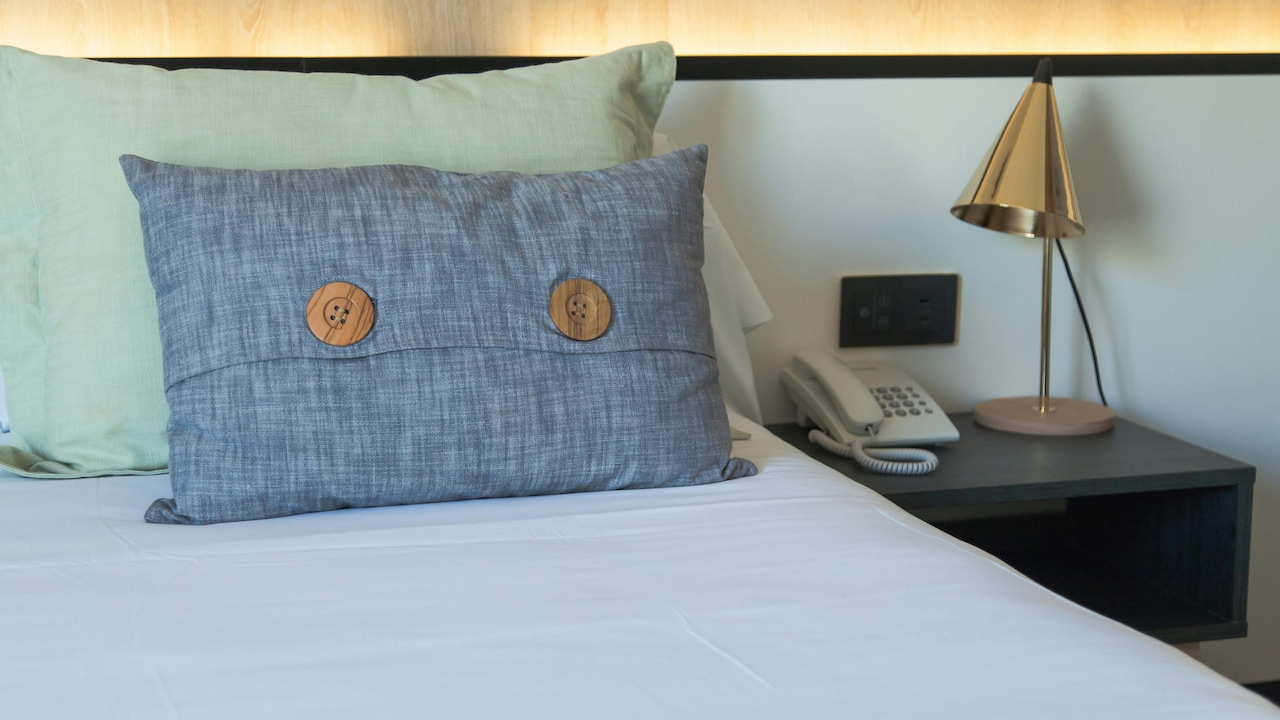
Why Cushions Lose Shape Before Covers Fade; Photo Credit: Pexels
8. Weight Distribution Works Against Fillings
Human weight does not spread evenly. Elbows dig in. Backs lean. Heads rest in specific spots. This concentrated pressure damages the filling quickly.
Covers distribute surface tension more evenly. Fabric stretches and relaxes without breaking down. Fillings face focused stress that breaks fibres at key points.
Over time, these pressure zones turn into permanent dents. The cushion tilts or folds awkwardly. The cover adapts and hides the dents visually.
This mismatch creates a strange experience. The cushion looks fine until someone sits down. Then the problem reveals itself. The filling tells the truth. The cover keeps smiling.
9. Cost Choices Shape Lifespan
Budget plays a major role in cushion quality. Manufacturers allocate funds where buyers notice first. Covers get premium fabrics. Fillings get economical options.
A cushion priced at ₹1,200 cannot offer high-grade foam or feather blends. Yet the cover may feature rich colours and sturdy stitching. This creates a strong first impression.
Over time, the hidden compromise shows. The filling compresses rapidly. Replacing the entire cushion feels wasteful when the cover still looks new.
Investing slightly more upfront often saves money later. A cushion with a ₹3,000 price tag and quality filling outlasts two cheaper ones. The cover and filling age together, as they should.
10. Time Always Targets the Inside First
Time affects everything, yet it chooses its targets carefully. Cushion fillings age through use, heat, and compression. Covers age through light and washing. In most homes, use outweighs exposure.
A sofa cushion supports daily life. Children sprawl with homework. Adults unwind after work. Guests gather during celebrations. The filling bears this timeline closely.
The cover witnesses these moments without carrying their weight. It fades slowly, if at all. The filling absorbs every memory.
This explains the familiar sight of a cushion that looks young but feels old. Time has already done its work inside. The outside still waits its turn.
Products Related To This Article
1. Recron Certified White Set of 5 Fibre Filled Polyester Lightweight Cushions
2. SKANDA FAB Brown 2 Pieces Pure Cotton Rectangle Sofa Cushions
3. JDX Set of 5 Blue Microfiber Square Sofa Cushions
4. Chumbak Sea Green & Orange-Colored Printed Serenade Cushion
5. STYBUZZ Kids Set Of 3 Cute Cloud Moon Star Crib Cushions
Cushions lose shape before covers fade because they live two very different lives. The filling carries weight, heat, moisture, and habit. The cover faces light, dust, and the occasional wash. Modern cushion design and cost choices widen this divide, creating cushions that age unevenly.
Understanding this reality helps households make smarter decisions. Better fillings, regular rotation, mindful use, and realistic expectations extend cushion life. A fresh cover cannot fix a tired interior, yet a strong filling keeps comfort alive long after colours settle.
The next time a cushion sinks too easily, the answer lies beneath the fabric. The cover has not lied. It has simply outlasted the part that works the hardest.
(Disclaimer: This article may include references to or features of products and services made available through affiliate marketing campaigns. NDTV Convergence Limited (“NDTV”) strives to maintain editorial independence while participating in such campaigns. NDTV does not assume responsibility for the performance or claims of any featured products or services.)







![Steam Iron Teflon Shoe Cover for ES-300,ST-96 [Only For ES-300 and ST-96 Model Electric Steam Irons]](https://m.media-amazon.com/images/I/51wwkttondL._SL160_.jpg)