Eliminate Blind Spots In Your Security Lighting By Following These Expert Tips
Poorly planned lighting creates risky blind spots around your home. Discover simple, expert-backed ways to improve visibility, enhance safety, and ensure every corner stays well-lit and secure.
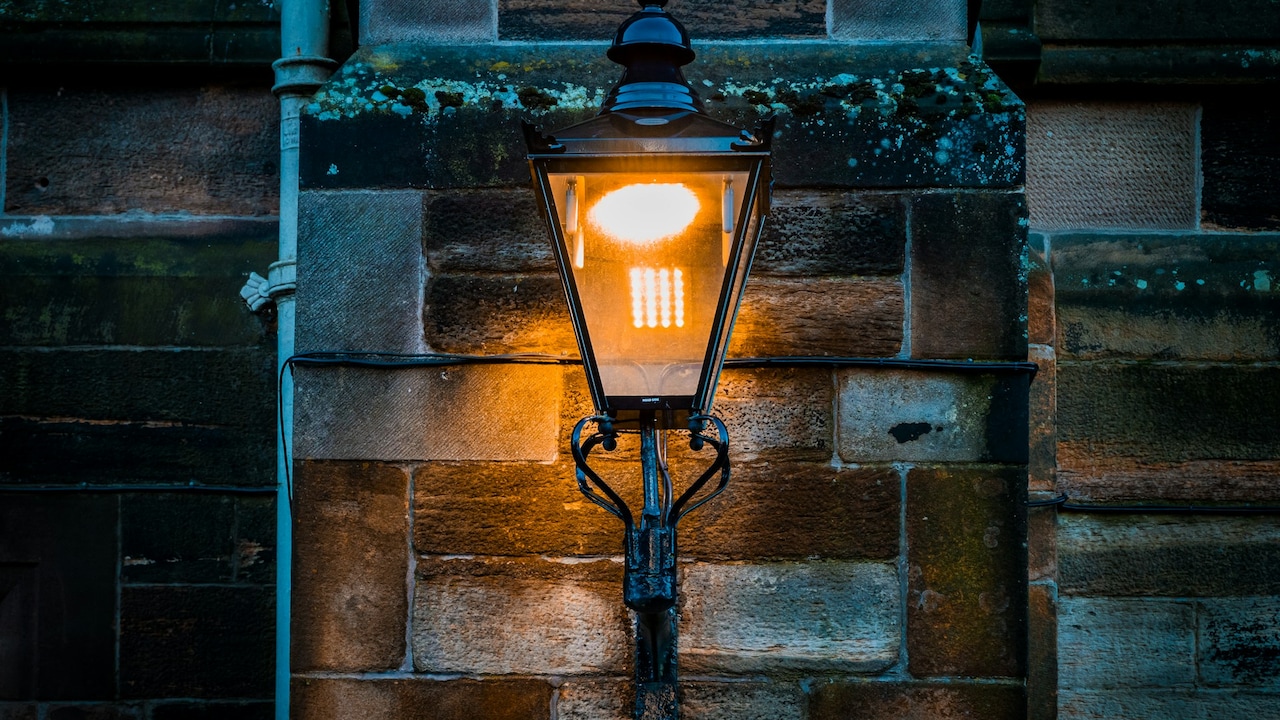
Best ways to install security lights and avoid blind spots
Step outside after sunset and notice how shadows behave. They stretch, gather, and sometimes hide more than they should. In many homes and neighbourhoods, lighting gets installed with good intentions but poor planning. A bright bulb near the front door may shine brilliantly, yet the side alley remains dim and forgotten. That small oversight often becomes the weakest link.
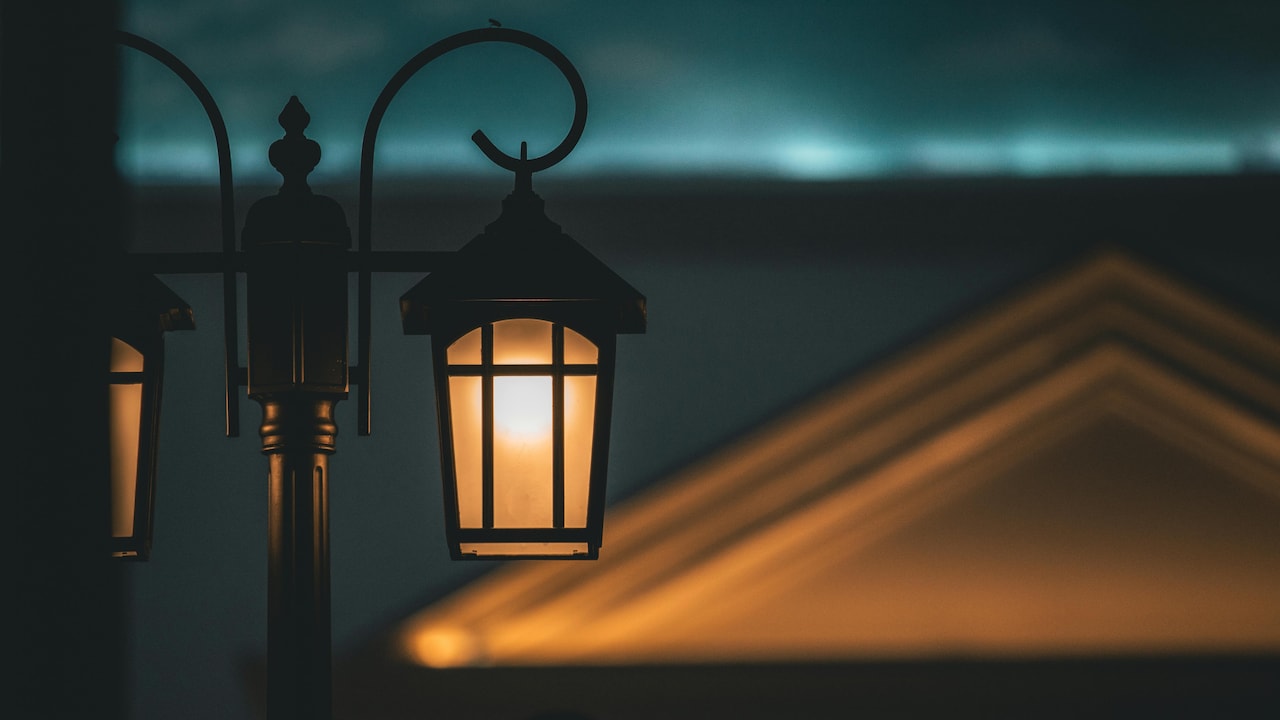
Tips to eliminate blind spots in lighting; Photo Credit: Pexels
Security lighting does not need to feel harsh or clinical. It can blend comfort with caution. A well-lit entrance greets guests warmly, while also signalling that the space is well-watched and cared for. Think of it as a quiet guardian, always present, never intrusive.
Electricity costs, unpredictable weather, and busy routines make it tempting to settle for quick fixes. However, thoughtful placement and the right choices can prevent wasted energy and unnecessary expenses. A few smart adjustments, often costing less than ₹2,000, can significantly improve safety.
The aim is simple: remove blind spots and create clarity. With the following expert tips, lighting stops being an afterthought and becomes a reliable layer of protection.
Also Read: 5 Best Wall Lamps Under ₹500: Why Placement Matters More Than Price
Expert Tips To Eliminate Blind Spots In Your Security Lighting
Map Your Property Like A Security Expert
Most people install lights where it feels obvious, near doors, gates, or balconies. However, security experts begin with a simple exercise: mapping the property at night. Walk around after sunset and observe where darkness lingers. Corners behind water tanks, narrow pathways, or areas near parked vehicles often remain overlooked.
This approach feels surprisingly revealing. A seemingly bright compound can still hide shadow pockets. Even a small gap between two light sources can create a blind spot large enough for someone to linger unnoticed.
Sketching a rough layout helps. It does not require technical precision; even a hand-drawn map on a notepad works. Mark entrances, windows, and pathways. Then identify areas where visibility drops. This process turns guesswork into strategy.
In many residential buildings, residents pool ₹500 to ₹1,000 each to upgrade shared lighting after such assessments. The improvement feels immediate and reassuring. With proper mapping, every light installed serves a purpose instead of merely adding brightness.
Layer Lighting Instead Of Relying On One Source
A single powerful floodlight may seem like a solution, but it often creates harsh contrasts. Bright areas become blinding, while adjacent spaces remain dim. This imbalance actually increases blind spots rather than eliminating them.
Layered lighting works better. Combine ambient lights for general illumination, task lights for specific areas like staircases, and accent lights for edges or boundaries. This approach ensures a smooth transition between light and shadow.
Picture a garden pathway. Instead of one bright bulb at the entrance, placing smaller lights along the path creates consistent visibility. The space feels safer and more inviting.
Layering also reduces glare. When eyes adjust comfortably, spotting movement becomes easier. It also adds a subtle aesthetic charm. Guests notice the ambience, while residents benefit from improved security.
The initial investment might rise slightly, perhaps ₹2,000 to ₹5,000, depending on the setup. Yet the long-term benefit far outweighs the cost. Balanced lighting turns every corner into a visible, secure zone.
Position Lights At The Right Height And Angle
Height plays a crucial role in lighting effectiveness. Install lights too high, and they spread weak illumination. Place them too low, and they create harsh shadows. The ideal position strikes a balance.
Experts often recommend mounting lights around 8 to 12 feet above ground. This height allows wide coverage without causing glare. Angling the light downward further enhances visibility.
Consider a driveway. A light fixed directly above may leave the sides dim. Tilting it slightly ensures that both the ground and the surrounding areas receive equal attention.
Incorrect angles can also shine directly into windows or eyes, causing discomfort. A simple adjustment can prevent this issue. It is surprising how a small tweak can transform the effectiveness of a light.
Taking time to test angles during installation makes a noticeable difference. It turns an ordinary setup into a thoughtful, efficient system that covers more ground without wasting energy.
Use Motion Sensors For Smart Coverage
Motion sensor lights bring both efficiency and surprise. They remain off when not needed and activate instantly when movement occurs. This sudden illumination often deters unwanted activity.
These lights work well in less frequently used areas such as backyards, terraces, or storage spaces. Instead of leaving lights on all night, sensors ensure illumination only when necessary.
Modern options come at affordable prices, often starting around ₹800. Installation remains straightforward, and maintenance requires minimal effort.
There is also a psychological advantage. Sudden light attracts attention and signals that the area is being monitored. Even stray animals tend to avoid such spaces.
Adjusting sensitivity helps avoid false triggers caused by wind or small movements. With proper settings, motion sensors strike a perfect balance between responsiveness and reliability.
Smart lighting does not always mean expensive technology. Sometimes, a simple sensor does the job brilliantly.
Choose The Right Brightness And Colour Temperature
Not all lights serve the same purpose. Brightness, measured in lumens, determines how much light a fixture emits. Too dim, and visibility suffers. Too bright, and it becomes uncomfortable.
For outdoor security, lights between 700 to 1,300 lumens usually work well for most residential areas. Larger spaces may require stronger options.
Colour temperature also matters. Cool white light, around 4000K to 6000K, enhances clarity and visibility. It helps distinguish shapes and movements better than warm yellow tones.
That said, a mix can create balance. Warm lighting near entrances adds a welcoming feel, while cooler lights handle security zones.
Choosing wisely avoids unnecessary expenses. Spending ₹1,500 on the right light proves more effective than ₹3,000 on unsuitable ones. The goal lies in clarity, not just brightness.
When light feels comfortable yet sharp, it performs its role without causing strain. That balance makes all the difference.
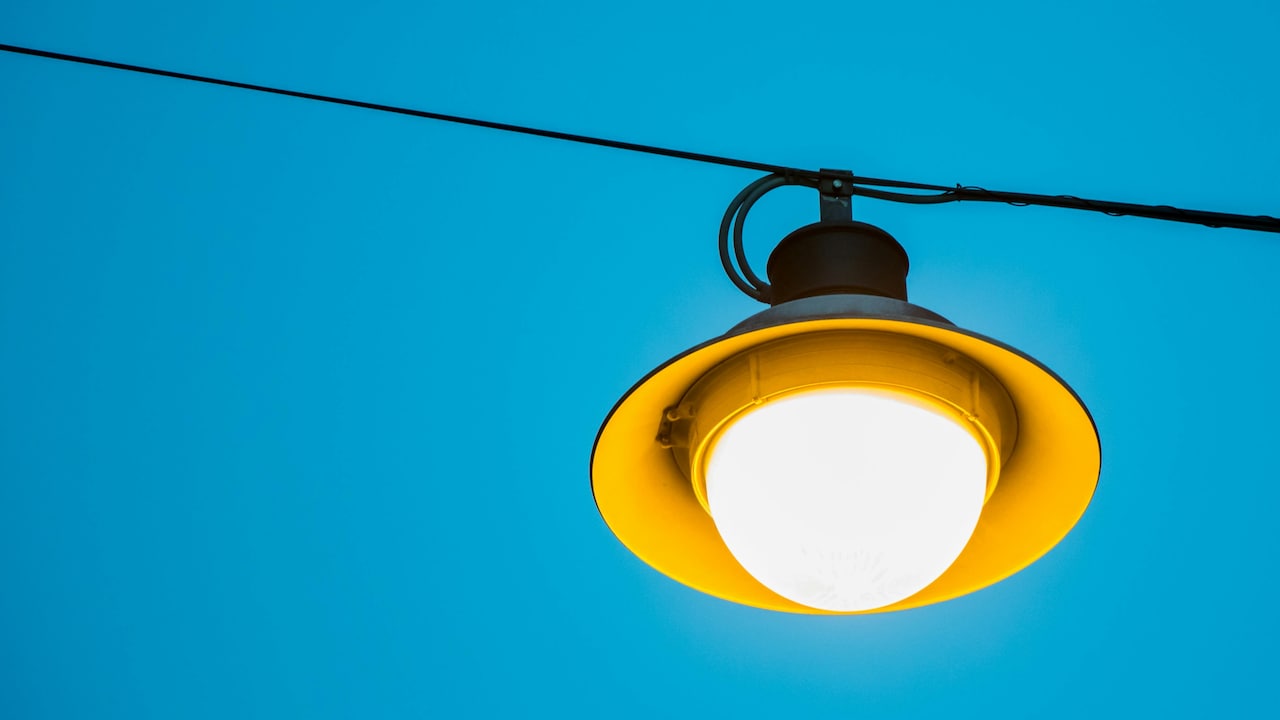
Consider brightness and temperature levels before choosing lights; Photo Credit: Pexels
Eliminate Obstructions That Create Hidden Shadows
Even the best lighting fails when obstacles interfere. Overgrown plants, stacked boxes, or decorative structures can block light paths. These obstructions quietly create blind spots.
Regular maintenance solves this issue. Trimming plants, rearranging items, and clearing clutter ensure light reaches every corner. It also keeps the area tidy and functional.
Balconies and terraces often face this problem. A single potted plant placed carelessly can cast a large shadow at night. Adjusting its position instantly improves visibility.
Shops and small businesses sometimes store items near entrances, unintentionally blocking light. A quick rearrangement enhances both safety and presentation.
This step costs nothing yet delivers immediate results. It serves as a reminder that effective lighting involves more than installation. It requires awareness and upkeep.
A clear path for light ensures that every beam performs its duty without interruption.
Invest In Weather-Resistant Fixtures
Outdoor lights face constant exposure to rain, dust, and heat. Poor-quality fixtures may fail quickly, leaving areas in darkness when they are needed most.
Weather-resistant lights offer durability. Look for fixtures with proper IP ratings, which indicate protection against water and dust. An IP65 rating, for instance, works well for most outdoor conditions.
While these options may cost slightly more, often around ₹1,200 to ₹3,000, they save money over time by reducing replacements and repairs.
Reliable lighting ensures consistency. Sudden failures during heavy rain or storms can create unexpected risks.
Choosing sturdy materials also adds peace of mind. It eliminates the need for frequent checks and maintenance.
Durability may not feel exciting, but it forms the backbone of effective security lighting. A system that works consistently proves far more valuable than one that looks impressive but fails under pressure.
Integrate Timers And Smart Controls
Timers and smart controls bring convenience and efficiency together. Lights can switch on and off automatically based on time or conditions.
This feature proves especially useful during travel or busy schedules. A home that lights up at regular intervals appears occupied, reducing vulnerability.
Smart systems allow control through mobile apps. Adjusting settings becomes easy, even from a distance. While advanced setups may cost ₹3,000 or more, basic timers start at around ₹500.
Automation also helps manage electricity consumption. Lights do not remain on unnecessarily, reducing bills without compromising safety.
The convenience feels subtle yet powerful. It removes the need for constant attention while ensuring consistent coverage.
In a fast-paced routine, such solutions offer reliability without extra effort. Lighting becomes smarter, not just brighter.
Focus On Entry Points And Transition Areas
Entrances, gates, and pathways deserve special attention. These areas see the most movement and require clear visibility.
Lighting these zones properly ensures that anyone approaching or leaving remains visible. It also helps residents move safely without stumbling in the dark.
Transition areas, such as the space between a gate and the front door, often get neglected. Yet they play a crucial role in security.
Adding focused lighting here creates a seamless flow. It eliminates sudden dark patches and improves overall safety.
A well-lit entrance also creates a welcoming impression. Visitors feel comfortable, and residents feel secure.
Investing ₹1,000 to ₹2,000 in improving these areas can significantly enhance both safety and aesthetics. It proves that thoughtful placement matters more than sheer brightness.
Regularly Review And Upgrade Your Setup
Security needs change over time. New structures, additional plants, or altered layouts can affect lighting effectiveness.
Periodic reviews help identify new blind spots. Walking around the property every few months ensures nothing gets overlooked.
Technology also evolves. Upgrading to energy-efficient LED lights or adding new features can improve performance without increasing costs.
Many households gradually enhance their systems instead of making large investments at once. Spending ₹500 here and ₹1,000 there over time builds a robust setup.
This approach feels manageable and practical. It keeps lighting relevant and effective.
Consistency matters more than perfection. A system that adapts remains reliable, ensuring safety stays intact.
Products Related To This Article
1. 400W Garden Halogen FLOODLIGHT Security Light with Motion PIR Sensor Outdoor
2. 280 LED Solar Lights Outdoor
3. 180W LED Solar Street Light Outdoor 10000LM
4. Crompton Gleam Neo LED Flood Light 50W Cool Day Light
5. PHILIPS Solar Security Light Outdoor Light 302 LEDs 1200lm
Security lighting often begins as a simple necessity but grows into a vital part of everyday safety. It shapes how spaces feel after sunset, either inviting and secure or uncertain and shadowed.
Eliminating blind spots does not demand complex solutions. It requires awareness, thoughtful planning, and a willingness to make small improvements. From mapping the property to choosing the right fixtures, each step adds clarity and confidence.
A well-lit space sends a clear message. It shows care, attention, and readiness. It deters risks quietly while enhancing comfort for those who live or work there.
The beauty of effective lighting lies in its simplicity. With modest investments and smart choices, even the darkest corners can transform into safe, welcoming areas. When light reaches every corner, peace of mind follows naturally.
(Disclaimer: This article may include references to or features of products and services made available through affiliate marketing campaigns. NDTV Convergence Limited (“NDTV”) strives to maintain editorial independence while participating in such campaigns. NDTV does not assume responsibility for the performance or claims of any featured products or services.)








![Steam Iron Teflon Shoe Cover for ES-300,ST-96 [Only For ES-300 and ST-96 Model Electric Steam Irons]](https://m.media-amazon.com/images/I/51wwkttondL._SL160_.jpg)