10 Smart Ways To Declutter Your Home Without Throwing Things Away
Decluttering does not have to mean discarding memories or wasting money. With a little creativity and intention, every corner of a home can feel lighter, more organised, and full of purpose, without throwing things away.
10 Smart Ways To Declutter Your Home Without Throwing Anything Away
Homes have a way of quietly collecting stories. A chipped cup from a college hostel, a saree saved “just in case,” or the third mixer jar that somehow appeared during Diwali shopping, each item carries a memory or a moment of optimism. Yet, over time, these objects pile up and begin to crowd the space, making rooms feel smaller and minds a little heavier. Decluttering often feels like a harsh exercise. The idea of throwing things away can trigger guilt, especially when money has been spent or emotions are attached. In many households, the thought of discarding something still usable feels almost wasteful. But what if decluttering did not mean letting go completely? What if it simply meant giving things a better purpose, a better place, or a better story?
This approach shifts the entire mindset. Instead of asking, “What should go?” the question becomes, “How can this be used better?” That small change transforms decluttering into something far more creative and satisfying. The result is not just a cleaner home, but one that feels thoughtful, efficient, and quietly joyful.
10 Smart Ways To Declutter Your Home Without Throwing Things Away
Photo Credit: Amazon
Simple Shifts That Make A Big Difference
Reimagine Everyday Items With A New Purpose
A home often hides unused potential in plain sight. That old steel dabba pushed to the back of a shelf can become a chic planter for a balcony herb garden. Glass jars that once held pickles or jams can store spices, stationery, or even fairy lights for a warm evening glow. The beauty lies in looking at familiar objects with fresh eyes.
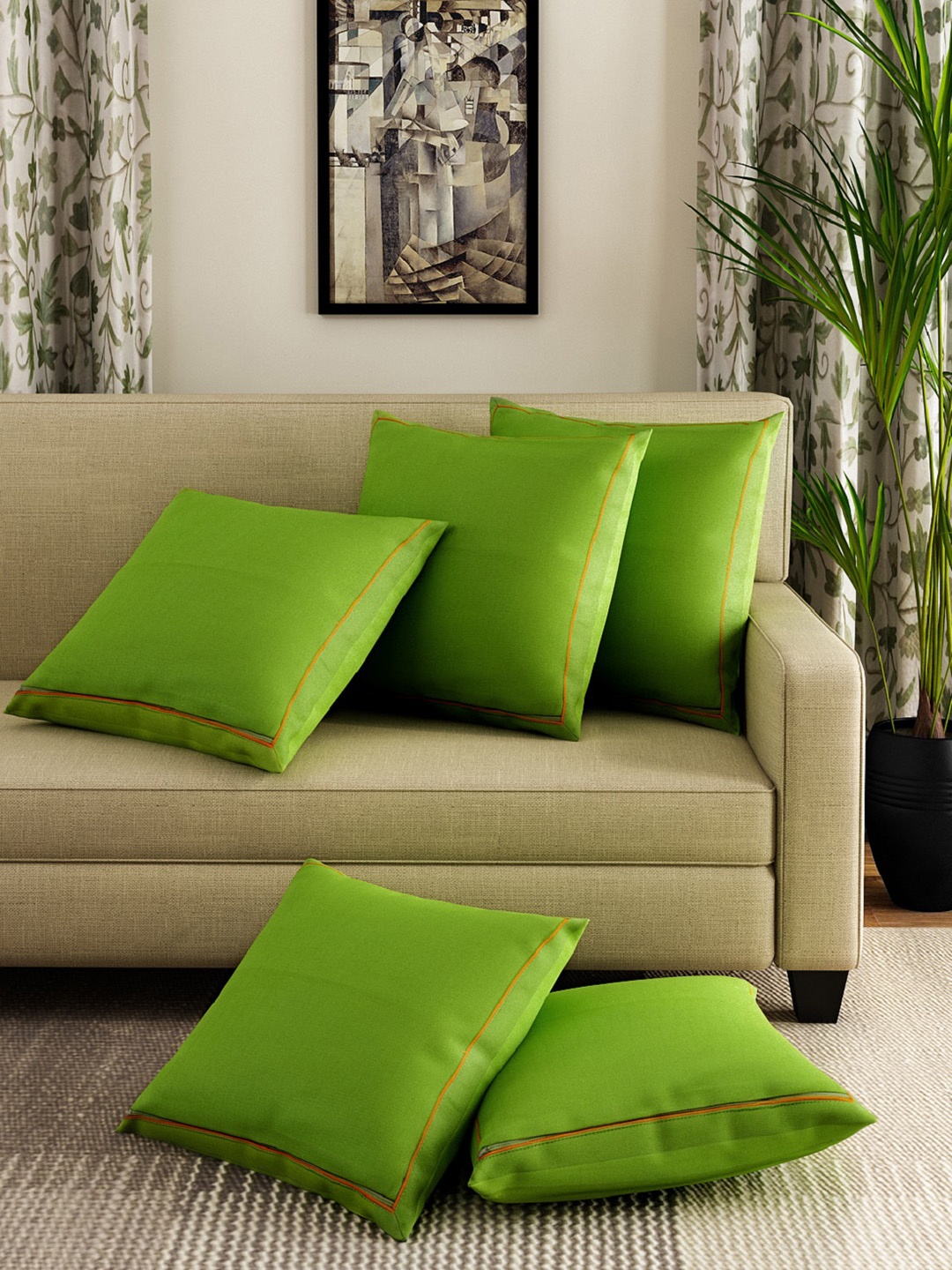
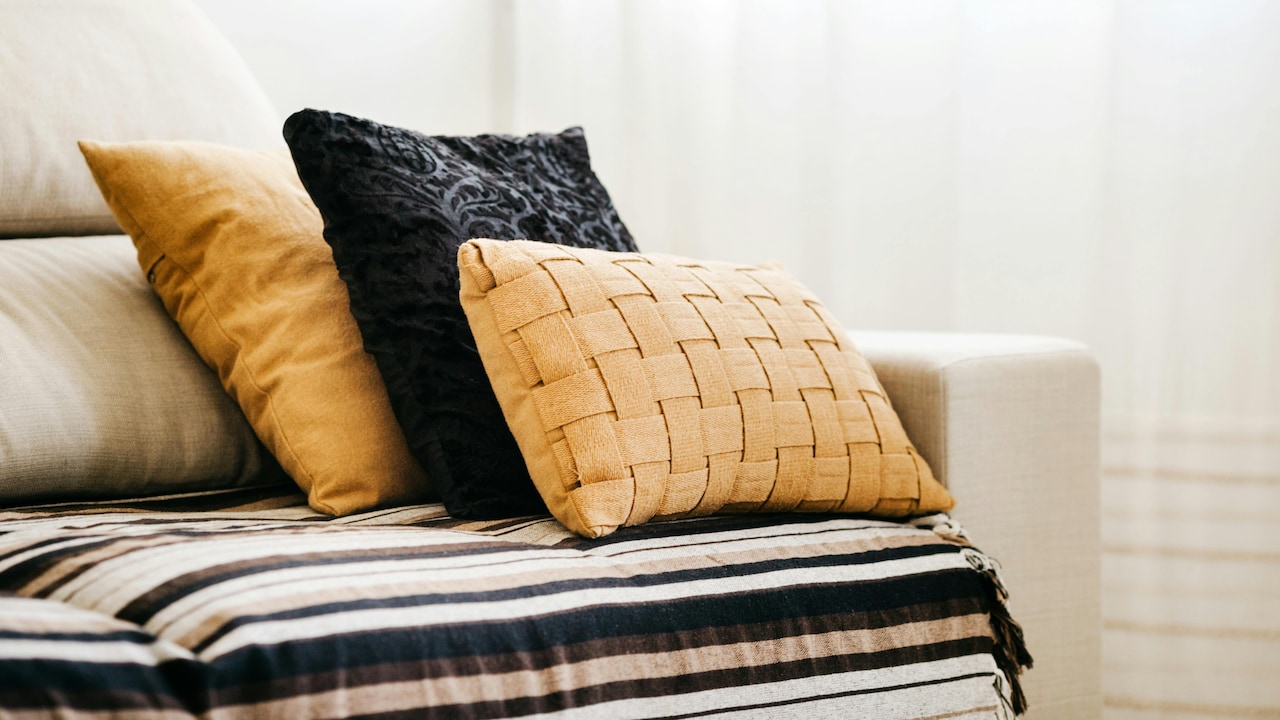
Reimagining items adds character to a home. A stack of unused dupattas can turn into colourful cushion covers or table runners. A cracked mug may no longer hold tea, but it can easily house pens or small indoor plants. This kind of transformation carries a quiet satisfaction, nothing wasted, everything valued.
There is also a subtle financial benefit. Instead of spending ₹500 on storage organisers or décor, existing items can do the job just as well. It becomes less about buying and more about creating. Over time, these small changes build a home that feels both resourceful and personal.
Rotate Instead Of Hoard
Many homes store far more than they use simply because everything is kept out at once. Clothes, kitchenware, and even decorative pieces compete for space, creating visual clutter. Rotation offers a simple fix without parting with anything.
Seasonal rotation works beautifully. Woollens can rest in storage during warmer months, while lighter fabrics take centre stage. The same logic applies to festive décor, extra crockery, or even books. When items are rotated, they feel new again when they return.
This approach also brings clarity. It becomes easier to see what is truly needed on a daily basis. Everything else gets a temporary pause rather than permanent removal. That psychological shift makes decluttering feel far less daunting and far more manageable.
Also Read: 7 Smart Home Organisers To Declutter Your Wardrobe And Save Space
Create Memory Boxes For Sentimental Items
Some items resist logic. Old greeting cards, school notebooks, or that slightly faded concert ticket, they hold stories that refuse to fade. Instead of scattering these pieces across drawers and shelves, gathering them into a dedicated memory box can bring both order and emotional comfort.
A neatly arranged memory box protects these keepsakes while keeping them out of everyday clutter. It also creates a small ritual. On a quiet afternoon, opening the box can feel like revisiting a scrapbook of life.
Limiting the size of the box helps maintain balance. When space runs out, choices become clearer, but never forced. The focus stays on preserving what truly matters while letting the rest gently fade into the background.
Repurpose Storage Spaces Creatively
Often, the issue is not the number of items but the way they are stored. Wardrobes overflow, kitchen shelves feel cramped, and yet certain corners remain underused. A shift in storage strategy can make a remarkable difference.
Suitcases tucked under beds can store off-season clothes. Hanging organisers behind doors can hold accessories or cleaning supplies. Even an old bookshelf can find new life in the kitchen for storing jars and containers.
Creative storage reduces visual chaos. When everything has a place, the home feels calmer. There is also a quiet efficiency in knowing exactly where things are. Time spent searching for misplaced items reduces, and daily routines flow more smoothly.
Turn Sharing Into A Habit
Decluttering does not always mean ownership must end; sometimes it simply means ownership can be shared. Books, tools, and even appliances often sit unused for weeks. Sharing these within a circle of friends or neighbours keeps them in use without taking up unnecessary space.
A drill machine, for example, rarely needs to belong to every household individually. Sharing it saves both space and money. The same applies to party décor, extra utensils, or even festive outfits.
This habit also strengthens community bonds. A simple exchange can turn into a conversation, a favour returned, or even a new friendship. Decluttering, in this sense, becomes less about space and more about connection.
Digitise What You Can
Paper clutter creeps in quietly, bills, documents, old photographs, and notebooks pile up before anyone notices. Digitising these items offers a modern solution without losing their essence.
Scanning important papers and saving them securely reduces physical bulk while keeping information accessible. Old photographs can be preserved digitally and even enhanced. Once digitised, these memories become easier to revisit and share.
This approach works especially well for documents that need to be kept but not frequently accessed. It clears shelves and drawers while ensuring nothing important is lost. The result is a lighter, more organised space with all essential information just a click away.
Adopt A ‘One In, One Out' Mindset
Clutter often builds not because of what exists, but because of what keeps coming in. Shopping habits, festive purchases, and occasional splurges gradually add to the pile. A simple rule can keep this in check.
Every time a new item enters the home, an existing one can be reassigned or repurposed. A new shirt might replace an older one that becomes sleepwear. A fresh set of containers may allow older ones to serve a different function.
This mindset encourages mindful consumption. Purchases become more intentional, and the home maintains a steady balance. Over time, this habit prevents clutter from returning, making decluttering a continuous, effortless process.
Transform Furniture Instead Of Replacing It
Furniture often takes up the most space, and replacing it can be expensive. However, a little creativity can breathe new life into old pieces. A wooden chair with a worn finish can look entirely new with a fresh coat of paint. An old table can become a study desk or even a stylish corner for plants.
These transformations add personality to a home. Instead of generic store-bought furniture, each piece carries a story. It also saves significant money; revamping a table for ₹800 feels far more satisfying than buying a new one for ₹8,000.
Such changes create a sense of renewal without the burden of waste. The home evolves while staying rooted in what already exists.
10 Smart Ways To Declutter Your Home Without Throwing Things Away
Photo Credit: Amazon
Organise By Zones, Not By Rooms
Traditional organisation focuses on rooms, but clutter rarely respects boundaries. Items often belong to activities rather than spaces. For instance, reading materials may be scattered across the bedroom, living room, and study area.
Organising by zones brings coherence. A reading zone gathers books, a comfortable chair, and good lighting in one place. A work zone keeps all office supplies together. This method reduces duplication and confusion.
It also makes daily life more efficient. Instead of searching across multiple rooms, everything needed for an activity stays within reach. The home begins to function with quiet logic, making it feel both spacious and purposeful.
Celebrate Small Wins Along The Way
Decluttering can feel overwhelming when viewed as a single large task. Breaking it into smaller, manageable steps makes the process far more enjoyable. Clearing one drawer, one shelf, or one corner at a time creates visible progress.
Celebrating these small wins builds momentum. A neatly organised kitchen shelf or a tidy wardrobe section brings immediate satisfaction. It becomes easier to continue when results are visible.
Adding a touch of reward helps, too. Perhaps a cup of masala chai after finishing a section or a quiet evening spent enjoying the newly organised space. These moments turn decluttering into a positive experience rather than a chore.
Products Related To This Article
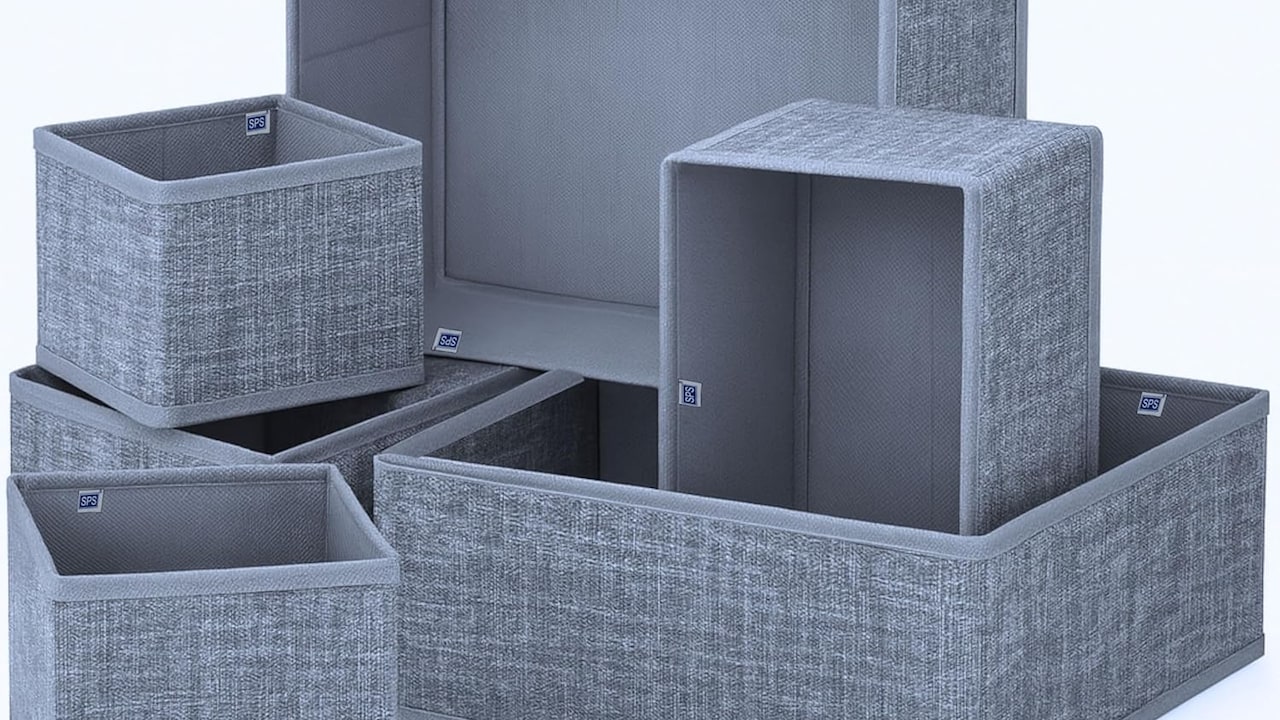
1. Zuku Storage Box Basket for Storage Plastic Organiser for Storage Bathroom Storage Box Small Plastic Organiser Bathroom Basket Boxes for Toys,Cosmetic
2. PulGos ???????????????? ???????????????????????????????? Drawer Organizer Box
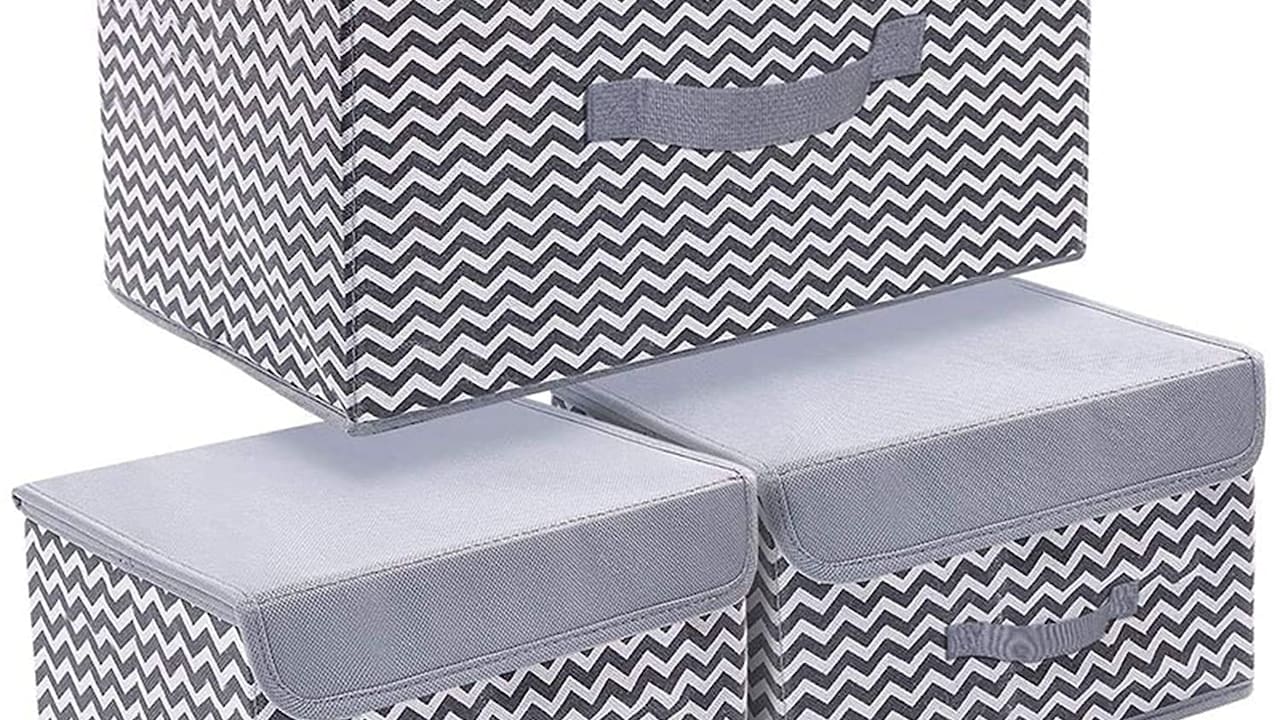
3. Skrill Non Woven 6-Piece Foldable Clothing Storage Box Set
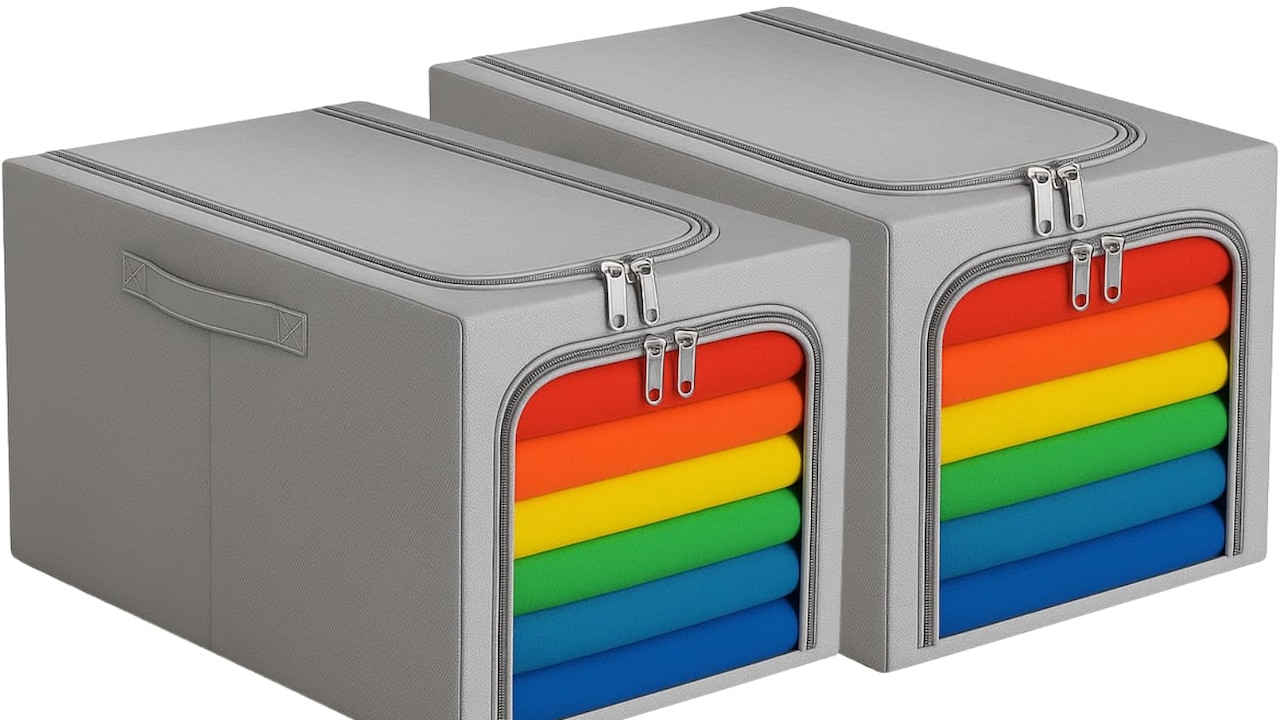
4. House of Quirk Foldable Storage Box
5. 4 Pcs Linen Wardrobe Organizer For Storage Cloth Organizer For Storage Box with Clear Window
Decluttering does not have to be about loss. It can be about rediscovery, creativity, and thoughtful living. When items are given new purposes, shared with others, or simply organised better, a home transforms without anything being wasted.
The shift lies in perspective. Instead of seeing clutter as a problem, it becomes an opportunity to rethink, to reuse, and to reconnect with what truly matters. A lighter home often leads to a lighter mind, where space is not just physical but emotional as well.
In the end, the goal is not perfection. It is comfort. A home that feels open, functional, and quietly joyful is far more valuable than one that is simply full. And sometimes, the smartest way to create that space is not by throwing things away, but by learning to use them better.
(Disclaimer: This article may include references to or features of products and services made available through affiliate marketing campaigns. NDTV Convergence Limited (“NDTV”) strives to maintain editorial independence while participating in such campaigns. NDTV does not assume responsibility for the performance or claims of any featured products or services.)







![Steam Iron Teflon Shoe Cover for ES-300,ST-96 [Only For ES-300 and ST-96 Model Electric Steam Irons]](https://m.media-amazon.com/images/I/51wwkttondL._SL160_.jpg)