Best Bed Sheet Buying Guide: Key Features That Improve Sleep Quality Instantly
Choosing the right bed sheet can improve sleep quality. From fabric and breathability to fit and durability, discover the key features that make a real difference to comfort and rest.
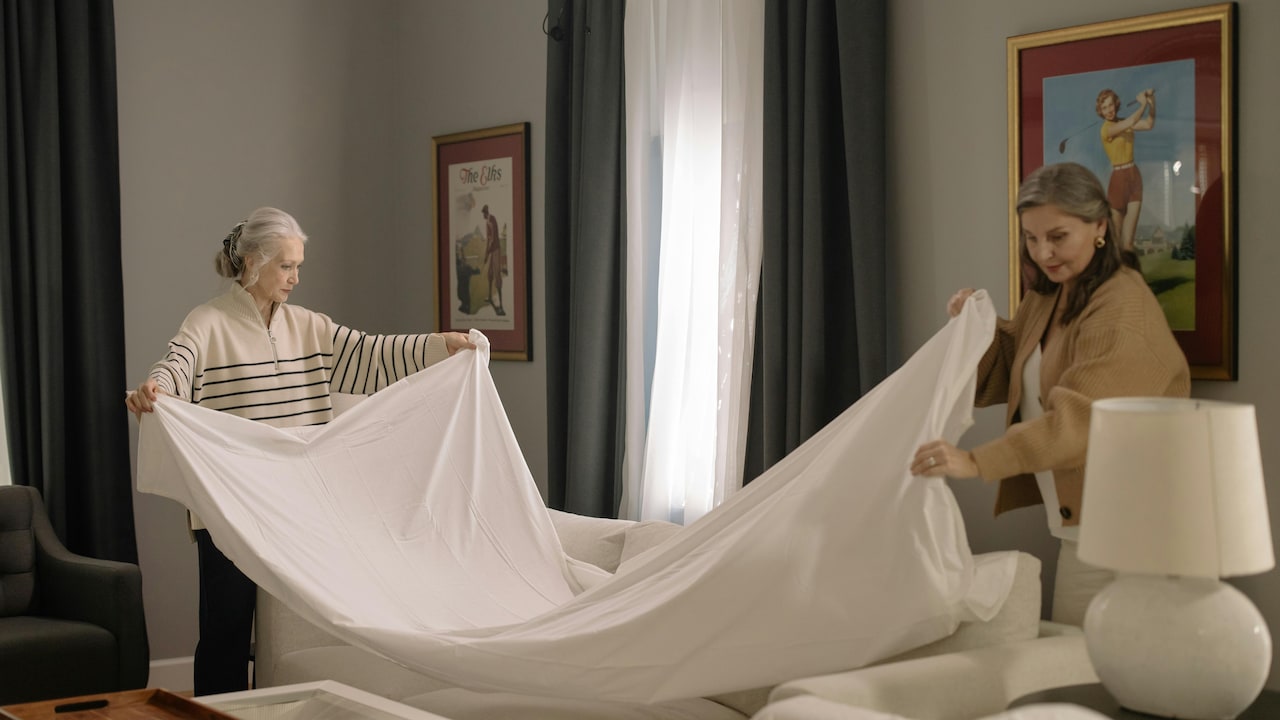
Best Bed Sheet Features: Essential Quality Details To Improve Your Sleep Quality.
A restful night rarely depends on grand gestures. It hides in small, thoughtful details, the softness beneath the skin, the gentle coolness on a warm night, or the cosy warmth during a quiet winter evening. Among these, bed sheets play a surprisingly powerful role.
Many households spend generously on mattresses, pillows, and décor, yet treat bed sheets as an afterthought. A quick purchase during a festive sale or a rushed decision at a local store often leads to discomfort that lingers night after night. Scratchy textures, poor breathability, or colours that fade after a few washes can quietly disrupt sleep quality.
The right bed sheet does more than cover a mattress. It shapes the entire sleeping experience. It can calm the senses, regulate temperature, and even uplift the mood after a long day of commuting, deadlines, and crowded streets.
This article explores ten essential features that define a truly good bed sheet. Each detail may seem small on its own, yet together they create a noticeable difference. After all, sleep deserves more than compromise.
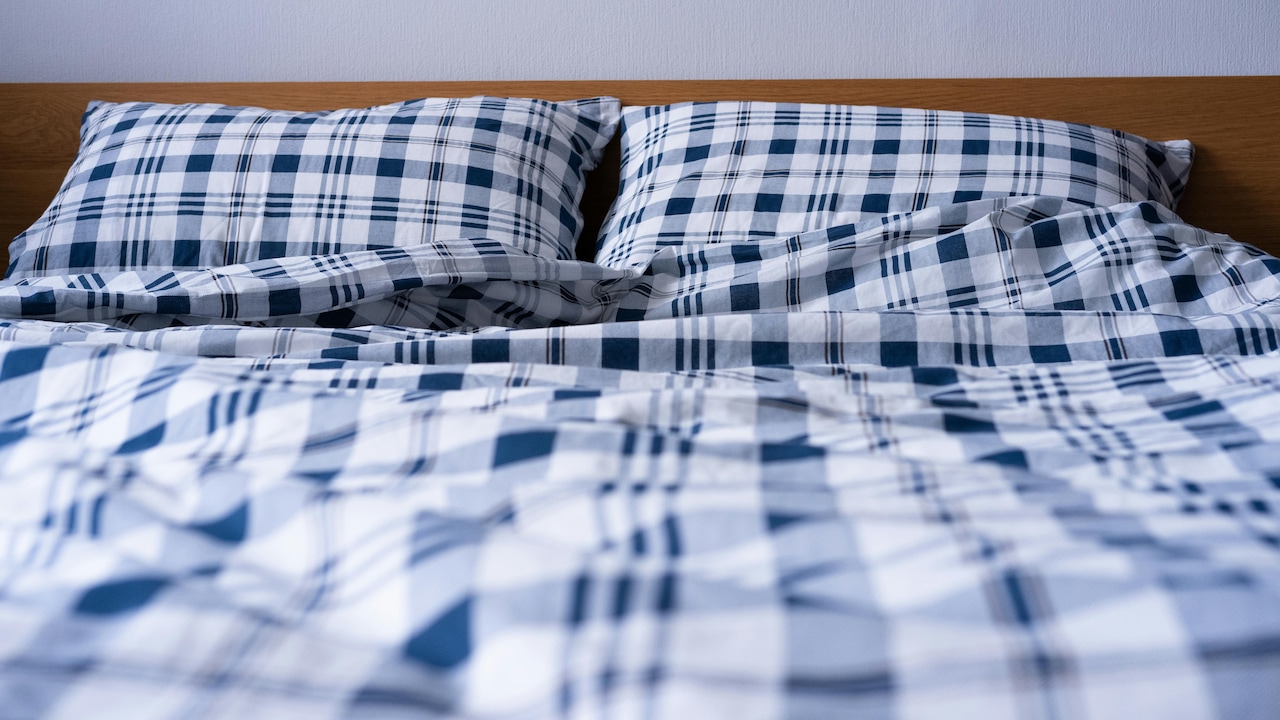
Best Bed Sheet Features: Essential Quality Details To Improve Your Sleep Quality
Photo Credit: Pexels
Key Features To Look For In A Bed Sheet
Fabric Quality Matters More Than You Think
Fabric forms the heart of any bed sheet. It determines how the sheet feels, breathes, and lasts over time. Cotton remains a popular choice for good reason. It feels soft, absorbs moisture, and suits warm climates where nights can feel heavy and humid.
Within cotton, variations matter. Long-staple cotton offers smoother fibres and fewer loose ends, which results in a softer and more durable sheet. Egyptian and Supima cotton often get attention, yet even well-made standard cotton can deliver comfort when woven properly.
Blended fabrics such as cotton-polyester mixes may cost less, often around ₹800 to ₹1,500, but they can trap heat and feel less breathable. Pure cotton options, priced between ₹1,500 and ₹4,000, tend to offer better comfort over time.
Bamboo and linen have also entered the scene. Bamboo feels silky and eco-friendly, while linen offers a slightly textured, airy feel perfect for hot nights.
Choosing fabric should not follow trends alone. It should reflect climate, personal comfort, and how the skin responds after hours of rest.
Thread Count Isn't Everything
Thread count often steals the spotlight in bedding conversations. Higher numbers suggest luxury, yet the reality proves more nuanced. A sheet with a thread count of 300 to 500 often strikes the perfect balance between softness and breathability.
Extremely high thread counts, sometimes advertised as 800 or more, can feel heavy and less breathable. In warmer regions, this can turn sleep into a restless experience rather than a relaxing one.
Quality matters more than numbers. A 300-thread count sheet made from long-staple cotton often feels far superior to a 700-thread count sheet made from lower-grade fibres. The weaving technique and fibre quality shape the final feel.
It helps to think of thread count like spice in cooking. Too little may feel plain, but too much can overwhelm the dish. Balance creates comfort.
Instead of chasing numbers, focus on how the sheet feels against the skin. After all, sleep does not depend on statistics; it depends on comfort.
Weave Style Changes The Feel Completely
The way threads interlace can transform the personality of a bed sheet. Two common weaves dominate the market, percale and sateen, and each offers a distinct experience.
Percale weave creates a crisp, cool texture. It feels light, airy, and slightly matte. Those who enjoy that freshly laundered, hotel-like feel often prefer percale. It works beautifully in warmer weather when the body craves breathability.
Sateen weave, on the other hand, delivers a silky, smooth surface with a subtle sheen. It feels warmer and more luxurious, making it ideal for cooler nights or those who enjoy a softer touch.
Neither weave is better than the other. The choice depends on personal comfort. Some prefer the clean, cool feel of percale, while others enjoy the gentle warmth of sateen.
Understanding weave helps avoid disappointment. A sheet that looks appealing in a store may feel entirely different at night, and that difference can shape the entire sleep experience.
Breathability Keeps Nights Comfortable
Comfort during sleep often comes down to temperature. A breathable bed sheet allows air to circulate, preventing that sticky, uncomfortable feeling that can interrupt rest.
Natural fibres such as cotton and linen excel in breathability. They wick away moisture and allow the skin to stay cool, even during humid nights. Synthetic fabrics, while durable, often trap heat and reduce airflow.
Breathability becomes especially important in homes where ceiling fans or air conditioners run through the night. A good sheet works with the environment rather than against it, maintaining a consistent and comfortable temperature.
Imagine turning from one side to another, searching for a cool spot on the bed. A breathable sheet reduces that need. It keeps the entire surface comfortable, making sleep feel effortless.
Investing in breathable fabric may cost slightly more, perhaps ₹2,000 instead of ₹1,000, yet the comfort it provides night after night makes the difference worthwhile.
Durability Saves Money In The Long Run
A bed sheet should last beyond a few washes. Durability ensures that the fabric retains its softness, colour, and structure over time.
Poor-quality sheets often show signs of wear quickly. Threads loosen, colours fade, and the surface becomes rough. This leads to frequent replacements, which adds up in cost.
High-quality sheets, even if priced around ₹3,000 or more, often prove more economical in the long run. They withstand regular washing, maintain their texture, and continue to feel comfortable after months of use.
Durability also depends on how the sheet is made. Strong stitching, quality fibres, and proper finishing techniques all contribute to longevity.
Think of it as an investment rather than an expense. A durable bed sheet quietly delivers comfort every night without demanding frequent replacements.
Colour And Design Influence Mood
Bed sheets do more than provide comfort; they shape the atmosphere of a bedroom. Colours and patterns can subtly influence mood and relaxation.
Soft shades such as pastel blue, beige, or light grey create a calming effect. They help the mind unwind after a long day filled with noise and activity. Bold colours and intricate patterns, while visually appealing, can sometimes feel stimulating rather than relaxing.
Seasonal changes also play a role. Lighter colours feel refreshing in summer, while deeper tones add warmth during cooler months.
Design should reflect personal taste but also consider the purpose of the space. A bedroom is a place for rest, not stimulation.
A thoughtfully chosen sheet can transform the entire room without expensive décor changes. Sometimes, a simple switch in colour can make the bed feel inviting again.
Size And Fit Make A Real Difference
An ill-fitting bed sheet can ruin even the most comfortable fabric. Sheets that slip off corners or bunch up during the night create constant irritation.
Proper sizing ensures that the sheet stays in place. Fitted sheets with deep pockets work well for thicker mattresses, especially those with toppers. Flat sheets should offer enough coverage without excessive fabric that tangles during sleep.
Many households overlook this detail, assuming one standard size fits all. However, mattresses vary in thickness and dimensions.
Elastic quality also matters. Weak elastic loses grip quickly, leading to constant adjustments.
A well-fitted sheet creates a smooth, secure surface. It allows uninterrupted sleep without the need to fix corners in the middle of the night.
Ease Of Maintenance Simplifies Life
Bed sheets require regular washing, especially in busy households. Ease of maintenance becomes an important factor in daily life.
Sheets that resist wrinkles and dry quickly save time and effort. Cotton blends may offer convenience, though pure cotton sheets with proper care also remain manageable.
Colourfastness ensures that the sheet retains its appearance even after multiple washes. Nobody enjoys faded prints or uneven patches after a few weeks.
Care instructions should remain simple. Sheets that require special handling often become inconvenient, leading to neglect or improper cleaning.
A practical sheet balances comfort with ease of use. It fits seamlessly into daily routines without demanding extra attention.

Best Bed Sheet Features: Essential Quality Details To Improve Your Sleep Quality
Photo Credit: Pexels
Skin-Friendly Materials Improve Comfort
The skin remains in constant contact with bed sheets for hours. Choosing skin-friendly materials can prevent irritation and enhance comfort.
Natural fibres such as cotton and bamboo tend to be gentle on the skin. They reduce the risk of allergies and allow the skin to breathe.
Rough or chemically treated fabrics may cause discomfort, especially for those with sensitive skin. This can lead to restless nights and disrupted sleep.
Certifications and labels can offer reassurance about fabric safety, though personal experience often proves the best guide.
A soft, skin-friendly sheet creates a sense of ease the moment one lies down. It allows the body to relax without distraction.
Value For Money Balances Quality And Budget
Price often influences decisions, yet value matters more than cost alone. A sheet priced at ₹2,500 that lasts years offers better value than a ₹900 option that wears out quickly.
Balancing quality and budget requires thoughtful consideration. It involves understanding which features matter most, fabric, durability, or ease of maintenance.
Festive sales and seasonal discounts provide opportunities to invest in better-quality sheets without stretching the budget. However, impulsive purchases often lead to disappointment.
Value lies in long-term comfort. A good sheet pays for itself through restful nights and fewer replacements.
Products Related To This Article
1. Sangria White & Pink Printed 210 TC Double Bedsheet With 2 Pillow Covers
2. FABINALIV Blue Conversational 300 TC Bedsheet with 2 Pillow Covers
3. KLOTTHE White Floral Cotton 300 TC Fitted King Fine Bedsheet with 2 Pillow Covers
4. DREAM WEAVERZ White Floral 260 TC Fitted King Bedsheet & 2 Pillow Covers
5. Raymond Home Lush Petal Black Printed Microfiber 110 TC Queen Bedsheet Set
A bed sheet may seem like a small detail, yet it holds the power to shape sleep quality in profound ways. From fabric and weave to fit and durability, each feature contributes to comfort and relaxation.
Choosing the right bed sheet does not require expert knowledge. It requires attention, awareness, and a willingness to prioritise comfort over quick decisions.
In a world filled with constant movement and noise, sleep offers a rare moment of stillness. The right bed sheet supports that moment, turning an ordinary bed into a place of true rest.
After all, better sleep does not always come from big changes. Sometimes, it begins with something as simple as the sheet beneath you.
(Disclaimer: This article may include references to or features of products and services made available through affiliate marketing campaigns. NDTV Convergence Limited (“NDTV”) strives to maintain editorial independence while participating in such campaigns. NDTV does not assume responsibility for the performance or claims of any featured products or services.)






![Steam Iron Teflon Shoe Cover for ES-300,ST-96 [Only For ES-300 and ST-96 Model Electric Steam Irons]](https://m.media-amazon.com/images/I/51wwkttondL._SL160_.jpg)