Why Fermentation Jars Need Space Above The Ingredients
Leaving space at the top of a fermentation jar prevents overflow, reduces pressure and keeps ingredients safely submerged for a cleaner, more reliable ferment.
Why Fermentation Jars Need Space Above The Ingredients
There is something almost magical about fermentation. A jar filled with cabbage, carrots, chillies or raw mango can slowly transform into something tangy, lively and deeply flavourful. No elaborate machinery is needed. Salt, time and naturally occurring microorganisms handle most of the work. Yet this simple process has its own rules. One of the easiest to overlook is leaving enough space above the ingredients.
Why Fermentation Jars Need Space Above Ingredients
Photo Credit: Pexels
A jar filled right up to the lid may seem like good kitchen economics. More vegetables fit inside, less space appears wasted, and the jar looks generously packed. Unfortunately, fermentation does not appreciate such enthusiasm. The contents rarely remain still. They bubble, swell, shift and sometimes behave like an overexcited pressure cooker.
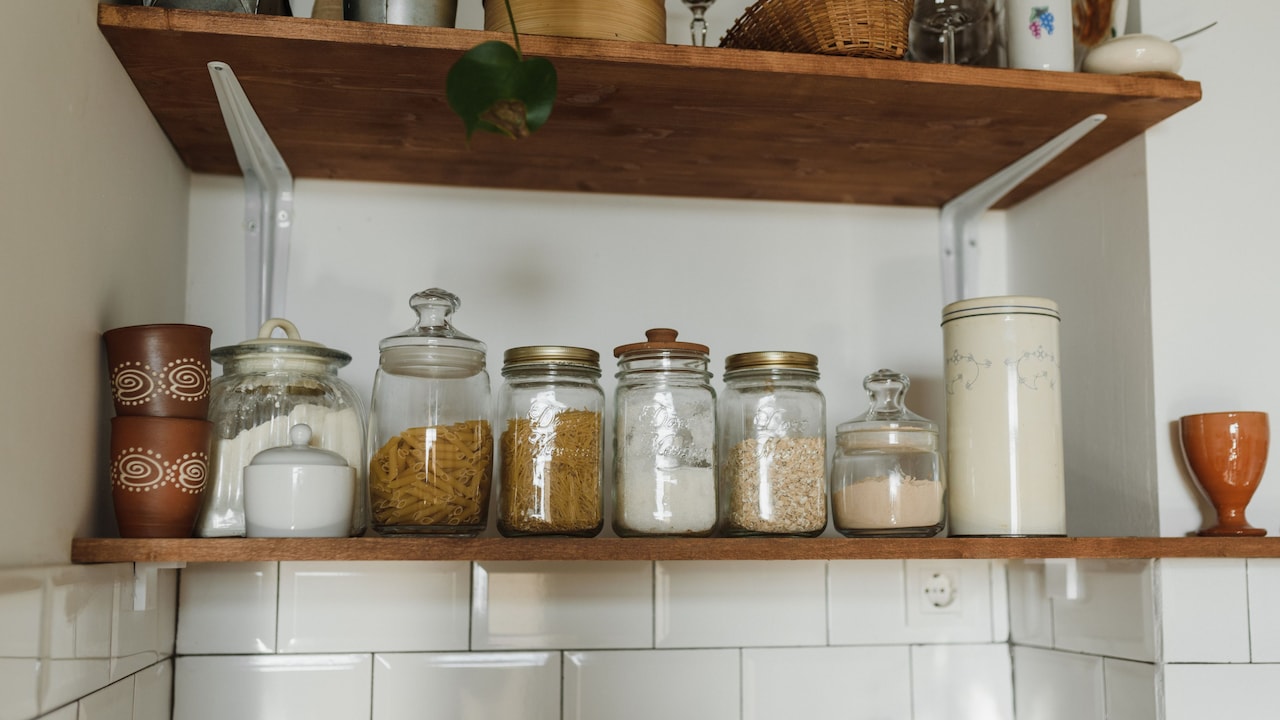
The empty area between the ingredients and the lid gives this activity somewhere to go. It allows gases to gather, brine to rise and vegetables to expand without creating chaos. In most home fermentations, a few centimetres of headspace can make the difference between a clean, crisp batch and a sticky shelf covered in salty liquid.
Understanding why that space matters helps remove much of the guesswork from fermenting at home.
The Importance Of Leaving Headspace In Fermentation Jars
Fermentation Produces Gas
Fermentation begins when beneficial microorganisms consume naturally occurring sugars in the ingredients. During this process, they produce acids, flavours and gases. Carbon dioxide is one of the most noticeable results.
Those tiny bubbles may look harmless, but they need room. In a jar packed to the brim, the gas rises and pushes against the liquid, vegetables and lid. Pressure can build quickly, particularly during the first few active days. Warm kitchens often speed up this activity, making the bubbling even stronger.
A little headspace acts like a waiting room for carbon dioxide. The gas can collect above the brine instead of forcing everything out through the lid. Jars with airlock systems release it gradually, while ordinary screw-top jars may need careful burping.
Think of a bottle of fizzy drink shaken during a bumpy auto-rickshaw ride. Opening it immediately invites a dramatic spray. An overfilled fermentation jar can create a similar surprise, only with garlic-scented brine instead of cola.
Leaving space does not stop gas production. It simply gives the gas a safer place to gather before it escapes.
Ingredients Often Expand
Vegetables may look compact when first pressed into a jar, but their size and position can change during fermentation. Salt draws water from plant cells, fibres soften and trapped air works its way out. At the same time, gases collect between pieces and make the mixture rise.
Shredded cabbage offers a classic example. It can be packed down firmly at the beginning, only to lift upwards after a day or two. Grated carrots, sliced radish and chopped beans can behave in much the same way. Thick batters also expand as fermentation becomes active.
Without spare room, this movement pushes ingredients towards the lid. Pieces may become trapped above the brine, where they face greater exposure to oxygen. Liquid may also seep around the lid and run down the jar.
Headspace allows the contents to settle into their new shape without causing trouble. It accepts that fermentation is not a frozen photograph. It is a living, shifting process.
A jar should therefore be filled with tomorrow in mind, not just today. The ingredients need room for their journey, just as a suitcase needs a little spare space for the inevitable shopping brought home.
Brine Levels Rise During Activity
Brine rarely stays at exactly the same level throughout fermentation. Carbon dioxide bubbles rise through the liquid and temporarily lift it. Vegetables release additional moisture. Weights displace liquid, and small pieces may shift beneath the surface.
All this movement can cause the brine level to climb. When the jar has adequate headspace, the liquid rises into the empty area and settles again. When the jar is full to the rim, the brine has only one direction left: out.
An overflowing jar creates more than an untidy counter. Escaped brine reduces the amount of liquid available to cover the ingredients. Once the level drops, pieces at the top may become exposed. That can encourage unwanted yeasts or mould.
Overflow can also leave behind a stubborn salty crust around the lid. Anyone who has tried opening such a jar knows the struggle. It can feel like wrestling with a pickle jar designed by a gym trainer.
Placing jars on a tray offers useful protection during active fermentation, but the tray should serve as backup rather than the main strategy. Proper headspace remains the first and most effective defence against rising brine.
Pressure Can Damage The Jar
Glass fermentation jars are strong, but they are not indestructible. Gas trapped in a tightly closed container creates pressure. The less empty space available, the faster that pressure can become uncomfortable.
In many cases, the lid may bulge or leak before the glass suffers. However, a weak jar, damaged rim or sudden temperature change can increase the risk of cracking. Decorative jars that were never designed for food preservation may be particularly unreliable.
Headspace cushions the pressure created during active fermentation. It gives gas a place to collect before it leaves through an airlock or during burping. This does not mean a large empty chamber is required. Too much space may introduce other problems. The goal is a practical gap, not a half-empty jar.
Jars should also be checked for chips, hairline cracks and damaged threads before use. Saving ₹100 by reusing a questionable container is poor value if the entire batch ends up on the floor.
Fermentation should feel pleasantly adventurous, not like a kitchen safety experiment. A sound jar, sensible headspace and suitable lid keep the process calm and controlled.
Overflow Attracts Unwanted Visitors
Fermentation smells wonderful to people who enjoy pickles, sour vegetables and spiced preserves. Unfortunately, the aroma can also attract ants, fruit flies and other tiny kitchen opportunists.
When brine overflows, it leaves moisture, salt, sugar and food particles around the jar. Even a small sticky trail can become an invitation. Fruit-based ferments and sweet vegetable mixtures are especially appealing to insects.
Adequate headspace helps keep the liquid inside the container, where it belongs. A clean exterior is easier to maintain, and the fermentation area remains far less attractive to pests.
This matters in warm weather, when insects seem capable of discovering a drop of liquid from the other side of the house. One careless overflow can turn a peaceful shelf into a crowded roadside dhaba for fruit flies.
The jar should still be wiped regularly, particularly during the most active stage. Any escaped liquid needs immediate cleaning. However, prevention saves effort. Leaving room at the top reduces the chance of repeated leaks and sticky lids.
A tidy fermentation space is not merely about appearance. It protects the batch, discourages contamination and makes daily checks much more pleasant.
Also Read: 7 Top-Rated Juicers For Citrus, Carrots And Everyday Breakfast Drinks
Submerged Ingredients Stay Better Protected
Successful vegetable fermentation usually depends on keeping the ingredients beneath the brine. The salty, acidic environment favours desirable microbes and limits the growth of many unwanted organisms. Pieces floating above the liquid lose that protection.
An overfilled jar makes submersion harder. Expanding vegetables and rising gas push ingredients upwards until they touch the lid or emerge from the brine. Loose chilli slices, mustard seeds and strands of cabbage can easily escape the main mass.
Headspace creates room for a fermentation weight, folded cabbage leaf or other suitable barrier to hold everything down. It also allows the brine to cover the weight without reaching the very top of the jar.
Daily inspection remains important. Any floating fragments should be pushed down with a clean utensil or removed. Yet a well-filled jar with sensible headspace usually requires less interference.
The principle is simple: the vegetables should stay below, the brine should sit above them and an empty gap should remain before the lid. When these layers hold their positions, the jar becomes a small, well-organised ecosystem rather than a crowded compartment on a Monday morning local train.
Why Fermentation Jars Need Space Above Ingredients
Photo Credit: Pexels
Headspace Helps Airlocks Work Properly
Airlocks are designed to let fermentation gases escape while limiting the entry of outside air. They are useful for people who want fewer lid-opening sessions and a more controlled process.
However, an airlock needs headspace beneath it. If the jar is filled too high, expanding brine may enter the airlock. Vegetable particles can block the passage, while liquid may spill through the top. Once clogged, the airlock cannot perform reliably.
A suitable gap allows carbon dioxide to gather and move towards the outlet without carrying half the jar along with it. The brine may still rise during vigorous activity, but it has room to fluctuate before reaching the mechanism.
The airlock should also contain the recommended amount of clean water or sanitising solution, depending on its design. It needs occasional checking because evaporation can lower the level.
Using an airlock does not remove the need for good filling habits. Technology cannot rescue a jar packed with the optimism of someone squeezing one final kurta into an already full suitcase.
Headspace and airlocks work as a team. One provides breathing room; the other manages the gas that enters it.
Flavours Develop More Evenly
Headspace may seem like a purely practical concern, but it can also support better flavour development. A jar that leaks repeatedly loses brine, salt and dissolved seasonings. This can change the balance of the ferment.
Spices such as mustard seeds, cumin, peppercorns, ginger and garlic release their flavours into the liquid. When brine escapes, some of that seasoned liquid disappears with it. The remaining vegetables may ferment unevenly, especially if the top layer becomes dry.
A stable brine level helps distribute acidity and seasoning throughout the jar. The ingredients remain in a more consistent environment, allowing sourness and aroma to develop steadily.
This does not mean every piece will taste identical. Fermentation has a charming unpredictability. A chilli near the top may still taste sharper, while a carrot tucked beside garlic may become more aromatic. Yet the overall batch stays balanced.
Good headspace supports that stability by reducing overflow and keeping the ingredients submerged. It is one of those quiet details that rarely receives credit when a ferment tastes excellent. Much like the person who remembers to bring extra napkins to a family picnic, it prevents trouble without demanding applause.
Jars Become Easier To Monitor
Home fermentation benefits from regular observation. The jar should be checked for bubbles, colour changes, rising brine, unusual odours and floating ingredients. Clear headspace makes these signs easier to notice.
When ingredients are pressed against the lid, the top of the jar becomes crowded and difficult to inspect. Foam may hide between vegetable pieces. Brine can coat the lid, and small leaks may go unnoticed until the shelf feels sticky.
A visible gap provides a clear zone where bubbles and foam can collect. This helps reveal how active the fermentation has become. A sudden increase in pressure or liquid level is easier to spot before it turns into a mess.
The headspace also makes opening the jar safer. There is less chance of brine spilling immediately when the lid loosens. Even so, jars should be opened slowly, especially during the first few days.
Fermentation rewards attention rather than anxiety. There is no need to stare at the jar every hour like a cricket fan watching the final over. A brief daily check is usually enough. Good headspace simply makes that check quicker, cleaner and more informative.
The Right Gap Prevents Too Much Oxygen
Leaving headspace does not mean leaving a vast amount of air above the ingredients. Too little room creates pressure and overflow, but too much can expose the ferment to unnecessary oxygen.
Oxygen may support surface yeasts, mould and changes in colour or flavour. This is why half-filling a large jar with a small quantity of vegetables is rarely ideal. A smaller jar usually works better.
For many vegetable ferments, roughly three to five centimetres of headspace offers a practical starting point. The exact amount depends on the ingredients, jar shape and expected activity. Shredded vegetables and thick batters may need more room than dense cucumber pieces.
The brine should still cover the ingredients completely. Headspace belongs above the liquid, not between the brine and the vegetables. That distinction matters.
Choosing the correct jar size solves much of the problem. The container should hold the ingredients comfortably, allow space for a weight and leave a modest gap below the lid.
Balance remains the goal. A fermentation jar should not resemble an overcrowded lift, nor should it feel like an empty banquet hall. The contents need enough room to move without inviting too much air inside.
Why Fermentation Jars Need Space Above Ingredients
Photo Credit: Pexels
Products Related To This Article
1. Gutbasket Kanji Jar Kit
2. Fermentation Weight, Glass Fermentation Weight
3. KELVEE Glass Fermentation Jar with Airlock Grommet Lids Kanji Jar Fermenter
4. LocknLock 1.6L Breathing Glass Canister
5. Supvox® 32oz Fermentation Jar Kit Air Tight Glass Jar with Stainless Steel Lid and Clear Glass Weights
6. Kilner Premium 500ml Kefir Making Set with Glass Jar
7. Gutbasket Wine, Beer, Mead Making HDPE Plastic Fermentation Jar 8 L
The empty space at the top of a fermentation jar is not wasted. It is working space. It receives gas, accommodates rising brine, allows ingredients to expand and helps keep vegetables safely submerged.
Without it, fermentation can become unnecessarily dramatic. Lids leak, brine escapes, insects arrive, and jars become difficult to handle. In severe cases, pressure may even damage the container. With sensible headspace, the same process becomes cleaner, safer and far easier to monitor.
The best gap depends on the recipe and the ingredients, but a few centimetres often provides a reliable starting point. The vegetables should remain beneath the brine, the brine should remain below the rim, and the lid should have room to manage the gas.
Fermentation has always combined patience with practical wisdom. A jar may contain humble ingredients, yet inside it lives a busy community of microorganisms creating flavour day by day. Giving that community a little room is not indulgence. It is good planning.
So, the next time a jar looks almost full, resist the temptation to squeeze in one last piece of carrot or mango. That modest patch of emptiness may be the most useful ingredient in the entire ferment.
(Disclaimer: This article may include references to or features of products and services made available through affiliate marketing campaigns. NDTV Convergence Limited (“NDTV”) strives to maintain editorial independence while participating in such campaigns. NDTV does not assume responsibility for the performance or claims of any featured products or services.)








![Steam Iron Teflon Shoe Cover for ES-300,ST-96 [Only For ES-300 and ST-96 Model Electric Steam Irons]](https://m.media-amazon.com/images/I/51wwkttondL._SL160_.jpg)