Why Ironing Boards Wobble And How Frame Design Matters
Ironing boards wobble because of weak joints, narrow legs, poor locking systems and uneven frames. Smart frame design improves balance, safety and comfort, making everyday ironing smoother and less frustrating.
Key features to consider when buying an ironing table that doesn't wobble
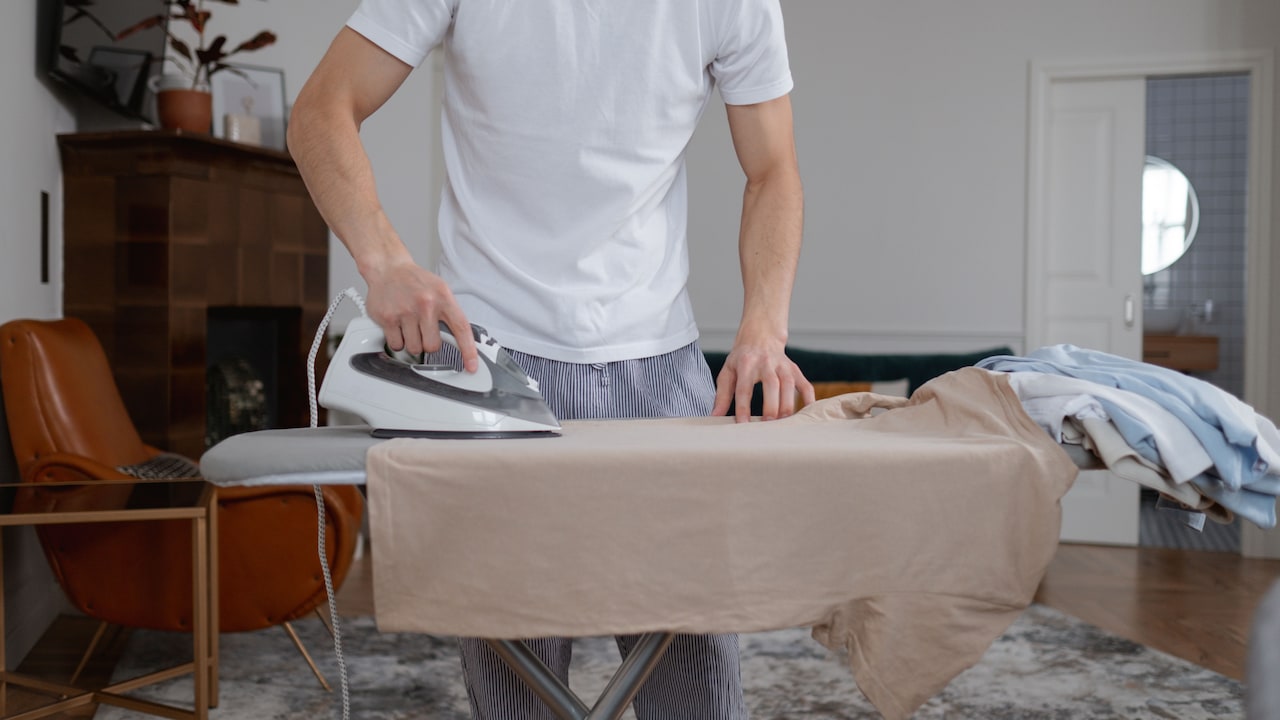
Few household sounds feel quite as irritating as the metallic rattle of an ironing board shifting under pressure. One moment, the shirt lies neatly across the surface. Next, the board rocks from side to side as though it has suddenly decided to dance. Most people blame an uneven floor, a loose screw or years of rough use. Those factors certainly matter, but the real story usually begins with the frame. The shape of the legs, the quality of the joints, the width of the feet and the way the board distributes weight all influence stability.
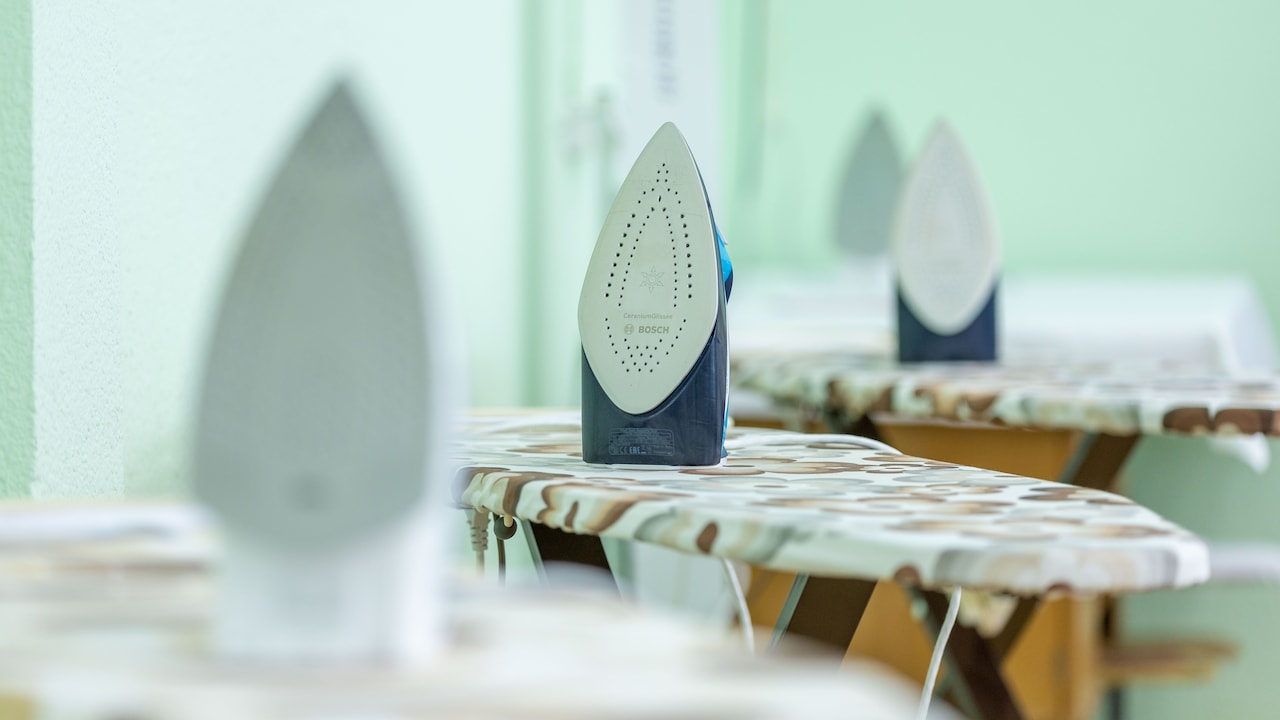
Why do ironing boards wobble and how to choose one that does not
Photo Credit: Pexels
A good ironing board should feel firm without becoming bulky. It should open smoothly, lock securely and remain steady while someone presses a collar, sleeve or thick pair of trousers. Poor frame design makes even a new board feel unreliable.
Also Read: Iron Smarter, Not Harder: Explore Top Ironing Board Tables From Amazon
Understanding these details helps buyers look beyond bright covers and tempting discounts. A board priced at ₹1,000 may look attractive in a shop, yet a better-designed model costing ₹1,800 could prove more comfortable, safer and longer lasting. Stability starts underneath the fabric, where thoughtful engineering quietly does the real work.
What Really Causes An Ironing Board To Wobble
1. Uneven Leg Geometry Creates Instant Instability
An ironing board stands securely only when its legs share the load evenly. Many budget models use narrow, sharply angled legs that look compact but create a weak base. When the legs sit too close together, the board gains height without enough sideways support. A firm push from the iron can then make the entire structure sway.
The geometry matters more than most shoppers realise. A wider stance usually creates better balance because the feet cover a larger area. Think of a roadside tea table with legs spread firmly apart. It remains steady even when several glasses land on one side. A tall stool with narrow legs behaves very differently.
Manufacturing accuracy also plays a role. If one leg sits even a few millimetres higher than the others, the board may rock on smooth tiles. This problem becomes obvious in homes with polished granite or vitrified flooring, where tiny differences cannot hide.
Well-designed boards use symmetrical leg angles and precise measurements. The legs open to a fixed position and create a balanced footprint. That simple choice prevents much of the wobble people often mistake for ordinary wear.
2. Weak Locking Mechanisms Allow The Frame To Shift
The locking mechanism acts like the backbone of a folding ironing board. It holds the legs in place after the board opens. When this part feels loose, shallow or poorly fitted, the frame can slide slightly during use.
Even a small movement creates trouble. Pressing down on a thick kurta cuff or trouser seam transfers force through the tabletop into the legs. A weak lock cannot resist that pressure, so the frame shifts and produces a familiar clank. Over time, repeated movement can enlarge the locking slots and make the wobble worse.
Strong boards use firm metal catches, toothed height-adjustment tracks or secure locking bars. These parts should click into position clearly. A vague, soft movement often signals that the mechanism lacks strength or precision.
The height adjustment system also needs careful design. Some boards offer several settings but sacrifice stability for convenience. More options do not always mean better performance. Each setting must hold the frame firmly.
Before buying, opening the board fully and pressing gently on both ends can reveal a lot. A secure lock keeps the legs still. A weak one announces itself immediately with movement, noise and hesitation.
3. Thin Metal Tubes Bend Under Regular Pressure
Frame thickness has a direct effect on stability. Lightweight boards often use thin steel tubes to reduce manufacturing costs and make the product easier to carry. That sounds convenient, but metal that feels too light may also flex under pressure.
Ironing rarely involves the iron's weight alone. People lean forward, press stubborn creases and sometimes rest folded clothes on one side. Thick fabrics such as denim, school uniforms and cotton bedsheets add extra load. A weak frame responds by bending slightly, especially near the joints.
This bending may not look dramatic. Instead, the board develops a soft, springy feeling. Each movement of the iron causes a faint bounce. After months of use, the tubes may lose their original shape and create permanent imbalance.
A stronger frame uses thicker tubing or reinforced sections near high-stress areas. It does not need to feel excessively heavy, but it should resist twisting. Quality steel with a protective coating offers a useful balance between strength and portability.
Shoppers often lift a board to judge convenience. A better test involves applying gentle downward pressure. A frame that stays rigid will usually perform better than one that flexes like a reluctant folding chair.
4. Poorly Designed Cross Braces Reduce Sideways Support
Cross braces connect the legs and stop them from spreading, twisting or folding unexpectedly. Without proper bracing, an ironing board may stand upright yet still wobble from side to side.
The most stable designs create a strong triangular structure beneath the tabletop. Triangles resist distortion because their shape does not change easily under pressure. Frames with simple parallel legs and weak connecting rods offer less resistance. They may look tidy, but they allow more sideways movement.
Placement matters as much as thickness. A brace positioned too high leaves the lower legs free to shift. A brace placed near the centre usually controls movement more effectively. Some premium boards use double braces or reinforced pivot points for extra rigidity.
This detail becomes important when ironing long garments. Moving the iron from one end of a saree or bedsheet to the other creates changing pressure across the board. A weakly braced frame reacts with every movement. A strong frame remains calm.
The braces may seem like minor pieces of metal, but they decide whether the board feels dependable or nervous. Good support rarely attracts attention. Poor support makes sure nobody can ignore it.
5. Small Feet Struggle On Smooth Household Floors
The feet of an ironing board influence grip, balance and noise. Many low-cost frames end in narrow plastic caps that offer little contact with the floor. On smooth surfaces, these caps can slide or tilt whenever pressure shifts.
Larger feet spread the board's weight over a wider area. They also help compensate for tiny floor imperfections. Rubberised caps improve traction and reduce scratching, especially on marble, wooden flooring and glossy tiles.
Shape matters too. Flat feet usually provide better support than rounded caps. Rounded designs may allow the legs to roll slightly, creating a rocking sensation. Worn plastic caps cause similar trouble. Once the material becomes thin or cracked, the metal tube may no longer sit level.
Households sometimes solve the problem by placing folded cardboard under one leg. That may stop the wobble for a while, but it treats the symptom rather than the cause. Proper feet should handle everyday flooring without improvised engineering.
Replacing damaged caps can restore stability at a modest cost, often below ₹200. However, a frame that starts with wide, non-slip feet offers the better solution. Good footing matters in furniture, footwear and ironing boards alike.
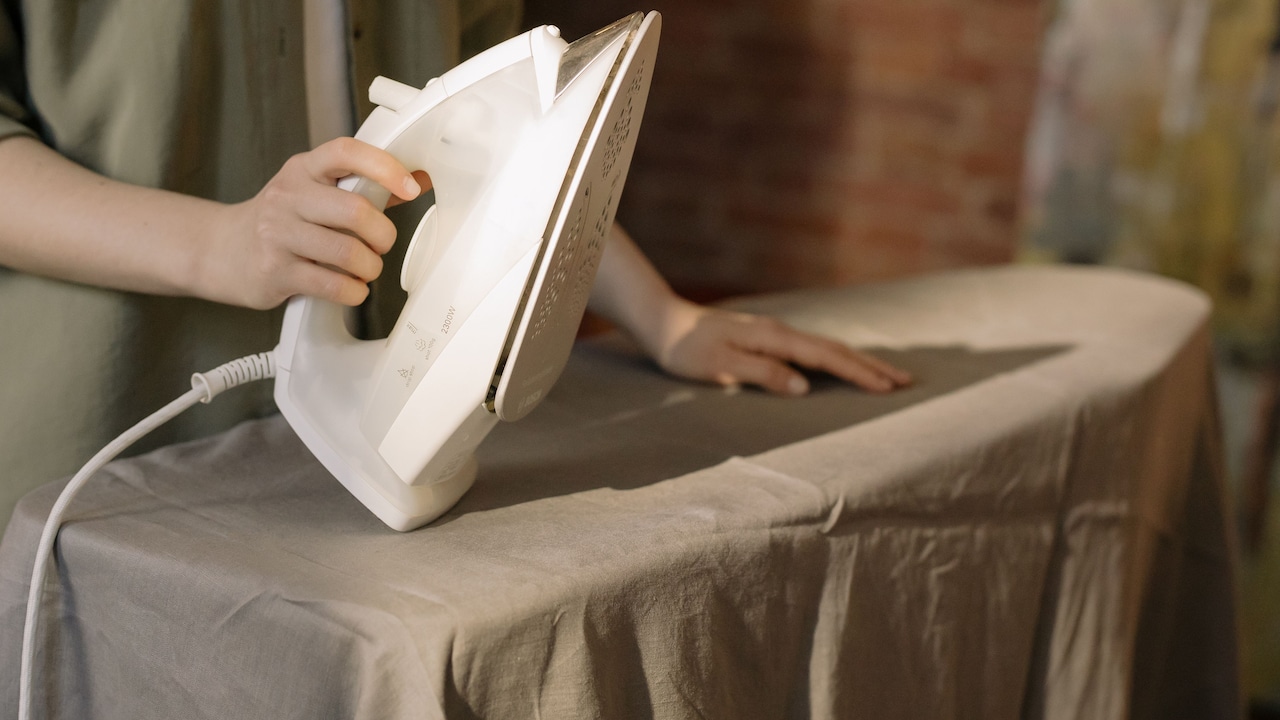
Ironing boards with a short spread can become more prone to wobbling; Photo Credit: Pexels
6. Loose Rivets And Joints Create Gradual Wobbling
Folding boards depend on several moving joints. Rivets, bolts and pivot points allow the legs to open and close. These connections must move freely without becoming loose.
Repeated folding places stress on every joint. Poor-quality rivets may widen their holes or lose tension. Once that happens, the legs gain unwanted movement. The board may still stand, but it begins to shake whenever pressure reaches one side.
A loose joint often reveals itself through sound before visible damage appears. Clicking, squeaking, or metallic rattling suggests that parts no longer fit tightly. Ignoring these signs can lead to further wear.
Better frames use strong rivets, reinforced washers or bolts that allow careful tightening. The surrounding metal also needs enough thickness to resist deformation. A sturdy bolt means little when it passes through a weak, bending plate.
Regular checks can extend the board's life. Tightening an accessible nut or replacing a worn fastener may solve the problem. Oil should not reach locking surfaces, though, because extra slipperiness can weaken their grip.
A silent joint usually signals a healthy frame. A noisy one often carries a simple message: attention is required before the board starts behaving like a rickshaw on a broken lane.
7. An Unbalanced Tabletop Places Stress On The Frame
The tabletop and frame must work as one system. A wide ironing surface needs enough support beneath its centre and both ends. When the frame supports only a small central area, the outer sections can dip or twist.
This imbalance becomes noticeable near the pointed end. People often press collars, sleeves and pleats there. If the frame lacks support underneath, the board may tilt forward. A heavy steam iron resting on the side tray can make the problem worse.
Some boards include large iron holders without strengthening the frame below them. The extra feature looks useful, yet it shifts weight beyond the main support area. A well-designed model extends braces or metal rails towards the holder to manage that load.
The tabletop material also affects behaviour. Thin mesh may flex, while weak particleboard can warp in humid conditions. Once the top loses shape, even a solid frame may struggle to remain stable.
Balanced design distributes pressure across several points rather than concentrating it in one place. The result feels firm from nose to tail. A good board should not punish anyone for ironing near the edge. Every part of the surface should feel equally supported.
8. Height Adjustment Systems Can Sacrifice Stability
Adjustable height makes ironing more comfortable, especially in households where several people use the same board. However, poorly designed adjustment systems often introduce wobble.
Many boards use a sliding track with several notches. The frame moves along this track to raise or lower the surface. If the notches feel shallow or the metal bends easily, the selected height may not hold firmly. The board can shift slightly with every stroke.
The highest setting often feels least stable because the legs stand more upright and create a narrower base. This changes the frame geometry and raises the centre of gravity. Taller users may notice more movement for this reason.
A good adjustment system keeps the legs widely spread at every height. Deep locking teeth, strong guide rails and a solid release lever improve security. The mechanism should move smoothly but stop decisively.
Testing several settings before purchase helps. A board may feel stable at its lowest level and shaky at its highest. That difference matters more than the number of available positions.
Comfort should not come at the cost of confidence. The best design allows users to choose a suitable height without turning every ironing session into a balancing exercise.
9. Frame Material Influences Strength And Durability
Most ironing board frames use steel, aluminium or a combination of materials. Each choice affects weight, strength, cost and long-term performance.
Steel offers good rigidity and handles regular pressure well. Powder-coated steel also resists rust when kept dry. However, very thin steel can still bend, so material thickness remains important.
Aluminium feels lighter and resists corrosion, which helps in humid coastal areas. Yet low-grade aluminium may flex more easily than sturdy steel. A lightweight board can feel convenient during storage but unstable during heavy use.
Some manufacturers use plastic components around joints and locks. Strong engineering-grade plastic can perform well, but brittle material may crack under repeated pressure. Heat exposure near the iron rest can also weaken poor-quality parts.
The right frame does not need the most expensive material. It needs the correct material in the correct place. Steel works well for load-bearing tubes, rubber suits the feet, and heat-resistant components belong near the iron holder.
Price often reflects these choices. A ₹2,500 board may use stronger tubing and better fittings than a ₹900 model. The difference may not show in the cover design, but it becomes clear after a year of regular folding, pressing and storage.
10. Better Frame Design Improves Safety And Comfort
Wobbling causes more than irritation. It can also create safety risks. A moving surface increases the chance of the iron slipping, steam reaching the hand or hot fabric falling towards the floor.
A stable frame allows smoother movement. The user does not need to hold the board with one hand or reduce pressure to prevent shaking. Shoulders remain relaxed, wrists move naturally, and stubborn creases become easier to handle.
Good design also improves efficiency. A firm surface transfers pressure more effectively, which means fewer repeated strokes. Morning routines already involve enough rushing, missing socks and last-minute lunchbox drama. The ironing board should not add another crisis.
Safety features work best when the frame supports them. A child lock, iron rest or cord holder offers limited value when the base itself feels unstable. Stability forms the foundation for every other feature.
Choosing a board requires more than checking size and colour. The legs should open widely, the joints should feel tight, and the feet should grip the floor. A strong frame may not look exciting in a showroom, but it delivers something far more useful at home: calm, control and fewer near misses with a hot iron.
Products Related To This Article
1. Amazon Brand - Solimo Wooden Ironing Board
2. Happer Premium Wooden Ironing Board/Table with Iron Holder
3. Wall Mounted Iron Table for Ironing Clothes with Foldable Ironing Board
4. FLIPZON Wooden Self Standing 18" Unique Folding Premium Ironing Board
5. BonKaso Tabletop Ironing Board
6. Theona Adjustable Ironing Board for Home
7. Prime Ezee-Press Premium Heavy-Duty Foldable Ironing Table
An ironing board wobbles when its frame fails to control weight, movement and pressure. Narrow legs, weak locks, loose joints, small feet and thin metal can all contribute to instability. Even an attractive board with a thick cover may perform poorly when the structure underneath lacks strength.
Frame design determines how safely and comfortably the board handles everyday tasks. Wide leg geometry improves balance. Strong braces resist sideways movement. Secure joints reduce rattling, while non-slip feet keep the board steady on smooth floors. A balanced tabletop spreads pressure and prevents awkward tilting.
Careful inspection before purchase can prevent years of frustration. Opening the board, testing each height and pressing lightly on different sections reveals more than packaging claims ever will. Existing boards also benefit from simple maintenance, including tightening fasteners and replacing worn foot caps.
A dependable ironing board does not need to feel luxurious. It simply needs to remain still while doing its job. When the frame has been designed well, the board almost disappears from attention. Clothes receive the focus, creases surrender quickly and the morning carries on without an unexpected metallic dance beneath the iron.
(Disclaimer: This article may include references to or features of products and services made available through affiliate marketing campaigns. NDTV Convergence Limited (“NDTV”) strives to maintain editorial independence while participating in such campaigns. NDTV does not assume responsibility for the performance or claims of any featured products or services.)







![Steam Iron Teflon Shoe Cover for ES-300,ST-96 [Only For ES-300 and ST-96 Model Electric Steam Irons]](https://m.media-amazon.com/images/I/51wwkttondL._SL160_.jpg)