How To Choose Dinnerware That Fits Inside A Small Dishwasher
Choose dinnerware that fits a small dishwasher by checking plate size, bowl depth, material and stackability. The right shapes save space, clean better and make everyday loading easier.
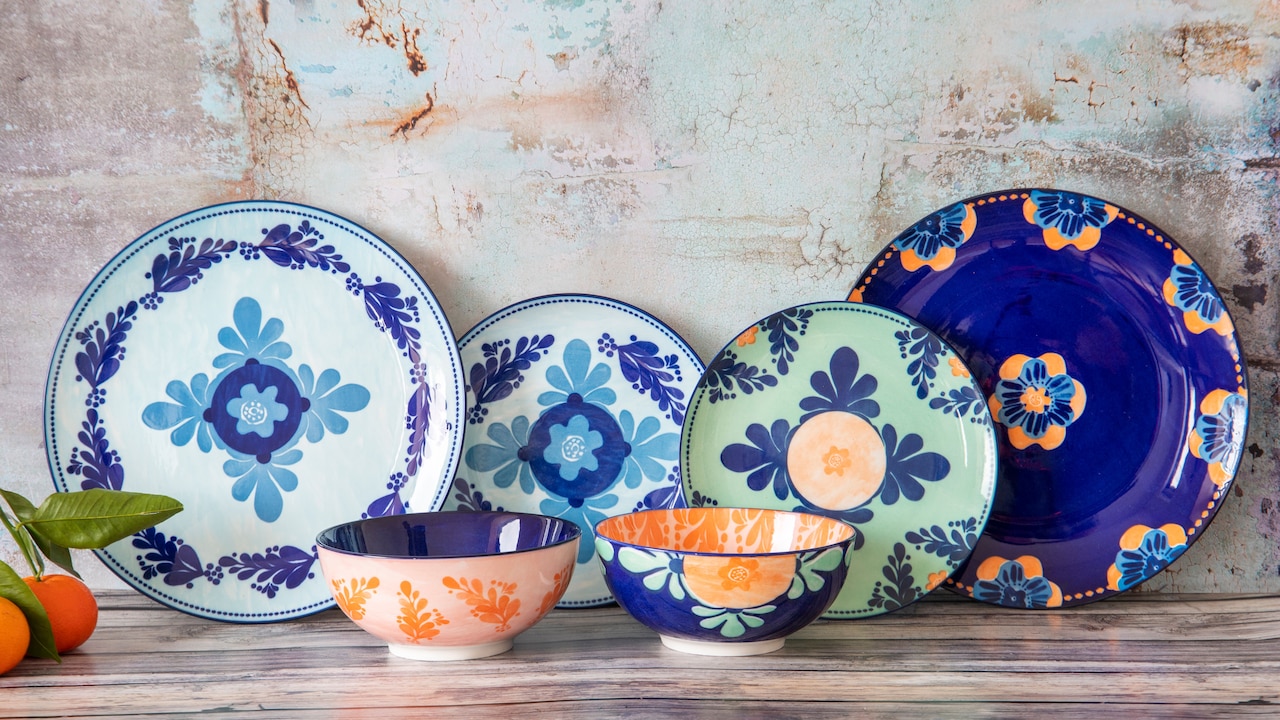
How To Choose Dinnerware That Fits Inside A Small Dishwasher
A small dishwasher can feel like a luxury until the dinner plates arrive. One plate blocks the spray arm, another leans against the door, and the deep curry bowls occupy half the lower rack. Suddenly, washing dishes by hand seems quicker than rearranging crockery for the fifth time. The problem often begins at the shop. Dinnerware usually gets chosen for colour, pattern and table appeal. Dishwasher dimensions receive far less attention. Yet a plate that looks perfectly ordinary on a showroom shelf may measure 30 centimetres across. Add a raised rim or a thick base, and it may not sit securely between compact rack tines.
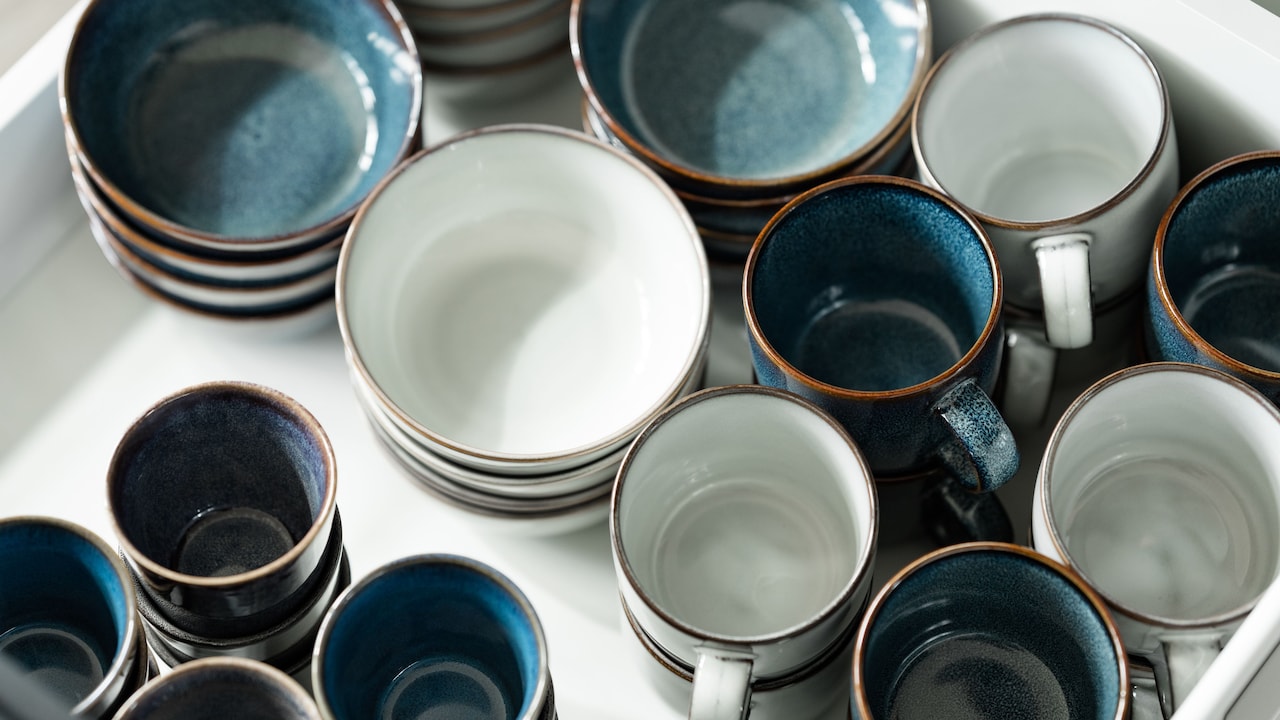
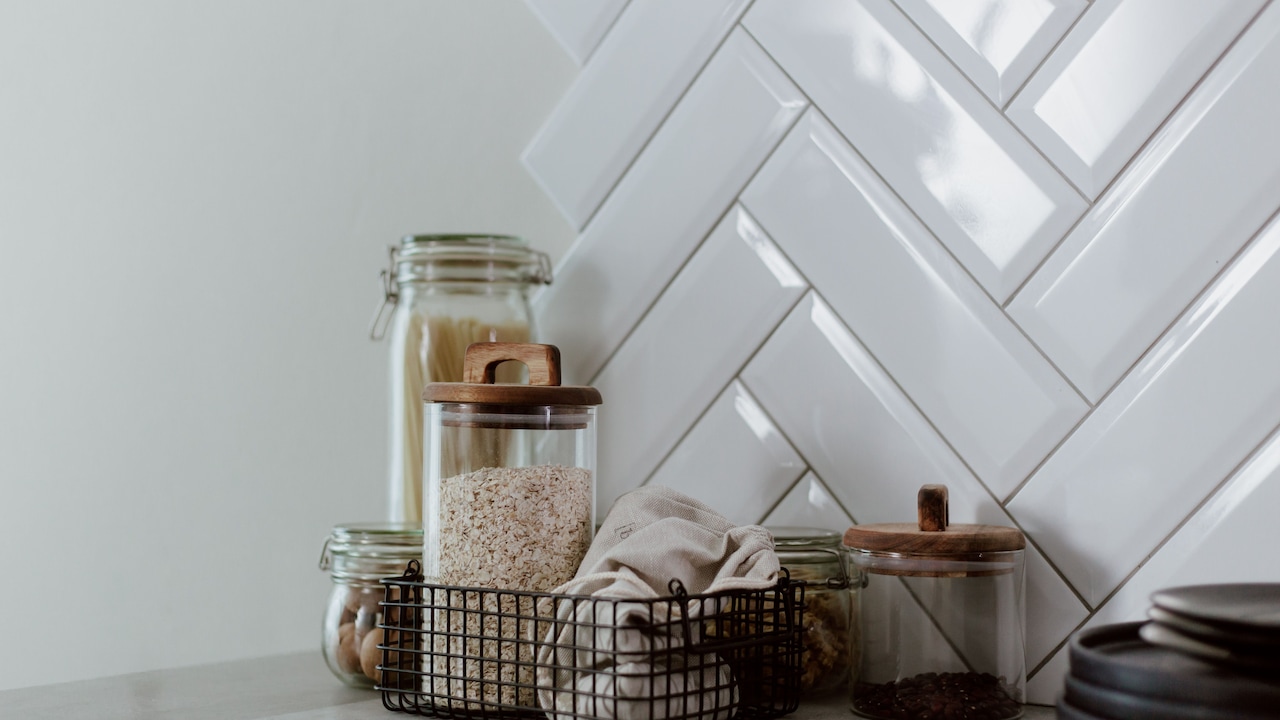
How To Choose Dinnerware That Fits Inside A Small Dishwasher; Photo Credit: Pexels
Practical dinnerware does not need to look dull. Plenty of elegant plates, katoris, bowls and mugs fit smaller machines beautifully. The trick lies in noticing the details that manufacturers rarely highlight on the front of the box. Before buying a new set, measure the dishwasher, consider the meals served most often, and think about how the pieces will stack. These ten points will help you choose dinnerware that looks inviting on the table and behaves itself inside the dishwasher.
Key Factors To Consider Before Choosing Dishwasher-Friendly Dinnerware
1. Measure The Dishwasher Before Shopping
Start with the dishwasher rather than the dinnerware catalogue. Measure the usable height, width and depth of the lower rack. Pay close attention to the gap between the rack and the spray arm. A dinner plate might fit between the tines yet still stop the arm from rotating.
Compact countertop machines and slimline models often have unusual rack layouts. Some accommodate plates up to 25 centimetres, while others struggle with anything above 23 centimetres. The instruction manual may mention a maximum plate diameter, though an actual measurement gives a more reliable picture.
Check the upper rack too. Measure the distance between the rack and the machine ceiling, especially when shopping for mugs, glasses or deep bowls. A tall chai mug may look modest on the table but collide with the top spray system.
Take photographs of the empty racks and save the measurements on the phone. This small step prevents hopeful guessing under bright showroom lights. It also helps when shopping online, where product photos can make a large dinner plate resemble a neat side plate.
Also Read: Affordable Dining: Top 5 Dinner Sets To Shop Under ₹5,000
2. Check The Diameter Of Every Plate
Plate diameter matters more than the number of pieces in a dinner set. Many modern dinner plates measure between 27 and 31 centimetres, which suits generous restaurant-style presentation but not every compact dishwasher.
For smaller machines, dinner plates between 23 and 26 centimetres usually offer a better balance. They still hold rice, sabzi, dal, salad and roti without making the meal feel cramped. They also stand more upright in closely spaced racks, allowing water to reach both sides.
Do not assume every piece in a set follows a sensible size progression. A 20-centimetre side plate may fit perfectly, while the matching dinner plate towers above the rack. Read the product dimensions carefully, including the measurements for each individual item.
Diameter also affects storage. Smaller plates stack neatly in shallow kitchen cabinets and leave room for serving bowls. That makes them especially useful in flats where every shelf earns its keep.
Before buying a full set, purchase one plate when possible. Place it in the dishwasher, rotate the spray arm and close the door. A quick trial can prevent years of awkward loading and muttered negotiations with crockery.
3. Choose Plates With Simple, Narrow Rims
Wide decorative rims look elegant, but they consume valuable space without increasing the usable eating area. A 28-centimetre plate with a broad border may hold less food than a 25-centimetre plate with a narrow rim.
For a compact dishwasher, choose plates with simple edges and restrained profiles. Narrow rims allow plates to sit closer together without rubbing against neighbouring pieces. They also reduce the chance of one plate resting at an angle and blocking the water jets.
Raised, wavy or heavily sculpted rims can create similar problems. These designs may catch on rack tines or prevent plates from standing securely. During a strong wash cycle, unstable pieces may knock together and chip.
A gently curved edge works well for everyday meals. It helps contain gravies and dals while keeping the overall diameter under control. Coupe-style plates, which have smooth curves instead of a flat centre surrounded by a wide border, often provide generous food space in a smaller footprint.
Simple rims also age gracefully. They suit casual breakfasts, festive dinners and hurried weekday meals. The design may not shout from the cupboard, but it will quietly fit, wash and stack without creating drama.
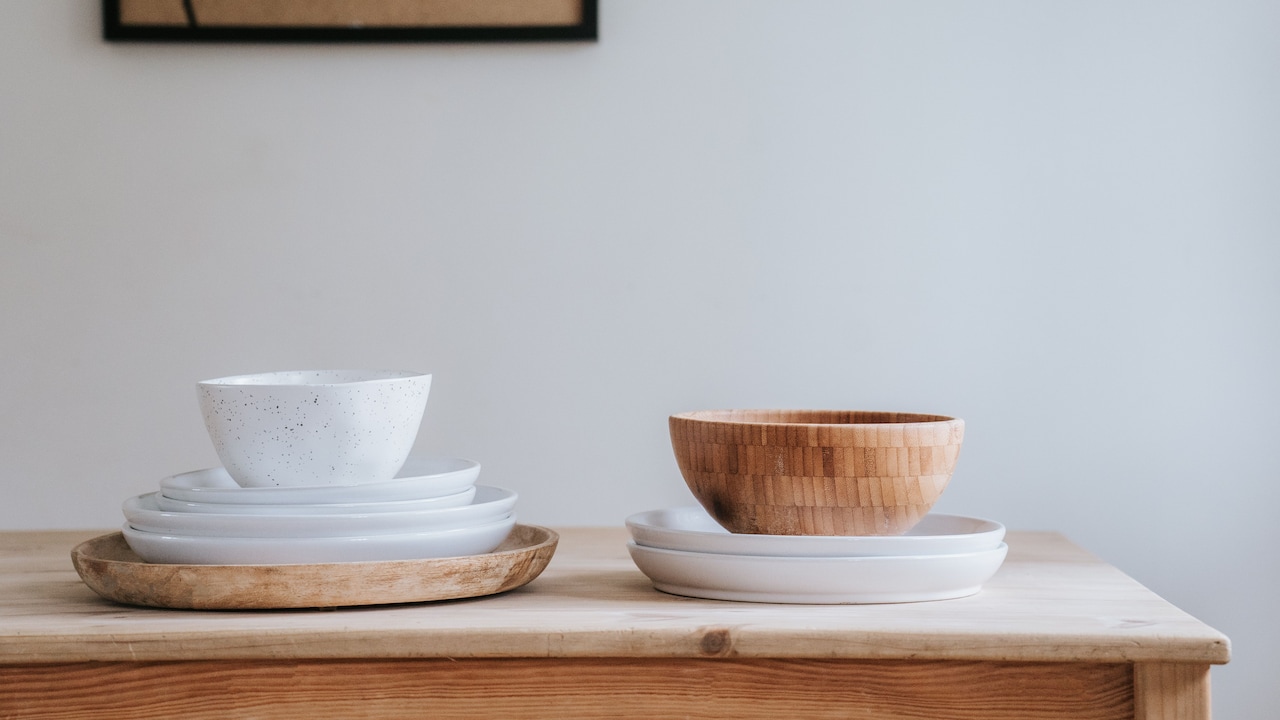
How To Choose Dinnerware That Fits Inside A Small Dishwasher; Photo Credit: Pexels
4. Look For Shallow Bowls With Efficient Shapes
Deep bowls can become rack bullies. Their broad curves occupy several slots, trap water and prevent neighbouring items from receiving a proper wash. This often happens with oversized pasta bowls and dramatic serving-style pieces sold as individual dinner bowls.
Choose shallow or medium-depth bowls for regular use. A bowl with a wide opening and a modest base can handle dal, curd, poha, noodles or a comforting serving of khichdi. It also tilts easily in the rack, which helps water drain instead of collecting in the centre.
Straight-sided bowls may look compact from above but can sit awkwardly between fixed tines. Gently sloping sides usually work better because they follow the angle of the rack and allow pieces to nest neatly.
Check the foot ring underneath. A broad, heavy foot can stop the bowl from leaning at the correct angle. It may also collect dirty water during the cycle.
A versatile bowl often proves more useful than several specialised shapes. Instead of filling the cupboard with separate cereal, soup and snack bowls, choose one efficient design that handles everyday food comfortably. The dishwasher will thank you, even if it cannot send a message.
5. Avoid Excessively Thick And Heavy Dinnerware
Thick dinnerware feels sturdy, but extra bulk creates several problems in a small dishwasher. Heavy plates occupy more space between tines, reduce the number of pieces per load and place additional pressure on lightweight racks.
Chunky stoneware often comes with thick walls and raised bases. It can look warm and artisanal, yet eight such plates may fill the lower rack before the bowls even join the queue. Thick edges also prevent water from circulating freely between closely packed pieces.
Look for dinnerware that feels balanced rather than fragile. Fine porcelain, vitrified ceramic and good-quality opal glass can provide strength without unnecessary weight. Lift a stack of four plates in the shop. If it already feels like gym equipment, the full set may become tiresome during daily loading and unloading.
Lighter pieces also suit households where children or older family members help set the table. They reduce wrist strain and make high shelves easier to manage.
Avoid confusing weight with quality. A plate does not need the density of a paving stone to survive regular meals. Good materials, careful firing and a sensible shape matter far more than sheer heft.
6. Select Materials That Handle Frequent Washing
Dinnerware that fits perfectly still needs to survive repeated dishwasher cycles. Heat, detergent and strong water jets can fade patterns, dull glazes and weaken poorly finished pieces.
Porcelain and vitrified ceramic usually perform well when the manufacturer clearly marks them as dishwasher-safe. Opal glass also offers a lightweight, compact option for daily use. It often stacks closely and resists stains from turmeric-rich gravies better than porous, lightly glazed pottery.
Melamine may look convenient, but many manufacturers discourage placing it in dishwashers because high temperatures can damage the surface. Hand-painted pottery, metallic detailing and gold or silver borders also demand caution. Those attractive edges may fade faster than enthusiasm for hand-washing after a large family dinner.
Read care instructions instead of relying on appearance. The words “dishwasher-safe” should appear clearly on the packaging or product description. When shopping online, check customer reviews for reports of cracking, fading or water collecting beneath the base.
A practical set should tolerate daily life, not require ceremonial handling. Save delicate pieces for special occasions and choose dependable materials for breakfast, lunch and the inevitable late-night plate of leftovers.
7. Inspect How The Pieces Stack Together
Good stacking saves space in both the cupboard and the dishwasher. Poorly designed dinnerware may look coordinated but form a wobbly tower when placed together. Deep foot rings, irregular rims and steep curves often create large gaps between pieces.
In the shop, stack several plates and bowls from the same collection. The stack should remain stable without leaning. Plates should rest close together, while bowls should nest without becoming tightly wedged.
Efficient nesting matters because small kitchens rarely offer endless storage. A compact twelve-piece set that forms two tidy stacks may prove more useful than a large set spread across three shelves.
Stacking also reveals hidden design flaws. If glazed surfaces rub against rough, unglazed bases, scratches may appear over time. Look for smooth foot rings and even finishes.
Mugs deserve the same attention. Some handles stick out dramatically and stop mugs from sitting close together on the upper rack. Rounded handles with enough finger space usually provide better comfort and efficiency.
Dinnerware should not behave like mismatched luggage. When each piece aligns naturally with the next, loading feels quicker, cupboards look calmer and fewer items wobble towards disaster whenever someone reaches for the bottom plate.

How To Choose Dinnerware That Fits Inside A Small Dishwasher; Photo Credit: Pexels
8. Match The Set To Everyday Eating Habits
A dinner set should reflect real meals rather than an idealised table from an advertisement. Think about what appears most often at home. Rice-based meals, rotis, gravies, snacks and one-pot dishes all require different shapes.
Households that serve several small accompaniments may benefit from compact katoris and medium plates instead of oversized bowls. Those who enjoy noodles, pulao or khichdi might prefer shallow bowls that work as complete-meal dishes.
Count how many people usually eat together. A family of four may not need a 32-piece set with multiple serving platters that never enter the dishwasher. A focused set of plates, bowls and mugs can cost less, occupy less space and create more flexible loads.
Prices can vary widely. A practical everyday set may cost around ₹1,500, while premium porcelain collections may exceed ₹8,000. The better choice depends on durability and usefulness, not the size of the discount sticker.
Choose pieces individually when packaged sets include unsuitable extras. Four well-sized plates and six versatile bowls may serve the household better than a matching collection full of awkward shapes. Uniformity looks pleasing, but everyday convenience brings a deeper kind of satisfaction.
9. Test Mugs, Glasses And Handles Carefully
Plates receive most of the attention, yet mugs and glasses often cause trouble on the upper rack. Tall tumblers may hit the machine ceiling, while wide mug handles clash with neighbouring items and waste an entire row.
Measure the upper-rack clearance before choosing drinkware. Remember that the base may sit slightly above the rack because of angled supports. A glass that matches the exact measured height could still fail to fit once loaded.
Choose mugs with compact handles that remain comfortable to hold. Very large loops create dead space, while tiny decorative handles turn hot tea into a finger-balancing exercise. A smooth C-shaped handle often gives the best result.
Avoid glasses with deep concave bases. Water can collect underneath and spill across the kitchen floor during unloading, usually just after the floor has been cleaned. Flat or gently recessed bases drain more effectively.
Stemmed glasses need secure supports and enough clearance. If the dishwasher lacks a dedicated stemware section, use shorter glasses for regular washing and keep delicate pieces for occasional hand care.
A coordinated table does not require identical drinkware. Compact, practical mugs and glasses can complement the dinner set while fitting the machine far more comfortably.
10. Buy A Sample Before Committing To The Set
A product description can provide measurements, but only a real-life test reveals how dinnerware behaves inside a specific dishwasher. Rack designs vary, and even two compact machines with similar dimensions may hold plates differently.
Buy one plate, bowl or mug from the chosen range before ordering the entire set. Load it into the dishwasher alongside existing utensils. Check whether it stands securely, leaves room for water circulation and allows the spray arms to turn freely.
Run a complete cycle when possible. Notice whether the piece emerges clean, dry and free from movement marks. Some bowls fit physically but collect a small pond of water. Certain textured plates retain droplets around decorative edges.
A sample also helps assess comfort. Use it for a regular meal. Check whether the plate feels too small, the bowl becomes hot to hold or the mug handle pinches the fingers.
Many sets look irresistible during a sale, especially when the price drops by ₹1,000 or more. Yet a discount loses its sparkle when half the pieces require hand-washing. One careful trial offers more value than an impressive box filled with daily inconvenience.
Products Related To This Article
1. Wheat Straw Plates Set of 12 - Unbreakable Round 9 Inch Dinner Plates
2. The Earth Store Handcrafted Tritone Green Matte
3. ExclusiveLane 'Mariana Blues' Ceramic Dinner Plates Set of 2 Ceramic Serving Full Plates Dinnerware
4. La Opala Diva Ivory Collection Opal Glass Crockery
5. Happy Cove Solid Husk Eco Friendly 10 inch Dinner Plates
6. Nestasia Ceramic Pasta Plates Set of 2 (300ml Each)
7. miah decor Dinner Plates Ceramic Set of 4 (10 inch) & Mini Dip Bowl Set of 2
Choosing dinnerware for a small dishwasher requires a little measuring, a little restraint and a healthy suspicion of enormous plates. Start with the rack dimensions, then look for moderate diameters, narrow rims, shallow bowls and lightweight materials. Check how every piece stacks, drains and fits around the spray arms.
The most useful dinnerware supports everyday meals without demanding extra effort. It should hold a satisfying serving of food, sit comfortably in the hand and slide into the dishwasher without a strategic planning meeting.
Style still matters. Calm colours, cheerful patterns and elegant shapes can make an ordinary meal feel special. Practicality simply ensures that the pleasure continues after dinner, when the plates move from the table to the machine.
A thoughtfully chosen set saves water, reduces hand-washing and keeps the kitchen running smoothly. More importantly, it prevents that familiar moment when a beautiful new plate meets a compact rack and neither side agrees to cooperate.
(Disclaimer: This article may include references to or features of products and services made available through affiliate marketing campaigns. NDTV Convergence Limited (“NDTV”) strives to maintain editorial independence while participating in such campaigns. NDTV does not assume responsibility for the performance or claims of any featured products or services.)