Why Are Coffee Tables With Rounded Corners Quietly Becoming Safer Picks For Homes With Kids
Rounded-corner coffee tables are becoming smart choices for homes with kids. They reduce accidental bumps, improve movement in compact spaces, and blend safety with modern design without compromising style.
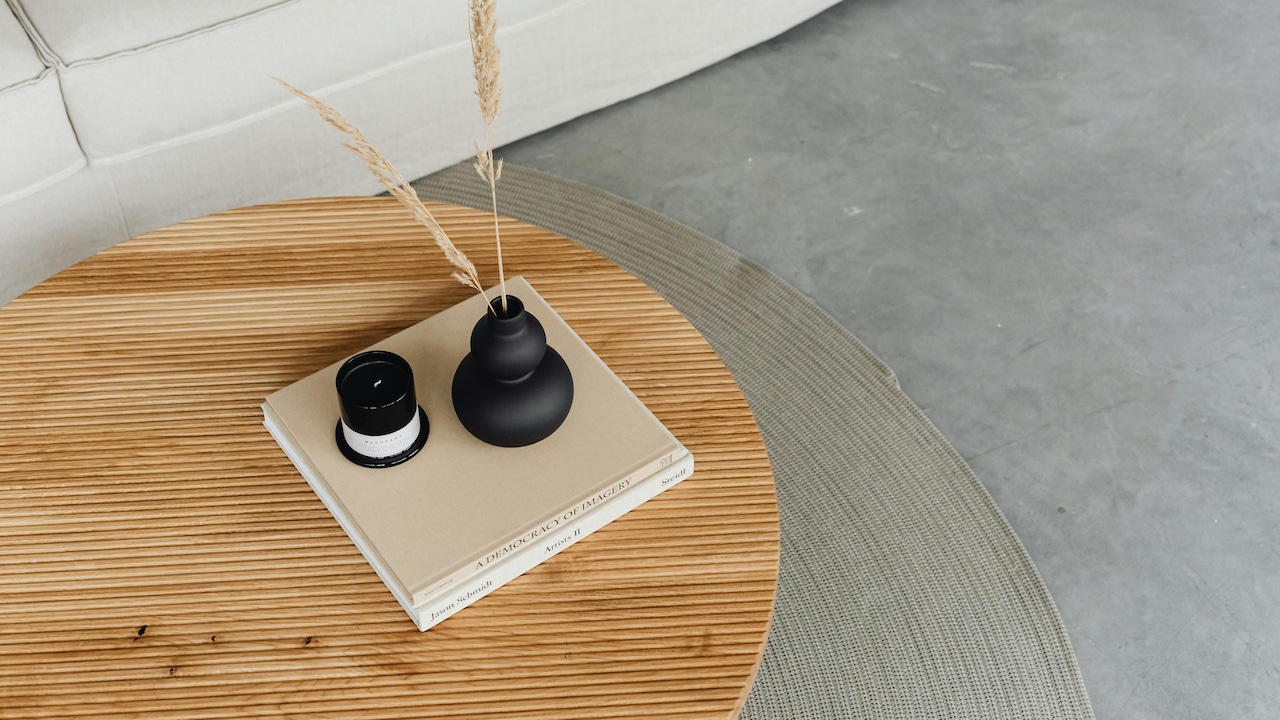
Features of round coffee tables for homes with kids
Anyone who has watched a toddler race through a living room knows the scene well. One moment, the child chases a toy car. The next moment comes a loud thud followed by dramatic crying that could wake up half the building. In many homes, sharp-edged furniture becomes the silent villain of these daily adventures. Coffee tables, placed right in the centre of activity, often take the blame. For years, furniture trends leaned towards sleek edges and geometric shapes. They looked elegant in catalogues and perfectly styled apartments. Yet real homes rarely stay spotless and motionless. They buzz with movement, laughter, spills, and chaos. Parents now seem less interested in furniture that merely photographs well. They want pieces that survive everyday life while keeping children safer.
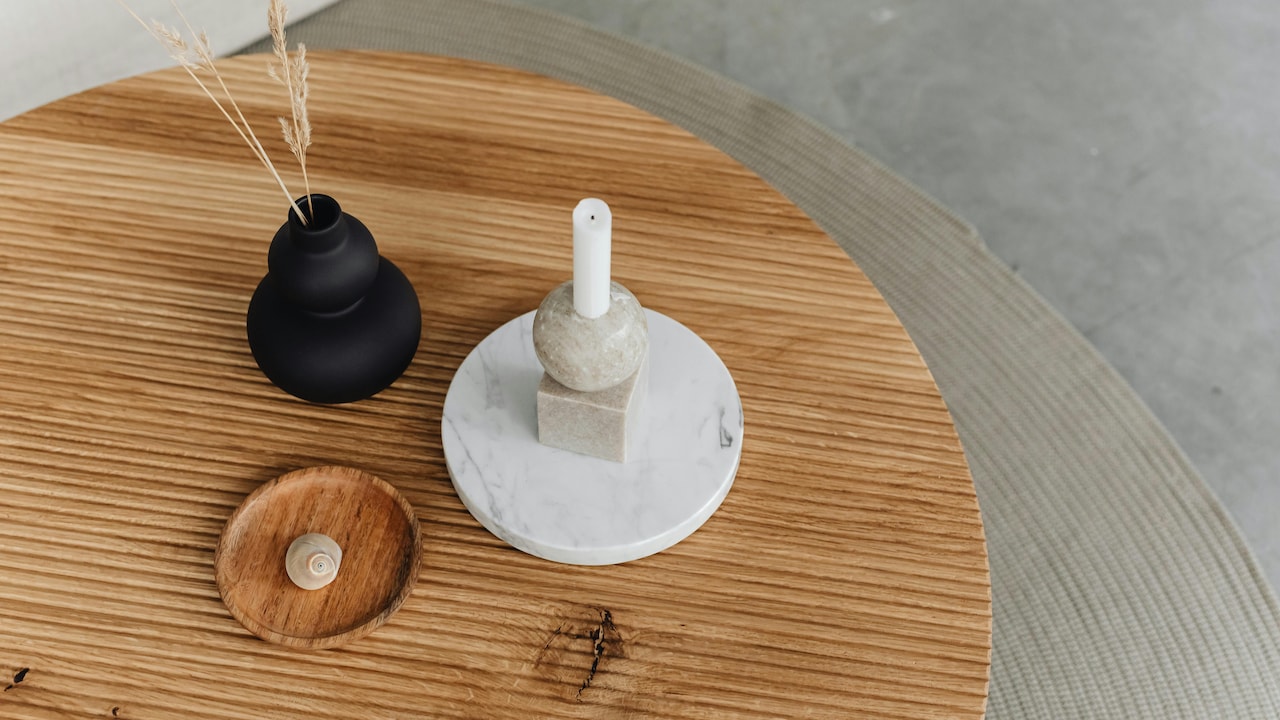
Read how round coffee tables make home safer for families; Photo Credit: Pexels
Rounded-corner coffee tables answer that need quietly and effectively. They do not scream “childproof furniture”. Instead, they blend into contemporary interiors while reducing the chances of nasty injuries. More importantly, they create a softer atmosphere in homes where comfort matters just as much as appearance. As living spaces become smaller and multifunctional, these curved designs also make movement easier and rooms feel less cramped.
This growing preference has less to do with trends and more to do with how families truly live today.
Also Read: Top 7 Coffee To Centre Tables Under ₹2,000 To Upgrade Your Living Room
Why Rounded-Corner Coffee Tables Are Becoming The Preferred Choice For Family Homes
Softer Edges Reduce Everyday Accidents
Children rarely walk calmly through a living room. They jump from sofa cushions, crawl under tables, and suddenly sprint after imaginary superheroes. In such moments, a sharp coffee table corner becomes surprisingly dangerous. Rounded edges reduce the severity of accidental bumps because the impact spreads more gently compared to pointed corners.
Parents who once rushed for ice packs after every collision often notice fewer dramatic accidents after switching to curved furniture. The difference may sound small, yet it matters greatly in homes with toddlers learning to balance or energetic schoolchildren who treat the house like a mini playground. A sharp corner at forehead height can easily lead to cuts or bruises. Rounded edges lower that risk without needing bulky safety guards stuck onto furniture.
There is also a psychological comfort involved. Adults naturally relax more when furniture feels safer around children. Grandparents visiting for weekends worry less. Even guests carrying babies around the house move more confidently. That sense of ease quietly changes the atmosphere of a home.
Interestingly, many families discover that rounded tables still look sophisticated. Gone are the days when safer furniture resembled nursery equipment. Today's designs combine elegance with practicality so seamlessly that most visitors barely notice the safety aspect first.
Compact Homes Benefit From Smoother Movement
Urban homes increasingly juggle multiple purposes within limited square footage. A living room may function as a workspace in the morning, a play zone in the afternoon, and an entertainment area in the evening. In such layouts, every inch counts. Sharp furniture corners often interrupt movement, especially in compact flats where pathways remain narrow.
Rounded coffee tables allow smoother navigation around the room. There are no jutting corners catching onto trousers, scratching legs, or blocking movement during rushed mornings. This becomes especially helpful in homes where children constantly weave through furniture while playing games or chasing siblings.
Many families also place floor mattresses or rugs around coffee tables during gatherings. Rounded edges create a more relaxed seating arrangement because people can move freely without awkwardly avoiding corners. During festivals or birthday celebrations, this flexibility feels particularly valuable when the house fills with guests, snacks, and excited children running around with balloons.
The visual effect also matters. Curved furniture softens the room's overall structure and creates an illusion of openness. Sharp lines sometimes make smaller rooms feel boxed in, while rounded shapes encourage a gentler visual flow. Even modest apartments can feel calmer and less cluttered through these subtle design choices.
For homes where every corner already serves a purpose, furniture that improves movement naturally becomes more appealing.
Rounded Shapes Create A Warmer Atmosphere
Furniture influences mood more than most people realise. A living room filled with hard lines and rigid shapes can feel formal, almost untouchable. Rounded furniture introduces softness into the environment, making spaces feel more welcoming and relaxed.
This matters greatly in family homes where comfort usually takes priority over perfection. Children naturally gravitate towards cosy, approachable spaces. Rounded coffee tables contribute to that feeling because curves appear gentler and friendlier than sharp geometric forms.
Interior designers often speak about “visual softness”, yet the concept becomes obvious in daily life. Imagine entering a room after a long commute through traffic and crowded trains. A softer-looking space instantly feels calmer. Rounded furniture subtly eases visual tension, especially when paired with warm lighting, textured rugs, and comfortable seating.
Families spending evenings together around the coffee table also benefit from this relaxed atmosphere. Whether someone serves samosas during a rainy evening or children spread puzzle pieces across the surface, the table becomes part of shared experiences rather than a rigid decorative object.
Curved shapes even complement many existing furniture styles. They work beautifully with wooden interiors, modern apartments, and earthy décor themes alike. This versatility explains why rounded coffee tables increasingly appear in homes that prioritise both beauty and comfort without turning the space into a showroom nobody can touch.
Parents Prefer Practical Style Over Fragile Trends
Furniture trends change quickly. One year, everyone wants marble tops and metallic finishes. The next year, minimalism dominates social media feeds. Yet parents often view furniture differently after children arrive. Suddenly, practicality matters far more than maintaining a perfectly curated aesthetic.
Rounded coffee tables reflect this shift beautifully. They still look modern and stylish, yet they suit everyday living better than sharply angular pieces. Families no longer want furniture that demands constant vigilance. Nobody enjoys shouting “careful!” twenty times a day while children move around the house.
Practical furniture also tends to last longer emotionally. Parents appreciate pieces that adapt to changing family routines rather than becoming stressful obstacles. A rounded coffee table works equally well during toddler years, teenage gatherings, and casual family dinners in front of the television.
Cost plays a role, too. Replacing broken decorative items or paying for minor repairs after accidents quickly becomes frustrating. Rounded tables reduce some of these risks naturally. Even when shopping within budgets around ₹8,000 to ₹20,000, families increasingly seek furniture that balances safety with durability.
Another noticeable change involves buying habits. Many homeowners now ask furniture stores specific questions about safety and child-friendliness. That conversation barely existed years ago. Today, people openly prioritise practical comfort without feeling embarrassed about choosing furniture based on real family needs.
Children Interact More Freely With Safer Furniture
Children rarely treat furniture as adults intend. A coffee table may become a race track for toy cars, a stage for dance performances, or a fort during rainy afternoons. Because children interact physically with their surroundings, safer furniture shapes make a significant difference.
Rounded corners encourage freer movement and play. Parents feel less anxious when children crawl around or lean against the table while drawing. This reduced tension benefits everyone because constant warnings often create unnecessary stress within homes.
Interestingly, children themselves seem more comfortable around softer shapes. Rounded furniture appears approachable rather than restrictive. Young children frequently bump into furniture simply because their spatial awareness is still developing. Curved edges reduce harsh impacts during these learning years.
Many families also use coffee tables creatively during daily routines. Homework sessions, craft activities, and family board games often happen around them. Rounded edges create a more inclusive setup because everyone can sit comfortably without awkwardly positioning themselves around sharp corners.
This flexibility becomes particularly useful during monsoon months when children spend more time indoors. Living rooms naturally transform into play areas, making safer furniture choices even more valuable. A rounded coffee table supports these changing activities without constantly reminding parents about potential accidents.
In many ways, these tables quietly support the joyful messiness that defines family life.
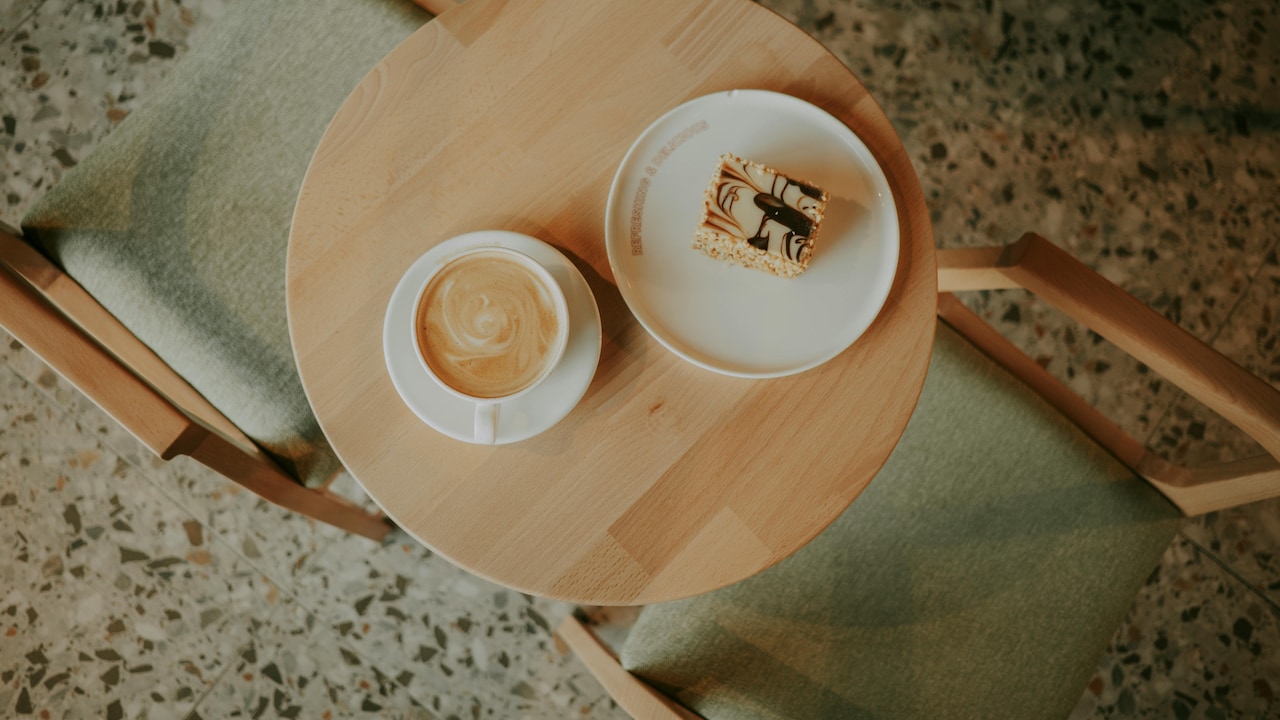
Children feel more comfortable and playful around safe furniture pieces; Photo Credit: Pexels
Modern Design Trends Favour Organic Shapes
Rounded furniture no longer feels outdated or overly traditional. In fact, contemporary interior trends increasingly embrace organic and curved shapes. Softer silhouettes now dominate many stylish homes because they create balance against rigid architectural lines.
Coffee tables with rounded edges fit perfectly into this movement. They offer a modern appearance while maintaining warmth and functionality. Unlike bulky traditional furniture, today's rounded tables often feature sleek wood finishes, elegant stone tops, or minimalist metal frames that suit urban interiors beautifully.
Designers also note that curved furniture photographs well without feeling cold or overly polished. This balance appeals strongly to younger homeowners who enjoy aesthetically pleasing spaces but still want homes that feel livable.
Social media likely influences this shift, too. Many people now notice how softer interiors appear more calming and inviting online. Rounded coffee tables contribute to those cosy, layered living rooms filled with books, textured cushions, and warm lighting.
Importantly, these tables work across changing trends. Sharp ultra-modern designs sometimes date quickly, while organic shapes tend to age more gracefully. Families investing in furniture, therefore, see rounded tables as safer long-term choices both practically and stylistically.
This combination of timelessness and functionality explains why curved furniture quietly continues gaining popularity without relying on flashy marketing campaigns.
Rounded Corners Support Better Flow During Gatherings
Family homes rarely stay quiet for long. Weekend visitors, festive celebrations, birthday parties, and evening chai sessions constantly transform living rooms into social spaces. During such gatherings, furniture placement becomes surprisingly important.
Rounded coffee tables improve movement because guests naturally circulate around them more comfortably. Nobody awkwardly bumps into sharp corners while balancing plates of pakoras or cups of coffee. Children weaving between adults also navigate more safely during crowded moments.
This smoother flow becomes especially valuable in apartments where entertaining space remains limited. A single pointed corner can suddenly feel irritating when ten people squeeze into one room during Diwali celebrations or cricket match screenings.
Rounded tables also encourage more casual seating arrangements. Guests sitting on floor cushions or rugs can position themselves freely around the table without discomfort. The room feels more relaxed and socially open rather than rigidly organised.
Many homeowners appreciate how curved furniture subtly encourages togetherness. The absence of harsh lines creates a gentler spatial experience where conversations flow more naturally. While that may sound overly poetic for a coffee table, anyone who hosts frequent gatherings understands how furniture shapes social comfort.
A living room should support connection rather than create obstacles. Rounded tables quietly achieve that goal while still looking elegant enough for everyday use.
Maintenance Becomes Easier For Busy Families
Children and spotless furniture rarely coexist peacefully. Sticky fingers, accidental spills, scattered crayons, and toy collisions become part of daily life. Furniture that handles this chaos gracefully naturally earns appreciation from exhausted parents.
Rounded coffee tables often prove easier to maintain because curved edges collect less visible damage compared to sharp corners. Pointed edges tend to chip, scratch, or wear down faster through repeated knocks. Rounded designs distribute impact more evenly and often retain their appearance longer.
Cleaning also feels simpler. Dust and crumbs gather less aggressively around softened edges, especially on wooden tables with smooth finishes. Busy households appreciate anything that reduces cleaning effort without sacrificing style.
Another overlooked advantage involves fabric safety. Sharp corners frequently snag clothing, scratch skin, or damage delicate upholstery nearby. Rounded edges minimise these frustrations significantly. Families with young children especially notice fewer torn pyjama sleeves or bumped knees during rushed mornings.
Furniture maintenance carries emotional weight, too. Parents already juggle school schedules, grocery runs, and endless household chores. Constantly worrying about preserving expensive furniture becomes tiring. Rounded coffee tables feel more forgiving and adaptable to everyday messiness.
That practical resilience quietly appeals to families seeking homes that support real life rather than demanding constant perfection.
Safety Features No Longer Compromise Aesthetics
Years ago, child-safe furniture often looked unattractive or overly specialised. Many people associated safer designs with bright plastic materials or bulky protective additions. Thankfully, furniture design has evolved significantly.
Modern, rounded coffee tables prove that safety and style can coexist effortlessly. Many designs now feature elegant wood grains, marble-inspired finishes, or contemporary neutral palettes that complement sophisticated interiors beautifully.
This shift matters because parents no longer want to sacrifice personal style after having children. Homes should still reflect individual taste while accommodating family needs. Rounded tables achieve that balance elegantly.
Furniture brands increasingly understand this demand. Many now intentionally design pieces that appear refined yet function safely within active households. Some tables even incorporate hidden storage, nesting features, or soft-close mechanisms alongside curved edges.
This evolution reflects changing attitudes towards parenting and interior design. Families no longer separate “adult spaces” from “child-friendly spaces” so strictly. Instead, they seek integrated homes where beauty and practicality exist together naturally.
Visitors often admire rounded coffee tables simply because they look inviting and modern. The safety benefits become an added advantage rather than the sole selling point. That subtlety explains why these tables feel like quiet lifestyle upgrades rather than obvious parenting purchases.
Homes Now Prioritise Emotional Comfort Too
Modern homes increasingly focus on emotional well-being alongside visual appeal. People want spaces that reduce stress, encourage relaxation, and support family connection. Furniture choices now play a larger role in creating that emotional comfort.
Rounded coffee tables contribute through their softer presence and safer functionality. Parents feel calmer when children move around without constant injury risks. Children enjoy greater freedom during play. Guests navigate spaces more comfortably. These small daily experiences collectively shape how a home feels emotionally.
After long workdays and crowded commutes, many people crave homes that feel gentle rather than sharp or overly structured. Rounded furniture subtly supports that atmosphere. Curves naturally appear more soothing to the human eye, which may explain why people increasingly gravitate towards them.
Even small rituals become more enjoyable around thoughtfully designed furniture. Morning coffee, evening conversations, or lazy Sunday lounging all feel more relaxed within spaces designed around comfort rather than strict formality.
Perhaps that explains why rounded coffee tables continue gaining popularity quietly instead of through dramatic trends. They simply fit modern family life better. Their appeal grows through lived experience rather than advertising slogans.
Sometimes the best design choices are not the loudest ones. They simply make everyday life feel easier, safer, and a little more peaceful.
Products Related To This Article
1. Brown Art SHOPPEE Round Coffee Table Home Décor Furniture Coffee Table Sets
2. Arvix Store Wooden Triangle Coffee Table
3. The ALPS Aurelia Orb Coffee Table
4. NEUDOT Smash Coffee Table with Storage
5. Solid Wood Coffee Table, Square, Natural Brown
6. The Attic Carlston Coffee Table, Coffee Table for Living Room
7. Home Furniture Wooden Center Coffee Table for Living Room and Office
Coffee tables with rounded corners may not seem revolutionary at first glance. They do not arrive with flashy technology or dramatic design statements. Yet their growing popularity reveals something important about how families now think about their homes.
People increasingly value furniture that supports real living rather than perfect appearances. Rounded coffee tables reduce everyday accidents, improve movement in compact spaces, and create warmer, calmer interiors without sacrificing style. They quietly adapt to the beautiful unpredictability of family life, where children play freely, guests gather often, and living rooms serve multiple purposes every single day.
Most importantly, these tables reflect a broader shift towards homes designed with comfort and emotional ease in mind. Parents no longer want to choose between safety and aesthetics. Thankfully, they no longer have to.
In the end, a rounded coffee table does more than soften corners. It softens the experience of living together in a busy home, and sometimes that small change makes all the difference.
(Disclaimer: This article may include references to or features of products and services made available through affiliate marketing campaigns. NDTV Convergence Limited (“NDTV”) strives to maintain editorial independence while participating in such campaigns. NDTV does not assume responsibility for the performance or claims of any featured products or services.)