Silicone Baking Tools vs Metal Tools: Which Last Longer For Frequent Bakers?
Silicone and metal baking tools both promise durability, but which truly survives years of regular baking? This is a practical comparison of lifespan, maintenance, heat resistance and long-term value.
Silicone Baking Tools vs Metal Tools: Which Last Longer For Bakers?
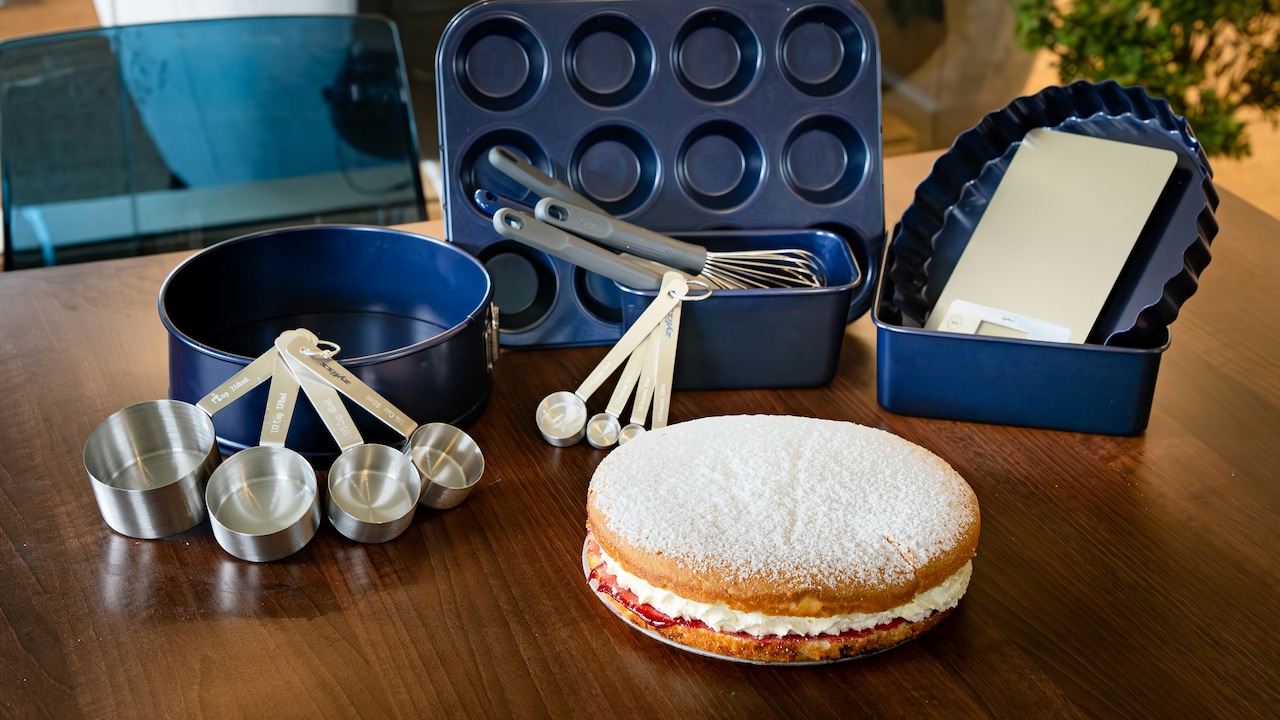
Baking has quietly transformed from a festive hobby into an everyday ritual. One neighbour experiments with sourdough on Sunday mornings, another spends evenings perfecting cupcakes for school events, while someone else swears by air-fryer brownies during monsoon cravings. Naturally, kitchen shelves now carry an interesting mix of colourful silicone spatulas and old-school metal trays inherited from mothers and grandmothers. The debate between silicone and metal baking tools often sounds dramatic. Silicone fans praise flexibility, easy cleaning, and cheerful colours. Metal loyalists insist nothing beats the reliability of sturdy steel or aluminium. Both sides have valid points. However, frequent bakers care about something more important than trends: durability.
Silicone Baking Tools vs Metal Tools: Which Last Longer For Bakers?; Photo Credit: Pexels
Nobody wants a muffin tray that bends after three uses or a spatula that melts during caramel making. When baking becomes a weekly routine, kitchen tools need to survive high heat, endless washing, accidental drops, and the occasional burnt-cookie emergency. Some products look stunning online but start peeling faster than old paint during summer heatwaves. So, which option truly lasts longer? The answer lies in understanding how these materials behave over time, how much maintenance they demand, and what kind of baking happens most often in the kitchen.
Tips To Pick Between Silicone Vs Metal For Everyday Baking
Silicone Tools Handle Everyday Wear Better Than Expected
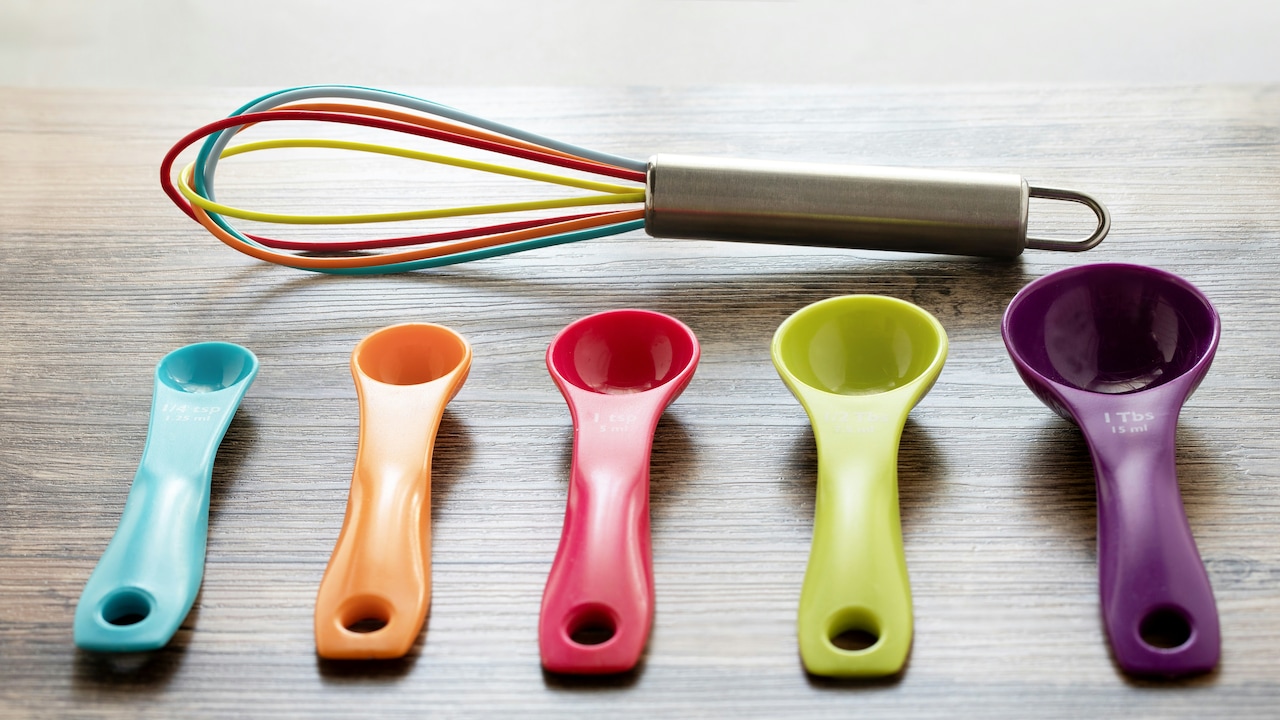
Silicone tools once carried the reputation of being flimsy gimmicks sold beside novelty cupcake liners. That perception has changed dramatically. Good-quality silicone spatulas, pastry brushes, moulds, and baking mats now survive years of regular use without much trouble.
One major advantage comes from flexibility. Silicone bends instead of denting. A metal tray dropped on a tiled floor might end up warped forever, while a silicone mould usually bounces back as if nothing had happened. Frequent bakers appreciate resilience during chaotic festival baking sessions when the kitchen resembles a battlefield of flour and melted chocolate.
Heat resistance also plays a big role. Premium silicone tools tolerate temperatures above 220°C comfortably. That means spatulas can stir hot caramel or thick halwa mixtures without cracking. Unlike cheap plastic, silicone rarely melts dramatically into culinary tragedy.
Still, quality matters enormously. Low-cost silicone tools often develop sticky surfaces after repeated heating. Some lose shape, fade, or absorb smells from strongly flavoured foods. A suspiciously cheap ₹199 baking set from a random online sale may not survive even one wedding season's worth of baking.
When chosen carefully, however, silicone tools handle daily stress surprisingly well and remain functional for years.
Also Read: The Only 10 Baking Tools You Will Ever Need: Are You Missing Any?
Metal Baking Tools Win In Structural Strength
Metal tools dominate when strength and stability matter most. Heavy-duty baking trays, cake tins, loaf pans, and cooling racks endure intense use without wobbling or collapsing. Frequent bakers often trust metal because it feels dependable in the hands.
There's also a psychological comfort attached to metal cookware. A thick aluminium tray with slight burn marks tells stories. It carries memories of countless cookies, birthday cakes, and overambitious Diwali dessert experiments. Silicone rarely creates that same nostalgic confidence.
More importantly, metal handles weight exceptionally well. Dense fruit cakes, layered lasagnas, and heavy breads need stable support. Silicone moulds can sometimes bend awkwardly while transferring from the counter to the oven, especially with liquid batter. That wobble alone has caused many kitchen disasters involving spilt red velvet batter and silent regret.
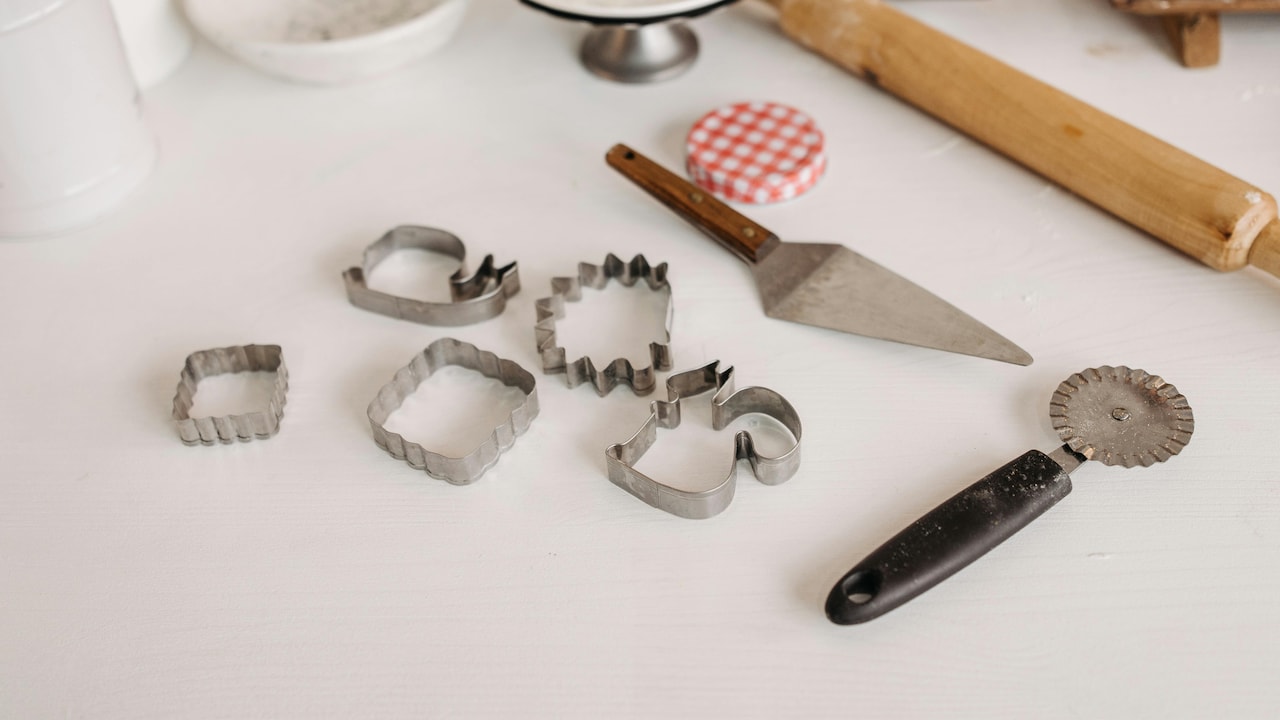
Metal also survives rough treatment better in some situations. A steel whisk tossed carelessly into the sink usually emerges unharmed. A silicone whisk may eventually loosen or tear near the edges.
However, metal tools face their own durability challenges. Rust remains the biggest enemy, especially in humid weather. Cheap coatings peel off over time, and thin trays warp after repeated exposure to high heat. Frequent bakers often discover this when one side of the tray suddenly lifts like a tiny mountain range in the oven.
Silicone Baking Tools vs Metal Tools: Which Last Longer For Bakers?; Photo Credit: Pexels
Silicone Offers Better Resistance Against Rust And Corrosion
Humidity can destroy metal tools faster than baking itself. Kitchens near coastal areas especially struggle with rust appearing in surprising places. One forgotten muffin tray left damp overnight suddenly looks ancient by morning.
Silicone avoids this issue completely. It doesn't rust, corrode, or react with moisture. That makes it particularly attractive for busy households where baking tools often dry slowly during monsoon season. Silicone baking mats and moulds remain largely unaffected even after endless washing cycles.
Another overlooked benefit involves acidic ingredients. Lemon juice, vinegar, tomato-based sauces, and fruit fillings sometimes react with certain metals over time. Silicone stays chemically stable during regular baking tasks. Frequent bakers using citrus-heavy recipes appreciate that reliability.
Maintenance also feels simpler. Silicone usually cleans with minimal effort because food releases easily from the surface. Metal pans often demand soaking, scrubbing, or careful greasing to avoid stubborn residue. Anyone who has spent twenty minutes attacking burnt brownie corners with a steel scrubber knows the emotional damage involved.
That said, silicone still requires proper care. Sharp knives or metal spatulas can slice through softer moulds. Strong stains from turmeric or artificial colours occasionally linger too. Yet compared to rust-prone metal tools, silicone generally survives moisture-heavy kitchen conditions with less stress and fewer maintenance headaches.
Metal Performs Better Under Extremely High Temperatures
Frequent bakers pushing ovens to maximum temperatures often lean towards metal for one important reason: heat endurance. Metal tolerates intense temperatures without losing structure or shape. Professional bakers especially rely on this stability for bread baking and roasting.
Silicone handles high heat reasonably well, but continuous exposure to extreme temperatures slowly weakens lower-quality products. Over time, some silicone mats become brittle or slightly sticky around the edges. That doesn't happen overnight, yet regular high-heat baking accelerates wear.
Metal trays also distribute heat more aggressively. This leads to crispier pizza bases, better browning, and stronger caramelisation. Bakers chasing bakery-style textures often prefer aluminium or steel for this reason alone. Silicone tends to insulate slightly, creating softer edges and gentler baking results.
There's also the matter of direct flame or grill exposure. Metal survives these situations far more comfortably. Silicone tools near open flames can scorch permanently. One accidental brush against a gas burner usually leaves ugly scars behind.
Still, not every home baker constantly works with blazing temperatures. Many simply bake cookies, cakes, muffins, and tea-time snacks at moderate heat. In those situations, silicone performs perfectly well. The real difference appears when baking turns more intensive and oven temperatures regularly climb into professional territory.
Silicone Tools Usually Last Longer In Non-Stick Performance
Non-stick performance matters more than most people admit. Nothing ruins baking confidence faster than a half-baked cake refusing to leave the pan gracefully. Metal tools often begin beautifully non-stick but gradually lose effectiveness.
Many metal pans depend on protective coatings. After repeated use, washing, and scraping, those coatings wear down. Suddenly, brownies stick stubbornly to corners, and parchment paper becomes non-negotiable. Once coating damage begins, the decline often speeds up quickly.
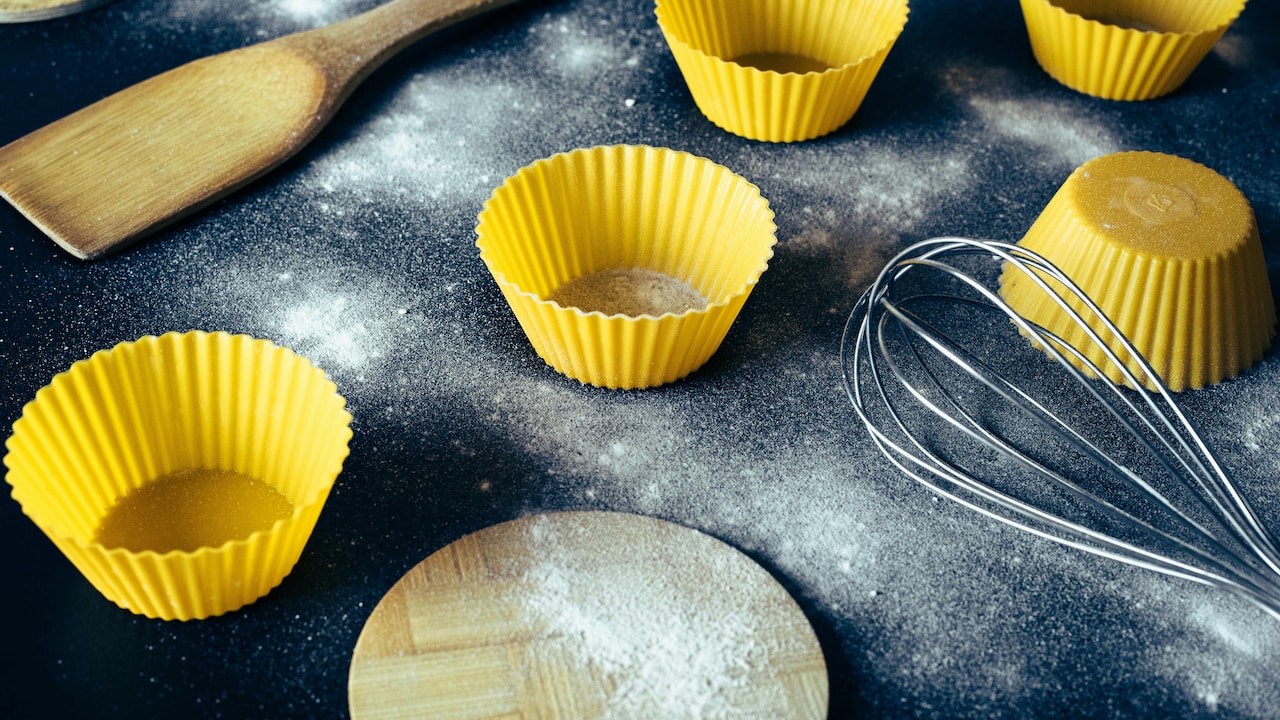
Silicone naturally offers non-stick qualities without requiring chemical coatings. Cakes release easily, muffin moulds flex effortlessly, and cleaning becomes almost relaxing. Frequent bakers who produce multiple batches every week appreciate this convenience enormously.
Silicone baking mats especially shine here. Good-quality mats survive hundreds of uses without major sticking problems. Over time, they often outlast disposable parchment paper habits and reduce kitchen waste as well.
However, silicone's non-stick surface isn't immortal. Oil build-up eventually affects performance if tools aren't cleaned properly. Some bakers notice a greasy film developing after months of use. Thankfully, thorough washing usually restores functionality.
Metal can still outperform silicone in specific recipes requiring sharp crusts or deep browning. Yet when measuring long-term non-stick reliability, silicone generally maintains consistency longer without needing extra greasing or replacement coatings.
Frequent Cleaning Impacts Both Materials Differently
Frequent bakers clean tools constantly. That repeated washing quietly determines lifespan more than most people realise. The difference lies in how each material reacts to cleaning habits over time.
Metal tools often struggle with aggressive scrubbing. Steel wool damages coatings, creates scratches, and invites rust. Dishwashers can also dull finishes or weaken protective layers. Eventually, once-smooth pans become rough and uneven.
Silicone handles dishwashers far more comfortably. Most silicone spatulas, mats, and moulds tolerate repeated washing without visible damage. They don't scratch easily and rarely need heavy scrubbing. This convenience saves both time and frustration after long baking sessions.
Yet silicone presents its own cleaning challenge. Grease sometimes clings stubbornly to lower-quality surfaces. Certain moulds develop a slightly slippery feel despite washing. That issue usually signals oil absorption from poor-grade silicone rather than dirt alone.
Metal tools, meanwhile, can become discoloured or stained after years of use. Some bakers actually enjoy that worn appearance because it reflects years of successful recipes. Others see it as proof that the tool needs replacing immediately.
Ultimately, cleaning habits influence durability heavily. Gentle handwashing extends the life of metal pans, while proper degreasing helps silicone maintain texture and flexibility for much longer.
Silicone Baking Tools vs Metal Tools: Which Last Longer For Bakers?; Photo Credit: Pexels
Metal Tools Age Gracefully Over Decades
One undeniable truth gives metal a strong advantage in longevity discussions: well-made metal tools can last decades. Some households still use aluminium cake tins purchased during the 1980s, complete with faded handles and stories attached.
Metal ages visibly but often remains functional despite cosmetic wear. Scratches, slight discolouration, or minor dents rarely stop a sturdy tray from baking excellent biscuits. Many experienced bakers actually prefer older metal pans because years of use improve seasoning and performance.
Silicone rarely develops that same “veteran kitchen hero” personality. Once silicone starts degrading, replacement becomes inevitable. Tears, peeling surfaces, or permanent stickiness usually signal the end. Repair options barely exist.
There's also emotional durability to consider. Metal tools carry sentimental value surprisingly well. A grandmother's old rolling pin or cake tin often survives multiple generations. Silicone tools feel more modern and practical but less timeless.
Still, longevity depends heavily on quality. Cheap metal pans warp quickly, rust aggressively, and lose coatings within months. Premium stainless steel or anodised aluminium tools, however, often justify higher prices because they endure years of regular baking without dramatic decline.
For bakers seeking tools that may outlive kitchen trends entirely, metal still holds a strong advantage.
Silicone Excels In Convenience For Modern Home Baking
Modern kitchens prioritise convenience more than ever. Between work schedules, school runs, and endless notifications, nobody wants complicated baking equipment demanding special treatment. Silicone fits beautifully into that fast-paced routine.
Storage becomes easier because silicone tools flex and stack efficiently. A set of silicone muffin cups occupies barely any drawer space compared to rigid metal trays. Small kitchens benefit enormously from that practicality.
Silicone tools also weigh less. Carrying a large metal roasting tray full of batter feels like gym training after a long day. Silicone moulds reduce that strain considerably. Older bakers or those with wrist discomfort often prefer lighter options for this reason.
Noise matters too, strangely enough. Metal trays clanging around early in the morning can wake an entire household. Silicone tools operate quietly, which feels oddly luxurious during peaceful weekend baking.
Children learning to bake often feel more comfortable using silicone as well. Flexible moulds, colourful spatulas, and lighter trays create a friendlier experience. Nobody panics when a silicone cupcake mould slips dramatically onto the counter.
Convenience alone doesn't guarantee a longer lifespan, of course. Yet tools that feel easier to use and maintain usually remain in regular rotation longer rather than gathering dust at the back of cabinets.
Cost Versus Longevity Changes The Real Value Equation
Price often influences buying decisions more than durability statistics. Frequent bakers naturally wonder whether expensive tools truly justify the investment.
Silicone tools vary wildly in quality. Budget sets around ₹300 may look attractive initially, but often degrade quickly. Premium food-grade silicone tools cost significantly more yet survive years without issues. In many cases, paying extra prevents repeated replacement costs.
Metal tools follow a similar pattern. Thin trays and cheaply coated pans wear out rapidly. Meanwhile, sturdy stainless steel or anodised aluminium products can last long enough to feel practically permanent.
The smarter approach involves calculating long-term value rather than initial price alone. A ₹2,500 heavy-duty baking tray lasting ten years ultimately costs less than replacing ₹700 trays every year due to warping or rust.
Frequent bakers also save money through consistent performance. Reliable tools reduce ruined batches, uneven baking, and unnecessary frustration. That matters when ingredients themselves have become increasingly expensive.
Interestingly, many experienced bakers eventually build mixed collections rather than choosing one material exclusively. Silicone handles spatulas, moulds, and liners beautifully, while metal dominates trays, loaf tins, and roasting pans. This balance often delivers the best durability overall without forcing unnecessary compromises.
Products Related To This Article
1. Silicone Oil Brush & Spatula Set, Oven Mitts, 9-Inch Tongs with Silicone Tips
2. Curated Cart Premium Cake Making Set - Combo Carbon Steel Cake Baking for Microwave OTG Oven and Dishwasher Safe
3. Clazkit Silicone Muffin Cup Moulds - 8 Pieces, Assorted
4. EVEN Cake Palette Knife, Stainless_Steel Icing Spatula
5. 3PCS Kitchen Silicone Brush Set
6. Dough Scraper Stainless Steel with Handle
7. Air Fryer Liners Silicone Air Fryer Liner Reusable
The battle between silicone and metal baking tools doesn't end with a dramatic winner standing proudly beside a perfectly baked cake. Both materials offer impressive durability when chosen carefully and maintained properly.
Silicone shines through flexibility, rust resistance, easy cleaning, and long-lasting non-stick performance. It suits modern kitchens, casual bakers, and anyone tired of scraping burnt cake from stubborn corners. Good-quality silicone tools handle frequent baking remarkably well and simplify everyday cooking routines.
Metal, however, remains the heavyweight champion of structural strength and long-term endurance. Premium metal pans tolerate extreme heat, age gracefully, and often survive decades of regular use. Serious bakers chasing crisp textures and professional consistency still rely heavily on metal.
For frequent bakers, the smartest solution rarely involves choosing one side completely. Instead, successful kitchens usually combine both. Silicone spatulas and moulds work beautifully alongside dependable metal trays and tins. Each material fills different roles, much like tea and biscuits during rainy evenings. Better together, impossible to replace entirely.
In the end, durability depends less on trends and more on thoughtful buying choices. A carefully selected tool, whether silicone or metal, can survive countless celebrations, midnight cravings, and experimental baking disasters with equal loyalty.
(Disclaimer: This article may include references to or features of products and services made available through affiliate marketing campaigns. NDTV Convergence Limited (“NDTV”) strives to maintain editorial independence while participating in such campaigns. NDTV does not assume responsibility for the performance or claims of any featured products or services.)






![Steam Iron Teflon Shoe Cover for ES-300,ST-96 [Only For ES-300 and ST-96 Model Electric Steam Irons]](https://m.media-amazon.com/images/I/51wwkttondL._SL160_.jpg)