How To Pick Mattress Toppers That Actually Improve Back Support
Struggling with back pain at night? Learn how to choose mattress toppers that improve spinal support, reduce pressure points, and actually help you wake up feeling rested.

Try these tips to find mattress toppers that enhance comfort the way you imagine
Back pain has become the unwanted roommate in countless homes. Long office hours, poor posture, endless scrolling on phones, and mattresses that have survived far beyond retirement age all play a part. Yet many people hesitate before replacing an expensive mattress. That is where mattress toppers enter the picture. A good topper can breathe fresh life into an ageing mattress and provide proper spinal support without draining the bank account. However, not every topper deserves the praise splashed across advertisements. Some feel cosy for a week and then flatten like a forgotten samosa under a newspaper. Others trap heat, sag in the middle, or create pressure points that make mornings miserable.
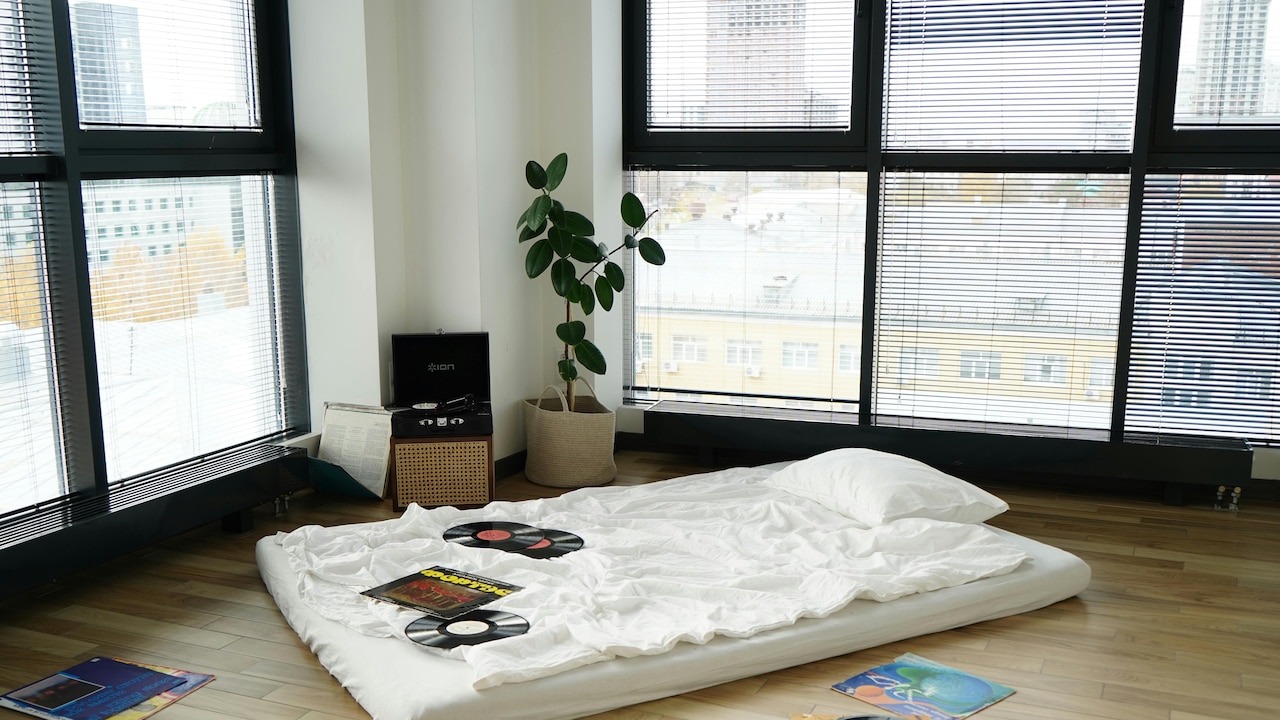
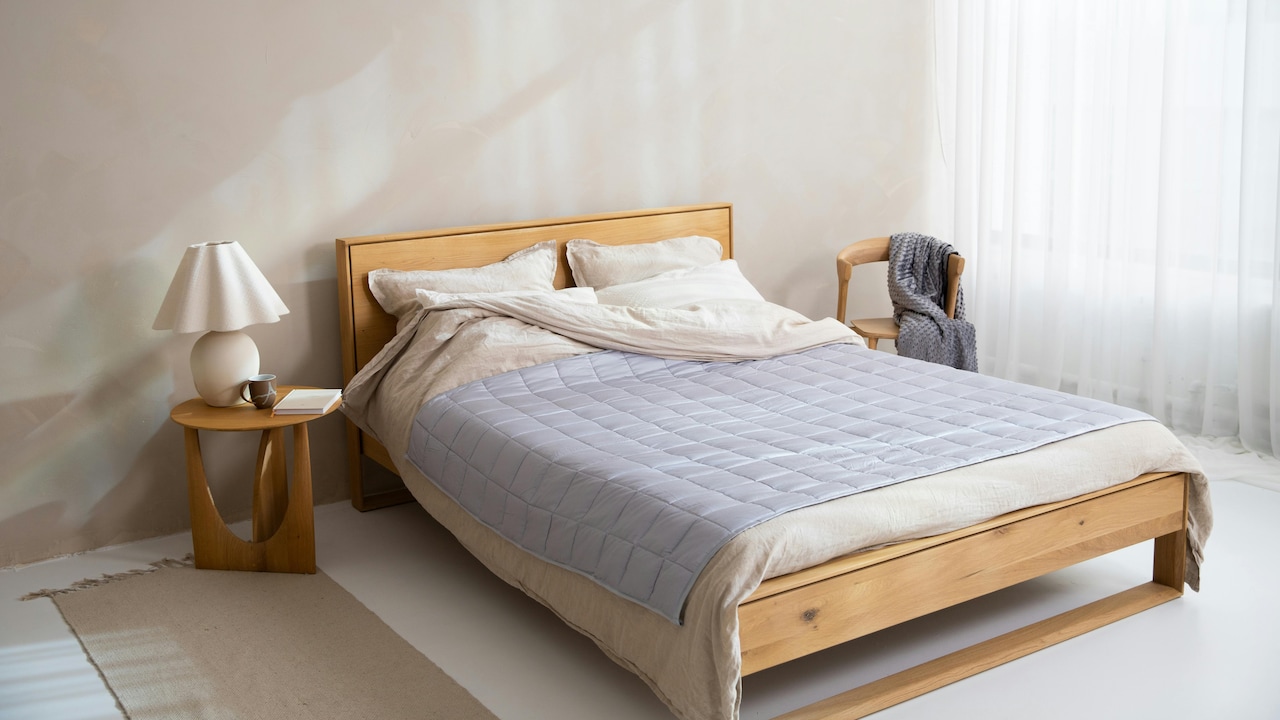
Easy tips to find mattress toppers that actually enhance comfort while sleeping; Photo Credit: Pexels
Choosing the right topper requires more than touching a sample in an air-conditioned showroom. Sleep style, body weight, firmness preferences, and even weather conditions matter. A mattress topper should support the spine naturally while reducing stress on muscles and joints. Comfort matters too, because nobody sleeps peacefully while feeling like a board balanced on concrete.
The search can feel confusing with endless options in memory foam, latex, gel layers, and fancy cooling technology. Still, understanding a few practical details makes the decision far easier. The right topper does not simply soften the bed. It improves alignment, eases discomfort, and helps the body recover after a long day.
Also Read: Best Mattresses For Back Pain Relief: Features That Help and Features That Are Just Marketing
How Mattress Toppers Can Improve Back Support
Understand Why Back Support Matters More Than Softness
Many shoppers confuse softness with comfort. A mattress topper that feels cloud-like in the showroom may leave the spine unsupported through the night. That gentle sinking sensation often sounds appealing at first, but excessive softness can force the lower back into awkward positions. The result usually appears the next morning through stiffness, soreness, and the kind of groaning usually heard when climbing stairs after leg day.
Proper back support keeps the spine aligned in a natural position. The shoulders, hips, and lower back should remain balanced without dipping too deeply into the mattress. A topper should distribute body weight evenly rather than create pressure points.
People with existing back pain often benefit from medium-firm toppers because they provide cushioning without sacrificing structure. Very soft toppers may suit lightweight sleepers, but heavier individuals usually need denser support.
Comfort also changes depending on sleeping position. Side sleepers need cushioning around the hips and shoulders, while back sleepers require firmer lumbar support. Stomach sleepers face the biggest challenge because excessive sinking can strain the neck and spine.
The best toppers strike a balance between comfort and alignment. A bed should feel inviting, not like sleeping on a wooden bench during a delayed train journey. At the same time, it should not swallow the body whole either.
Choose The Right Material For Lasting Support
Material plays a huge role in how a topper supports the body. Memory foam remains one of the most popular choices because it contours closely around pressure points. It works especially well for people with joint pain or uneven weight distribution. However, low-quality memory foam often traps heat and loses shape over time.
High-density memory foam performs better because it maintains its structure longer. Although slightly pricier, it offers stronger support and durability. Cheap foam may seem tempting during online sales, but flattening within months usually turns the bargain into regret.
Latex toppers offer a completely different feel. They remain bouncy, responsive, and cooler than memory foam. Natural latex also resists dust mites and lasts longer. Many sleepers appreciate how latex supports the body without creating the sinking sensation common with softer foams.
Feather toppers feel luxurious but rarely improve back support significantly. They compress quickly and lack the firmness needed for spinal alignment. Fibre-filled options often face the same issue.
Gel-infused toppers help with cooling, especially during humid nights when even ceiling fans seem exhausted. Yet cooling technology alone should not drive the purchase. Support still matters most.
A topper should suit both the sleeper and the climate. Nobody enjoys waking up sweaty and sore while the topper silently slides off the bed like a badly folded bedsheet.
Pick The Correct Thickness Instead Of The Thickest Option
Thicker does not always mean better. Many people assume a massive topper automatically equals luxury and support. In reality, choosing the wrong thickness can worsen back discomfort.
Most back support toppers fall between 2 and 4 inches. A 2-inch topper works well for slightly adjusting firmness without dramatically changing mattress feel. It suits newer mattresses that only need mild enhancement.
A 3-inch topper provides deeper cushioning and stronger pressure relief. This option suits people dealing with moderate discomfort or mattresses that feel too hard. It balances support and comfort effectively for many sleepers.
Very thick toppers, especially beyond 4 inches, may create excessive sinking. That can throw spinal alignment completely off balance. While they feel plush initially, they often reduce support for the lower back.
Body weight matters too. Heavier sleepers generally compress thinner toppers more quickly and may need denser materials rather than simply extra thickness. Lightweight sleepers usually feel supported with moderate layers.
The mattress underneath also affects performance. A topper cannot magically rescue a mattress with broken springs or deep sagging. That situation resembles placing a decorative cushion on a collapsing plastic chair and hoping guests will not notice.
The ideal thickness gently improves comfort while maintaining healthy posture throughout the night. Support should feel natural rather than dramatic.
Match Firmness To Sleeping Position
Sleeping position influences nearly every aspect of topper comfort. A topper that feels wonderful for a side sleeper may feel dreadful for someone who sleeps flat on their back.
Side sleepers need enough cushioning to protect the hips and shoulders. Without pressure relief, these areas press too hard against the mattress, causing discomfort and numbness. Medium-soft memory foam or latex often works best because it cushions curves while supporting the waist.
Back sleepers usually need medium-firm support. The lower back requires gentle contouring without deep sinking. A topper that feels too soft can arch the spine awkwardly, creating strain around the lumbar area.
Stomach sleepers often struggle the most because soft surfaces push the midsection downward. This creates pressure around the spine and neck. Firmer toppers help keep the body aligned more evenly.
Combination sleepers who constantly shift positions should look for responsive materials like latex. These materials adapt quickly without trapping movement.
Firmness preferences also change with age. Younger sleepers may tolerate softer surfaces comfortably, while older adults often prefer additional support for aching joints and muscles.
Testing firmness matters because labels can feel misleading. One company's “medium” may feel softer than another brand's “plush.” Choosing blindly online sometimes feels like ordering spicy food without asking about chilli levels first.
Check Density Instead Of Falling For Marketing Claims
Advertisements love dramatic promises. Words like “orthopaedic,” “premium,” and “luxury support” appear everywhere, often without explaining what actually makes the topper effective. Density tells a far more honest story.
Foam density affects durability and support. High-density foam lasts longer and prevents the body from sinking excessively. Low-density foam may feel soft initially but tends to flatten quickly, especially under heavier body weight.
Memory foam density usually ranges from low to high. Medium to high-density foam works best for back support because it balances contouring and stability. Extremely soft foam often lacks structural strength.
Density also influences motion isolation. Couples benefit from denser materials because movement transfers less across the bed. Nobody enjoys waking up every time a partner decides to perform midnight gymnastics while adjusting pillows.
Although denser toppers cost more, they usually outlast cheaper alternatives. Spending ₹8,000 on a durable topper often proves wiser than replacing a ₹3,000 topper every year.
Reading customer reviews helps identify whether a topper maintains shape over time. Repeated complaints about sagging, flattening, or body impressions usually reveal poor density quality.
A topper should maintain support night after night, not just during the first week when everything still smells new and exciting.
Always check the foam density of mattress toppers to find a comfortable option; Photo Credit: Pexels
Consider Heat Retention Before Buying
Comfort disappears quickly when sleep turns sweaty. Heat retention remains one of the biggest complaints with mattress toppers, especially foam varieties. Warm weather and humid nights can make certain toppers feel unbearable.
Traditional memory foam tends to trap body heat because it hugs the sleeper closely. While that contouring effect relieves pressure, it can also create uncomfortable warmth. Many newer toppers now include cooling gel layers, ventilated foam, or breathable covers to improve airflow.
Latex naturally sleeps cooler because air circulates more easily through the material. Cotton covers also improve breathability compared to synthetic fabrics that trap warmth.
People who already sleep hot should avoid excessively dense closed-cell foams without cooling features. Otherwise, sleep may involve endless tossing, pillow flipping, and bargaining with the ceiling fan for mercy.
Room temperature matters too. Air-conditioned bedrooms tolerate warmer toppers better, while naturally ventilated homes often need cooler materials.
Cooling features should support comfort without compromising firmness. Some ultra-cool toppers feel too soft and fail to support the spine properly.
Testing temperature regulation becomes especially important during the summer months when nighttime humidity turns even simple chores into endurance tests. Nobody wants to wake up feeling like a steamed momo trapped under blankets.
Make Sure The Topper Fits The Mattress Properly
A poorly fitting topper creates frustration faster than tangled earphones in a pocket. Even high-quality materials fail to perform properly when the topper slides, bunches, or hangs awkwardly over the edges.
Always measure the mattress carefully before buying. Mattress sizes can vary slightly between brands, especially older models. A topper that shifts constantly disrupts sleep and weakens support.
Elastic corner straps help secure the topper in place. Some premium models include anti-slip bases that reduce movement during the night. These features matter more than many shoppers realise.
Mattress height also affects fit. Very thick mattresses may require deep-pocket covers or fitted sheets to hold everything together comfortably.
Couples should pay extra attention to edge support. Weak edges cause sagging near the sides, making the bed feel smaller and less stable.
A topper should feel like part of the mattress rather than an unstable extra layer balancing on top. Otherwise, every movement creates bunching and uneven pressure.
Proper fit also improves durability because the topper experiences even wear across the surface. Constant shifting increases stress on seams and foam structure.
The goal involves creating a seamless sleeping surface that supports movement naturally through the night.
Pay Attention To Trial Periods And Warranty Policies
Buying a mattress topper without a trial period can feel risky because comfort remains deeply personal. A topper may receive glowing reviews online yet still feel uncomfortable after several nights of actual use.
Reputable brands often provide trial periods ranging from a few days to several weeks. This allows sleepers to test support, firmness, and temperature regulation properly. The body sometimes needs time to adjust to a new sleeping surface.
Warranty policies also reveal confidence in product quality. Longer warranties usually indicate stronger durability and better construction. Sagging protection matters particularly with foam toppers.
Reading return conditions carefully prevents unpleasant surprises later. Some brands charge return shipping or reject products without original packaging.
Online shopping offers convenience and discounts, but customer service quality becomes crucial when issues arise. Fast responses and transparent policies often separate trustworthy brands from flashy marketing campaigns.
Budget matters too, but an extremely cheap topper often compromises quality. A decent support topper generally costs between ₹5,000 and ₹20,000, depending on size and material.
Sleep affects productivity, mood, and physical recovery. Saving a small amount upfront may lead to bigger expenses later through poor sleep and worsening discomfort.
A topper should feel like a smart investment rather than another household purchase collecting regret beside unused exercise equipment.
Think About Allergies And Hygiene Needs
Sleep surfaces collect dust, sweat, dead skin, and allergens over time. People with allergies or respiratory sensitivities should pay close attention to topper materials and maintenance requirements.
Natural latex resists dust mites and mould effectively, making it a strong option for allergy-prone households. Some memory foam toppers also include antimicrobial treatments that improve hygiene.
Removable, washable covers simplify maintenance significantly. Without a washable cover, cleaning becomes difficult and unpleasant. Nobody wants to wrestle a giant foam slab during weekend cleaning sessions.
Breathable materials reduce moisture build-up, helping prevent odours and bacterial growth. Humid weather conditions increase the importance of airflow and cleanliness.
Cheap synthetic materials may release strong chemical smells initially. Certified low-emission foams usually feel safer and more comfortable indoors.
Regular airing and cleaning extend topper's lifespan considerably. Rotating the topper every few months also helps distribute wear evenly.
Pet owners should choose durable covers because claws, fur, and accidental spills can damage delicate materials quickly. One energetic dog sprinting across the bed can undo careful bedding arrangements within seconds.
A clean topper supports both comfort and health. Fresh sleep surfaces simply feel more inviting after a long, exhausting day.
Balance Budget With Long-Term Value
Price influences nearly every buying decision, yet the cheapest topper rarely delivers the best back support. Many budget products rely on low-density foam that compresses rapidly and loses shape within months.
A topper should last several years with proper care. Spending slightly more upfront often saves money over time because replacement becomes less frequent. High-quality materials maintain support far longer.
However, expensive branding alone does not guarantee comfort. Some luxury products focus heavily on appearance and packaging rather than practical support. Fancy advertisements cannot straighten a poorly aligned spine.
Comparing specifications matters more than chasing trends. Density, thickness, material quality, warranty, and customer reviews reveal more than celebrity endorsements ever will.
Sales periods can offer worthwhile discounts, especially during festive shopping seasons. Yet impulse buying remains risky without understanding actual support needs.
A topper should improve daily life. Better sleep often leads to improved concentration, reduced fatigue, and fewer aches during work hours. That value stretches beyond simple comfort.
Good sleep supports everything from mood to productivity. Waking up refreshed instead of cranky changes the tone of an entire day. Even morning tea tastes better after proper rest.
The smartest purchase balances affordability with durability, comfort, and genuine spinal support.
Products Related To This Article
1. Frido Ultimate Mattress Topper with Premium Cover for Single Bed
2. SleepSmith Orthopedic Mattress Topper
3. AVI Luxury Soft 5D Spiral 2500 GSM Microfiber Queen Bed Mattress Topper
4. SleepyHug OrthoSoft PRO Mattress Topper
5. AVI Super Soft 500 GSM Microfiber Mattress Topper for Single Bed
6. RRC Cotton Super Soft 700 GSM Hollow Fiber Filled Mattress Padding
7. Cloth Fusion 600 GSM Mattress Topper King Size Bed
A mattress topper can transform sleep quality when chosen carefully. The right topper supports the spine, relieves pressure points, and improves comfort without creating excessive softness or heat. Material, density, thickness, firmness, and fit all play important roles in how effectively a topper supports the back.
The best choices rarely come from flashy advertising or bargain-bin deals. Instead, thoughtful selection based on sleeping position, body weight, and comfort needs delivers far better results. A topper should enhance the mattress rather than fight against it.
Good sleep remains one of the simplest ways to support overall health and energy. Waking up without stiffness or soreness changes the rhythm of everyday life, whether facing traffic, office deadlines, or endless household chores.
Choosing wisely means fewer restless nights and more mornings that begin with comfort instead of complaints from the lower back.
(Disclaimer: This article may include references to or features of products and services made available through affiliate marketing campaigns. NDTV Convergence Limited (“NDTV”) strives to maintain editorial independence while participating in such campaigns. NDTV does not assume responsibility for the performance or claims of any featured products or services.)







![Steam Iron Teflon Shoe Cover for ES-300,ST-96 [Only For ES-300 and ST-96 Model Electric Steam Irons]](https://m.media-amazon.com/images/I/51wwkttondL._SL160_.jpg)