Why Ceramic Non-Stick Pans Often Lose Coating Faster Than Expected
Ceramic non-stick pans often lose their coating due to high heat, rough cleaning, and daily wear. Small kitchen habits can quietly damage the surface much faster than most people expect.

Why Ceramic Non-Stick Pans Often Lose Coating Faster Than Expected
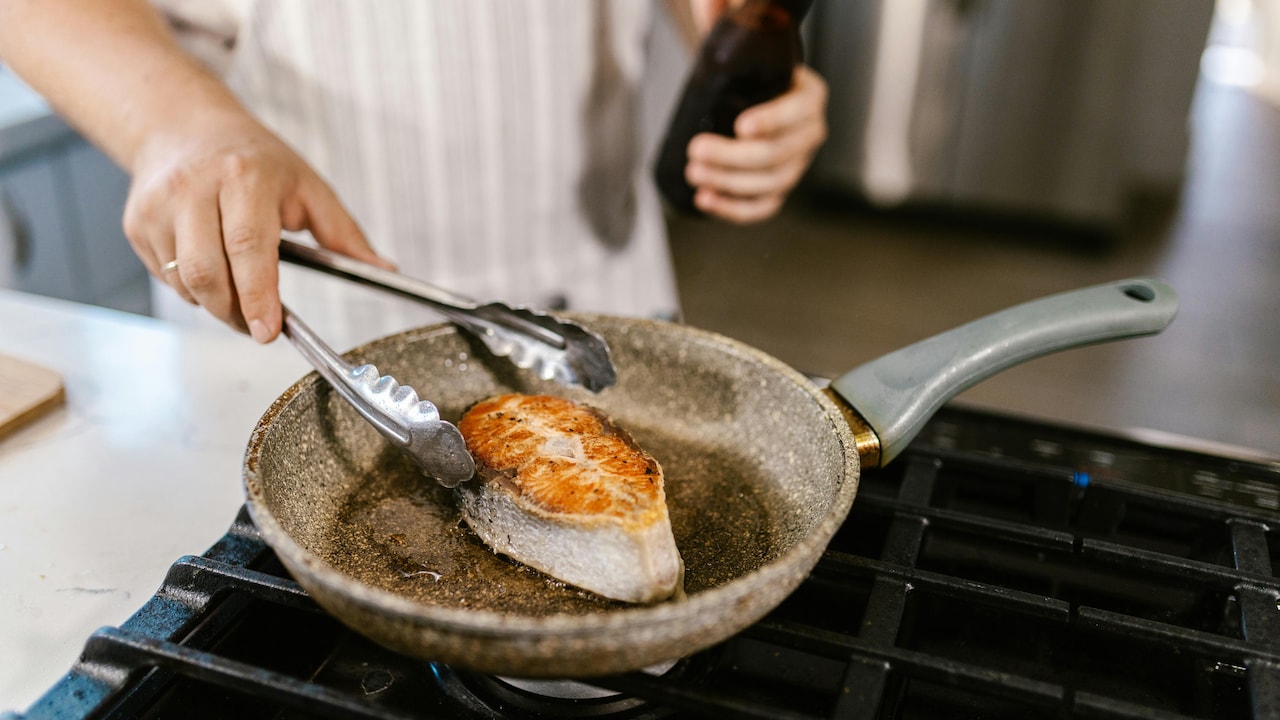
Ceramic non-stick pans entered modern kitchens with the charm of a celebrity launch. Sleek colours, glossy surfaces, and bold promises made them irresistible. Advertisements showed dosas sliding around like skaters on ice. Omelettes folded neatly without a drop of oil. Cleaning looked so simple that even the laziest cook felt inspired. Then reality arrived. Within months, many people noticed food sticking to the pan again. The once-silky surface turned dull. Tiny scratches appeared from nowhere. Suddenly, a pan that cost nearly ₹3,000 behaved worse than an old steel kadai inherited from a grandmother who still claims, quite smugly, that “old utensils never failed.”
Why Ceramic Non-Stick Pans Often Lose Coating Faster Than Expected
Photo Credit: Pexels
The confusion makes sense because ceramic cookware often gets marketed as nearly magical. Yet the truth sits somewhere between convenience and careful maintenance. Ceramic coatings can perform brilliantly, but they also demand gentler treatment than most people realise. Daily kitchen habits, heat levels, cleaning routines, and even storage methods affect how long the coating survives.
What surprises many households is that damage rarely comes from one dramatic mistake. The coating usually fades through dozens of tiny actions repeated over time. A hot tawa left empty for two minutes. A steel spoon used during hurried cooking. A quick scrub with the rough side of a sponge after making paneer bhurji. Bit by bit, the surface weakens.
Understanding why ceramic coatings lose effectiveness faster than expected can save both frustration and money. More importantly, it helps separate genuine care advice from clever marketing slogans that sound wonderful on a shopping website.
Why Ceramic Non-Stick Pans Lose Their Coating So Quickly
The Coating Cannot Handle Extreme Heat For Long
One of the biggest reasons ceramic pans lose their coating quickly comes down to heat. Most people assume cookware should tolerate high flames because traditional utensils often survive years of intense cooking. Ceramic coatings behave differently.
High heat slowly breaks down the smooth non-stick layer. The damage usually starts invisibly. At first, the pan still works perfectly. Then, certain spots begin sticking slightly. A few weeks later, scrambled eggs cling stubbornly to the centre like unpaid tenants refusing to leave.
Many kitchens rely on strong flames for speed, especially during busy mornings. Tea boils on one burner, onions fry on another, and someone shouts from the dining table, asking where the chutney went. In this chaos, pans often sit empty on high heat while ingredients get prepared. That brief overheating weakens ceramic coatings far faster than most users expect.
Unlike cast iron or stainless steel, ceramic cookware prefers moderate temperatures. It performs best with patience rather than aggression. Sadly, marketing rarely highlights this limitation clearly. Packaging focuses on “healthy cooking” and “easy cleaning,” while the small print quietly suggests avoiding excessive heat.
The irony feels almost comedic. A pan designed for convenience ends up demanding more discipline than traditional cookware. Yet once overheating becomes a habit, no amount of gentle cleaning can fully restore the lost slickness.
Tiny Scratches Build Up Faster Than Expected
Ceramic coatings may look tough, but they remain surprisingly delicate. Many users believe minor scratches do not matter because the pan still appears usable. Unfortunately, tiny abrasions gradually ruin the smooth surface responsible for non-stick performance.
Metal spoons create obvious damage, yet even wooden or silicone tools can cause wear over time if handled roughly. Stirring aggressively while making thick gravies places repeated pressure on the same spots. Small grains of masala trapped between utensils and the surface act like sandpaper during cooking.
The problem becomes worse because scratches often remain invisible initially. Under kitchen lighting, the pan still looks fine. But once microscopic grooves develop, food particles cling more easily. Oil distribution becomes uneven. Cleaning requires harder scrubbing, which creates even more damage.
Storage habits also contribute heavily. Stacking pans without protection allows the bottoms of heavier utensils to scrape the ceramic layer repeatedly. Many households simply pile cookware together because cupboard space remains limited. Practicality wins over caution every single time.
Even dishwashing routines matter. The rough green side of a sponge feels harmless during one cleaning session. Repeat that action for months, however, and the coating steadily loses smoothness.
Ceramic cookware rewards gentle handling but punishes carelessness quickly. Unfortunately, busy kitchens rarely operate gently. Between rushed breakfasts, late-night dinners, and festive cooking marathons, delicate treatment often disappears faster than the coating itself.
Sudden Temperature Changes Shock The Surface
Ceramic coatings dislike dramatic temperature shifts. Yet kitchens create them constantly without anyone noticing.
Imagine this familiar scene. A hot pan finishes frying parathas. Someone immediately places it under cold running water because guests wait for the next batch. A loud sizzling sound follows. Steam rises dramatically. The pan survives, so everything seems fine.
Except it is not.
Rapid cooling causes thermal shock, which stresses the ceramic coating. Tiny cracks may form beneath the surface. These cracks weaken the bond between the coating and the metal base underneath. Over time, sections begin losing their non-stick quality unevenly.
The issue works both ways. Placing refrigerated batter directly into an overheated pan also strains the coating. Constant expansion and contraction slowly reduce durability.
Traditional cookware generally handles these temperature swings better, which explains why many people assume ceramic pans should manage them too. Unfortunately, ceramic coatings remain more sensitive. They need gradual cooling and moderate heating to stay intact.
This requirement often clashes with real-life cooking habits. In humid summers, nobody wants extra heat lingering in the kitchen. Quick washing feels natural. During family gatherings, speed becomes essential. Pans move rapidly between burners, sinks, and countertops without pause.
The result resembles death by a thousand cuts. No single temperature shock destroys the pan immediately. Instead, repeated stress quietly shortens its lifespan month after month until the once-slippery coating becomes frustratingly sticky.
Cheap Manufacturing Creates Weak Coatings
Not all ceramic pans deliver the same quality, despite similar appearances. Many affordable options use thinner coatings or rushed manufacturing methods that reduce durability significantly.
Online shopping worsens the confusion. Product photos look polished and premium. Reviews sound enthusiastic during the first few weeks because fresh ceramic coatings naturally perform well initially. Long-term durability rarely appears in flashy advertisements.
Lower-priced pans often contain thinner ceramic layers that wear down rapidly under normal cooking conditions. Some manufacturers prioritise aesthetics over engineering. Bright colours, trendy handles, and fancy packaging attract buyers faster than discussions about coating thickness.
This creates unrealistic expectations. A ₹900 pan marketed as “premium ceramic technology” sounds convincing. Yet consumers often compare its lifespan to cookware costing three times more.
The situation resembles buying budget shoes for daily cricket matches and then wondering why they deteriorate quickly. Performance has limits, especially when manufacturing shortcuts enter the equation.
Even trusted brands sometimes produce entry-level ranges with weaker coatings to compete aggressively on price. Consumers assume the brand name guarantees durability across every model, but cookware quality varies enormously within the same company.
Many households unknowingly buy ceramic pans designed for light, occasional cooking rather than heavy daily use. Once regular frying, sautéing, and repeated heating begin, the coating declines rapidly.
Marketing creates the dream of lifelong non-stick perfection. Manufacturing realities tell a very different story.
Also Read: Warped Induction Pans Waste Money Over Time: Base Thickness Determines Longevity
Oil Residue Slowly Reduces Non-Stick Performance
One surprisingly common issue involves oil buildup. Ceramic pans may look clean after washing, yet invisible residue often remains behind.
Over time, this residue forms a thin layer that changes how the surface behaves. Food starts sticking despite the coating technically remaining intact. Many users assume the ceramic itself has failed when the actual culprit is accumulated grease.
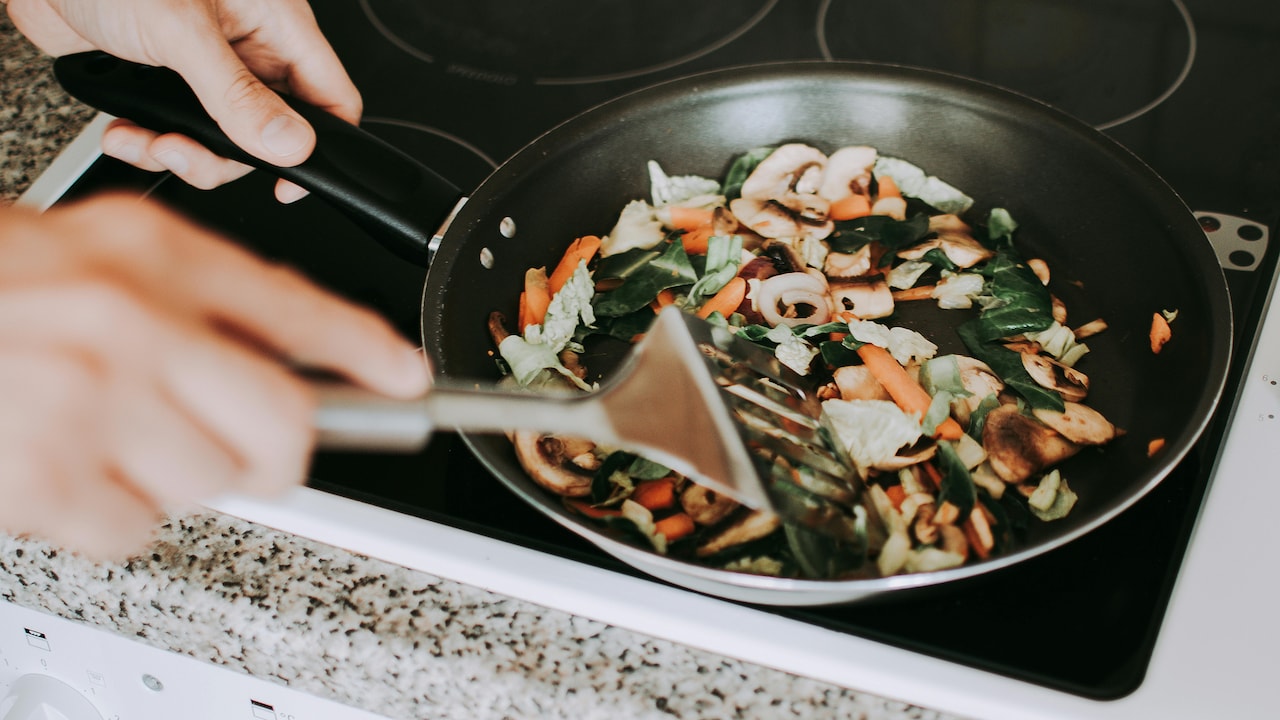
This problem appears frequently in kitchens where cooking involves strong spices and repeated shallow frying. Oils heated at high temperatures leave stubborn deposits that ordinary dish soap struggles to remove completely.
Ironically, excessive oil can damage non-stick performance faster than moderate oil usage. Many people pour extra oil into ceramic pans, believing it protects the surface. In reality, overheating that oil creates sticky polymerised layers similar to varnish.
The surface gradually loses its silky texture. Cleaning becomes harder. Users scrub more aggressively. That extra scrubbing then weakens the coating further.
Some people respond by increasing flame intensity, hoping food will cook faster and stick less. Unfortunately, higher heat only accelerates the cycle.
A ceramic pan requires occasional deep cleaning to remove hidden residue properly. Without that maintenance, even a relatively new pan may behave disappointingly.
The frustration feels particularly annoying when the pan still looks beautiful from the outside. Glossy handles shine proudly while a simple omelette clings stubbornly inside like it holds an emotional attachment to the surface.
Why Ceramic Non-Stick Pans Often Lose Coating Faster Than Expected
Photo Credit: Pexels
Dishwashers Can Quietly Destroy The Coating
Dishwashers promise convenience, but ceramic cookware rarely enjoys the experience. Even pans labelled “dishwasher safe” may deteriorate faster with regular machine washing.
Strong detergents play a major role here. Dishwasher chemicals strip away grease aggressively, but they also stress delicate ceramic surfaces over time. Combined with high water temperatures and repeated impact from other utensils, the coating gradually weakens.
Many households assume “dishwasher safe” means “dishwasher friendly forever.” The phrase actually means the pan can survive occasional machine washing without immediate disaster. Long-term durability tells another story entirely.
Inside a dishwasher, cookware shifts slightly during cycles. Tiny collisions occur repeatedly. Water pressure pushes utensils against surfaces. These small impacts create gradual wear that remains invisible until food starts sticking regularly.
Handwashing with mild soap usually extends ceramic coating life considerably. Yet convenience often wins. After cooking a large family dinner, few people feel excited about delicately washing every utensil one by one.
The modern kitchen values speed. Appliances exist to reduce effort. Unfortunately, ceramic coatings prefer slower and gentler treatment.
The contradiction frustrates many buyers. A product marketed for easy living suddenly comes with a surprising list of maintenance rules. No high heat. No rough scrubbers. No stacking. No dishwasher abuse.
At some point, even careful owners start muttering that their grandmother's iron tawa demanded far less emotional attention.
Cooking Sprays Often Damage Ceramic Surfaces
Cooking sprays appear harmless, but many contain additives that create stubborn residue on ceramic coatings. Over time, this residue reduces non-stick effectiveness significantly.
The issue surprises many people because sprays get marketed as healthier and more convenient alternatives to regular oil. A quick spray before cooking seems efficient and modern. Unfortunately, repeated use leaves behind sticky layers that resist ordinary washing.
Once residue accumulates, the surface becomes patchy. Some sections remain slippery while others grip food stubbornly. Users often increase heat or scrub harder to compensate, unknowingly worsening the damage.
This problem becomes particularly noticeable during breakfast cooking. Pancakes, eggs, or dosas suddenly refuse to release cleanly despite the pan looking perfectly normal.
Sprays also encourage uneven heating because residue builds thicker in frequently used areas. The centre of the pan often suffers first, especially in households where the same pan handles daily meals.
Regular oil applied lightly usually works better for ceramic cookware. It distributes more evenly and leaves less stubborn buildup. Yet convenience products remain tempting, especially during rushed weekday mornings.
Marketing again plays a clever role here. “Healthy low-oil cooking” sounds fantastic. Nobody mentions the hidden maintenance cost quietly developing underneath each spray layer.
Ceramic cookware demands balance rather than shortcuts. Too much oil creates buildup. Sprays create residue. Excessive heat destroys the coating. Rough cleaning scratches the surface. It almost feels like maintaining a fragile friendship where one wrong comment ruins everything for weeks.
Frequent Dry Cooking Weakens The Surface
Ceramic pans often get promoted as cookware requiring little or no oil. While technically true, constant dry cooking places extra stress on the coating.
A tiny amount of oil acts as a protective buffer between food and the surface. Completely dry cooking increases direct friction, especially during high-temperature recipes. Over time, that friction slowly reduces smoothness.
Protein-heavy foods cause particular trouble. Paneer, eggs, fish, and marinated meats tend to cling more aggressively once the coating begins weakening slightly. Each sticking incident encourages harsher cleaning afterwards.
The decline usually happens gradually. Initially, dry cooking works beautifully. Then, certain foods start sticking occasionally. Soon, users add more pressure while flipping or scraping. Small scratches appear. Performance drops further.
This cycle frustrates health-conscious cooks who specifically bought ceramic cookware for low-oil meals. Nobody expects the “healthy option” to require such careful balance.
Traditional cookware often tolerates dry cooking differently because seasoned surfaces behave uniquely. Ceramic coatings depend heavily on maintaining smoothness. Once friction increases repeatedly, deterioration accelerates.
Many households unknowingly overestimate the durability of ceramic technology. Marketing often presents these pans as nearly invincible kitchen superheroes. Realistically, they resemble high-performance trainers: excellent when used correctly, disappointing when pushed carelessly every single day.
A little oil, moderate heat, and patience generally help ceramic surfaces last longer. Unfortunately, patience rarely survives morning hunger and office deadlines.
Unrealistic Marketing Creates Wrong Expectations
Perhaps the biggest reason ceramic coatings seem disappointing involves expectations rather than performance alone.
Advertisements often imply that ceramic pans remain perfectly non-stick for years regardless of usage. Food slides dramatically across spotless surfaces while cheerful music plays in the background. Reality rarely looks so cinematic after six months of regular cooking.
Most ceramic coatings naturally lose effectiveness over time, even with careful use. They are not permanent surfaces. They function more like consumable layers with limited lifespans.
Consumers often compare ceramic pans to traditional cookware, lasting decades. That comparison creates inevitable disappointment. A stainless-steel vessel may survive generations. A ceramic coating typically does not.
The problem grows worse because brands emphasise benefits while minimising limitations. Buyers hear about toxin-free cooking, easy cleaning, and reduced oil usage. They hear far less about heat sensitivity, careful storage, and gradual wear.
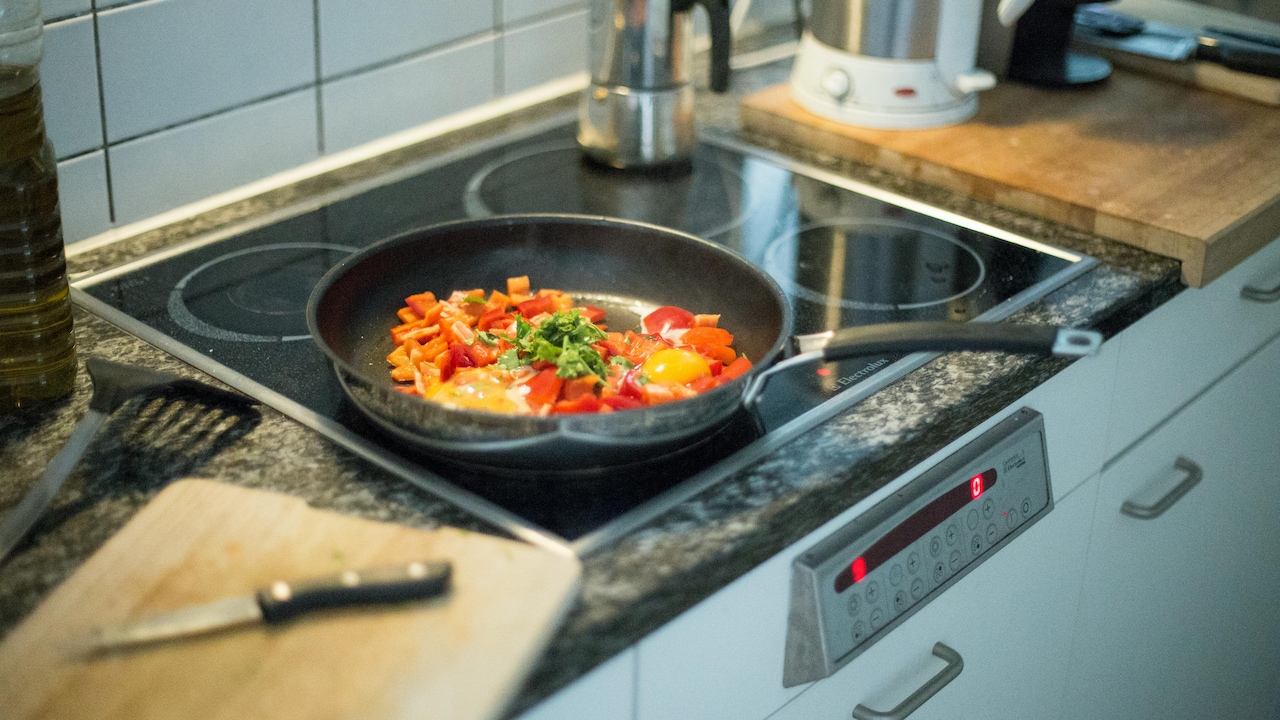
Many households also expect one pan to handle every recipe imaginable. Morning dosas, afternoon curries, evening stir-fries, weekend fish fry sessions — all inside the same ceramic pan. Heavy multitasking accelerates coating fatigue rapidly.
The disappointment feels emotional as much as financial. Spending ₹4,000 on cookware creates expectations of reliability. When performance drops quickly, frustration follows naturally.
Yet ceramic pans are not scams. They simply work best when treated as specialised cookware rather than indestructible kitchen companions. Understanding that difference changes the entire experience.
Why Ceramic Non-Stick Pans Often Lose Coating Faster Than Expected
Photo Credit: Pexels
Lack Of Proper Maintenance Speeds Up Wear
Ceramic cookware requires small but consistent maintenance habits. Unfortunately, many people never receive clear instructions beyond basic packaging labels.
Simple practices make enormous differences. Allowing pans to cool before washing prevents thermal shock. Using soft sponges reduces scratching. Avoiding stacked storage protects the coating. Cooking on medium heat preserves surface integrity.
Individually, these habits sound minor. Collectively, they determine whether a pan lasts one year or three.
Most kitchens operate on routine and speed. People cook while answering phone calls, helping children with homework, or watching cricket highlights. Under those conditions, careful cookware maintenance rarely becomes a priority.
This explains why ceramic pans often perform brilliantly in test kitchens yet deteriorate rapidly in real homes. Daily life introduces chaos that no instruction manual fully accounts for.
Even residue management matters. Occasional deep cleaning with gentle methods helps restore performance significantly. Yet many users continue ordinary washing routines until sticking becomes unbearable.
The relationship between ceramic cookware and maintenance resembles owning white sneakers during monsoon season. Keeping them pristine requires effort, timing, and a willingness to care regularly. Ignore that upkeep, and deterioration arrives quickly.
That does not mean ceramic pans lack value. They offer convenience, lighter cooking, and easy handling when used thoughtfully. Problems usually emerge when expectations exceed practical limitations, or maintenance disappears entirely.
Products Related To This Article
1. SOLARA Belmont Ceramic Fry Pan Non Stick 24cm
2. Prestige Ceraglide Ceramic Coated 18 cm Non-Stick Fry Pan
3. Hawkins Ceramic Nonstick Fry Pan
4. Dravizon Ceramic Fry Pan Non Stick, Omelette Pan
5. Ember Cookware Arcilla Ceramic Frying Pan 24cm
6. Wonderchef Eco-Glide Fry Pan
7. Ember Cookware Arcilla Ceramic Frying Pan 24cm
Ceramic non-stick pans lose their coating faster than many people expect because modern kitchens rarely operate under ideal conditions. High heat, rushed cleaning, stacked storage, rough handling, and unrealistic expectations slowly chip away at performance.
The decline often feels sudden, but it usually develops through countless small habits repeated daily. A pan left empty on a high flame. A hurried scrub after dinner. A quick rinse under cold water while still hot. Tiny moments quietly shape durability.
Marketing certainly adds confusion by presenting ceramic cookware as effortless and nearly everlasting. In truth, these pans behave more like specialised tools requiring balance and care. They perform wonderfully within their limits but deteriorate quickly when treated like heavy-duty traditional cookware.
For households willing to use moderate heat, gentle cleaning, and proper storage, ceramic pans can still offer satisfying performance for years. They remain excellent for delicate cooking and low-oil meals. Yet expecting them to survive endless abuse without wear creates disappointment almost guaranteed to arrive sooner or later.
Perhaps that explains why old steel and iron cookware still earn loyal admiration in so many kitchens. They may lack flashy advertisements and pastel-coloured handles, but they survive daily chaos with remarkable resilience. Meanwhile, ceramic pans continue teaching an oddly modern lesson: convenience often comes with conditions hidden quietly beneath the shine.
(Disclaimer: This article may include references to or features of products and services made available through affiliate marketing campaigns. NDTV Convergence Limited (“NDTV”) strives to maintain editorial independence while participating in such campaigns. NDTV does not assume responsibility for the performance or claims of any featured products or services.)