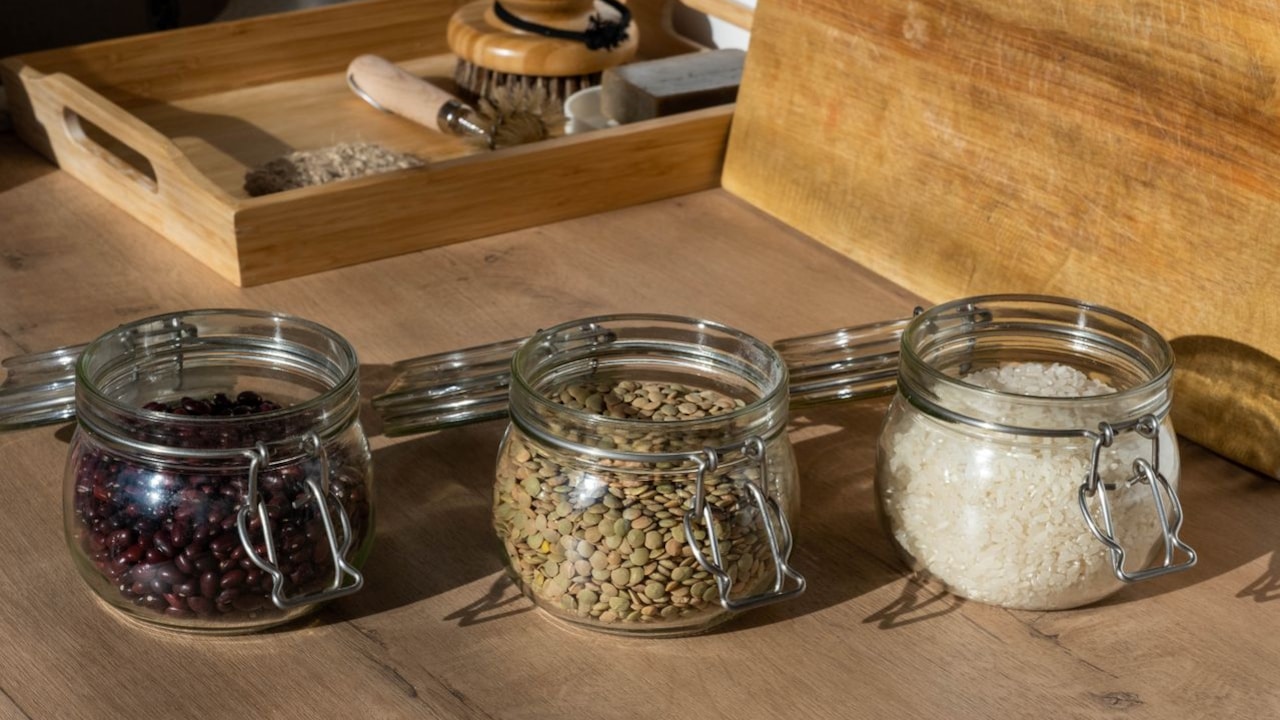
How To Choose Measuring Cups That Are Easy To Read While Cooking
Choose measuring cups with bold markings, clear scales, sturdy handles and durable materials. The right design improves accuracy, saves time and removes guesswork from everyday cooking.
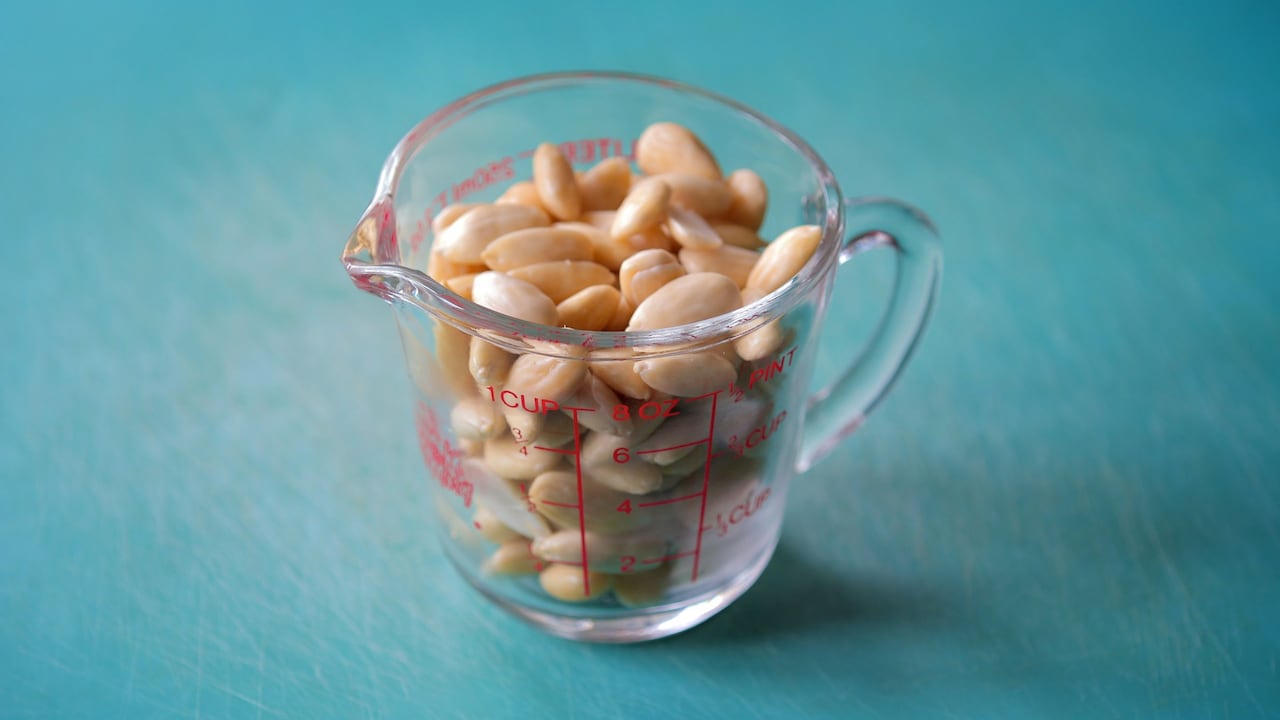
What is the best way to choose measuring cups
Cooking often begins with confidence and ends with someone squinting at a tiny line on a measuring cup. Was that 100 millilitres or 150? Did the flour reach the correct mark, or did the cup tilt slightly? Such small doubts can change the final dish, especially when baking, preparing sauces or following a new recipe. Clear measuring cups remove much of this uncertainty. They help beginners follow instructions without panic and allow experienced cooks to work quickly during a busy morning. The right cup should make its markings visible at a glance, even when it contains milk, oil, atta or a dark liquid such as coffee.
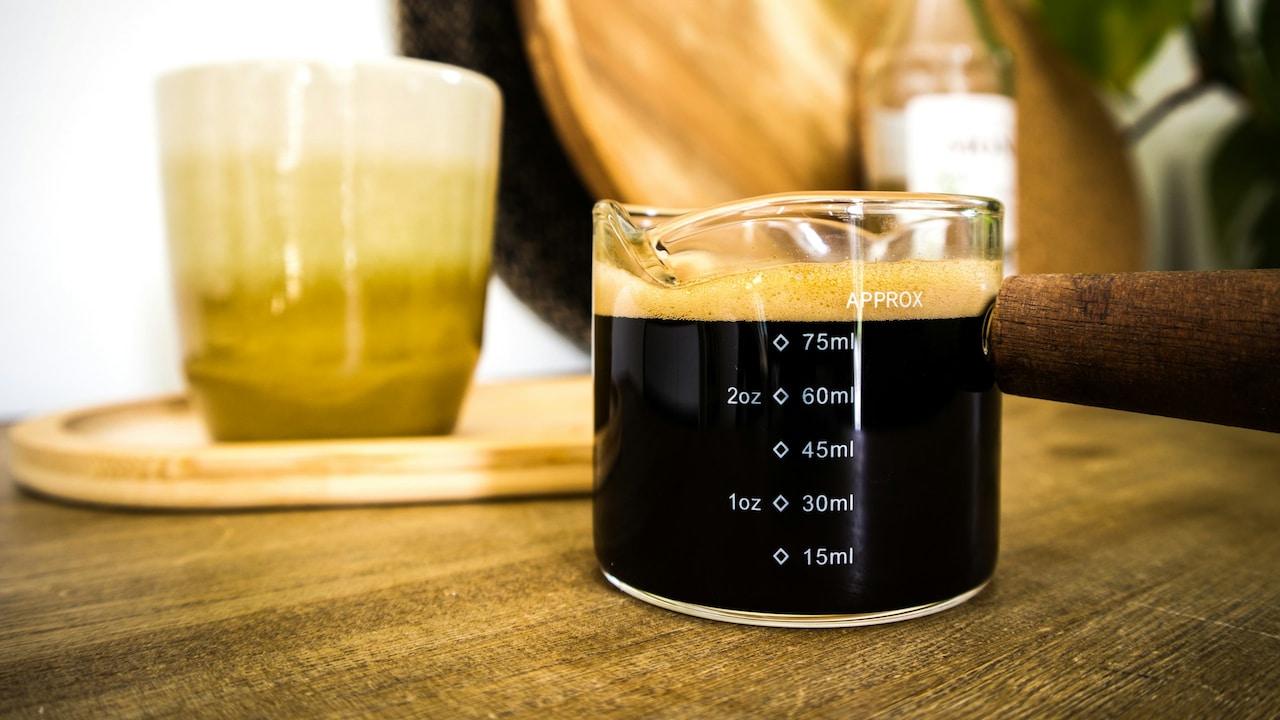
How to choose the best measuring cups for cooking
Photo Credit: Unsplash
Yet readability involves more than bold numbers. The material, colour contrast, shape, scale arrangement and handle design all affect how easily a cup can be used. A bargain set priced at ₹250 may perform better than a decorative ₹1,200 set if its measurements are clearer and its design feels more practical.
Also Read: Smart Cooking On A Budget: 5 Must-Have Kitchen Tools Under ₹99
Before buying, it helps to look beyond shiny packaging. The following points explain how to choose measuring cups that remain easy to read, comfortable to hold and reliable through countless rounds of chai, cake and curry.
What To Look For In Easy-To-Read Measuring Cups
Choose Bold, High-Contrast Markings
Measurement lines should stand out clearly from the surface of the cup. Dark markings on a transparent or pale background usually offer better visibility than faint grey numbers on shiny steel. Similarly, white markings work well on black or brightly coloured cups.
Good contrast becomes especially important when the cup contains ingredients that resemble its markings. White numbers may disappear against milk or curd, while black lines can become difficult to spot through coffee, chocolate sauce or soy sauce. Cups that display measurements in more than one colour can solve this problem, although the design should remain neat rather than crowded.
Examine the markings under ordinary kitchen lighting before buying. Showroom lights can make every printed line look sharp, but the same cup may become harder to read beneath a warm tube light at home. Hold it at arm's length and check whether the main numbers remain visible.
Avoid cups with decorative fonts, thin lettering or glossy markings that reflect light. Measuring cups are working tools, not wedding invitations. Bold, simple numbers may look less stylish, but they save time when the pressure cooker whistles and three other things demand attention.
Look For Measurements That Will Not Fade
Printed markings often look perfect when a measuring cup is new. After a few months of scrubbing, however, some numbers begin to peel, fade or disappear completely. A cup without readable measurements soon becomes little more than an oddly shaped mug.
Choose markings that are moulded, etched, engraved or embossed into the material. These methods generally last longer than surface printing. Etched glass and engraved stainless steel can withstand frequent washing, while raised markings on plastic cups remain readable even when the original colour starts to fade.
Run a finger gently over the measurement lines. A slight groove or raised texture often indicates that the markings form part of the cup rather than sitting on its surface. Check product information for phrases such as “permanent markings”, “laser engraved” or “moulded measurements”.
Dishwasher use, rough scrubbers and strong cleaning powders can shorten the life of printed scales. Even a cup labelled dishwasher-safe may lose its numbers before the cup itself suffers damage.
Durable markings may cost a little more, but they prevent an annoying replacement purchase later. Spending ₹100 extra makes sense when the cup continues to guide recipes accurately for years.
Check The Measurement Units Carefully
Many measuring cups display several units, including millilitres, cups, fluid ounces and pints. Multiple scales can be useful, but too many lines may turn the cup into a miniature railway map. The best design includes the units commonly used in everyday recipes without overwhelming the user.
For most kitchens, millilitres and standard cup measurements offer the greatest convenience. Millilitres suit liquids, gravies and regional recipes, while cup measurements appear frequently in baking instructions and online food videos. A cup with both scales reduces the need for mental conversions halfway through a recipe.
Check whether each scale appears on a separate side or uses a distinct colour. When all the units sit beside one another in identical lettering, it becomes easy to read the wrong line. That tiny mistake may not ruin dal, but it can certainly upset a sponge cake.
Remember that cup sizes can vary between measurement systems. A metric cup usually equals 250 millilitres, while a US cup holds about 237 millilitres. Good measuring cups label their system clearly.
Choose a scale that matches the recipes followed most often. Convenience comes from clarity, not from collecting every possible unit on one crowded cup.
Pick A Material That Supports Visibility
The material of a measuring cup affects both durability and readability. Transparent glass and plastic allow the liquid level to be seen from the outside, which makes them useful for milk, water, stock and oil. The measurement line can be checked without lifting or tilting the cup.
Glass offers excellent clarity and does not usually retain stains or odours. It also feels stable on the counter. However, glass cups can become heavy when full, and one careless knock against a granite platform may end their career rather dramatically.
Plastic cups feel lighter and often cost less. Choose clear, food-safe plastic that does not appear cloudy or flimsy. Dark stains from turmeric, tomato or coffee may reduce visibility over time, so stain resistance matters.
Stainless-steel cups offer strength and a long working life. Since the contents cannot be viewed from outside, the measurements should appear clearly on the inner wall. Engraved internal lines work better than tiny numbers hidden near the rim.
No material wins every contest. Select one that suits the ingredients measured most often, the storage space available and the likelihood of enthusiastic children helping in the kitchen.
Select A Shape With A Wide Viewing Angle
A measuring cup should allow the scale to be seen without forcing the user to twist, bend or perform kitchen yoga. Cups with straight or gently sloping sides usually provide a clearer view than deeply curved designs.
A wide opening helps ingredients enter the cup without spilling. It also allows spoons and small whisks to fit inside when sauces or dressings need quick mixing. However, an excessively wide and shallow cup can make small quantities difficult to measure accurately.
Look for a cup that sits flat and stable on the worktop. When checking liquids, the cup should remain level while the eyes align with the measurement mark. A narrow base or uneven bottom can cause the liquid to tilt, creating an inaccurate reading.
Some modern cups feature angled measurement panels that can be read from above. These designs reduce the need to crouch beside the counter, which feels especially helpful during rushed mornings. Test the angle before purchasing, as reflections may affect certain models.
The ideal shape should make the measurement visible from a natural standing position. A recipe already demands enough attention; reading the cup should not feel like solving a puzzle.

Ensure that the measuring cup offers a wide viewing angle
Photo Credit: Pexels
Test The Handle For Comfort And Control
An easy-to-read cup can still become frustrating when its handle feels awkward. A secure grip keeps the cup level, prevents spills and helps the user pour slowly without covering the measurement scale.
Choose a handle large enough for several fingers, particularly when measuring hot stock or melted butter. Small loop handles may look elegant but can feel uncomfortable once the cup becomes heavy. A textured or slightly curved grip offers better control when hands are wet or oily.
Check where the handle joins the body. Weak joints may loosen or crack after repeated use. On plastic cups, a handle moulded as part of the body often feels stronger than one attached separately. Glass handles should appear thick and smoothly finished.
The handle should not block the markings when held in the preferred hand. Some cups place the main scale only on one side, which can inconvenience left-handed users. Measurements printed on both sides make the design more flexible.
Try mimicking a pouring motion before buying. The cup should remain balanced rather than pulling forward. Good balance matters when transferring hot rasam or sugar syrup, where one sudden wobble can create both a mess and a memorable vocabulary lesson.
Prefer A Clear Pouring Spout
A well-shaped spout improves accuracy by directing liquids exactly where they need to go. Without one, milk may run down the outside of the cup, oil may drip across the worktop, and half the measured ingredient may never reach the bowl.
Look for a defined, narrow spout rather than a shallow dip in the rim. The stream should feel controlled, especially when adding liquid gradually to dough, batter or sauces. A spout that appears too wide may cause sudden gushes, while a very small one may clog when pouring thick ingredients.
Some cups include spouts on both sides. This feature helps both right-handed and left-handed cooks and makes the cup easier to use from different positions. Check that the scale remains visible while pouring, as the user may need to stop at a particular quantity.
The rim should also resist dripping. Poorly designed edges allow liquid to cling to the cup and travel downwards, often towards the handle. Testing with water offers the best answer, although that may not be possible in a shop.
A reliable spout brings quiet satisfaction. Nothing feels more efficient than pouring exactly 200 millilitres without sacrificing an extra 20 to the kitchen counter.
Make Sure Smaller Quantities Are Readable
Large markings receive plenty of attention, but smaller measurements often matter more. Recipes commonly call for 50 millilitres of oil, 75 millilitres of water or half a cup of milk. If the lower lines are cramped or hidden by the curved base, accurate measuring becomes difficult.
Inspect the spacing between each measurement mark. Clear gaps make it easier to identify intermediate quantities. Lines for 50-millilitre intervals often provide enough precision for daily cooking, while 25-millilitre divisions can help with baking and smaller recipes.
The first marking should sit low enough to measure modest amounts. Some large jugs begin their scale at 200 millilitres, making them unsuitable for small batches of chutney, salad dressing or pancake batter.
A separate small measuring cup may offer better accuracy than one oversized jug. Keeping a 250-millilitre cup alongside a one-litre jug covers most kitchen needs without filling the drawer with unnecessary tools.
Readability should remain consistent across the entire scale. Numbers near the top should not appear bold while those near the bottom shrink into secrecy. Every marking deserves equal importance, particularly when one extra splash can turn firm dough into a sticky wrestling match.
Consider Colour-Coded Cup Sets
Dry measuring cup sets often include several sizes that nest inside one another. Colour coding can make these sets faster to use, especially when each cup has a distinct shade and a clearly printed capacity.
A quick glance should reveal the difference between a quarter cup, one-third cup, half cup and full cup. This saves time when several ingredients need measuring in sequence. Colour coding also helps family members return each cup to the correct place instead of creating a mysterious collection across different drawers.
However, colour should support the markings rather than replace them. A red half cup may be easy to remember initially, but the system becomes confusing when another brand uses red for a quarter cup. Each piece should display its capacity prominently on the handle and inside the bowl.
Avoid sets where decorative patterns compete with the numbers. Strong colours, tiny labels and shiny surfaces can create unnecessary visual noise. Simple designs age better and remain easier to read.
Check whether the cups separate smoothly. Some nested sets cling together so tightly that removing one feels like opening a stubborn pickle jar. A practical set should stack neatly, release easily and keep every measurement visible.
Read The Cup At Eye Level Before Buying
The most reliable test involves using the cup as it would be used at home. Place it on a flat surface, step back slightly and bring the measurement line to eye level. The numbers should remain clear without tilting the cup or moving it towards a bright window.
This position matters because liquids form a slight curve, known as a meniscus. For most everyday liquids, the measurement should be taken from the bottom of that curve. Looking from above or below can make the quantity appear higher or lower than it truly is.
Check the scale from both sides if possible. Reflections, thick glass walls and coloured plastic may distort the line at certain angles. Add water during the test when a shop display or online return policy allows it.
Online buyers should examine close-up product photographs and customer reviews for comments about faded markings, inaccurate scales or poor visibility. A photograph showing the cup filled with liquid provides more useful information than a polished image of an empty cup.
Trust the eyes rather than dramatic product claims. Words such as “premium” and “professional” mean little when the 100-millilitre mark requires a magnifying glass and divine guidance.
Products Related To This Article
1. Parage Stainless Steel Measuring Cups & Spoon Combo for Dry or Liquid
2. Duralex Precisio Plus Measuring Cup 560 ML 1 Pcs
3. Stainless Steel Measuring Cups & Spoon Combo for Dry
4. SAKI Peg Measurer 30 & 60 ml
5. E-COSMOS® Plastic Measuring Spoon and Cup Set, 8-Pieces
6. All Time Measure & Pour Measuring Jug 300 ml
7. Gold Stainless Steel Measuring Cups and Spoon Set
A dependable measuring cup should make cooking simpler, not introduce another layer of confusion. Clear contrast, permanent markings, familiar units and a practical shape all contribute to accurate reading. Comfortable handles and controlled spouts improve the experience further, while durable materials keep the cup useful through years of daily meals and festive experiments.
Before purchasing, take a moment to study the scale rather than choosing solely by colour, brand or price. Check the smallest markings, hold the handle, inspect the spout and imagine using the cup with milk, oil or dark sauces. Those few checks can prevent countless small errors later.
The most expensive set does not always offer the best value. A well-designed cup costing ₹300 may outperform a fashionable imported option priced at ₹1,500. What matters is whether the measurements remain visible during real cooking, under ordinary light, with busy hands and several pans competing for attention.
Good measuring cups rarely receive praise when a dish turns out perfectly. They simply do their job quietly. Yet that quiet reliability can mean the difference between soft idlis and stubborn batter, fluffy cake and a dense brick, or a relaxed cooking session and a last-minute rescue operation.
(Disclaimer: This article may include references to or features of products and services made available through affiliate marketing campaigns. NDTV Convergence Limited (“NDTV”) strives to maintain editorial independence while participating in such campaigns. NDTV does not assume responsibility for the performance or claims of any featured products or services.)