How To Choose A Travel Mug That Does Not Leak Inside A Bag
Choose a travel mug that stays sealed inside your bag. Learn what to check in the lid, gasket, lock, material and design to prevent leaks, stains and costly damage during daily commutes.

How To Choose A Travel Mug That Does Not Leak Inside A Bag
A travel mug often earns trust far too quickly. It looks sturdy, the lid clicks into place, and the label proudly announces “leakproof”. Then comes the real test: a packed bag, a sudden brake, a crowded metro ride and half a cup of coffee spreading across a charger, notebook and carefully packed snack. Few everyday mishaps feel as irritating. The drink is lost, the bag smells like a café for days, and the morning begins with frantic tissue-paper rescue work. Worse, liquids can damage electronics, stain office documents and turn a peaceful commute into an expensive lesson. Choosing the right travel mug requires more than picking an attractive colour or the largest size on the shelf. A dependable mug needs a secure locking mechanism, a well-fitted seal, a durable body and a shape that suits daily travel. It should also be easy to clean because hidden residue around the lid can weaken the seal over time. The following ten checks will help you find a mug that stays closed when it matters most.

How To Choose A Leakproof Travel Mug For Your Bag
Photo Credit: Pexels
What To Look For In A Truly Leakproof Travel Mug
Choose A Lid With A Proper Locking Mechanism
A tight-looking lid is not always a secure lid. Many travel mugs rely on a simple sliding cover over the drinking opening. That design may stop small splashes while the mug sits upright, but it can fail when the mug rolls sideways inside a bag. A dependable option should have a proper lock that prevents the drinking flap, button or spout from opening accidentally.
Look for a lid that requires a deliberate action. It may have a push-button lock, a rotating collar or a clasp that snaps firmly into position. The mechanism should feel reassuring rather than flimsy. If a light touch opens it, keys, cables or a lunch box could do the same during a journey.
Test the lock several times before buying. Open it, close it and gently press around the drinking area. The lid should not shift or loosen. A separate safety switch adds useful protection, especially for people who carry mugs beside laptops or tablets.
Convenience still matters. A lock should not require wrestling skills before the first sip of the day. The best designs balance security with easy one-handed use.
Check Whether The Mug Is Truly Leakproof
The words “leak-resistant”, “spill-proof” and “leakproof” may sound similar, but they do not promise the same performance. A spill-resistant mug may cope with small movements while standing upright. It may still release liquid when tipped over. A genuinely leakproof mug should remain sealed even when placed horizontally for a reasonable period.
Read the product description carefully. Look for clear statements about carrying the mug inside a bag rather than vague promises about preventing splashes. Reviews can also reveal whether the claim survives daily use. Pay close attention to comments from commuters, cyclists and people who carry the mug with electronics.
A simple home test can prevent an unpleasant surprise. Fill the mug with plain water, close every lock and hold it upside down over a sink. Shake it gently, then place it on its side over a dry cloth for ten minutes. Any damp patch is a warning.
Use water for the first test, not hot tea. There is no need to turn product testing into a kitchen-floor emergency. A trustworthy mug should pass this basic challenge without producing a single drop.
Inspect The Silicone Seal And Gasket
The silicone gasket is the quiet hero of a leakproof travel mug. This flexible ring sits inside the lid and closes the tiny gaps through which liquid might escape. Even an expensive mug can leak if its gasket is thin, loose, twisted or badly fitted.
Remove the lid and examine the seal closely. It should sit evenly inside its groove, without bumps or visible gaps. Press it gently with a finger. Good silicone usually feels flexible and springs back into shape. A stiff or brittle seal may crack after repeated exposure to heat.
The gasket should also be removable for cleaning. Tea, coffee, milk and sugar can collect underneath it, creating unpleasant smells and sticky residue. That build-up may stop the seal from sitting properly, which increases the risk of leakage.
Check whether replacement gaskets are available. A ₹1,500 mug should not become useless because a small rubber ring wears out. Some brands sell spare seals, while others include one in the box.
Before closing the lid after washing, make sure the gasket sits correctly. Many mysterious leaks begin after a seal has been reinserted upside down or left slightly twisted.
Also Read: Top 7 Coffee Mugs And Sippers For Work Calls, Study Tables, And Commutes
Select A Screw-On Lid Over A Loose Push-On Lid
Push-on lids work well for takeaway cups and short walks, but they are rarely ideal for a mug travelling inside a bag. Their grip depends on friction around the rim. Heat, wear and repeated opening can weaken that grip, allowing the lid to pop off under pressure.
A screw-on lid usually offers better protection. The threads pull the lid firmly against the mug's rim and compress the silicone seal evenly. This creates a more reliable barrier, particularly when the mug tips sideways or gets squeezed between other items.
Inspect the threads before buying. They should look deep, smooth and well aligned. The lid should rotate without scraping, wobbling or getting stuck halfway. Cross-threading is a common problem with poorly made mugs. It may leave the lid looking closed even when one side has not sealed correctly.
Avoid rushing while fastening the lid. Start gently and rotate until the threads catch naturally. Forcing the lid at an angle can damage both the thread and the gasket.
A screw-on lid may take an extra second to open, but that small delay feels worthwhile when the alternative involves coffee dripping from the bottom of a work bag.
Consider The Drinking Spout Design
The drinking spout is one of the most common escape routes for liquid. Some mugs have exposed sliding openings, while others use spring-loaded buttons, flip caps or internal valves. Each design offers a different balance of convenience, hygiene and protection.
For bag use, choose a spout that closes completely and locks independently. A flip cap should snap firmly into place rather than resting loosely over the opening. A push-button system should include a safety lock, so pressure from another object cannot trigger it.
Look closely at the air vent as well. Travel mugs need a small vent to allow smooth drinking, but that opening must close when the lid is locked. An unsealed vent can leak even when the main spout appears secure.
A covered drinking area is useful during dusty commutes. It keeps the surface cleaner and reduces contact with keys, receipts and everything else living at the bottom of a bag.
Try sipping from the mug before making it part of the daily routine. The flow should feel controlled, not like a monsoon bursting through a narrow gate. A well-designed spout delivers enough liquid without splashing your face or shirt.
How To Choose A Leakproof Travel Mug For Your Bag
Photo Credit: Pexels
Pick The Right Material For Daily Travel
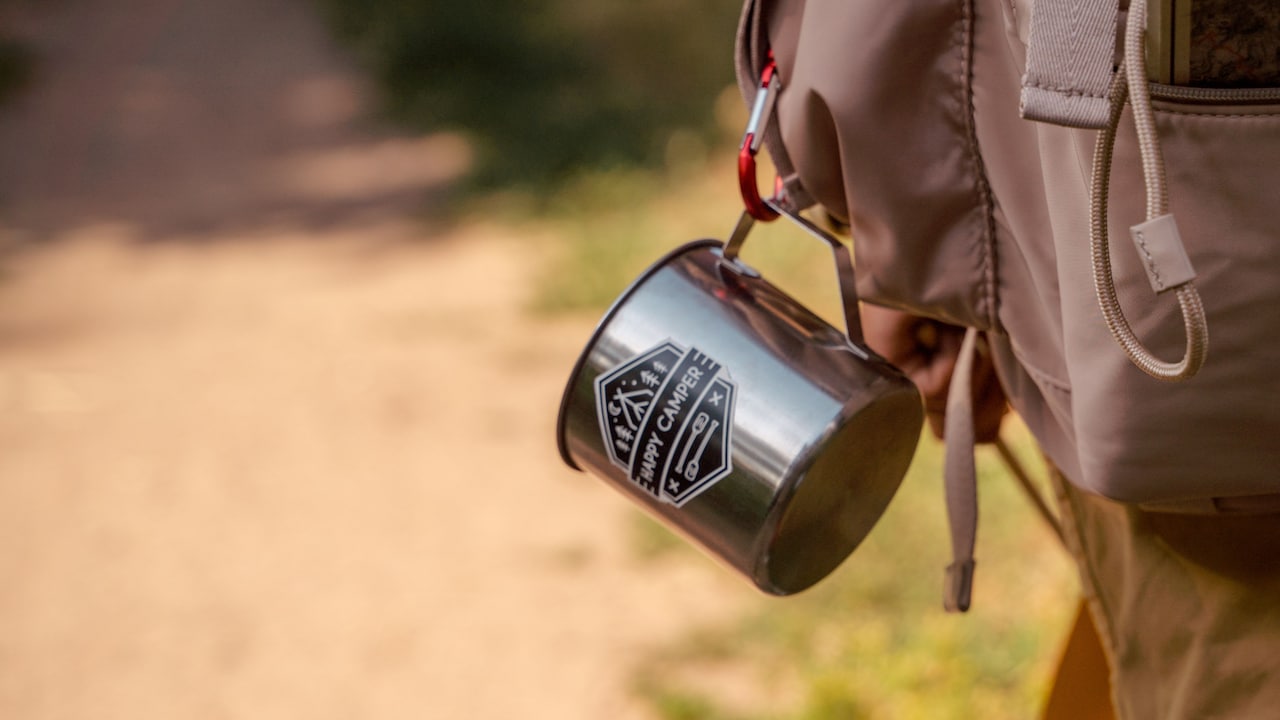
Stainless steel is usually the strongest choice for a leakproof travel mug. It resists dents, handles temperature changes well and does not crack easily when dropped. Double-wall stainless-steel mugs also keep drinks hot or cold for several hours without making the outer surface uncomfortable to hold.
Plastic mugs can be lighter and more affordable, sometimes costing between ₹300 and ₹800. However, lower-quality plastic may retain odours, scratch easily or warp after exposure to high heat. Warping around the rim can prevent the lid from sealing properly.
Glass offers a clean taste and an attractive appearance, but it needs careful handling. Even with a silicone sleeve, a glass mug may not suit crowded buses, train platforms or bags that receive more enthusiastic treatment than expected.
Whatever the material, inspect the rim. It should be smooth, even and free from dents. The lid depends on that surface to create a tight seal.
Also check whether the materials are food-safe and suitable for hot drinks. A sturdy body protects more than the beverage. It protects the seal from distortion and helps the mug remain dependable after months of daily use.
Match The Size To Your Routine
A larger mug may appear more practical, but size can work against leak protection. A tall, heavy mug has more room to move inside a bag and may place greater pressure on its lid when it falls sideways. It can also become awkward to carry when filled completely.
Choose a capacity based on what you actually drink. A 300 ml to 400 ml mug suits a regular cup of tea or coffee. A 450 ml to 500 ml option works better for long journeys or people who prefer generous servings. Anything larger deserves careful thought, especially when bag space is limited.
Leave some empty space at the top when filling the mug. Overfilling can push liquid into the lid mechanism and air vent. Hot drinks also create steam, which increases internal pressure. Follow the manufacturer's fill line rather than treating it as a decorative suggestion.
Consider the mug's shape as well. A broad base improves stability on a desk, while a narrower body fits more easily into side pockets and car cup holders.
The right size should feel manageable when full. A mug that suits your routine is less likely to be overfilled, dropped or forced into an unsuitable compartment.
Examine The Build Quality Around The Lid
Small construction flaws can turn a promising travel mug into a regular offender. Before buying, inspect the join between the lid and body. There should be no uneven gaps, sharp edges or visible distortion. The lid should sit straight rather than leaning slightly to one side.
Shake the empty mug gently. Loose components, rattling buttons or a wobbly cap may indicate weak assembly. Open and close every moving part several times. A reliable mechanism should operate smoothly and return to its correct position without sticking.
Be cautious with complicated lids containing numerous tiny pieces. Clever engineering can improve performance, but unnecessary complexity creates more places for residue to collect and parts to fail. A straightforward design with a secure lock often proves more dependable.
Price can provide some guidance, but it does not guarantee quality. A ₹2,500 mug can still leak if the lid is poorly designed, while a well-made ₹900 option may perform brilliantly. Construction matters more than branding alone.
Check the warranty before purchasing. A manufacturer willing to cover defects usually has greater confidence in the product. Keep the bill, particularly when buying a premium mug that will face daily travel.
Make Sure The Mug Is Easy To Clean
A travel mug may begin its life leakproof and slowly become unreliable because of poor cleaning. Milk, sugar and coffee oils can gather inside lid channels, beneath silicone rings and around spring-loaded buttons. Over time, this residue stops parts from closing correctly.
Choose a mug with a lid that can be taken apart without special tools. The gasket, spout cover and valve should be accessible. At the same time, avoid designs that break into a puzzle of tiny components unless clear reassembly instructions are provided.
Check whether the mug is dishwasher-safe. Even then, hand washing may protect printed finishes, seals and vacuum insulation. Use warm water, mild washing liquid and a soft bottle brush. Clean the lid soon after drinking anything containing milk.
Allow every component to dry fully before reassembling the mug. Trapped moisture encourages odours and can make the seal slippery. Once a week, inspect the gasket for residue, stretching or damage.
A clean mug does more than taste better. It closes more accurately. Think of maintenance as part of leak prevention, not an optional weekend chore postponed until the lid begins smelling suspiciously like last Tuesday's masala chai.
Test How The Mug Fits Inside Your Bag
Even a well-sealed mug needs a sensible place inside the bag. A dedicated bottle pocket is safer than a crowded main compartment, where books, chargers and lunch boxes can press against the locking mechanism.
Before buying, compare the mug's dimensions with the pocket you plan to use. It should slide in comfortably without being forced. A mug that fits too tightly may experience constant pressure around the lid. One that fits too loosely may roll, bounce and repeatedly strike other objects.
Choose a slim design when carrying a compact office bag. For backpacks, a slightly wider mug may work if the side pocket has elastic support. Avoid relying on a handle unless the pocket can accommodate it. Handles often catch on zips and make the mug sit at an angle.
During the first few journeys, keep the mug inside a separate reusable pouch or upright compartment. This provides extra protection while you confirm its reliability.
No travel mug should be placed beside electronics immediately after filling. Wipe the exterior, check the lock and turn it upside down briefly over the sink. Ten seconds of caution can save a ₹60,000 laptop from an unwanted cappuccino bath.
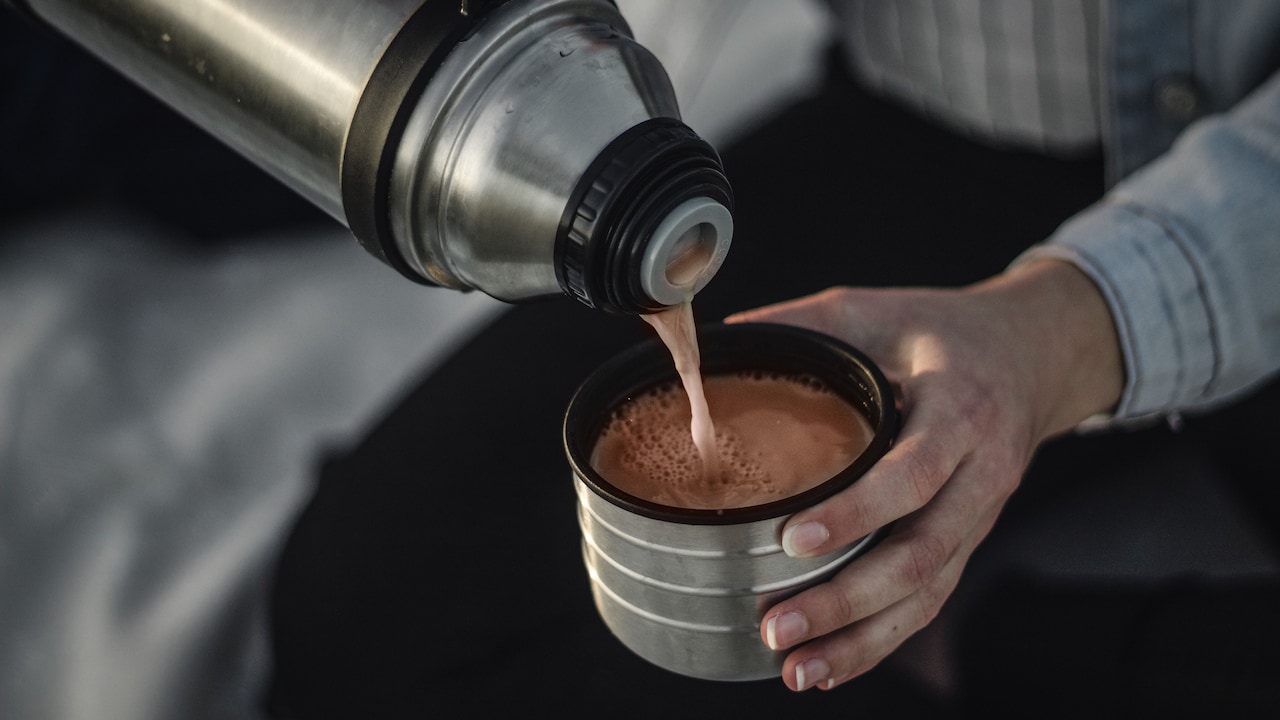
How To Choose A Leakproof Travel Mug For Your Bag
Photo Credit: Pexels
Products Related To This Article
1. Sleepy Owl Coffee Mug with Lid | Crafted from Used Coffee Grounds
2. Contigo West Loop Autoseal Travel Mug, Stainless Steel Thermal Mug
3. House of Quirk 1200ML Stainless Steel Tumbler with Handle
4. Sleepy Owl Travel Mug | Insulated Coffee Mug with Lid
5. Borosil 260ml Coffeemate Stainless Steel Travel Mug
6. Namah™ Insulated Coffee Travel Mug 380 ml with Lid
7. Wosta Insulated Travel Coffee Mug 2.0
A leakproof travel mug is not defined by one impressive feature. It depends on several small details working together: a secure lock, a strong screw-on lid, a well-fitted silicone gasket, a sealed drinking spout and a body that can handle daily travel.
The best mug should also suit your habits. It needs the right capacity, a shape that fits your bag and a lid that can be cleaned properly. Claims printed on packaging deserve attention, but a simple water test offers far more reassurance.
Treat the mug carefully after purchase. Avoid overfilling it, clean the seals regularly and check that every part sits correctly before leaving home. Even the strongest design needs sensible use.
A dependable travel mug brings a quiet kind of comfort. It allows hot tea or coffee to travel through crowded stations, bumpy roads and busy mornings without creating drama. When the lid locks firmly and the bag stays dry, that ordinary sip at the end of the commute feels surprisingly close to a small daily victory.
(Disclaimer: This article may include references to or features of products and services made available through affiliate marketing campaigns. NDTV Convergence Limited (“NDTV”) strives to maintain editorial independence while participating in such campaigns. NDTV does not assume responsibility for the performance or claims of any featured products or services.)















![Steam Iron Teflon Shoe Cover for ES-300,ST-96 [Only For ES-300 and ST-96 Model Electric Steam Irons]](https://m.media-amazon.com/images/I/51wwkttondL._SL160_.jpg)