How To Choose Long-Lasting Carpets For Real Homes: Stain-Proof And Pet-Safe Guide
How to choose a carpet: The process goes beyond colour - focus on texture, material, cushioning, durability, safety, and low maintenance cost. This way you will choose a carpet that lasts in real life.
How To Choose Carpets That Survive Real Homes, Not Showrooms | Kid-Proof and Pet-Friendly Flooring.
Walk into a home decor store, and the carpets look so perfect that they almost ask for admiration. Soft, glossy, free from stains, and folded with care, much like a freshly ironed kurta that's never been worn on a crowded bus. The truth is, most households don't have the luxury of museum-quiet flooring. Real homes see crayons on the floor more often than paper, food crumbs throw surprise parties, and pets explore carpet corners like treasure hunters. A carpet should do more than impress visitors for the first five minutes. It should breathe with the family, survive unplanned spills, bear the joyful jump of children, and handle furry companions without shedding tears or threads.
That means choosing a carpet isn't about colour alone; it's about texture, material, cushioning, longevity, safety, and how far it can go without demanding a second mortgage for maintenance. Here's a guide to choosing carpets that survive real life, not showroom expectations.

How To Choose Long-Lasting Carpets For Real Homes
Photo Credit: Unsplash
Smart Carpet Choices For Busy, Messy, Lively Homes
1. Durability Over Drama: Pick Carpet Fibres That Stand Tough
Fashionable carpets can look royal, but they often surrender at the first sign of trouble. What matters most is the fibre. Nylon and polyester top the list for durability. Nylon is like that cousin who survives every family function without a complaint, reliable, strong, and always presentable. Polyester, on the other hand, is light on maintenance and friendlier to busy homes. Wool looks luxurious but behaves like a pampered guest, soaking stains faster and demanding more care.
Synthetic blends work brilliantly for floor areas where children play or pets nap. They resist wear and tear, refuse to fade easily, and stay loyal for years. A quick tip for households with constant foot traffic: avoid delicate fibres or loosely woven carpets, as they fray easily.
In short, choose fibres with endurance, not just elegance. A carpet must protect your space, not become another chore.
2. Stain Resistance Isn't Optional, It's Mandatory
Picture a new carpet and a bowl of dal tumbling out of tiny hands. That moment can decide whether a carpet becomes a nightmare or a blessing. Stain-resistant carpets aren't a luxury; they're a necessity. Modern carpets come with stain-guard technologies that create a protective layer, stopping liquids from soaking in. Even if a mishap occurs, stains stay on the surface long enough to be wiped away without drama.
Look for carpets labelled “stain-resistant treated”. They save time, money, and patience when children and pets team up to test your nerves. Darker shades or textured patterns also help hide stains and make maintenance easier. Plain very light carpets can look chic but turn gloomy fast with visible smudges.
Instead of panicking every time juice spills or muddy paws land inside, a stain-resistant carpet lets the family breathe and laugh through it. A home should be lived in without fear.
3. Choose Easy-Clean Designs: Say No to High Maintenance
A carpet shouldn't demand the workload of a full-time house helper. Frequent vacuuming, expensive dry-cleaning, or complicated washing instructions can make a lovely carpet feel like a stubborn responsibility. Easy-clean carpets are designed for quick fixes: a quick brush, a simple wipe, or a basic wash does the trick.
Flat-woven carpets, for instance, stay fresh longer, collect less dust, and work brilliantly in homes where playtime happens everywhere. Carpets with low pile (shorter fibres) trap fewer crumbs and hair, making them ideal for homes with pets and young children. High-pile carpets look cosy but love hiding dirt like a secret that never gets discovered.
It's wise to choose carpets that don't demand professional cleaning too often. Spending ₹2,000 every few months to keep a carpet alive defeats the purpose of a cosy yet practical home.
4. Pick the Right Thickness: Cushion the Knees, Not the Dust
Thickness matters, but more isn't always better. Extra plush carpets may look majestic, yet they trap dust, animal hair, and allergens like a vacuum that never switches off. Thin carpets, on the other hand, can feel uncomfortable, especially for children who spend half their day sitting, crawling, or rolling on the floor.
Moderate thickness works best, comfortable enough to cushion knees and elbows, yet light enough to breathe. Foam backing or gentle padding underneath enhances softness without trapping dirt. Families with toddlers benefit greatly from carpets that feel soft but don't act like dust magnets.
Choosing thickness is about balance, not exaggeration. After all, a carpet must comfort the feet, not choke the air.
Also Read: How To Choose A Vacuum Cleaner Based On Flooring Type: Tiles, Marble, Carpet And Wood
5. Anti-Skid Backing Keeps Everyone Safe
Children running indoors transform carpets into potential launchpads. Pets sprinting to greet someone at the door can skid like cartoon characters. Safety matters. Carpets with anti-skid backing grip the floor and reduce unexpected slips. This addition costs only a little more but saves potential hospital bills and unnecessary panic.
Anti-skid layers are especially important on smooth flooring such as tiles or polished stone. For heavy furniture areas, skid resistance prevents the carpet from shifting or folding awkwardly. Make sure the entire carpet has proper grip, not just small patches underneath.
A carpet isn't merely décor; it's part of the home's safety net. A firm grip means peace of mind for everyone stepping, sliding, or sprinting across it.
How To Choose Long-Lasting Carpets For Real Homes
Photo Credit: Pexels
6. Go for Colours That Hide Real-Life Chaos
Creams, whites, and pastels look like they belong in a palace, but real homes deal with spilt sambar, ketchup fingerprints, and paw prints fresh from the garden. Colour choices influence how forgiving a carpet will be. Mid and darker tones hide stains better. Earth tones like browns, burgundies, smudged greys, or deep blues gracefully camouflage imperfections.
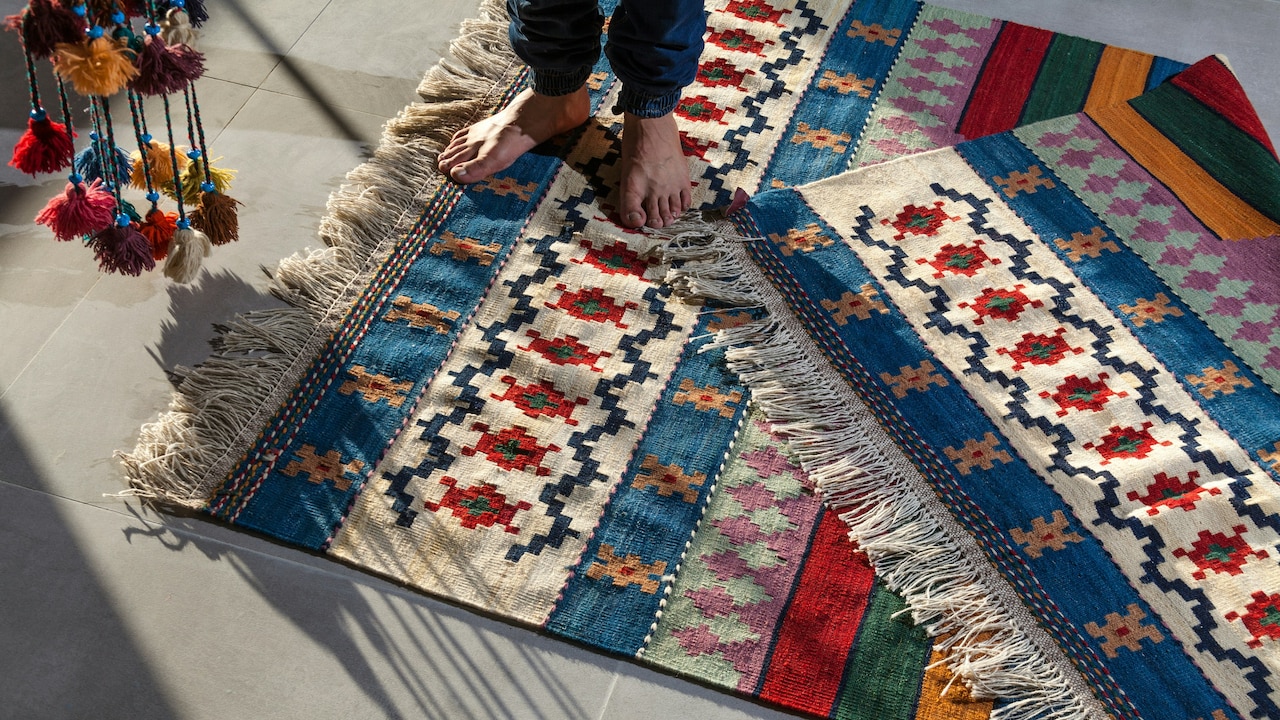
Patterns matter too. Intricate prints, subtle textures, or multi-colour blends make stains disappear into the design. Solid plain shades, especially light ones, behave like alarm systems, revealing every minor accident.
Choosing colours isn't about fashion; it's about survival. Let your carpet colour match the rhythm of daily life, not the stillness of a showroom.
7. Hypoallergenic Carpets Help Everyone Breathe Better
Dust mites, pet hair, and micro allergens love hiding in thick carpets. For families sensitive to allergies, the wrong carpet becomes a silent troublemaker. Hypoallergenic carpets are designed to resist allergen buildup and reduce triggers for sneezing, coughing, and irritations.
Materials like nylon and polyester are naturally resistant to mould and moisture. Flat weaves or low-pile carpets collect less dust than shaggy ones. Frequent vacuuming becomes easier, making it realistic to maintain a clean environment without turning every weekend into a cleaning marathon.
Healthy flooring matters as much as healthy walls or ventilation. A carpet that supports breathing adds far more comfort than one that only looks stylish.
8. Pet-Friendly Features Aren't Just Marketing Buzz
Pets leave behind hair, muddy paw prints, and scratches from enthusiastic claws. When choosing carpets, look for tightly woven fibres, heavy stitching, and durable edges. Loose threads invite pets to pull, chew, or scratch, leading to bald patches in no time.
Some carpets come with odour-control technology, preventing smells from lingering after accidents. Quick-drying materials also reduce risk of bacterial growth. Short fibres make cleaning pet hair remarkably easier compared to fluffy or shaggy options.
Carpets should welcome pets without collapsing under their energy. A pet-friendly carpet means fewer scoldings, less frustration, and a happier household for both humans and furry residents.
9. Size and Placement Shape How Long the Carpet Lives
A large carpet may look elegant, but placing it in high-traffic zones without thought can shorten its life. Before buying, think about where the carpet will live. Living rooms need sturdy, darker, easy-wash designs. Bedrooms can handle softer, slightly more delicate options since the traffic is lighter. Under dining tables, choose something stain-resistant and quick to clean; food spills there are unavoidable.
Runners for corridors protect flooring and reduce noise, while smaller carpets near doors trap dirt before it spreads everywhere. Buying one expensive giant carpet isn't as wise as choosing multiple functional pieces for different areas.
Carpets should serve the home, not dictate how the family moves. Smart placement boosts longevity and reduces stress.
10. Budget Wisely: Value Beats Price Tags
The price of carpets can range from ₹500 to ₹50,000 or more. Expensive doesn't always mean durable, and cheap doesn't always mean useless. Value lies in material strength, longevity, ease of cleaning, and suitability for the home's lifestyle.
Instead of spending ₹20,000 on a fancy living room carpet that begs for caution, it's smarter to invest in a ₹7,000 stain-resistant, pet-friendly option that encourages free movement and laughter. A smaller budget can still provide quality options when you compare fibre type, backing, maintenance cost, and warranty.
A good carpet earns its worth over the years, not through its price tag on day one.
How To Choose Long-Lasting Carpets For Real Homes
Photo Credit: Pexels
Products Related To This Article
1. KAVISH CARPET Carpet For Living Room Bedroom Super Soft Anti Skid
2. ishro home 3 x 5 Feet 3D Jet Multi Printed Carpet Rug Runner
3. Carpet ERA Features 8x10 Feet Modern Soft Shaggy Carpet Thick
4. Shaggy Modern rectangular Rug
5. Milan Premium Shag Collection Super Soft
A home isn't a showcase. It buzzes with laughter, footsteps, clumsy moments, and playful leaps. Carpets should support that energy, not fight against it. Choosing one means thinking beyond beauty, focusing on strength, safety, hygiene, colour practicality, and everyday comfort.
Pick fibres that endure, colours that forgive, and features that protect. Invest in carpets that invite children to sprawl across them, encourage pets to snooze happily, and offer warmth without demanding constant care. A great carpet doesn't just survive a home. It becomes part of the memories being made on it.
(Disclaimer: This article may include references to or features of products and services made available through affiliate marketing campaigns. NDTV Convergence Limited (“NDTV”) strives to maintain editorial independence while participating in such campaigns. NDTV does not assume responsibility for the performance or claims of any featured products or services.)