Laptop Tables vs Full Desks: Which Set Up Improves Productivity?
Laptop tables offer comfort and flexibility, while full desks bring structure and focus. This article explores which setup truly boosts productivity based on real work habits and everyday use.
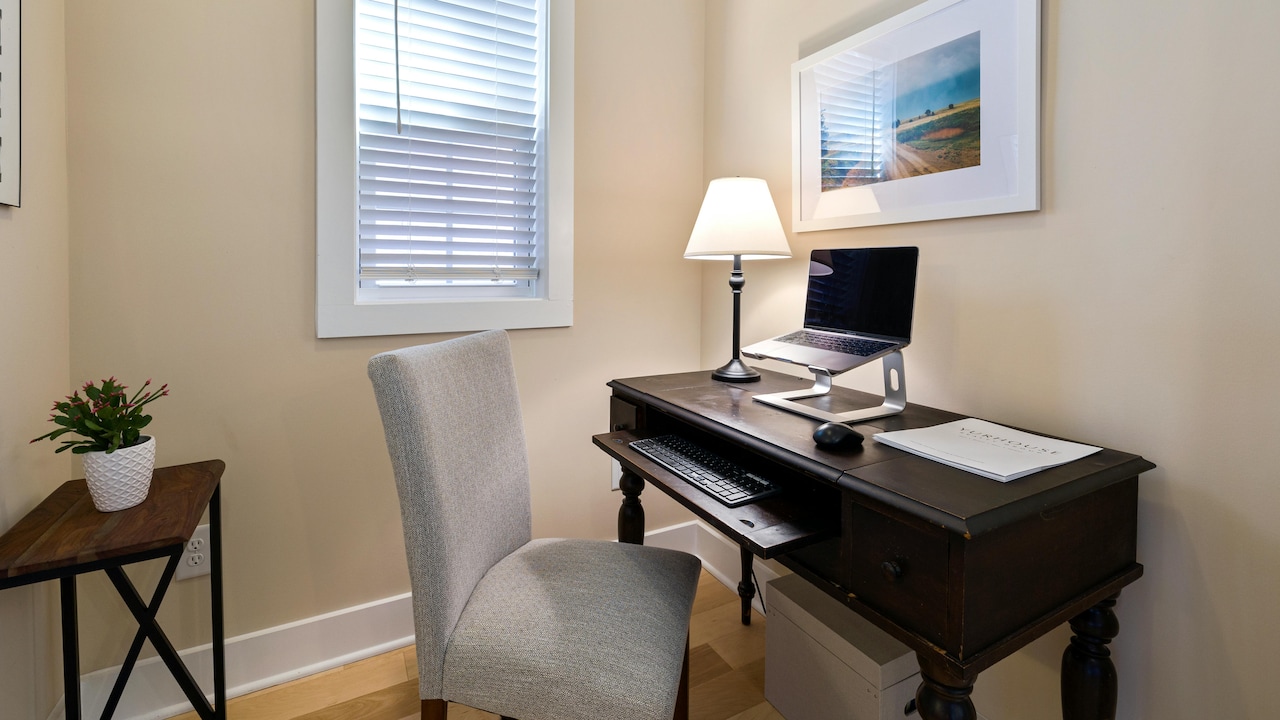
Laptop table vs desk which is more suitable for a productivity boost
The modern workspace has become wonderfully unpredictable. One day begins at a proper desk with a steaming cup of chai placed just so; the next unfolds on a bed, laptop balanced on a foldable table, while rain taps gently on the window. Flexibility feels liberating, but it also raises a pressing question: does comfort come at the cost of productivity?

Laptop table vs desk which is better for productivity; Photo Credit: Pexels
Laptop tables have surged in popularity, especially with smaller living spaces and hybrid work routines. They promise convenience, portability, and a relaxed vibe. Full desks, on the other hand, stand tall as symbols of discipline and structure. They carry a certain seriousness, almost like a silent reminder that work means business.
Choosing between the two isn't just about furniture. It touches habits, posture, focus, and even mood. The debate isn't as straightforward as it seems, and the answer rarely fits into a neat box. Instead, it unfolds through everyday experiences, missed deadlines, unexpected bursts of creativity, and the quiet satisfaction of a well-organised workspace.
Also Read: Work Smarter With Durable Laptop Tables: Explore Top Picks Starting At ₹299
The Real Factors That Shape Productivity At Home
Comfort Versus Discipline: The Daily Tug Of War
Laptop tables feel like a warm invitation to ease into work. Sitting cross-legged on a bed or lounging on a sofa creates a sense of comfort that traditional desks rarely match. This setup often works beautifully on slow mornings or creative afternoons when ideas need space to flow rather than structure to guide them.
Yet, comfort can quietly blur boundaries. Work starts to merge with leisure, and before long, a quick scroll through social media sneaks into the schedule. The body relaxes, but the mind may follow suit a little too eagerly. A full desk, in contrast, signals intent. Sitting upright, feet grounded, and everything arranged within reach creates a subtle psychological shift.
That shift matters. It tells the brain that it's time to focus, to produce, to finish what was started. While a laptop table excels in ease, a full desk builds discipline almost effortlessly. Productivity often thrives where comfort and structure strike a careful balance rather than compete for attention.
Posture And Physical Health: The Silent Productivity Factor
Hours of work rarely announce their impact immediately. A slight hunch here, a twisted neck there, and by evening, discomfort creeps in. Laptop tables, despite their charm, often encourage awkward postures. Screens sit too low, wrists bend at odd angles, and the spine takes on shapes it was never designed to hold.
A full desk offers better alignment. Paired with a supportive chair, it allows the screen to sit at eye level and keeps the body in a neutral position. Over time, this reduces strain and prevents fatigue from building quietly in the background.
Physical comfort directly influences productivity. A tired body struggles to sustain focus, no matter how motivated the mind feels. While laptop tables may work for short bursts, full desks provide a more sustainable setup for long hours. The difference becomes especially noticeable during back-to-back meetings or intense workdays when energy levels matter most.
Space Constraints: When Every Square Foot Counts
Not every home has the luxury of a dedicated workspace. Compact living arrangements often demand creative solutions, and this is where laptop tables shine. They tuck neatly into corners, slide under beds, and appear only when needed.
Full desks, however, require commitment. They claim space and often dictate room layout. Yet, that permanence brings its own advantage. A fixed workspace creates a sense of ownership and consistency. It becomes a designated zone where distractions feel out of place.
For those working within tight spaces, the choice isn't always about preference. It's about practicality. Laptop tables offer flexibility without crowding the room, while full desks reward those who can afford to dedicate space. Productivity, in this case, depends less on the furniture and more on how effectively the available area gets used.
Focus And Distractions: The Battle Of Attention
Working from a laptop table often means working where life happens, on a bed, near the television, or beside a window overlooking a busy street. While this environment feels lively, it also invites distractions.
A full desk creates separation. Even in a shared space, it marks a boundary. Sitting at a desk signals that work takes priority, making it easier to resist interruptions. The mind begins to associate that spot with concentration, much like a classroom bench once did.
Laptop tables lack this psychological anchor. They adapt to surroundings, but that adaptability can dilute focus. Productivity thrives on consistency, and a dedicated desk reinforces that rhythm. The difference may seem subtle, but over time, it shapes how effectively tasks get completed.
Portability And Flexibility: Freedom To Move
Laptop tables bring a unique advantage, mobility. They allow work to travel from room to room, from balcony mornings to late-night sessions in bed. This flexibility suits dynamic routines and changing moods.
Full desks, by nature, stay put. They demand that work happens in one place. While this might seem restrictive, it also encourages routine. Returning to the same spot each day builds a habit that supports productivity.
There's a certain joy in switching environments, especially during long hours. A laptop table makes that possible. However, constant movement can disrupt flow. Settling into a fixed desk often leads to deeper focus and fewer interruptions.
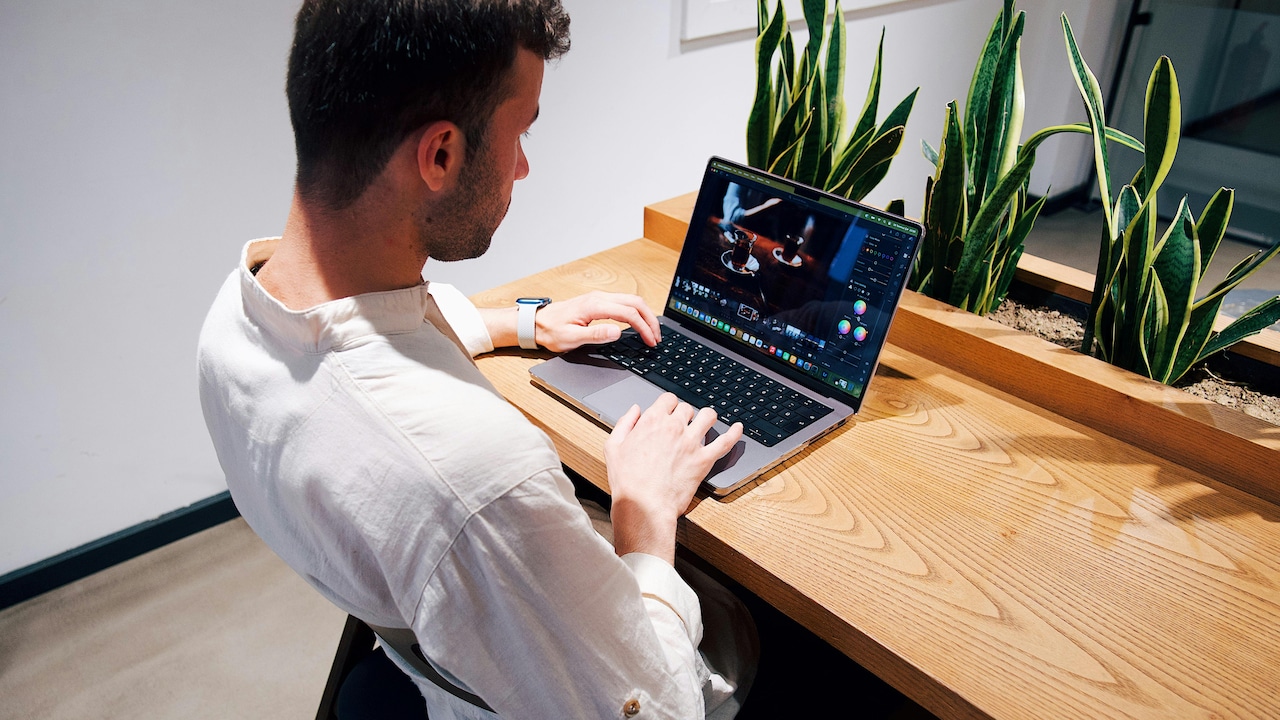
Laptop tables offer better flexibility and the freedom to move around; Photo Credit: Pexels
Aesthetic Appeal And Motivation
A well-designed desk can transform the mood of a room. Add a plant, a neat organiser, and a soft lamp, and suddenly, work feels less like a chore. Full desks offer this visual advantage, turning a workspace into something inviting.
Laptop tables, though functional, rarely deliver the same aesthetic impact. They prioritise convenience over design. While they blend easily into different spaces, they don't always inspire the same level of motivation.
Visual cues play a powerful role in productivity. A pleasing workspace encourages longer, more focused work sessions. While laptop tables win in adaptability, full desks often win hearts with their ability to create an environment that feels purposeful and inspiring.
Cost Considerations: Budget Meets Value
Laptop tables often come at a fraction of the cost of full desks. Options range from ₹500 to ₹2,500, making them accessible for students and those starting out. Their affordability makes them an attractive choice for temporary setups.
Full desks, on the other hand, can range from ₹5,000 to ₹20,000 or more, depending on design and material. While the upfront cost is higher, they often last longer and provide better support for daily work.
The decision here depends on long-term needs. A laptop table works well for short-term or occasional use. A full desk, though more expensive, offers durability and comfort that can justify the investment over time.
Work-Life Balance: Drawing The Line
One of the hidden challenges of flexible setups is the erosion of boundaries. Working from a laptop table on a bed blurs the line between rest and work. Even after shutting the laptop, the mind may struggle to switch off.
A full desk creates separation. Leaving the desk at the end of the day feels like closing a chapter. This physical boundary supports mental relaxation, helping maintain a healthier work-life balance.
While laptop tables offer freedom, they can make it harder to disconnect. Full desks, though less flexible, provide a structure that protects personal time. Productivity isn't just about output; it's also about knowing when to pause.
Suitability For Different Work Styles
Creative tasks often benefit from relaxed environments. Writing, brainstorming, or sketching ideas may feel more natural on a laptop table. The informal setup encourages free thinking and reduces pressure.
Analytical or detail-heavy work, however, often demands structure. Tasks like coding, data analysis, or long meetings benefit from the stability of a full desk. The organised setup supports concentration and precision.
Understanding work style helps in making the right choice. Neither option is universally better. Each serves a purpose, and productivity improves when the setup aligns with the nature of the task.
The Hybrid Approach: Best Of Both Worlds
Many have quietly adopted a middle path. Mornings begin at a full desk, tackling demanding tasks with focus. Afternoons shift to a laptop table for lighter work or creative sessions.
This hybrid approach combines structure with flexibility. It recognises that productivity isn't static; it changes throughout the day. Adapting the workspace accordingly can enhance both efficiency and comfort.
Rather than choosing one over the other, blending both setups often delivers the best results. It allows work to flow naturally while maintaining enough discipline to stay on track.
Products Related To This Article
1. Torche ironwood Multipurpose Height Adjustable Movable Table for Computer
2. TEKAVO Computer Table with Keyboard Tray for Home & Office
3. Smart Multipurpose Foldable Laptop Table with Cup Holder
4. Portronics My Buddy D Wood Multipurpose Movable & Adjustable Table for Computer
5. Velocity Electric Height Adjustable Desk with one Piece Top
6. Callas Engineered Wood Computer Desk with Shelf
7. Real Bamboo Foldable Laptop Table for Bed Desk Portable Study Writing Multipurpose Adjustable Tray with Tablet Holder Cup Slot Storage Drawer
The debate between laptop tables and full desks isn't about declaring a winner. It's about understanding what each offers and how those benefits align with daily routines.
Laptop tables bring comfort, flexibility, and affordability. They adapt to changing needs and make work feel less rigid. Full desks, however, provide structure, better posture, and a dedicated space that supports long-term productivity.
In the end, productivity grows from habits, not just furniture. A thoughtfully chosen setup, whether portable, permanent, or a mix of both, can quietly shape how work unfolds each day. The key lies in recognising what the mind and body need, and letting the workspace support that rhythm rather than disrupt it.
(Disclaimer: This article may include references to or features of products and services made available through affiliate marketing campaigns. NDTV Convergence Limited (“NDTV”) strives to maintain editorial independence while participating in such campaigns. NDTV does not assume responsibility for the performance or claims of any featured products or services.)