Linen Curtains vs Cotton Blend Curtains: Which Is Easier To Maintain Long Term?
Linen or cotton blend curtains, both look great, but which is easier to maintain long-term? This guide compares durability, washing, fading, and everyday care to help you choose wisely.
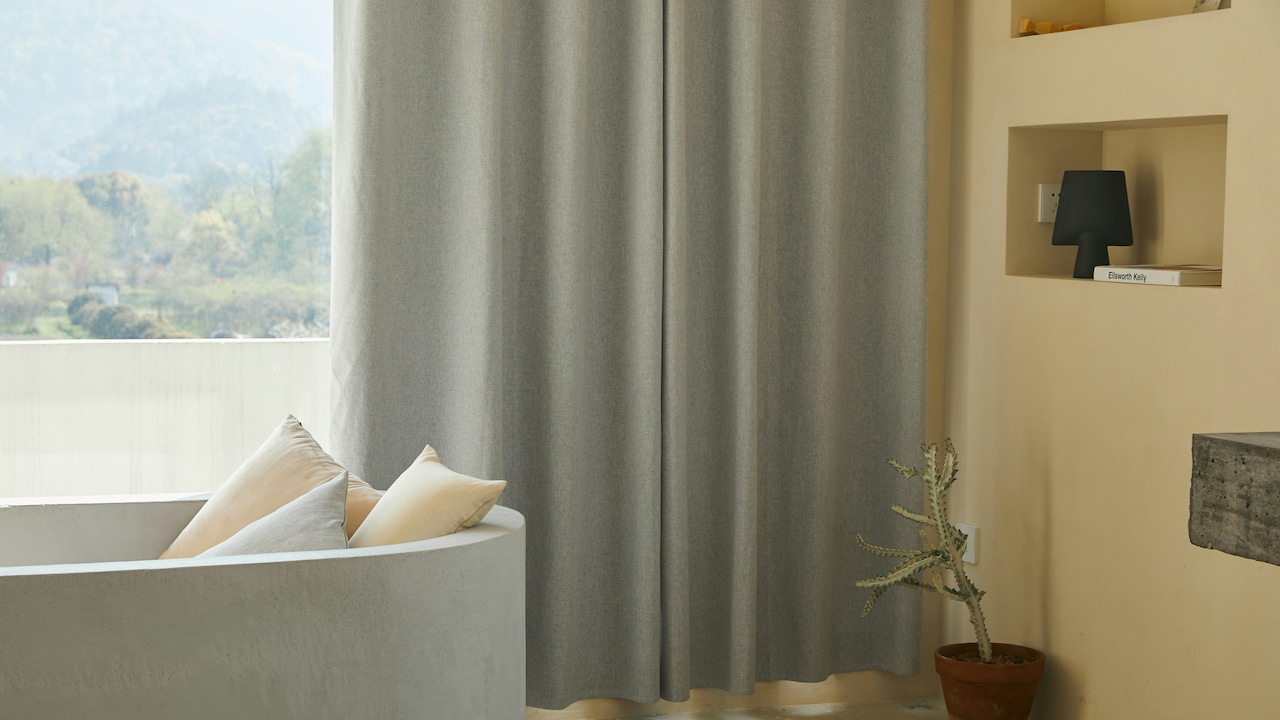
Linen Curtains Vs Cotton Blend: Find Out Whats Easier To Maintain For The Long-Term.
Curtain shopping usually starts with colour and ends with price. Maintenance rarely gets the spotlight until a faded panel or stubborn crease appears. Choosing the right fabric saves time, effort, and money in the long run. Linen curtains bring an airy, relaxed charm. Cotton blend curtains promise versatility and everyday ease. So, when it comes to linen curtains vs cotton blend curtains comparison, we look at washing habits, durability, ironing struggles, climate suitability, and everyday wear and reveal what works.

Linen Curtains Vs Cotton Blend: Whats Easier To Maintain Long-Term?
Photo Credit: Pexels
Breaking Down Maintenance, Longevity And Real-World Ease
1. Everyday Cleaning: Which Fabric Handles Dust Better?
Dust settles quickly in homes, especially near busy roads or open balconies. Curtains act like silent collectors. Linen, with its loosely woven fibres, traps dust faster. Regular shaking helps, but deeper cleaning becomes unavoidable. Vacuuming linen needs care, as aggressive suction can pull fibres loose.
Cotton blend curtains perform better here. Their tighter weave resists dust penetration. A quick vacuum or light shake often restores freshness. This makes them suitable for living rooms and homes with pets or children. Less frequent washing also means the fabric retains colour and strength for longer.
Over time, linen demands more attention to stay clean. Cotton blends quietly handle daily dust without much intervention. For those who prefer minimal upkeep between washes, cotton blend curtains clearly offer a smoother routine.
2. Washing Frequency and Fabric Fatigue
Curtains rarely get washed weekly, yet they face smoke, cooking smells, and city air. Linen dislikes frequent washing. Each wash softens fibres but also weakens them. Machine washing often requires gentle cycles and mild detergents. Miss one instruction and shrinkage or distortion follows.
Cotton-blend curtains tolerate regular washing far better. Blended fibres add strength and stability. They hold shape even after multiple cycles. Most handle standard machine washes without drama, which suits households where curtains double as room dividers or face kitchen areas.
Over the years, linen curtains show signs of fatigue faster. Edges fray, and fabric thins. Cotton blends age more quietly, maintaining structure despite repeated washes. For long-term ease, fewer laundry rules make cotton blends a friendlier option.
3. Ironing and Wrinkle Woes
Linen wrinkles. That trait defines its charm and its challenge. Crisp pleats rarely last long. Ironing linen takes patience, steam, and time. Skip ironing, and the fabric looks intentionally casual, which suits some homes but not all.
Cotton-blend curtains resist wrinkles better. They emerge from the wash with fewer creases. A quick iron on medium heat usually does the job. Some blends barely need ironing at all, especially when rehung slightly damp.
In homes where time matters, this difference becomes crucial. Linen demands effort to look polished. Cotton blends allow flexibility. Whether rushed mornings or last-minute guests, cotton blend curtains reduce stress. Over the years, this ease adds up, making them easier to live with day after day.
4. Sunlight, Fading, and Fabric Strength
Sunlight streams generously through windows, especially in apartments with large balconies. Linen reacts poorly to prolonged sun exposure. Natural fibres weaken under harsh light. Colours fade unevenly, and the fabric loses strength near window edges.
Cotton blend curtains handle sunlight better. Synthetic fibres within the blend improve resistance. Colours stay truer for longer. The fabric remains sturdy, even in rooms flooded with light.
Over time, linen curtains near sunny windows often need replacement sooner. Cotton blends stretch that timeline. For homes with strong daylight, choosing a fabric that resists fading saves money and effort. Long-term maintenance includes replacement costs, and cotton blends clearly score higher in this area.
5. Climate Compatibility and Seasonal Care
Humidity, heat, and monsoon dampness influence fabric health. Linen absorbs moisture easily. In humid months, it feels heavier and dries slowly. Improper drying invites mildew or musty smells.
Cotton blend curtains adapt better. Blended fibres reduce moisture retention. They dry faster and resist damp-related issues. During monsoon season, this becomes a practical advantage.
Seasonal storage also matters. Linen needs careful folding and breathable covers. Cotton blends store easily without special care. Over years, this ease protects fabric quality. Homes in regions with shifting weather benefit from materials that adjust without constant supervision. Cotton blends quietly handle these changes with less effort.
Also Read: Top 5 Outdoor Curtains For Balcony Under ₹1,000
6. Stain Resistance and Everyday Mishaps
Curtains often sit close to dining areas or children's play zones. Accidental spills happen. Linen absorbs stains quickly. Oil or food marks set deep and demand immediate attention. Even then, stains may linger.
Cotton blend curtains resist stains better. Many blends include finishes that repel light spills. Washing removes most marks without special treatments. This makes them practical for busy homes where perfection takes a back seat.
Over time, visible stains shorten a curtain's life. Linen's sensitivity increases maintenance demands. Cotton blends forgive everyday mishaps. For households that value practicality alongside style, this difference matters more than expected.
7. Longevity and Cost Over Time
Linen curtains often cost more upfront. They promise elegance and natural texture. Yet their lifespan depends heavily on care. Frequent washing, sunlight exposure, and humidity shorten their usable years.
Cotton blend curtains usually cost less initially. Their durability stretches value over time. Fewer replacements balance the initial investment. A ₹3,000 cotton blend set lasting eight years often proves more economical than a ₹6,000 linen set needing replacement after five.
Maintenance costs include cleaning, repairs, and replacement. Cotton blends reduce all three. Over a decade, this difference becomes clear. Long-term ease often aligns with better value, and cotton blends deliver consistently on that front.
8. Style Evolution and Fabric Ageing
Linen ages visibly. Some appreciate its softening texture and relaxed drape. Others see wear and tear. Creases deepen, colours mute, and edges lose sharpness. This ageing suits rustic or bohemian spaces.
Cotton blend curtains maintain a more uniform appearance. They hold pleats and colours. Ageing remains subtle. This suits modern homes that favour clean lines and consistency.
Over years, redecorating has become easier with cotton blends. They adapt to changing cushions, wall colours, or furniture. Linen's strong personality limits flexibility. Long-term maintenance includes visual harmony, and cotton blends offer more room to evolve.

Linen Curtains Vs Cotton Blend: Whats Easier To Maintain Long-Term?
Photo Credit: Pexels
9. Care Instructions and Household Convenience
Linen comes with a rulebook. Cold washes, gentle cycles, air drying, careful ironing. Missing one step risks damage. This demands time and attention.
Cotton blend curtains keep things simple. Most allow machine washing, moderate heat, and standard ironing. Some even suit tumble drying. This convenience fits modern routines.
Over the long term, simplicity wins. Curtains should support daily life, not complicate it. Cotton blends blend into routines effortlessly. Linen asks for commitment. For homes balancing work, family, and downtime, ease of care makes a noticeable difference.
10. Emotional Comfort and Everyday Satisfaction
Maintenance goes beyond fabric science. It affects daily satisfaction. Curtains that constantly need care create quiet frustration. Linen's beauty feels rewarding when fresh, but stressful when upkeep piles up.
Cotton blend curtains offer peace of mind. They look good without constant attention. This creates a relaxed home environment. Guests feel welcome, and hosts feel prepared.
Over the years, this emotional ease matters. A home thrives on comfort and simplicity. Cotton blends support that rhythm. Linen suits those who enjoy hands-on care. Choosing the right fabric aligns with lifestyle, not trends. Long-term ease often brings lasting happiness.
Products Related To This Article
1. THE LINEN COMPANY Cotton Linen Solid Sheer Window Curtain Set
2. Fresh From Loom Curtains for Door 10 Feet Long
3. RANGBHAR Linen Textured Sheer Curtains with Eyelets
4. Amazon Brand - Umi Super Soft Brushed Microfiber Cotton Door Curtains
5. THE LINEN COMPANY Cotton Sheer Grommet Curtains with Side Border Pompom Sheer Curtain for Long Door Linen Textured
6. Ombre Printed Linen Textured Sheer Curtains for Living Room
7. Tranquebar Curtain Co. Window Curtains 5 Feet
Linen and cotton blend curtains both bring charm, but their maintenance stories differ sharply. Linen offers natural beauty and texture, yet demands care, patience, and frequent attention. It suits calm spaces and owners who enjoy fabric rituals. Cotton blend curtains quietly excel in long-term maintenance. They resist dust, stains, sunlight, and humidity. They wash easily, iron quickly, and age gracefully.
Choosing curtains shapes daily life more than expected. When maintenance feels effortless, homes feel lighter. In that quiet victory, cotton blends often take the lead.
(Disclaimer: This article may include references to or features of products and services made available through affiliate marketing campaigns. NDTV Convergence Limited (“NDTV”) strives to maintain editorial independence while participating in such campaigns. NDTV does not assume responsibility for the performance or claims of any featured products or services.)










![Steam Iron Teflon Shoe Cover for ES-300,ST-96 [Only For ES-300 and ST-96 Model Electric Steam Irons]](https://m.media-amazon.com/images/I/51wwkttondL._SL160_.jpg)