How To Choose Curtains That Make Ceilings Look Higher: Rod, Length and Fabric
Curtains can change the entire mood of a room. The right ones bring warmth, height, elegance and an instant sense of space. This guide unpacks the small tricks, rod placement, fabric choice and length that create the illusion of taller ceilings.
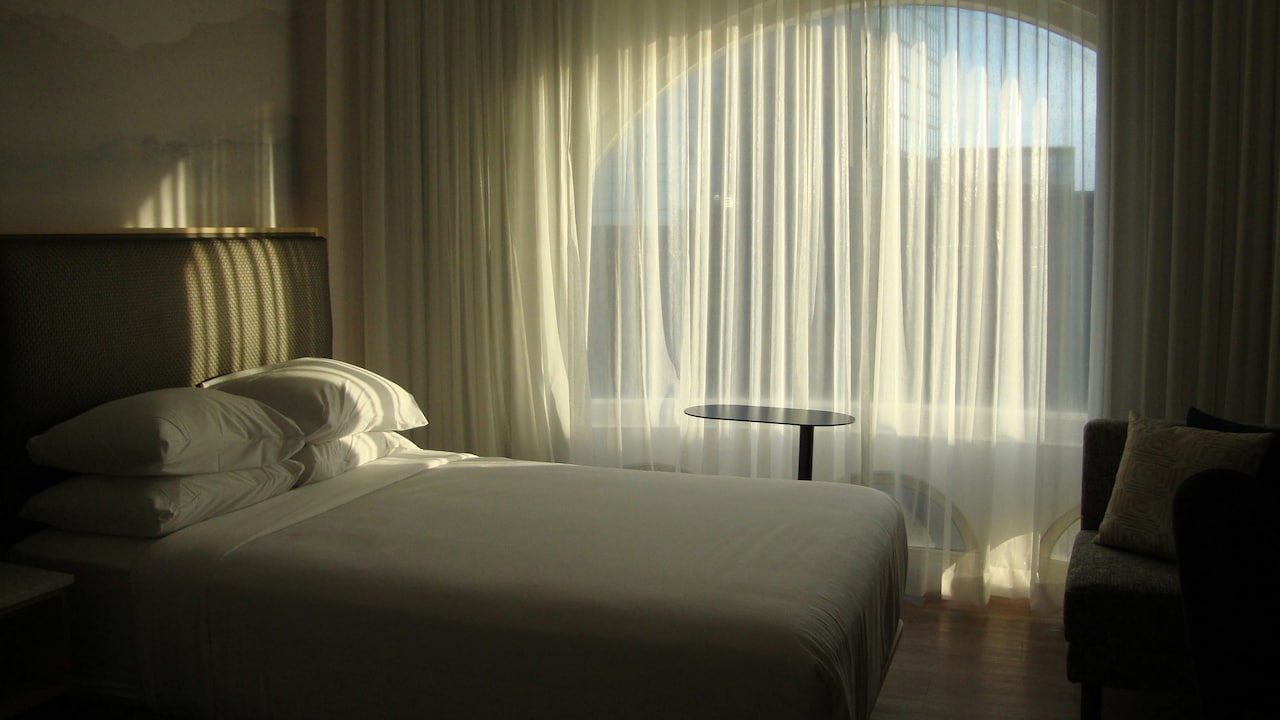
Curtain Tips to Make Ceilings Look Higher: Best Rod, Length and Fabric Ideas.
Walk into any home with tall ceilings, and there's an effortless openness in the air. Not everyone is blessed with soaring walls, of course, and many modern flats lean towards compact layouts. Yet one simple change can make a room feel taller: curtains chosen with clever intention. Curtains do more than block sunlight or offer privacy. They stretch the eye upward and frame the room like artwork. A well-planned curtain setup can create the sense of height that architects spend crores trying to achieve.
Here are 10 guiding points on how to choose curtains that make ceilings look higher, each one focusing on rod placement, length or fabric, designed to help achieve that vertical lift.
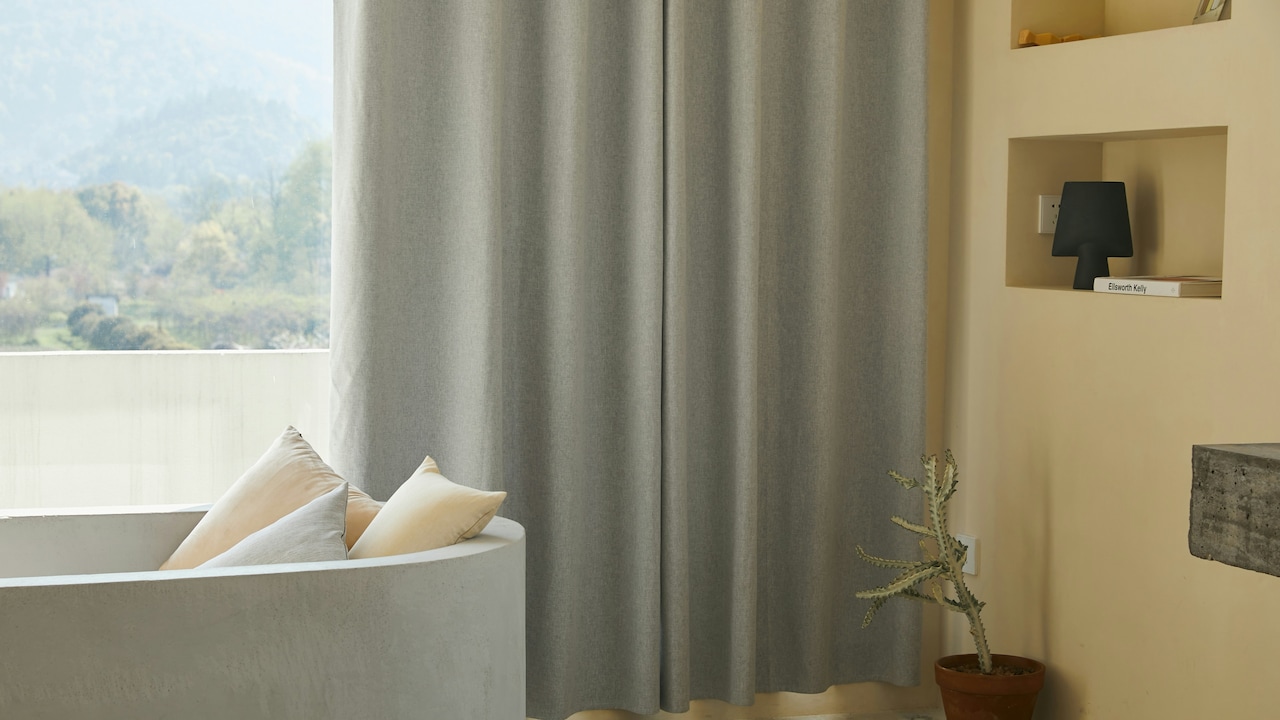
Curtain Tips To Make Ceilings Look Higher: Rod, Length and Fabric Ideas; Photo Credit: Pexels
Transform Your Space with These Height-Boosting Curtain Ideas
1. Place the Curtain Rod Close to the Ceiling
The simplest way to create height is by lifting the rod. Instead of mounting it just above the window frame, push it upwards, right below the ceiling or at the highest point your wall allows. This single shift draws the eye upward, almost like wearing high-waisted trousers that elongate the legs.
When the rod sits high, the wall appears taller, even if the actual ceiling remains unchanged. This trick works especially well in rooms where windows are smaller or oddly shaped. The extra vertical stretch gives them a sense of importance.
In homes with false ceilings, leaving a small gap beneath the cove and fixing the rod just below it works beautifully. With that, the curtains drop from a clean, uninterrupted line, creating a sleek, modern look. It's a small detail that delivers a big impression, all without spending more than the cost of a standard curtain rod, usually around ₹600–₹1,200 depending on its finish.
2. Choose Full-Length Curtains That Touch the Floor
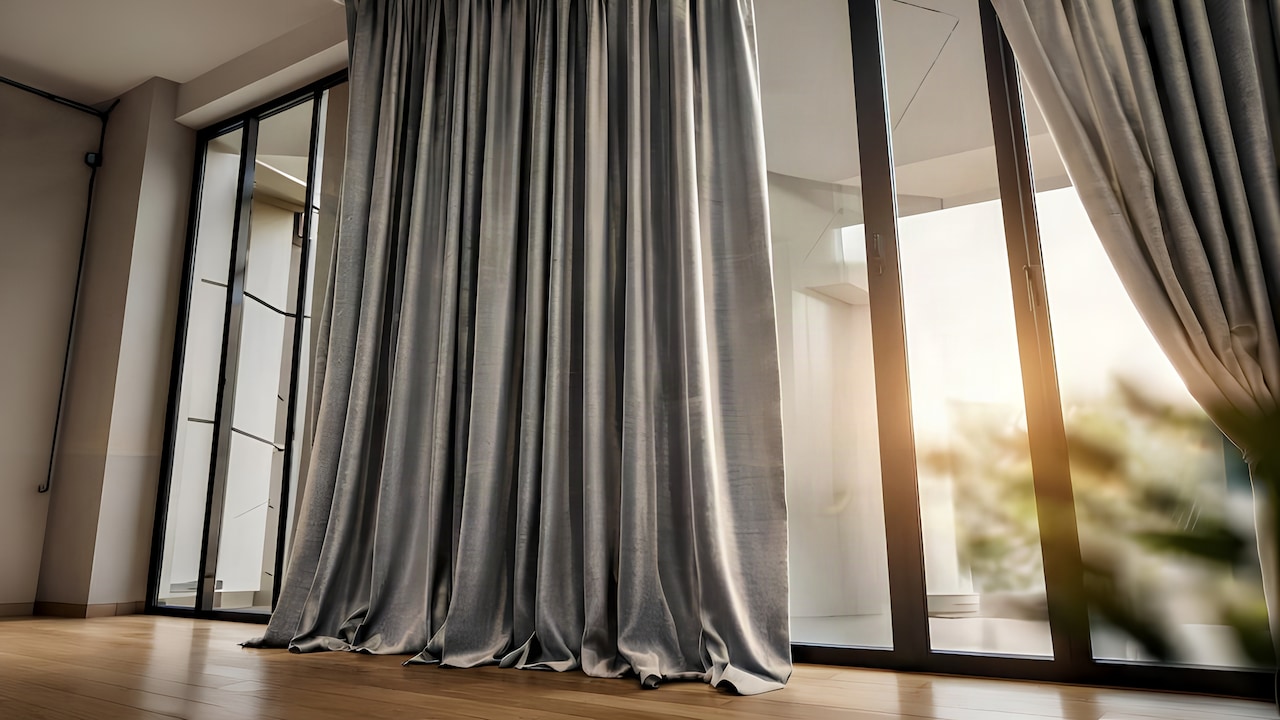
Curtains that stop mid-way disrupt the vertical line. For a taller look, let them fall gracefully till they touch the floor. The effect is similar to a well-tailored outfit: the lines are clean, confident and uninterrupted. Full-length curtains ground the room and guide the gaze from top to bottom without hesitation.
Some prefer a slight “puddle”, where the fabric gathers gently at the bottom. This style adds luxury, especially with materials like velvet or linen blends. That said, puddling is better suited for low-traffic areas since it requires a bit more upkeep. In busy households, especially those with children or pets, curtains that kiss the floor without dragging are more practical.
Length also affects how light enters the room. Longer curtains filter sunlight softly, creating a diffused glow that makes the height illusion even stronger.
Also Read: Top 5 Curtain Types That Complement Your Space
3. Opt for Narrow, Vertical Patterns
Patterns have a big role in visual perception. Vertical stripes, thin or medium-width, act like a magician's trick for height. They create a rhythmic pull that naturally lifts the eyes upward. Even when the ceiling is modest, the impression feels taller because the movement is continuous.
For those who prefer prints, look for motifs that stretch vertically. Florals that grow upwards, elongated geometric shapes or classic ikat styles all help extend the visual line. Stay away from dense horizontal motifs, as they widen the look of a room rather than increase height.
In cities where ready-made curtains dominate the market, finding vertical patterns is easier than ever. Many stores in Mumbai, Delhi and Chennai stock striped fabrics from ₹200 per metre onwards, offering budget-friendly options without compromising on style..
4. Pick Light, Airy Fabrics That Flow
Fabric type affects how the curtain hangs and moves. Lightweight materials, cotton blends, voile, sheer, linen and soft polyester, tend to fall straighter, creating a clean vertical line. Heavy fabrics sometimes gather or puff out, which can break the height illusion unless handled carefully.
Airy materials brighten a room by allowing natural light to pass through. This glow softens the walls and makes the space feel open and breezy. In climates where sunlight can be intense, pairing sheers with a blackout layer is a clever solution. During the day, the sheers filter harsh rays; at night, the heavier layer offers privacy and cooling.
Because lighter fabrics flutter gently, they add movement without overwhelming the room. The effect feels both elegant and spacious. They also dry quickly after washing, something every household appreciates during monsoons. With prices starting from ₹150–₹300 per metre, airy fabrics prove friendly to both décor and budget.
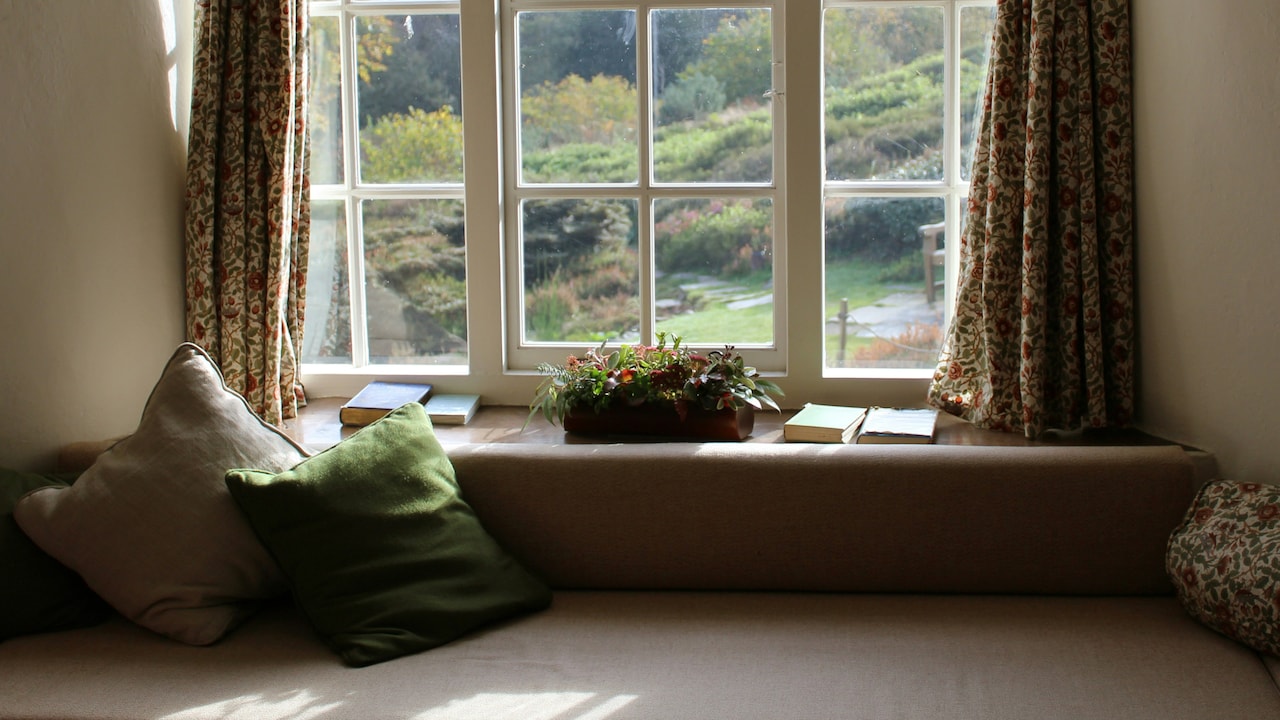
Curtain Tips To Make Ceilings Look Higher: Rod, Length and Fabric Ideas; Photo Credit: Pexels
5. Select a Rod That Complements the Room's Scale
A curtain rod may seem like an accessory, but its size and finish influence how tall the room feels. Thin rods can look delicate and may not suit wide windows. Oversized rods, on the other hand, make spaces feel chunky. The goal is balance, a rod neither too slim nor too bulky.
A sleek metal design works well in modern homes, while wooden rods suit warm, traditional settings. What matters most is how the rod extends across the width of the window. Extend it slightly beyond the frame, around 6 to 8 inches on each side. This trick allows the curtains to sit outside the window when open, letting maximum light in and giving the window an extended feel.
Finials (rod ends) also add character. Minimalist caps elongate the rod visually, while ornamental ones add a regal touch. Choose something that suits your room's vibe. Many decorative rods cost between ₹500 and ₹2,000, making it easy to elevate the décor without stretching the budget.
6. Keep Curtain Width Generous
Wide curtains that create soft folds add depth and richness. When the fabric gathers well, the visual vertical lines multiply, further reinforcing the sense of height. Curtains should ideally be 1.5 to 2 times the width of the window. This prevents them from looking flat or stretched.
Wide curtains are especially effective in living rooms, where they frame the window like artwork. And when sunlight hits those folds, the shadows create a delicate pattern that enriches the room. With thoughtful measurement and a little planning, width becomes a powerful tool for visual height.
7. Match Curtain Colour to the Wall for Seamless Elevation
Colour has a quiet influence. When curtains blend with the wall colour, they create a seamless look that makes the wall appear taller. There's no visual break, so the eye moves effortlessly from floor to ceiling. Soft neutrals, cream, beige, off-white or muted greys, work beautifully.
For those who enjoy a bit of drama, deeper shades can also work if they stay within the same tonal family as the wall. A charcoal curtain against a deep grey wall, for example, looks elegant and elongated. The idea is cohesion, not contrast. High contrast tends to chop the wall visually, reducing the height effect.
Stores often carry a wide range of matching shades, so finding the perfect complement isn't difficult. The seamless look brings calmness to a room, especially in bedrooms or study areas where quiet aesthetics matter.
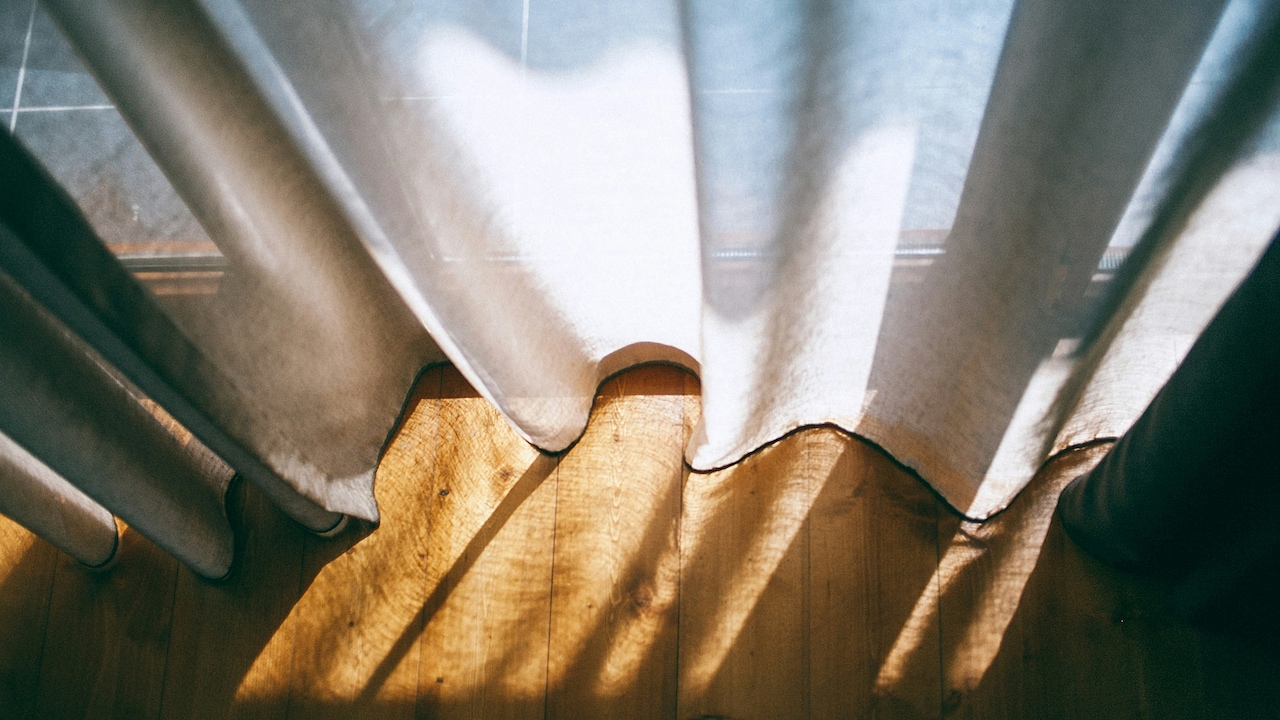
Curtain Tips To Make Ceilings Look Higher: Rod, Length, and Fabric Ideas; Photo Credit: Pexels
8. Avoid Eyelet Curtains for Height, Use Pleated Styles Instead
Eyelet curtains are easy to slide and stylish, but their natural scalloped top can create dips that interrupt the vertical line. For height enhancement, pleated styles, pencil pleats, pinch pleats or box pleats, work far better. They create clean, upright folds that give a crisp upward direction.
Pleated curtains fall more neatly and give a tailored look that suits both small and large rooms. They also offer more control over fullness, as the pleats help the fabric stay structured. While stitching pleats can cost a bit more, usually around ₹150–₹250 per curtain, the polished outcome makes it worthwhile.
Another advantage of pleats is that they stay in shape even after multiple washes. This durability is helpful in busy homes where curtains often need seasonal cleaning. A well-pleated curtain brings height, elegance and long-lasting neatness.
9. Layer Sheers and Opaque Curtains for Depth and Height
Layers add sophistication. A sheer curtain tucked behind a heavier drape creates depth, and with depth comes the illusion of height. The layering draws attention upwards and adds visual interest without feeling busy.
Sheers soften the space during daytime, giving the room a lit-from-within glow. When paired with long, straight opaque curtains, the combination feels hotel-like. This look suits living rooms especially well, where guests notice the ambience instantly.
Layering works well in tropical climates, too. The sheer layer allows air to circulate even when drawn. Meanwhile, the thicker layer blocks heat and gives privacy at night. The effect is both practical and beautiful. Prices vary depending on fabric, but a paired set can be assembled for ₹1,000–₹3,000 depending on size and material.
10. Keep Tiebacks Minimal or Skip Them for Height
Tiebacks pull curtains to the side and create curves that disrupt the vertical line. For a height-boosting effect, let the curtains fall freely. When they hang straight, the lines stay uninterrupted. If tiebacks are essential, perhaps in a balcony room, choose thin, minimal ones that don't pull the curtains too far out.
Some households prefer magnetic clips, which create a gentle hold without cinching the fabric tightly. These keep the curtain's natural journey intact. Another approach is to use sheer curtains for daytime and keep the heavier drapes drawn only at night. This way, tiebacks become unnecessary.
Free-falling curtains offer a serene look, especially in bedrooms. And without tiebacks, cleaning becomes simpler too. Less hardware, more vertical magic, it's an easy win for height illusion.
Products Related To This Article
1. Tranquebar Curtain Co. Window Curtains 5 Feet
2. Home Sizzler 2 Pieces Stylized Tulip Grommet Polyester Window Curtain
3. BFAM Kids Blackout Curtains 7 feet Set of 1
4. Ultimate Trends Digital Printed Blackout Curtains
5. Amazon Brand - Umi Super Soft Brushed Microfiber Cotton Long Door Curtains
6. DECOMIZER Super Soft Brushed Microfiber Cotton Solid Room Darkening Door Curtains
7. Urban Space 100% Cotton Curtains 5 Feet Long Set of 2
Creating the sense of higher ceilings is not about major renovation or expensive décor. It is about smart styling choices, raising the rod, extending the length, embracing vertical patterns, selecting airy fabrics, and letting colours blend harmoniously. A well-planned curtain choice enhances comfort, beauty, and spaciousness. With thoughtful planning and a bit of experimentation, any room can feel taller, brighter and more welcoming.
(Disclaimer: This article may include references to or features of products and services made available through affiliate marketing campaigns. NDTV Convergence Limited (“NDTV”) strives to maintain editorial independence while participating in such campaigns. NDTV does not assume responsibility for the performance or claims of any featured products or services.)