Why Non-Stick Pans Lose Coating And How To Extend Their Life
Non-stick pans don’t fail overnight; daily habits wear them down. Learn what causes coating damage and how simple changes can extend your pan’s life and save money.
Why Non-Stick Pans Lose Coating And How To Extend Their Life
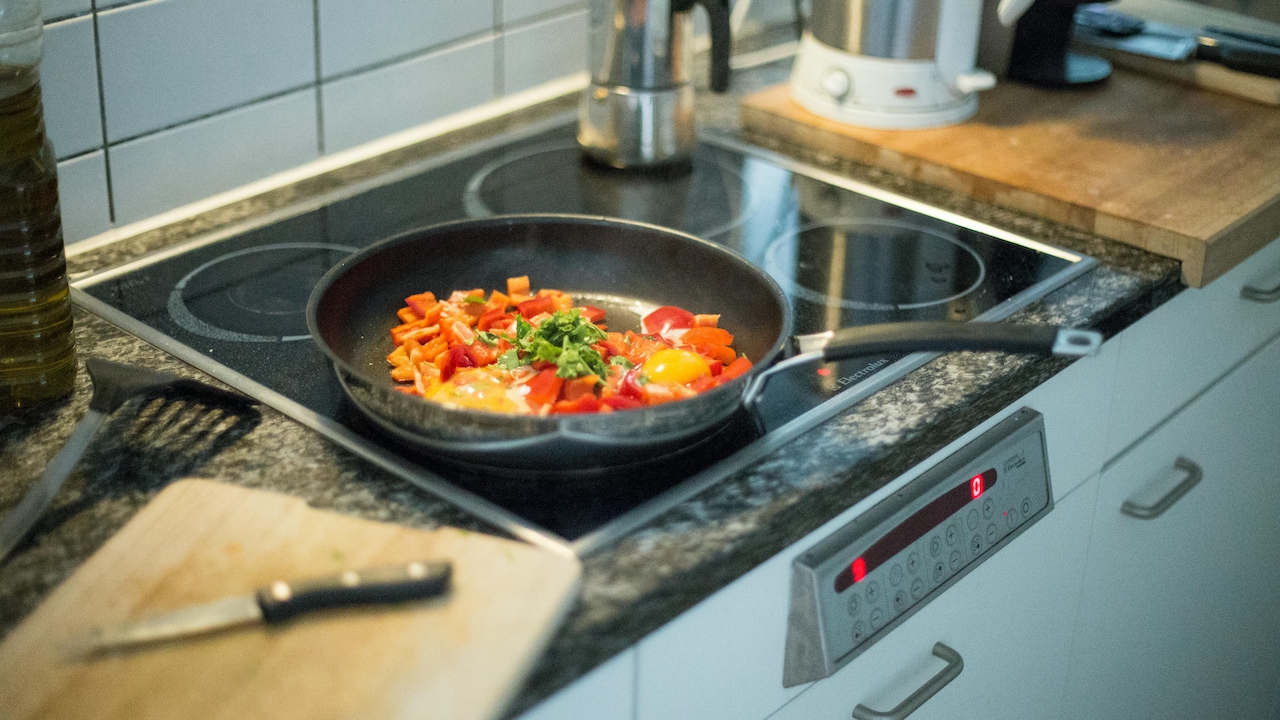
A non-stick pan feels like a small luxury that quickly becomes a daily essential. From fluffy omelettes to golden parathas, it simplifies cooking in ways that traditional cookware cannot always match. But then comes that frustrating moment, the food starts sticking, the surface looks dull, and the pan no longer performs like it once did. It rarely happens overnight. Instead, the coating quietly wears down through everyday use, often without much notice. Many households assume this decline is inevitable, replacing pans every year or two, sometimes spending ₹800 to ₹3,000 without questioning why the damage occurs so soon.
Why Non-Stick Pans Lose Coating And How To Extend Their Life
Photo Credit: Pexels
The truth lies in small, often overlooked habits. A bit too much heat here, a metal spoon there, or even a hurried wash after cooking. These actions gradually weaken the coating, stripping away its non-stick magic.
Understanding what goes wrong can make all the difference. With the right care, a good non-stick pan can last far longer than expected, saving both money and effort. Let's explore what really causes that coating to fade, and how to keep it intact for as long as possible.
Understanding What Damages Non-Stick Coating And How To Prevent It
High Heat Is The Silent Destroyer
Heat gives life to cooking, yet it also becomes the biggest enemy of non-stick coatings. Many kitchens rely on high flames to speed things up, especially during rushed mornings. A pan heats quickly, oil sizzles instantly, and cooking feels efficient. However, that intense heat slowly breaks down the delicate coating layer.
Non-stick surfaces, particularly those made with PTFE, begin to degrade at temperatures above 260°C. While that number sounds technical, it translates into a simple habit, leaving an empty pan on a high flame for even a minute or two. This common mistake weakens the coating from within.
Over time, the surface loses its smoothness. Tiny cracks develop, and food starts sticking in patches. The pan may still look fine at first glance, but performance declines noticeably.
A gentler approach works wonders. Cooking on medium or low heat not only protects the coating but also improves food texture. Rotis puff better, eggs cook evenly, and spices release flavour more gradually. Slowing down the heat might feel counterintuitive, but it adds years to a pan's life while making meals taste better.
Metal Utensils Cause Microscopic Damage
A quick stir with a steel spoon or flipping a dosa with a metal spatula seems harmless. After all, these tools have been part of kitchens for generations. However, when it comes to non-stick cookware, metal becomes a quiet saboteur.
Each scrape leaves behind tiny scratches. They may not be visible immediately, but over time, they accumulate and weaken the coating. The once-smooth surface turns uneven, allowing food to cling stubbornly.
This damage often begins subtly. Perhaps the pan still works for a while, but cleaning becomes harder. A thin layer of oil no longer spreads evenly, and the pan loses its effortless glide.
Switching to wooden, silicone, or nylon utensils makes a noticeable difference. These materials treat the surface gently, preserving its integrity. It might take a few days to adjust, especially when flipping delicate items, but the payoff is worth it.
A simple change in tools can extend a pan's lifespan significantly. It is one of the easiest habits to adopt, yet one of the most effective in keeping that non-stick surface intact.
Abrasive Cleaning Wears It Down
Cleaning often feels like the final step, but it can quietly undo all the care taken during cooking. Scrubbing a pan with a rough sponge or steel wool might remove stubborn food quickly, but it also strips away the coating layer bit by bit.
After a long day, it feels tempting to attack burnt residue with force. The quicker it looks clean, the better. Yet, this approach creates microscopic abrasions that weaken the surface over time.
Even harsh detergents can contribute to this wear. They break down the coating's structure, making it more vulnerable to damage during future use.
A softer routine works far better. Allowing the pan to cool slightly before washing prevents sudden stress on the surface. Using warm water, mild soap, and a soft sponge keeps it clean without causing harm.
Sometimes, soaking the pan for a few minutes does the trick. Food loosens naturally, eliminating the need for aggressive scrubbing. A little patience during cleaning can add months, even years, to a pan's usability.
Cooking Spray Leaves Residue Build-Up
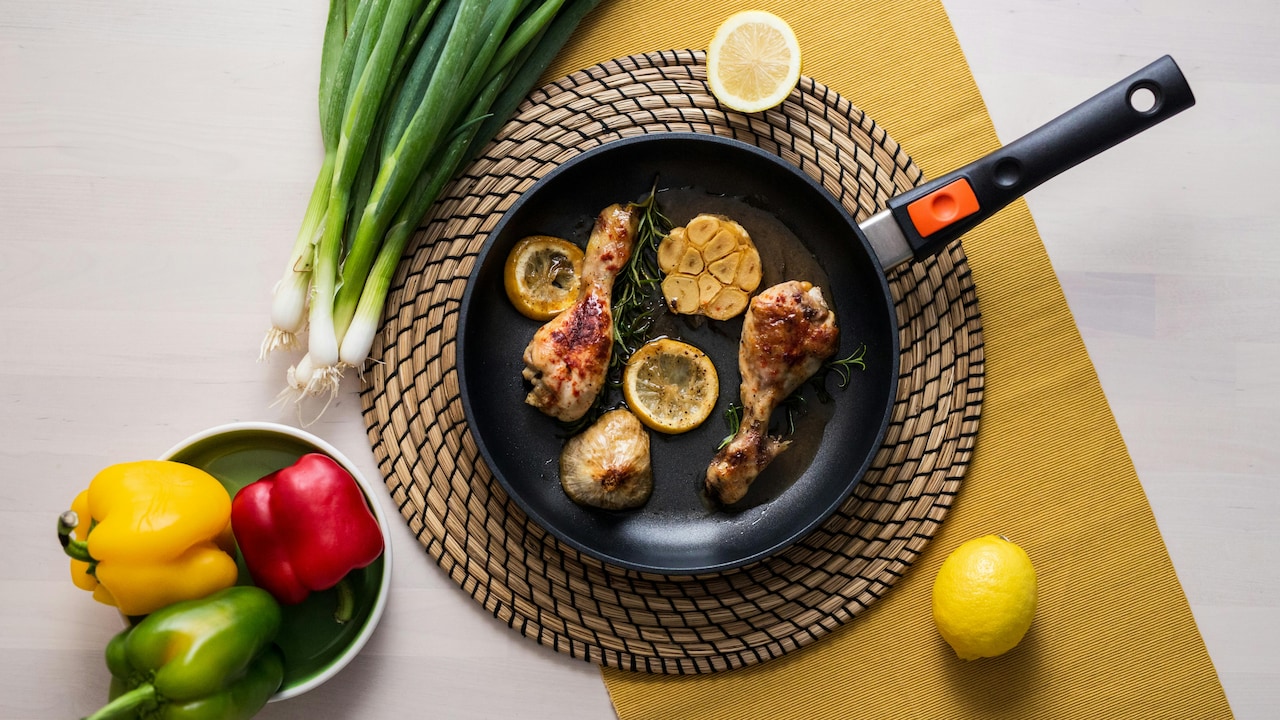
Cooking sprays often promise convenience. A quick spray, and the pan is ready, no measuring, no mess. However, these sprays leave behind a sticky residue that slowly builds up on the surface.
Unlike regular oil, spray oils contain additives that cling to the pan. Over time, this layer becomes difficult to remove, creating uneven patches that interfere with the non-stick function.
Food begins to stick in certain spots, even though the rest of the pan seems fine. Cleaning becomes frustrating, and the pan loses its consistency.
Switching to a small amount of regular oil or butter offers better results. A teaspoon spread evenly works just as well, without leaving behind stubborn residue.
It may feel like a small adjustment, but it preserves the coating's smoothness. The pan stays reliable, and cooking remains hassle-free.
Why Non-Stick Pans Lose Coating And How To Extend Their Life
Photo Credit: Pexels
Sudden Temperature Changes Cause Stress
Imagine pouring cold water onto a hot pan right after cooking. The loud sizzle might feel satisfying, but it signals stress on the material. This sudden temperature shift can warp the pan and weaken the coating.
Non-stick surfaces expand when heated and contract when cooled. Rapid changes disrupt this balance, causing tiny fractures that grow over time.
The pan may not warp visibly at first, but its performance begins to decline. Heat distribution becomes uneven, and food cooks inconsistently.
Allowing the pan to cool naturally before washing makes a big difference. It takes only a few extra minutes but protects the structure of both the coating and the base.
This simple habit often gets overlooked, yet it plays a crucial role in maintaining durability. A bit of patience after cooking keeps the pan performing smoothly for longer.
Also Read: Induction Cooktops And Utensil Compatibility: 10 Myths You Need To Stop Believing
Poor Storage Leads To Surface Damage
Storage rarely gets much attention, yet it can quietly damage non-stick cookware. Stacking pans directly on top of each other may save space, but it risks scratching the delicate surface.
Each time a pan is placed or removed, friction occurs. Over time, these small interactions create visible marks and weaken the coating.
This issue becomes more noticeable in compact kitchens where space is limited. Pans get stacked quickly, often without a second thought.
Using a soft cloth or paper towel between pans provides a simple solution. It acts as a cushion, preventing direct contact and reducing wear.
Hanging pans or storing them separately works even better, though it may not always be practical. Even a small effort to protect the surface during storage can extend its life significantly.
Using The Wrong Oil Affects Longevity
Not all oils behave the same way under heat. Some break down quickly, leaving behind residues that affect the coating. Oils with low smoke points can create sticky layers that are hard to clean.
For example, using oils that burn easily at high heat leads to residue build-up. Over time, this interferes with the pan's non-stick properties.
Choosing oils with higher smoke points, such as sunflower or groundnut oil, works better for everyday cooking. They remain stable at moderate temperatures and leave less residue behind.
The type of oil may seem like a minor detail, but it influences both cooking results and pan durability. A thoughtful choice can make a noticeable difference over time.
Cheap Quality Pans Wear Out Faster
Not all non-stick pans are created equal. Lower-priced options often use thinner coatings that wear out quickly. While they may seem like a bargain at ₹500 or ₹700, they often require frequent replacement.
Higher-quality pans, though slightly more expensive, offer better durability. They use multiple coating layers and stronger bases that distribute heat evenly.
Investing in a good pan once can save money in the long run. It reduces the need for repeated purchases and delivers consistent performance.
The difference becomes clear over time. A well-made pan retains its coating longer and handles daily use more effectively.
Overcrowding The Pan Reduces Efficiency
Cooking large quantities at once might feel efficient, especially during busy meal prep. However, overcrowding the pan reduces heat distribution and forces food to release moisture.
Instead of searing properly, food begins to steam. This creates sticking, even on a non-stick surface, leading to unnecessary scraping and cleaning effort.
Giving food enough space allows it to cook evenly and prevents sticking. It also reduces strain on the coating, as less force is needed during cooking.
Smaller batches may take a bit longer, but they preserve both flavour and the pan's surface.
Ignoring Early Signs Of Wear
A non-stick pan rarely fails suddenly. It shows subtle signs first, such as slight sticking, uneven cooking, or dull patches on the surface. Ignoring these signs often leads to faster deterioration.
Recognising these early warnings allows for better care. Adjusting cooking habits, reducing heat, or switching utensils can slow down further damage.
Sometimes, a pan may still be usable with minor wear, but pushing it beyond its limit leads to frustration in the kitchen.
Paying attention to these changes helps maintain performance and ensures safer cooking. A little awareness goes a long way in extending a pan's life.
Why Non-Stick Pans Lose Coating And How To Extend Their Life
Photo Credit: Pexels
Products Related To This Article
1. Stahl Artisan Hybrid 2 L, 24 cm Triply Frying Pan with Lid
2. Tefal Simply Chef 28 cm Fry Pan
3. Hawkins Futura 3.5 Litre Cast Iron Kadhai
4. Prestige Non-Stick Omega Deluxe Granite Fry Pan
5. Ember Cookware Arcilla Ceramic Frying Pan 24cm
A non-stick pan may seem like a simple kitchen tool, yet it requires thoughtful care to stay effective. The coating does not vanish overnight; it fades through everyday habits that often go unnoticed.
From high heat and metal utensils to cleaning routines and storage choices, each action leaves a mark. The good news is that small changes can make a big difference.
Cooking on moderate heat, choosing gentle tools, and handling the pan with care can extend its life far beyond expectations. It is less about strict rules and more about mindful habits.
In the end, a well-maintained pan does more than just cook food, it makes the entire kitchen experience smoother, more enjoyable, and far less frustrating.
(Disclaimer: This article may include references to or features of products and services made available through affiliate marketing campaigns. NDTV Convergence Limited (“NDTV”) strives to maintain editorial independence while participating in such campaigns. NDTV does not assume responsibility for the performance or claims of any featured products or services.)




![Steam Iron Teflon Shoe Cover for ES-300,ST-96 [Only For ES-300 and ST-96 Model Electric Steam Irons]](https://m.media-amazon.com/images/I/51wwkttondL._SL160_.jpg)