Mattress Protectors: Do They Affect Comfort and Change How Your Mattress Feels?
Mattress protectors promise hygiene and durability, but do they affect comfort? This article breaks down how materials, fit and breathability influence the way your mattress actually feels during sleep.
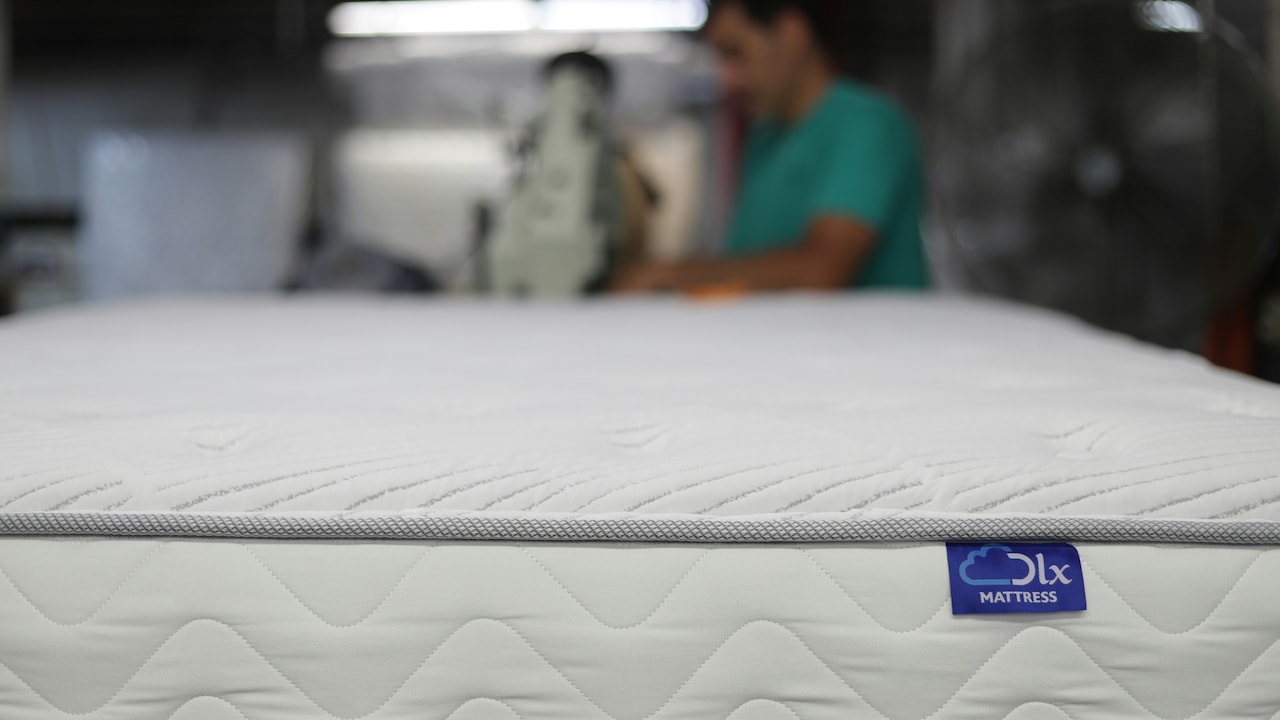
Do Mattress Protectors Affect Comfort? This Is How They Really Change the Feel of Your Mattress.
Sleep discussions usually revolve around mattresses, pillows, and fancy sleep trackers. Mattress protectors rarely get centre stage. They sit quietly beneath the bedsheet, doing their job without much fuss. Yet, the moment discomfort creeps in, fingers point straight at them.
There's a reason this debate keeps popping up. Mattresses cost a small fortune, sometimes as much as ₹40,000 or more. No one wants an extra layer that dulls the plushness or traps heat on a humid night. At the same time, accidental spills, dust, sweat, and daily wear make mattress protection feel less optional and more like common sense.
The real question sits somewhere in the middle. Does a mattress protector genuinely change how a mattress feels, or does the wrong choice create unnecessary discomfort? The answer depends on material, fit, design, and expectations. Comfort isn't a single feeling; it's a mix of softness, support, airflow, and peace of mind.
This article explores ten practical aspects of mattress protectors and comfort, busting myths, sharing relatable examples, and offering clarity without sleep jargon overload.

Do Mattress Protectors Affect Comfort? How They Really Change the Feel of Your Mattress
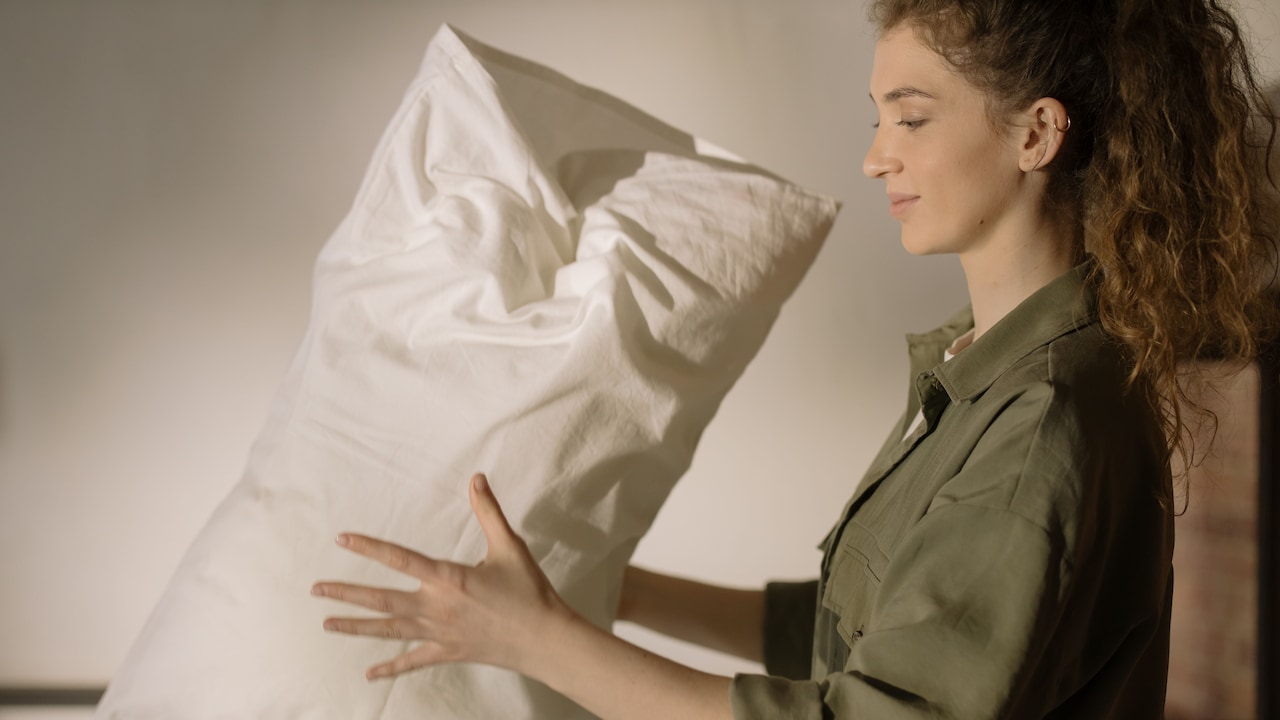
Photo Credit: Pexels
Understanding The Real Impact Of Mattress Protectors On Comfort
1. The First Touch: Does a Protector Change Surface Feel?
The most immediate concern with mattress protectors centres on surface feel. A mattress chosen after weeks of showroom hopping feels just right, so even a thin layer can feel intrusive.
Some protectors use thick plastic-like materials that create a stiff, crinkly surface. These often earn a bad reputation. Modern options, however, feel softer and more fabric-like. Cotton terry and bamboo blends blend into the mattress surface rather than sitting on top of it.
A well-made protector hugs the mattress instead of floating loosely. When fitted snugly, it becomes nearly invisible once the bedsheet goes on. In everyday terms, the difference feels similar to wearing a thin cotton vest under a shirt. It exists, but it doesn't dominate the experience.
Problems arise when protectors are chosen purely for price. A ₹500 bargain might protect against spills but compromise comfort. Spending slightly more often brings a softer weave and better elasticity. The mattress still feels like itself, just with an added layer of reassurance.
2. Breathability and Heat: Friend or Foe on Warm Nights?
Heat retention ranks high on sleep complaints. Nights already feel warm enough without extra layers trapping body heat.
Older waterproof protectors relied on thick PVC backing. These blocked the airflow completely. Sweaty sleep became inevitable. Thankfully, technology has moved on. Modern protectors use breathable membranes that block liquid but allow air circulation.
Materials matter here. Cotton-based protectors breathe naturally, while bamboo adds moisture-wicking properties. Synthetic microfibre, though affordable, may feel warmer during peak summer months.
Picture a monsoon night with power cuts and high humidity. A non-breathable protector turns the bed into a sauna. A breathable one barely registers. That difference affects sleep quality far more than mattress firmness.
Choosing the right protector aligns with climate and personal heat tolerance. Comfort stays intact when airflow remains uninterrupted.
3. Waterproofing vs Comfort: Striking the Right Balance
Waterproofing sounds practical, especially in homes with children, pets, or the occasional morning tea mishap. The challenge lies in achieving waterproofing without sacrificing softness.
Low-quality waterproof layers feel rubbery and stiff. Every movement creates noise and resistance. Higher-quality protectors laminate waterproof membranes beneath a soft fabric layer. The top feels plush, while the barrier below stays unnoticed.
Comfort improves when the waterproof layer stretches along with the mattress. Elastic membranes move naturally with body shifts during sleep. No tugging. No bunching.
Think of it like rainwear. A heavy plastic raincoat keeps water out but feels unbearable. A breathable jacket keeps things dry while allowing movement. Mattress protectors work the same way.
The balance exists. It just requires a bit of discernment and avoiding extremes at either end.
4. Mattress Type Matters More Than Expected
Not all mattresses respond the same way to protectors. Memory foam, latex, hybrid, and spring mattresses each behave differently.
Memory foam contours to the body. Thick or non-stretch protectors limit this contouring. The mattress feels firmer than intended. Stretchable protectors preserve the sinking sensation and provide pressure relief.
Latex mattresses already feel bouncy and responsive. A tight protector barely changes that feel. Spring mattresses, especially firm ones, remain largely unaffected by thin protectors.
The mismatch creates discomfort, not the protector itself. Choosing a protector that complements the mattress type preserves the original comfort.
Buying blindly often leads to disappointment. Matching materials and stretch capacity makes all the difference.
5. Noise Issues: The Silent Sleep Factor
Noise doesn't always register consciously, but it disrupts sleep cycles. Crinkling sounds from mattress protectors rank among the most irritating sleep disturbances.
These noises usually come from stiff waterproof layers or poorly laminated materials. Each turn creates a reminder that something artificial sits between body and mattress.
Modern protectors focus on silent membranes. Fabric-backed waterproofing eliminates the rustling effect. A good protector stays quiet even with frequent movement.
Imagine rolling over at 2 a.m. and waking instantly because the bed sounds like a snack wrapper. That frustration builds night after night.
Silence equals comfort. A protector that stays quiet preserves sleep continuity and sanity.
6. Fit and Slippage: When Comfort Slips Away
Even the softest protector feels annoying if it doesn't stay put. Poor fit causes bunching, wrinkles, and uneven surfaces.
Elasticated corners help, but depth matters too. A mattress with extra thickness needs a deep-pocket protector. Otherwise, corners ride up and expose edges.
Movement during sleep exaggerates this issue. Sheets slide, protectors shift, and suddenly the bed feels lumpy.
A well-fitted protector acts like a second skin. Once fitted, it stays put for weeks. Comfort remains uninterrupted.
Sizing accuracy often gets overlooked. Checking mattress depth before buying saves endless nightly adjustments.
7. Hygiene and Peace of Mind: Comfort Beyond Touch
Comfort doesn't only come from physical softness. Mental comfort plays a role, too.
Knowing the mattress stays protected from sweat, dust mites, and spills brings peace of mind. That reassurance allows deeper relaxation at bedtime.
Mattresses absorb moisture over time. Even with regular sheet washing, unseen buildup happens. Protectors act as the first line of defence.
For households spending ₹30,000 or more on a mattress, protecting that investment feels sensible. Stress-free sleep feels more comfortable than worrying about stains or odours.
Comfort includes confidence. A clean mattress supports better sleep hygiene and long-term satisfaction.
8. Washing and Maintenance: Does It Affect Feel Over Time?
Washability often gets ignored until the first spill. Some protectors stiffen after repeated washing. Others soften beautifully.
High-quality fabrics improve with use. Cotton protectors often feel better after a few washes. Cheap synthetic materials lose elasticity and develop rough patches.
Drying methods matter too. Excessive heat damages waterproof membranes. Gentle washing preserves softness and stretch.
A protector that stays pleasant to touch over time contributes to consistent comfort. One that degrades quickly becomes a nightly annoyance.
Care instructions exist for a reason. Following them keeps the protector invisible in daily use.
9. Thickness Myths: Thinner Isn't Always Better
Many assume thinner equals more comfortable. That isn't always true.
Ultra-thin protectors sometimes lack cushioning and durability. They wrinkle easily and shift during sleep. Slightly thicker protectors with quilted tops add subtle softness without masking mattress support.
That extra padding helps firm mattresses feel more forgiving. For side sleepers, it reduces pressure on the shoulders and hips.
Thickness only becomes an issue when it interferes with mattress responsiveness. Balanced designs enhance comfort rather than diminish it.
The key lies in thoughtful layering, not stripping layers away entirely.

Do Mattress Protectors Affect Comfort? How They Really Change the Feel of Your Mattress
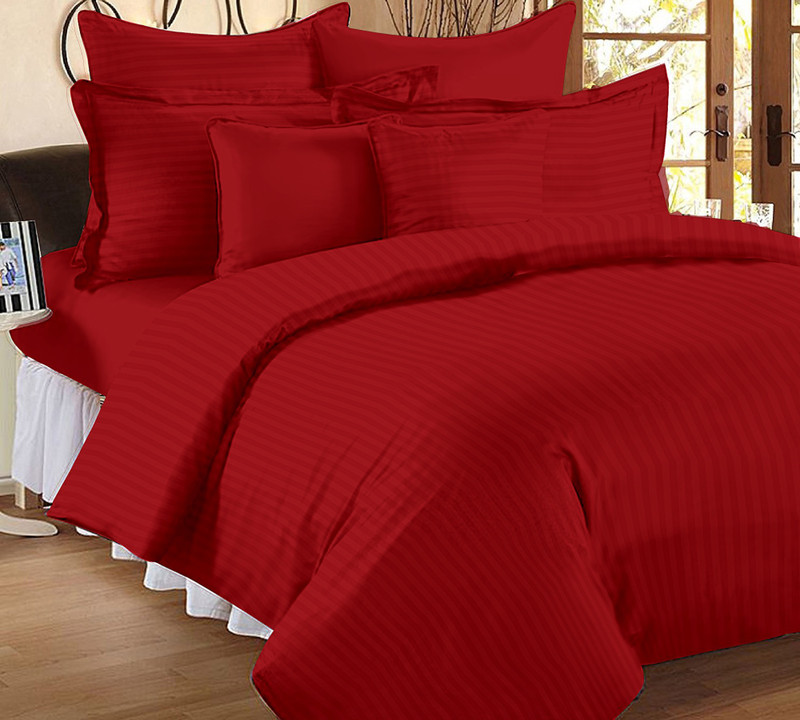
Photo Credit: Pexels
10. Cost vs Comfort: Does Paying More Really Help?
Price often influences perception. Expensive products are expected to perform better.
With mattress protectors, a higher price often brings better fabric quality, quieter membranes, and improved breathability. That doesn't mean only premium options work well.
Mid-range protectors around ₹1,500–₹2,500 often strike a comfortable balance. Ultra-cheap options compromise feel. Ultra-premium ones add refinements most sleepers barely notice.
Comfort comes from suitability, not price tags. Spending wisely beats overspending blindly.
A protector that feels right earns its place regardless of cost.
Products Related To This Article
1. Ayka 100% Waterproof Cotton Quilted Mattress Protector King Size Breathable Hypoallergenic Noiseless
2. Wakefit Cotton Feel Ultra Soft Waterproof Mattress Protector
3. Trance 100% Waterproof Premium Cotton Feel Mattress Protector
4. MY ARMOR Waterproof Mattress Protector King Size
5. Solimo Water Resistant Cotton Mattress Protector
6. Sleepyhead Bamboo Feel 100% Waterproof Mattress Protector
Mattress protectors don't ruin comfort by default. Poor choices do. The right protector preserves the mattress feel while adding hygiene, durability, and peace of mind.
Comfort depends on breathability, fit, material, and compatibility with the mattress. When these align, the protector fades into the background. Sleep remains undisturbed, restful, and familiar.
The idea that mattress protectors automatically change how a mattress feels stems from outdated designs and rushed purchases. Modern options prove that protection and comfort can coexist happily.
At the end of the day, a mattress protector should feel like good support staff. Always present, rarely noticed, and quietly doing its job while sleep takes centre stage.
(Disclaimer: This article may include references to or features of products and services made available through affiliate marketing campaigns. NDTV Convergence Limited (“NDTV”) strives to maintain editorial independence while participating in such campaigns. NDTV does not assume responsibility for the performance or claims of any featured products or services.)