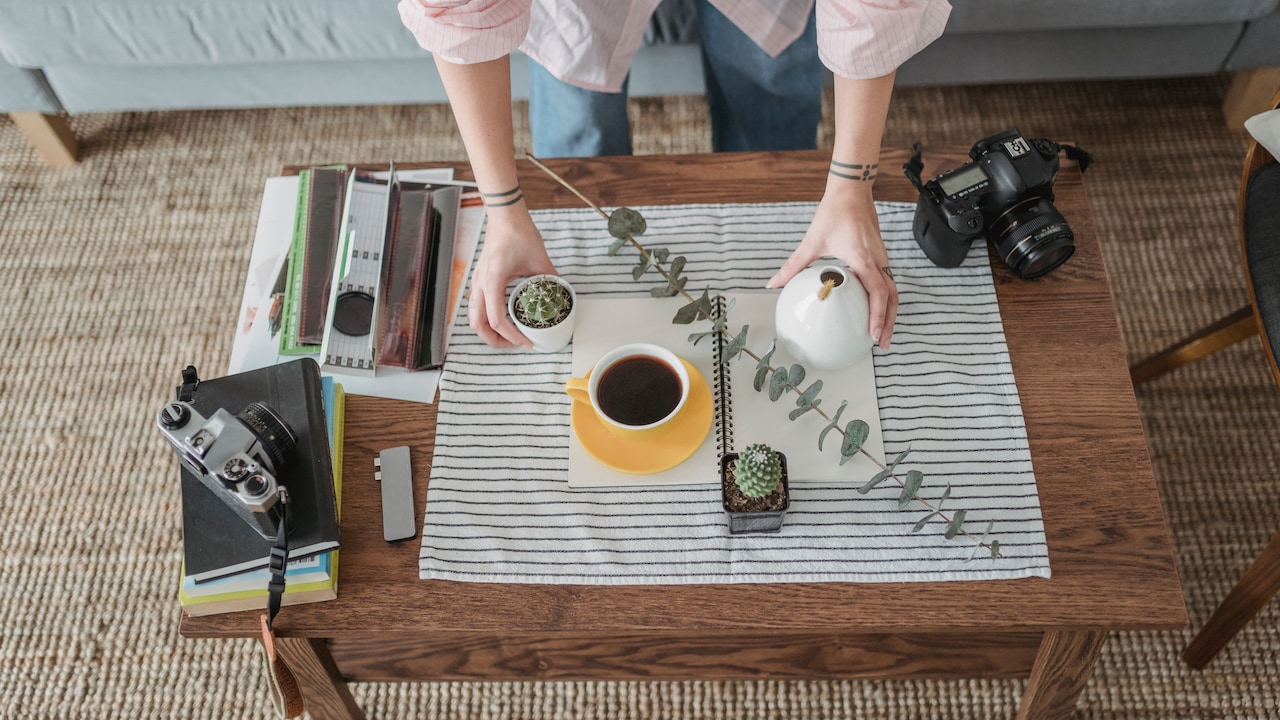
Open vs Closed Storage: Smart Space-Saving Ideas for Small Apartments and Homes
Open shelves or closed cabinets? This article explores practical storage solutions for small apartments, showing how the right choice can save space and simplify daily living.
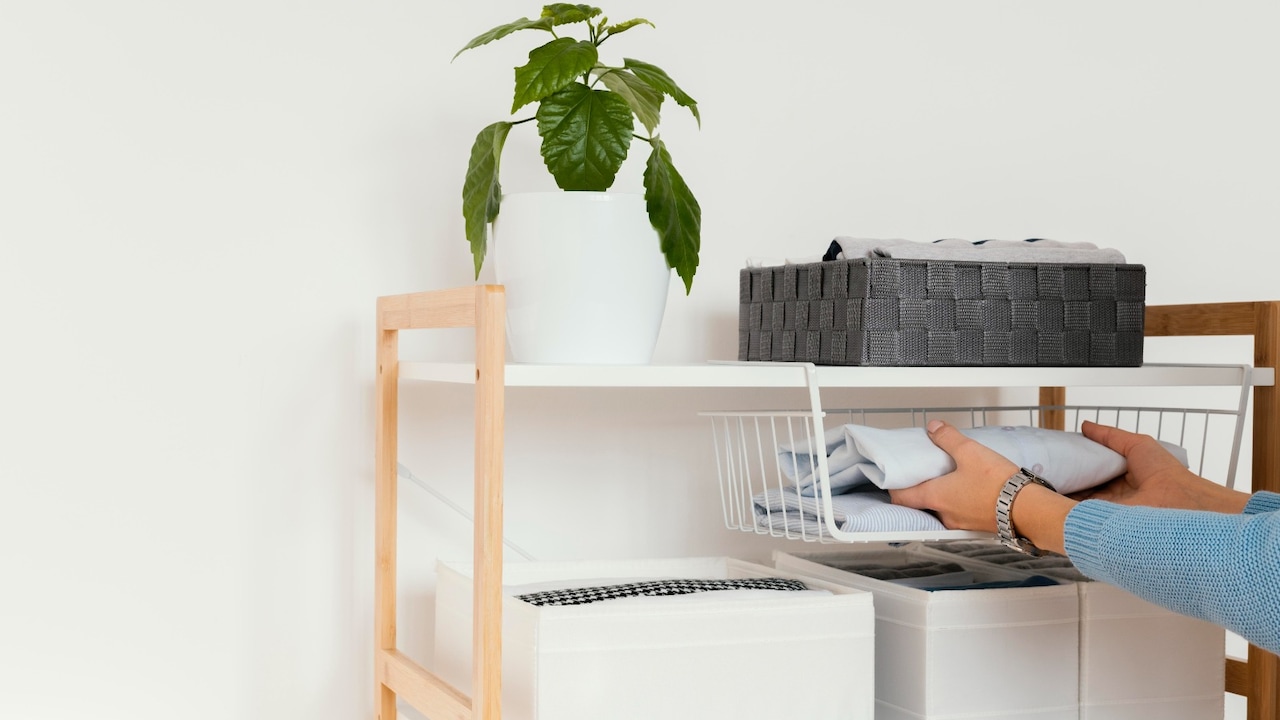
Open vs Closed Storage: Best Space-Saving Storage Solutions For Small Apartments And Homes.
Small homes come with big personalities. They feel cosy, efficient, and full of life, but they also demand smart decisions. Storage sits at the heart of those choices. Too much clutter shrinks a room. Too little storage creates chaos. The real challenge lies in deciding how storage should look and behave.
Open and closed storage represent two very different philosophies. One celebrates visibility and easy access. The other promises order and visual calm. Neither option works perfectly on its own. Each brings strengths, quirks, and emotional responses that shape daily life.
This conversation goes beyond shelves and cabinets. It touches habits, routines, and even moods. Morning rushes, surprise guests, festival cleaning, and weekend laziness all influence which storage style feels right. The goal here is not to crown a single winner, but to help readers understand what fits their space, lifestyle, and budget.
The sections ahead unpack open versus closed storage through real-world examples, design logic, and space-saving strategies. Expect practical tips, familiar scenarios, and a few knowing smiles along the way.
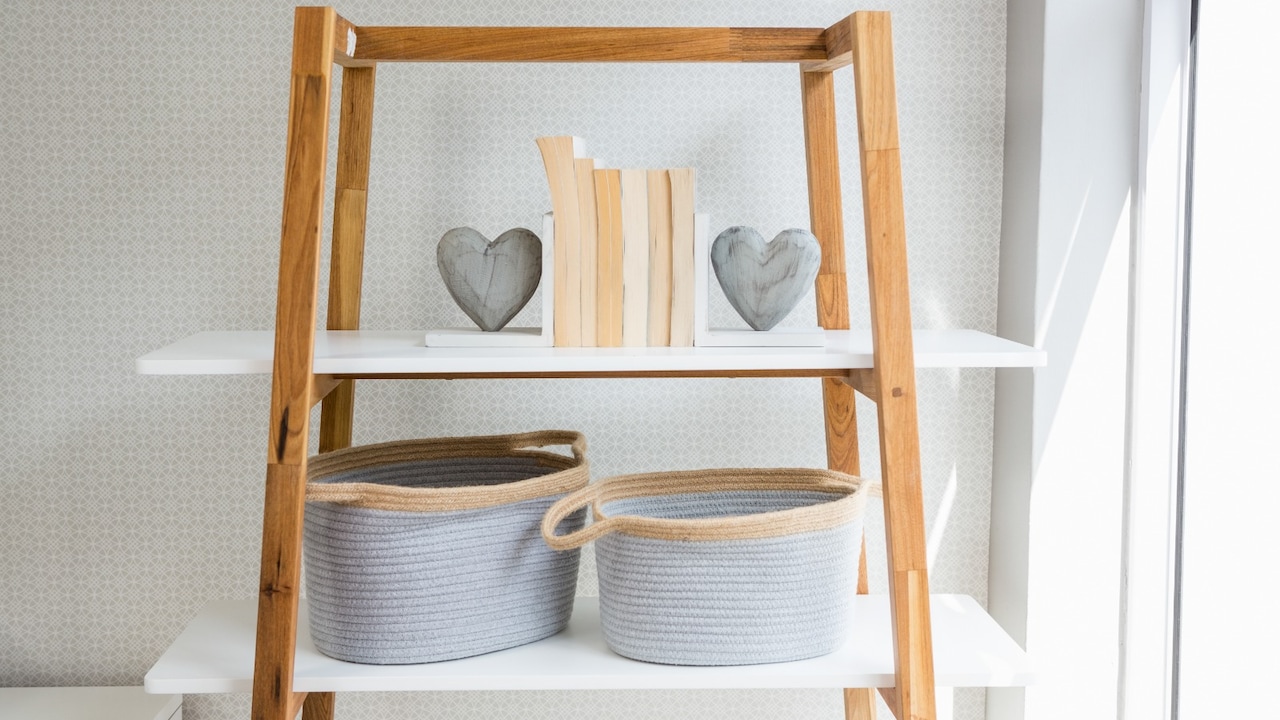
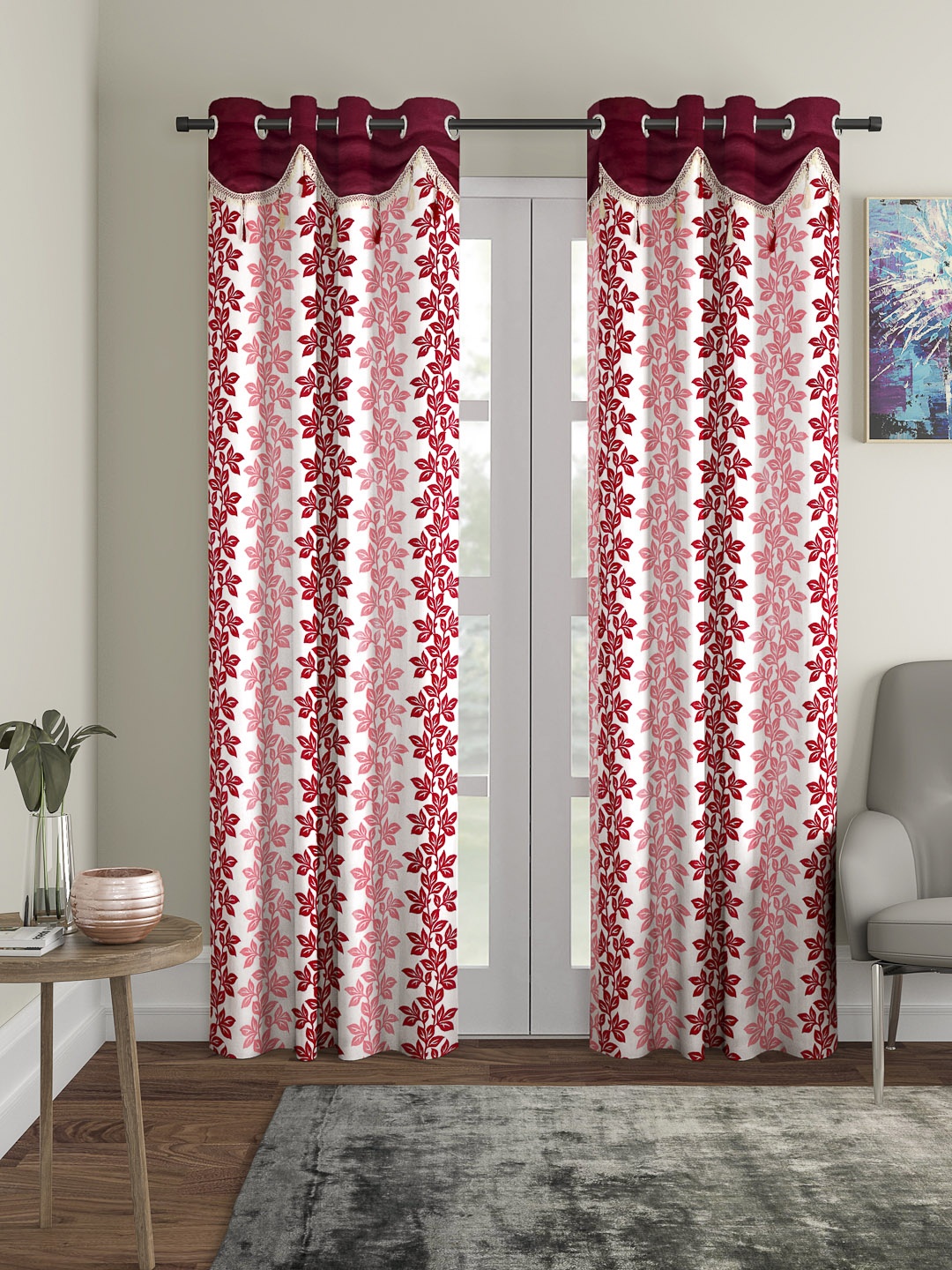
Best Storage Solutions for Small Homes: Open vs Closed Storage Explained; Photo Credit: Pexels
Breaking Down Storage Choices for Real Homes
1. Understanding Open Storage: What It Really Offers
Open storage feels friendly and approachable. Think floating shelves, open bookcases, kitchen racks, or wall-mounted cubbies. Everything stays visible, which makes daily use easier. Plates, spices, books, and décor items remain within arm's reach, saving time and effort.
In small homes, open storage can make a space feel larger. Walls breathe better without bulky cabinets. Light flows freely, especially in rooms with limited windows. A compact kitchen suddenly looks brighter when upper cabinets give way to open shelves.
However, open storage demands discipline. Visual clutter builds quickly. A few mismatched containers or untidy stacks can turn charm into chaos. Dust also becomes an uninvited guest, especially in city homes where windows stay open for ventilation.
Open storage works best for frequently used items and people who enjoy styling their space. It suits those who like rearranging shelves during festive seasons or switching décor with moods. When done thoughtfully, open storage adds personality and warmth to even the smallest apartment.
2. Closed Storage: The Comfort of Concealment
Closed storage plays a quiet but powerful role in small homes. Cabinets, wardrobes, drawers, and storage beds hide the everyday mess. They offer visual calm, which feels especially soothing after long workdays or crowded commutes.
This style suits busy households where perfection feels unrealistic. Tossing items into a cupboard before guests arrive becomes a lifesaver. Bedrooms benefit greatly from closed storage, as concealed wardrobes create a restful atmosphere.
Closed units also protect belongings from dust, humidity, and wear. Seasonal clothes, paperwork, and electronics stay safer behind doors. In kitchens, closed cabinets shield utensils from grease and grime.
The downside lies in bulk. Large cabinets can overwhelm small rooms if poorly planned. Deep shelves sometimes swallow items, leading to forgotten purchases and cluttered interiors.
Smart closed storage relies on internal organisation. Pull-out trays, dividers, and vertical stacking make a huge difference. When designed well, closed storage offers structure without stealing precious floor space.
Also Read: How To Organise Your Home Like A Pro: Top 10 Storage Solutions From Amazon
3. Open Storage in Kitchens: Convenience vs Clutter
Kitchens in small homes often double as social spaces. Open storage fits naturally here. Open spice racks, utensil rails, and dish shelves keep essentials close during cooking. Morning chai feels smoother when mugs sit right in sight.
Open shelves also encourage mindful buying. Seeing everything prevents duplicate purchases and forgotten ingredients. This habit saves money over time and reduces waste, which matters in compact homes.
Yet kitchens demand balance. Oil splashes, steam, and dust quickly settle on open shelves. Without regular cleaning, the space loses its appeal. Too many items on display can also make the kitchen feel busy.
A practical approach mixes both styles. Use open storage for daily essentials and closed cabinets for bulk supplies. Glass-front cabinets offer a middle path, keeping items visible yet protected.
In small kitchens, restraint matters. Fewer shelves, better spacing, and uniform containers maintain visual order. When planned thoughtfully, open kitchen storage feels lively without becoming overwhelming.
4. Bedrooms and the Need for Visual Calm
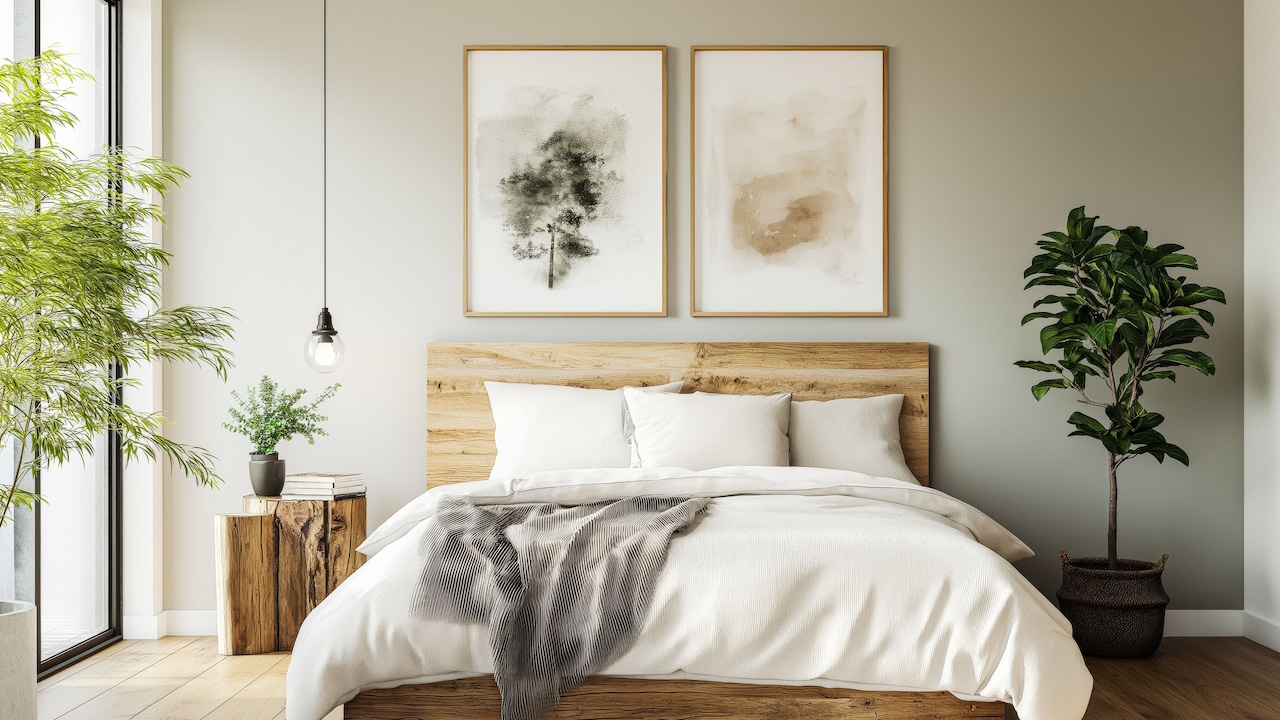
Bedrooms call for peace. After noisy streets and packed schedules, this room should soothe the senses. Closed storage supports that goal beautifully. Wardrobes, under-bed storage, and closed side tables keep visual noise low.
Open shelves in bedrooms often collect clutter unintentionally. Books, chargers, laundry piles, and random bits slowly take over. What begins as a stylish shelf can soon feel stressful.
That said, open storage still has a place here. A small open bookshelf or a display niche for cherished items adds character. The key lies in limiting exposure.
Storage beds work wonders in compact bedrooms. They hide bulky items like blankets and luggage without eating up wall space. Sliding wardrobes suit narrow rooms better than hinged doors.
Closed storage supports better sleep by reducing distractions. A tidy room feels lighter and calmer. In small bedrooms, that emotional comfort matters just as much as square footage.
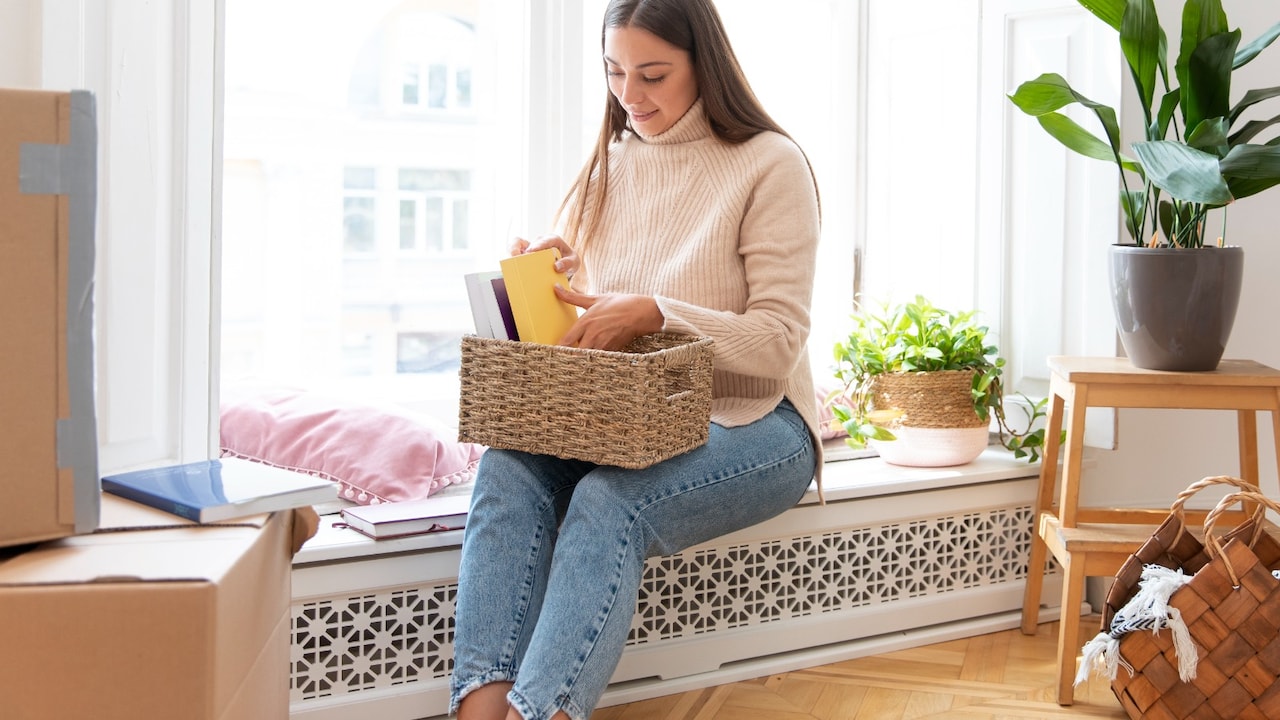
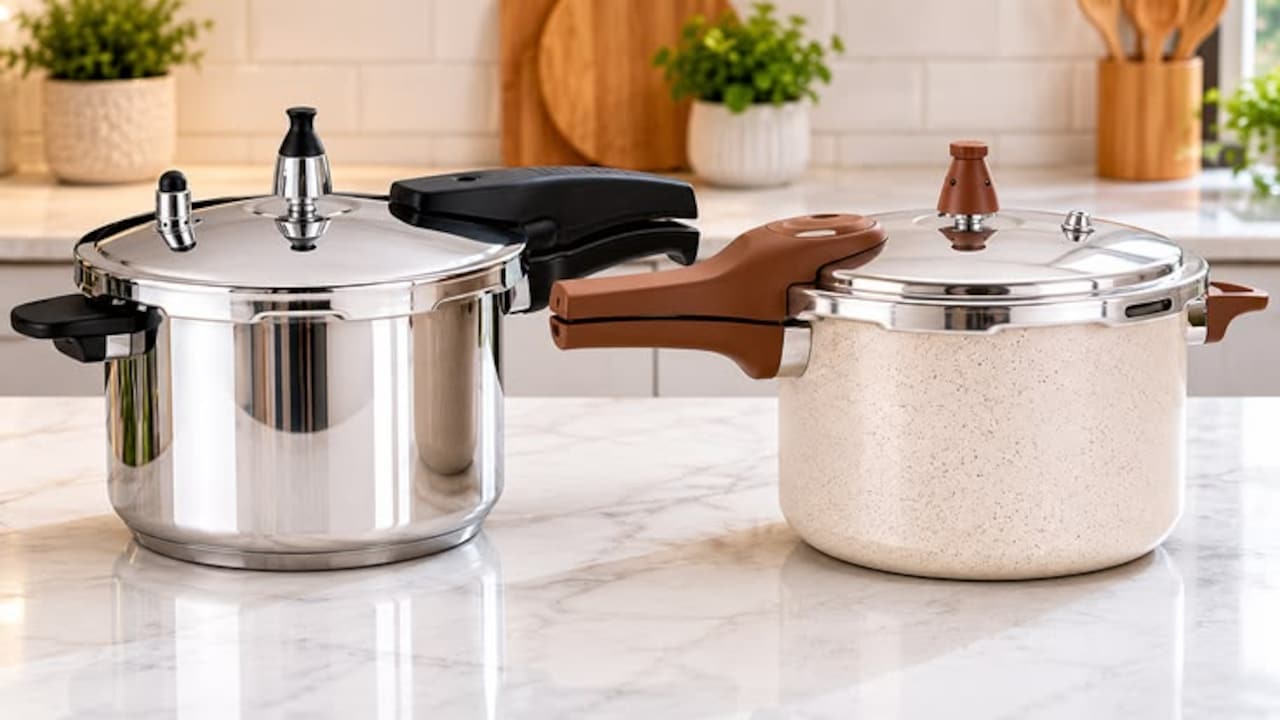
Best Storage Solutions for Small Homes: Open vs Closed Storage Explained; Photo Credit: Pexels
5. Living Rooms: Striking the Right Balance
Living rooms host everything. Family gatherings, work calls, weekend naps, and festive celebrations all happen here. Storage choices must adapt to this flexibility.
Open storage brings life into living rooms. Bookshelves, display units, and open TV consoles showcase personality. Travel souvenirs, plants, and framed memories add warmth.
However, too much openness exposes clutter. Remote controls, cables, paperwork, and toys need hiding spots. Closed cabinets within entertainment units help maintain order.
Modular furniture offers smart solutions. Units with both open and closed sections balance display and storage. Wall-mounted cabinets free up floor space, making rooms feel larger.
In smaller living rooms, vertical storage works best. Tall units draw the eye upward, creating an illusion of height. Neutral colours and slim profiles prevent heaviness.
A balanced mix allows the living room to feel welcoming yet organised. Storage should support life, not dominate it.
6. Maintenance, Dust, and Daily Reality
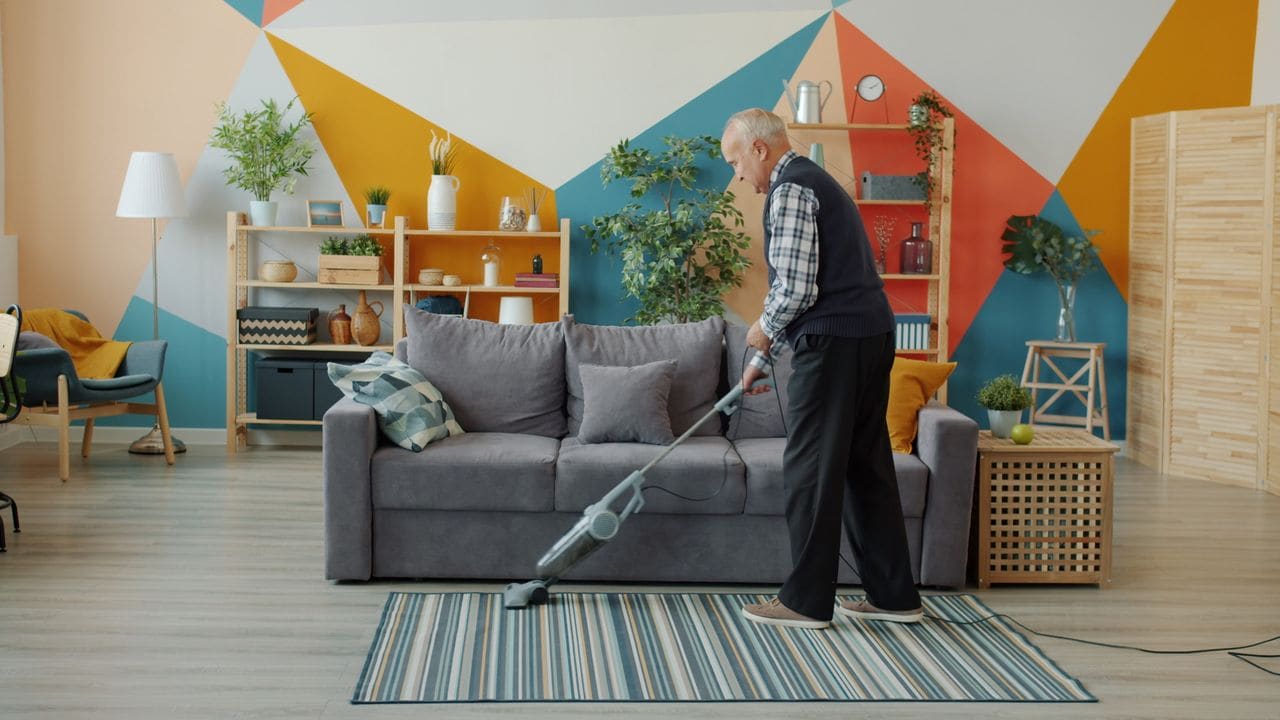
Storage choices influence daily routines more than expected. Open storage demands regular cleaning. Dust settles quickly, especially near windows and kitchens. Busy schedules can make this upkeep feel tiring.
Closed storage reduces visible dust, but hidden clutter still needs attention. Forgotten cupboards often turn into chaos zones. Items pile up because they stay out of sight.
Maintenance habits matter. Open storage suits those who enjoy quick, frequent tidying. Closed storage works for people who prefer occasional deep cleaning.
Climate also plays a role. Humidity affects fabrics and electronics stored in closed spaces. Proper ventilation and silica packets help prevent damage.
Choosing storage means choosing a maintenance style. Neither option stays perfect without effort. Understanding personal routines helps avoid frustration later.
Storage should simplify life, not add pressure. Honest assessment of habits leads to smarter choices and happier homes.
7. Budget Considerations and Smart Spending
Budget often shapes storage decisions more than design dreams. Open storage usually costs less. Simple shelves and racks fit tighter budgets and install easily.
Closed storage, especially custom units, demands higher investment. Wardrobes, cabinets, and storage beds can stretch finances. However, they offer long-term durability and value.
Smart planning balances cost and function. Investing in closed storage for bedrooms and kitchens makes sense. Open shelves work well in living areas and study corners.
DIY options help reduce costs. Ready-made shelves, stackable units, and modular systems offer flexibility. Repurposing furniture also adds charm without extra expense.
Spending wisely means prioritising needs over trends. A ₹15,000 storage bed often offers more value than decorative shelves that add little function.
Storage should grow with life stages. Flexible designs adapt better to changing needs, saving money over time.
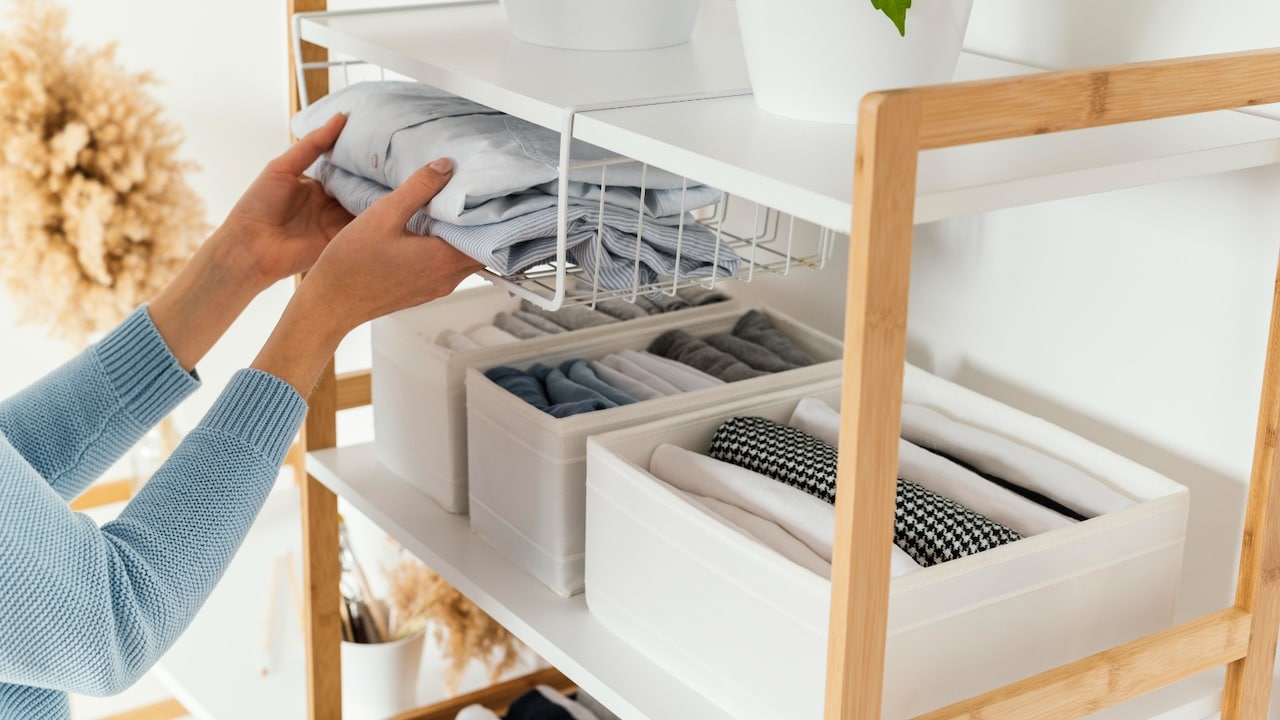
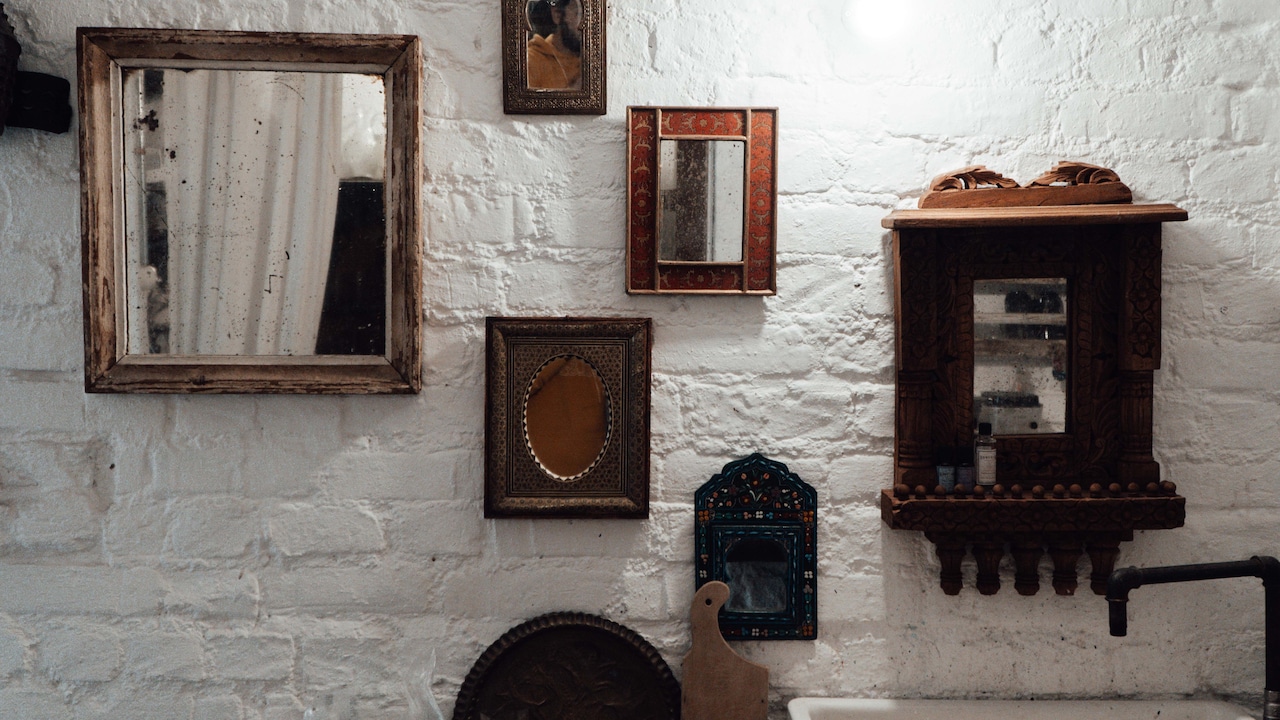
Best Storage Solutions for Small Homes: Open vs Closed Storage Explained; Photo Credit: Pexels
8. Open Storage for Renters and Temporary Homes
Renters face unique challenges. Permanent fixtures often stay off-limits. Open storage offers flexibility without drilling or heavy modifications.
Freestanding shelves, ladder units, and rolling carts work well in rented spaces. They move easily during house shifts and adapt to new layouts.
Closed storage options for renters include fabric wardrobes and portable cabinets. These provide concealment without permanent installation.
Open storage helps personalise temporary homes. Displaying books, plants, and personal items adds comfort quickly. It transforms unfamiliar spaces into lived-in homes.
However, renters should avoid overcrowding. Too many standalone units can shrink rooms. Choosing multifunctional pieces helps maintain balance.
For short-term living, storage should stay light, adaptable, and budget-friendly. Open storage often wins here, paired with a few closed units for essentials.
9. Lifestyle, Habits, and Emotional Comfort
Storage reflects personality. Minimalists often prefer open storage, enjoying clear sightlines and intentional possessions. Collectors lean towards closed storage to manage volume.
Daily habits matter. Early risers appreciate easy access to essentials. Families with children value closed storage for safety and quick tidying.
Emotional comfort plays a quiet role. Some feel relaxed seeing belongings around them. Others find peace in hidden order. Neither preference feels wrong.
Cultural habits also influence choices. Seasonal rotations, festive décor, and bulk storage needs demand flexible solutions.
Understanding emotional responses helps avoid regret. Storage should support routines and moods, not fight them.
Homes feel better when storage aligns with how people actually live, not how magazines suggest they should.
10. Mixing Open and Closed Storage for Best Results
The most successful small homes rarely choose one style exclusively. Mixing open and closed storage offers the best of both worlds.
Open shelves highlight personality and ease. Closed cabinets handle mess and volume. Together, they create balance.
Start with closed storage for high-clutter zones. Add open elements where accessibility and display matter. This approach adapts well to changing needs.
Consistency keeps spaces cohesive. Matching materials, colours, or finishes across both styles maintains harmony.
Flexibility matters in small homes. Modular units allow future adjustments without major expense.
A thoughtful mix transforms limitations into strengths. It turns small spaces into efficient, expressive homes that feel just right.
Products Related To This Article
1. Kuber Industries Multipurpose Solitaire Storage Basket with Lid
2. FLYNGO Foldable Cloth Organizer Storage Box for Wardrobe
3. TEX-RO Modular Drawer Storage Organizer
4. Clear Storage Container Box, Stackable Storage Bin with Lid
5. TEX-RO Big Storage Box and Organiser | Storage & Organizers
6. PRIME PICK Storage Box & Cloth Organiser Pack 2 clothes organizer Oxford Material covered Wardrobe Organizer
Storage shapes how small homes feel and function. Open storage brings openness, ease, and character. Closed storage offers calm, protection, and order. Each serves a purpose, and neither works alone in every situation.
The smartest spaces grow from understanding habits, routines, and emotional needs. Budget, maintenance, and lifestyle all influence the right balance. When storage aligns with daily life, homes feel lighter and more enjoyable.
Small apartments and homes thrive on thoughtful choices. With the right mix of open and closed storage, even limited spaces can feel organised, personal, and comfortable. The secret lies not in having more space, but in using it wisely.
(Disclaimer: This article may include references to or features of products and services made available through affiliate marketing campaigns. NDTV Convergence Limited (“NDTV”) strives to maintain editorial independence while participating in such campaigns. NDTV does not assume responsibility for the performance or claims of any featured products or services.)








![Steam Iron Teflon Shoe Cover for ES-300,ST-96 [Only For ES-300 and ST-96 Model Electric Steam Irons]](https://m.media-amazon.com/images/I/51wwkttondL._SL160_.jpg)