Boost Your Home Security With Motion Sensor Lights For Every Dark Corridor
Motion sensor lights brighten dark corridors instantly, improving safety, saving energy, and deterring intruders. A simple upgrade that adds comfort, security and peace of mind to every home.
Motion Sensor Lights For Home: Enhance Safety, Cut Costs And Light Every Dark Corridor.
Every home has its quiet, dimly lit corners. A narrow passage near the kitchen, a staircase that creaks at night, or that long corridor connecting bedrooms. During the day, these spaces barely register. At night, however, they can feel like something out of a suspense film. Beyond the unease, poor lighting also poses real risks, from accidental slips to unwanted intrusions.
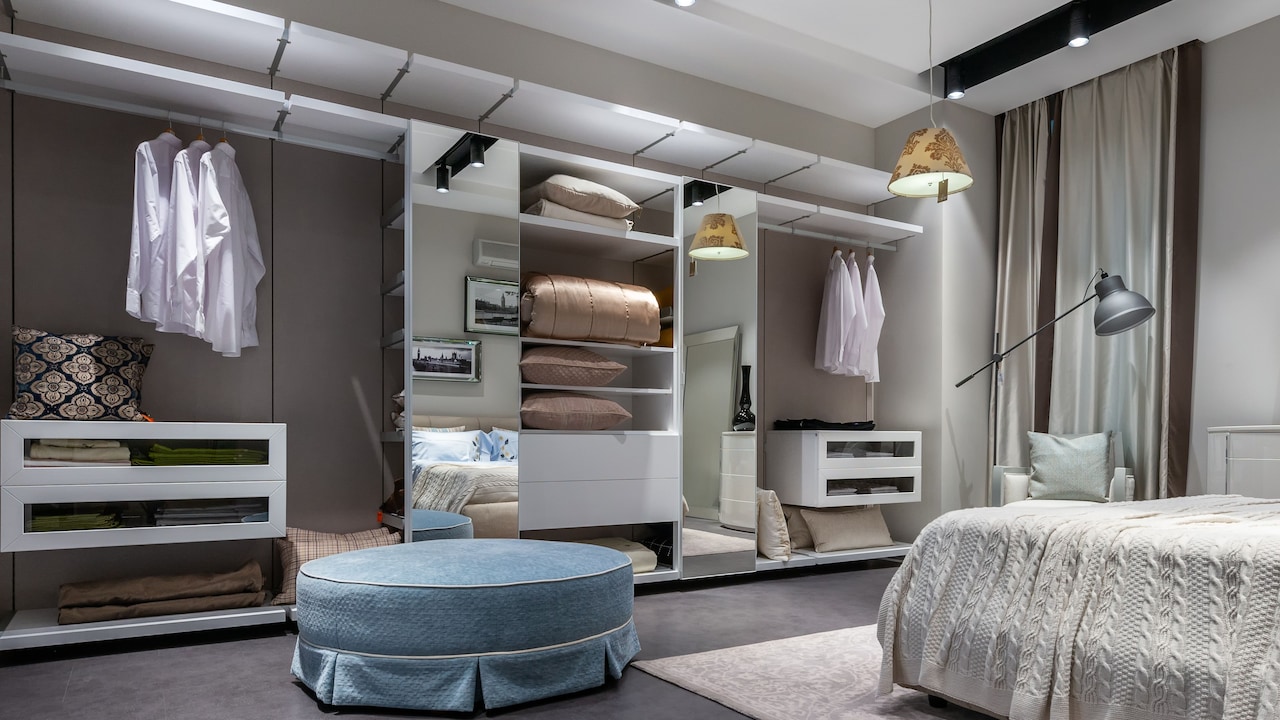
10 ways motion sensor lights can improve security in your home; Photo Credit: Pexels
Modern living demands smarter solutions, and motion sensor lights have quietly emerged as one of the most practical upgrades. They blend technology with everyday comfort, switching on only when needed and ensuring no corner remains in darkness. With electricity costs climbing and safety becoming a priority, this small addition offers surprising value.
From compact flats to sprawling homes, motion sensor lighting fits seamlessly into different lifestyles. It doesn't shout for attention, yet it works tirelessly in the background. The following sections explore how these lights elevate home security, improve convenience, and bring peace of mind without complicating daily routines.c
Also Read: Top 5 Motion Sensor Night Lights Under ₹500 for Bathrooms, Hallways And Closets
Smart Ways Motion Sensor Lights Strengthen Safety And Comfort At Home
Why Dark Corners Invite Trouble
A poorly lit corridor might seem like a minor inconvenience, but it often creates the perfect hiding spot. Darkness offers cover, whether for an opportunistic intruder or simply for uncertainty that unsettles the mind. Even within a home, dim spaces can lead to missed steps or bumped elbows, especially late at night when eyes struggle to adjust.
Homes with multiple entry points, balconies, or back passages face an added challenge. These areas often remain overlooked during routine lighting setups. A simple tube light at one end rarely illuminates the entire stretch, leaving patches of shadow that feel disconnected from the rest of the home.
Motion sensor lights address this gap in a subtle yet effective manner. Instead of flooding an area with constant brightness, they respond to movement. The sudden illumination not only surprises potential trespassers but also alerts occupants. It creates a sense of awareness, turning passive spaces into active zones of security.
There's also a psychological aspect at play. A well-lit home feels occupied and attentive. Darkness, on the other hand, suggests neglect. Motion sensor lights shift that perception instantly, making every corner feel watched over, even when no one is actively paying attention.
How Motion Sensor Lights Actually Work
At first glance, motion sensor lights may seem like simple devices, but their functionality rests on clever technology. Most models rely on infrared sensors that detect heat changes caused by movement. When someone walks through a corridor, the sensor picks up the shift and triggers the light.
Some advanced versions use microwave sensors, which detect movement through walls or obstacles. While these are more sensitive, they suit larger spaces or outdoor areas better. For indoor corridors, infrared sensors offer a balanced mix of accuracy and efficiency.
Timing plays a crucial role. Once activated, the light stays on for a preset duration before switching off automatically. This ensures energy isn't wasted while still providing enough illumination for safe movement. Many models allow adjustments, so households can customise settings based on their needs.
Installation has become easier over the years. Battery-operated options eliminate the need for wiring, while plug-and-play designs suit rented homes. For those willing to invest around ₹1,000 to ₹3,000 per unit, the market offers reliable options with long lifespans.
The beauty of these lights lies in their simplicity. No complicated apps or constant monitoring. Just a quiet system that responds instantly, making everyday movement smoother and safer.
Enhancing Security Without Extra Effort
Security often feels like a task that demands constant attention. Checking locks, switching on lights, and staying alert can become exhausting over time. Motion sensor lights ease this burden by working automatically, without requiring manual input.
Imagine returning home late at night. Instead of fumbling for switches in a dark corridor, the lights greet each step with gentle illumination. This immediate response not only feels comforting but also reduces vulnerability during those crucial moments.
For households with elderly members, this feature proves invaluable. Late-night trips to the kitchen or bathroom become safer, with no need to search for switches in the dark. Children, too, benefit from well-lit pathways, especially during those midnight snack adventures.
From a security perspective, sudden light activation can startle intruders. It signals that movement has been detected, even if no one is physically present. This unpredictability often discourages unwanted activity, making the home a less appealing target.
Unlike traditional security systems, motion sensor lights don't require maintenance-heavy setups. They quietly integrate into daily life, offering protection without adding complexity. It's security that feels effortless, yet highly effective.
Saving Energy While Staying Safe
Lighting often contributes significantly to monthly electricity bills. Keeping corridor lights on throughout the night may seem necessary, but it leads to unnecessary consumption. Motion sensor lights solve this problem by operating only when needed.
Instead of running for hours, these lights activate for short bursts. A few seconds here, a minute there. Over time, this controlled usage adds up to noticeable savings. For households conscious of expenses, this becomes a practical advantage.
LED-based motion sensor lights further enhance efficiency. They consume less power while providing bright, clear illumination. A single unit, priced around ₹1,500, can last for years with minimal maintenance.
There's also an environmental angle to consider. Reduced energy consumption means a smaller carbon footprint. While the impact may seem small on an individual level, widespread adoption can lead to meaningful change.
Balancing safety and sustainability often feels challenging, but motion sensor lights manage both with ease. They ensure corridors remain visible without wasting electricity, proving that smart choices can benefit both the household and the planet.
Perfect Placement For Maximum Impact
Installing motion sensor lights isn't just about buying the right product. Placement plays a key role in achieving the desired effect. A poorly positioned sensor might miss movement or trigger unnecessarily, reducing efficiency.
Corridors, staircases, and entry points serve as ideal locations. These areas experience frequent movement and often lack consistent lighting. Placing sensors at strategic heights ensures they capture motion effectively without interference.
Corners require special attention. A sensor placed too close to a wall may limit its detection range. On the other hand, positioning it at a slight angle can expand coverage and reduce blind spots.
Outdoor corridors and balconies also benefit from motion sensor lighting. These spaces often remain unattended, making them vulnerable. A well-placed light can transform them into secure zones.
Trial and adjustment often help fine-tune placement. Observing how the light responds over a few days allows for small tweaks that improve performance. With thoughtful positioning, even a single unit can cover a surprisingly large area.
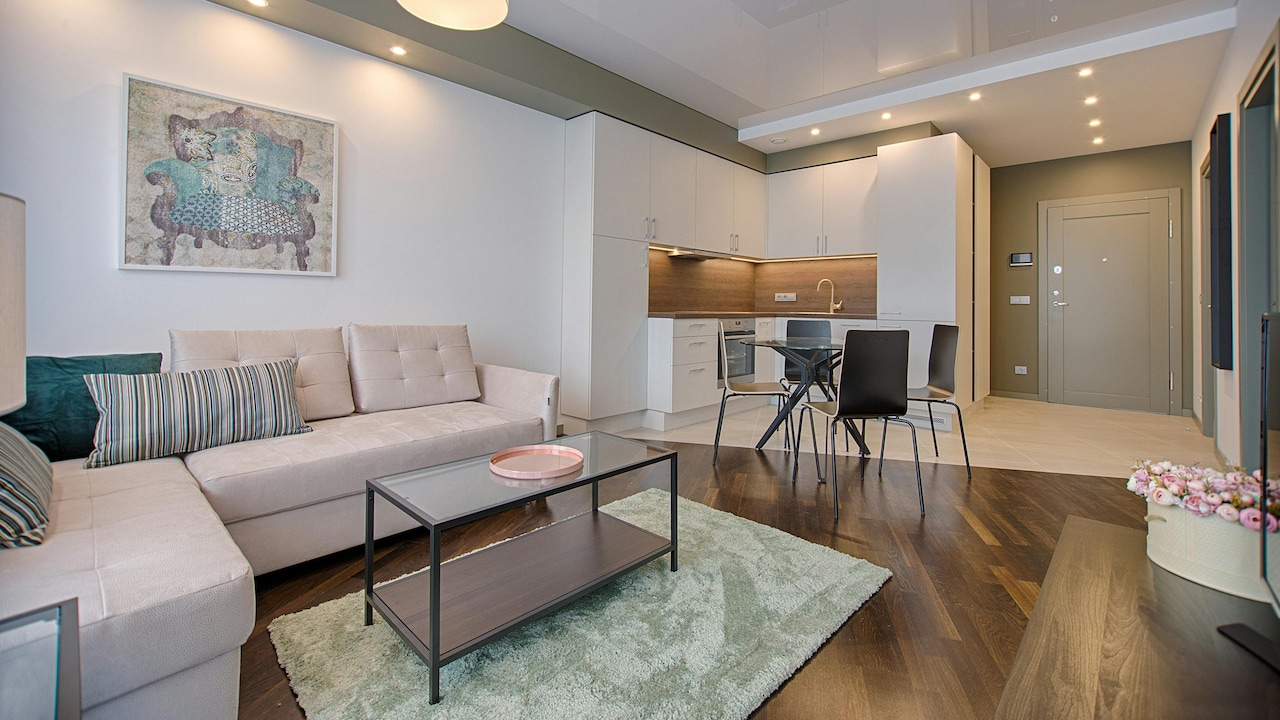
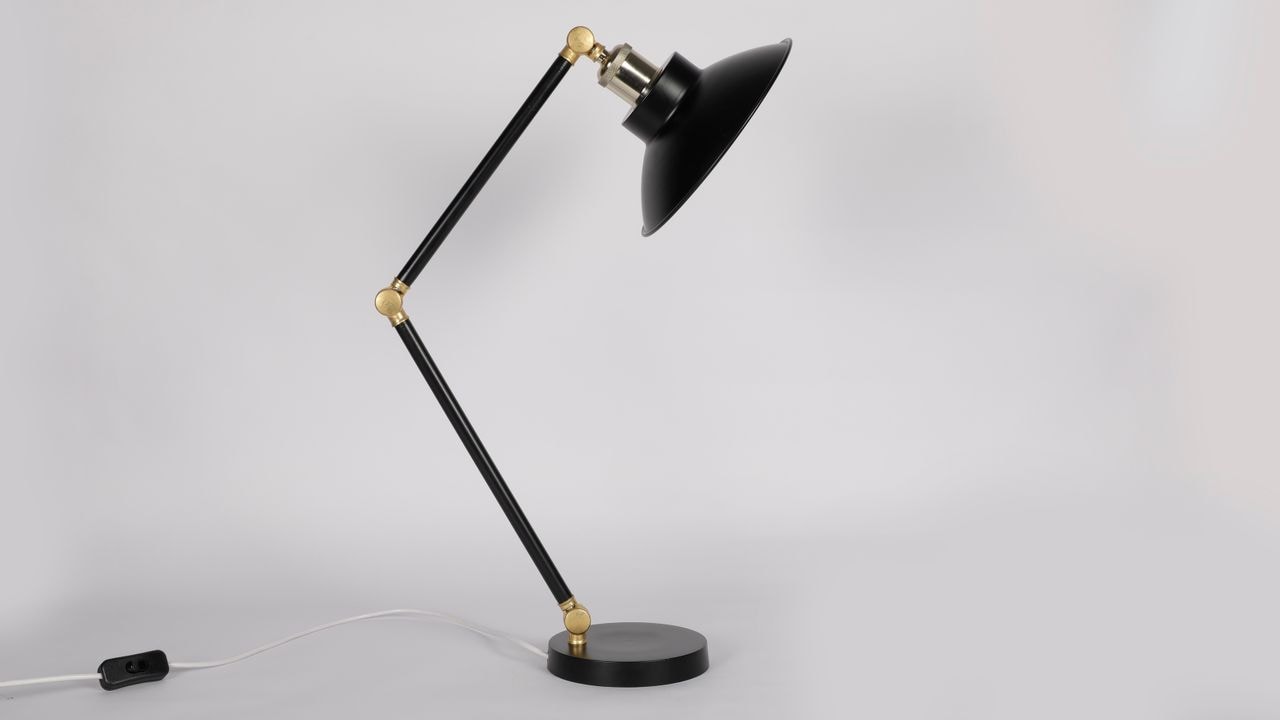
Always place the motion sensor light in areas with frequent movement; Photo Credit: Pexels
Adding Comfort To Everyday Living
Beyond security, motion sensor lights bring a sense of comfort that quickly becomes addictive. Once installed, the convenience feels so natural that traditional switches seem outdated.
Picture walking through a corridor with hands full of groceries. No need to balance bags while searching for a switch. The light responds instantly, making the experience smoother and less stressful.
Night-time routines also improve. Soft illumination guides movement without harsh brightness, allowing eyes to adjust easily. This proves especially helpful during late-night wake-ups when full lighting feels too intense.
For households with pets, motion sensor lights add another layer of ease. Whether it's a curious cat exploring or a dog moving around, the lights ensure visibility without constant human intervention.
Comfort often lies in small details, and these lights excel in that department. They blend into the background while quietly enhancing daily life, turning ordinary moments into seamless experiences.
Choosing The Right Motion Sensor Light
The market offers a wide range of motion sensor lights, each with its own features. Selecting the right one depends on specific needs and preferences. Brightness, detection range, and power source all play important roles.
For indoor corridors, moderate brightness works best. Lights that are too harsh can feel uncomfortable, while dim ones may not provide enough visibility. Adjustable settings offer flexibility, allowing users to find the perfect balance.
Detection range varies across models. Smaller corridors require shorter ranges, while larger spaces benefit from wider coverage. Checking product specifications helps avoid unnecessary triggers or missed detections.
Power options also influence convenience. Battery-operated lights suit areas without wiring, while plug-in models offer consistent performance. Rechargeable options provide a middle ground, combining flexibility with sustainability.
Budget remains a factor, but quality shouldn't be compromised. Spending between ₹1,000 and ₹3,000 ensures access to reliable products that last longer and perform better. A thoughtful choice makes all the difference in achieving the desired results.
Blending Style With Functionality
Lighting no longer serves a purely functional purpose. Modern homes often focus on aesthetics, and motion sensor lights have evolved to match this trend. Sleek designs and subtle finishes allow them to blend seamlessly with interiors.
Gone are the days of bulky fixtures that stand out awkwardly. Today's options include compact designs that fit neatly into corners or along walls. Some even resemble decorative elements, adding to the overall look of the space.
Colour temperature also plays a role in creating ambience. Warm lighting adds a cosy feel, while cool tones offer a more contemporary touch. Choosing the right tone enhances both comfort and style.
For those who enjoy a bit of creativity, motion sensor lights can highlight architectural features. A softly lit corridor or staircase can transform into a visually appealing space, combining safety with design.
Functionality remains at the core, but style ensures the lights complement the home rather than disrupt it. It's a balance that modern households appreciate.
Common Mistakes To Avoid
While motion sensor lights offer numerous benefits, certain mistakes can reduce their effectiveness. One common issue involves placing sensors too close to heat sources. This can lead to false triggers, causing lights to switch on unnecessarily.
Another mistake lies in ignoring sensitivity settings. High sensitivity may result in frequent activation, while low sensitivity might miss movement altogether. Adjusting these settings ensures optimal performance.
Overlooking maintenance can also create problems. Dust or dirt on sensors may interfere with detection, reducing accuracy over time. Regular cleaning keeps the system functioning smoothly.
Some households install too few lights, leaving gaps in coverage. While cost considerations matter, strategic placement ensures complete illumination without overspending.
Avoiding these pitfalls helps maximise the benefits of motion sensor lighting. A little attention during setup goes a long way in ensuring reliable performance.
Future Of Smart Lighting At Home
Motion sensor lights represent just one step in the broader evolution of smart homes. As technology advances, these systems continue to improve, offering greater control and integration.
Newer models connect with home automation systems, allowing users to customise settings through mobile apps. While not essential, these features add convenience for those who enjoy tech-driven living.
Voice control and integration with other devices further enhance functionality. Lights can sync with security cameras or alarms, creating a cohesive system that responds intelligently to movement.
Prices continue to become more accessible, making advanced features available to a wider audience. What once felt like a luxury now fits comfortably within everyday budgets.
The future promises even smarter solutions, but the core idea remains unchanged. Lighting that responds to human presence will always hold value, offering safety, efficiency, and comfort in equal measure.
Products Related To This Article
1. Philips Motion Sensor B22 LED Bulb
2. White Motion Sensor Night Light for Home with USB Charging
3. FLYNGO 2Pcs Motion Sensor LED Night Light Home
4. One94Store 40cm Motion Sensor Under Cabinet LED
5. Hoard Led Plug In Smart Night Lamp With Automatic Sensor Smart Led Night Lamp
A home feels secure when every corner stays visible and every movement receives acknowledgment. Motion sensor lights achieve this without demanding constant attention or effort. They quietly transform dark corridors into safe, welcoming spaces, blending practicality with modern convenience.
From reducing electricity costs to enhancing security, their benefits extend far beyond simple illumination. They adapt to different lifestyles, making daily routines smoother and safer. With thoughtful placement and the right choice of features, these lights become an integral part of a well-functioning home.
In a world where small upgrades often create the biggest impact, motion sensor lights stand out as a simple yet powerful addition. They don't just light up spaces; they bring peace of mind, one step at a time.
(Disclaimer: This article may include references to or features of products and services made available through affiliate marketing campaigns. NDTV Convergence Limited (“NDTV”) strives to maintain editorial independence while participating in such campaigns. NDTV does not assume responsibility for the performance or claims of any featured products or services.)















![Steam Iron Teflon Shoe Cover for ES-300,ST-96 [Only For ES-300 and ST-96 Model Electric Steam Irons]](https://m.media-amazon.com/images/I/51wwkttondL._SL160_.jpg)